
Best Bicycle Watches of 2026: Which One Fits the Way You Use It?
Disclosure: We may earn a commission when you buy through links on this page, at no extra cost to you. As an Amazon Associate I earn from qualifying purchases. Learn more

Learn what makes a watch useful on a bike, from legibility and durability to GPS and heart rate features, and how to choose one for rides before you buy.
A watch on a bike needs to be read at a glance, survive vibration and weather, and stay comfortable under a glove or a jacket cuff. The best bicycle watches include simple rugged timepieces and GPS smart watches, and the right choice depends on whether you want only the time or also route, speed and training data. This guide separates those jobs clearly, so you do not pay for features you will never use on a ride.
On a moving bike, a busy dial or a small dim display is hard to read, while a clear high contrast face works even in bright sun. Strap security matters too, because a loose watch can slide and distract you, and a very large case can catch on sleeves. If you ride in rain, check water resistance honestly rather than assuming every sporty watch can swim.
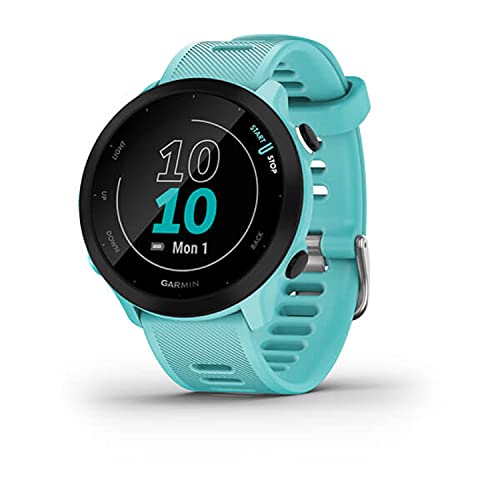
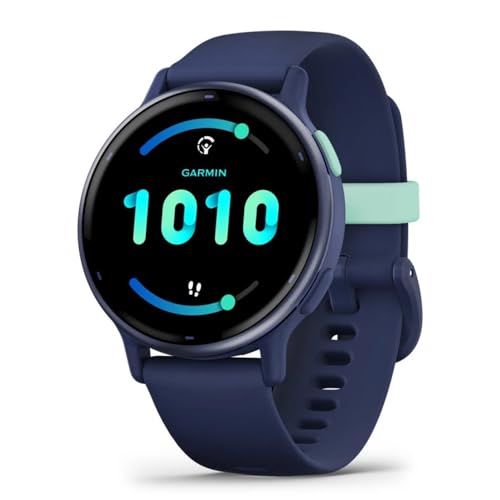

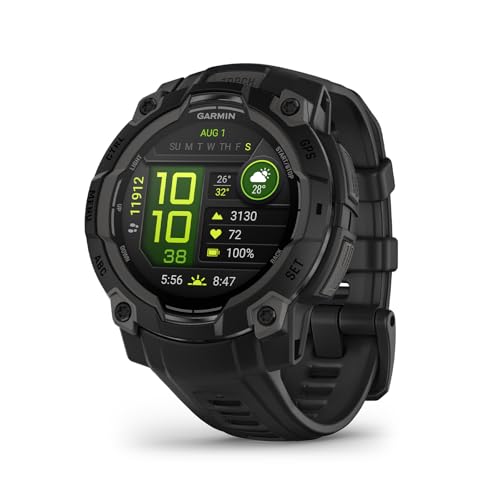
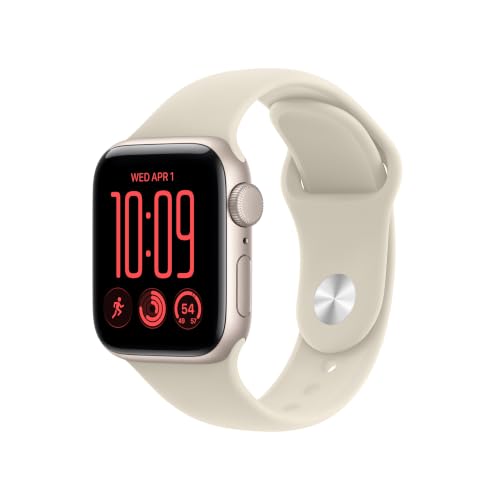
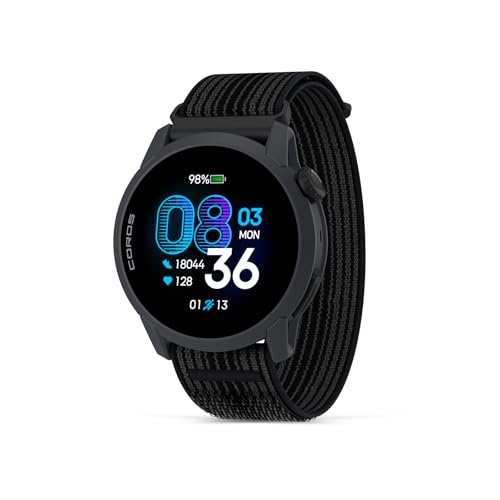

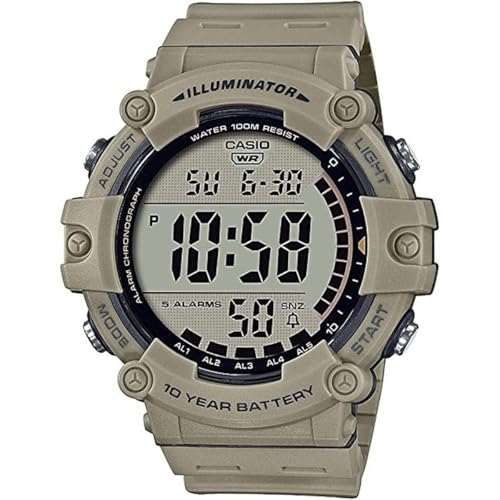
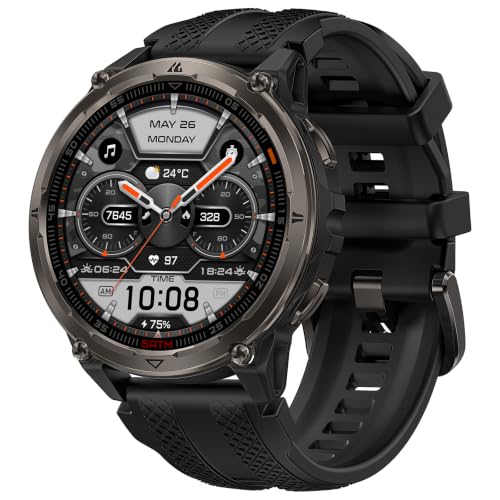
The product table above lists current options, and the sections that follow explain how to match one to your own routine.
Who Should Buy
Bicycle watches suit commuters who want time and alarms without a phone, road riders who track routes, and mountain bikers who want a rugged backup to a bike computer. They suit riders who train with heart rate or navigation. They are less suited to riders who want a bike computer display, or to anyone who needs medical grade heart data, which watches do not provide.
Types Compared
Each type below suits a different routine, so read the trade offs rather than looking for a single winner for everyone.
Simple rugged watches
Simple rugged watches show time, date and sometimes an alarm, with tough cases and clear dials. They suit commuters and riders who want reliability without charging.
GPS sport watches
GPS sport watches track route, speed, distance and training load, and pair with sensors. They suit riders who train by data and ride new routes often.
Smart watches
Smart watches add notifications, music control and apps alongside ride tracking. They suit riders who want one watch for daily life and sport, though battery life is shorter.
Bike computer companion watches
Some watches pair with a handlebar computer for heart rate and alerts. They suit riders who already use a bike computer and want wrist data without a second screen.
Key Features to Compare
Use these features as a checklist when you compare models in the product table above, and note which ones matter most for your daily use.
Legibility while riding
Choose large hands or digits, strong contrast and a display that stays readable in sun. A watch you must stare at is a distraction on the road.
GPS and route features
GPS accuracy, route following and battery life in GPS mode matter more than headline battery life in watch mode. Check how long GPS lasts on a long ride.
Durability and water resistance
A tough case, scratch resistant glass and a secure strap survive drops and rain. Match water rating to real use, and avoid hot showers with a watch that is only splash resistant.
Comfort and strap fit
The watch should sit snugly without cutting circulation, and the strap should work with gloves and jackets. A strap that is easy to adjust on the move helps.
Battery and charging
Simple watches run for years on a battery, while GPS and smart watches need charging every few days or after long rides. Choose a charging routine you will keep.
How to Choose
Decide first whether you need GPS and training data or only clear timekeeping, then choose size and strap for your wrist and gloves. Compare the product table above, and test readability in daylight before buying. Smart watch heart rate and fitness readings are general wellness information, not medical measurements, and chest pain, dizziness or unusual breathlessness on a ride deserve prompt care and a clinician check.
For related choices, see our guides to the best workout watches and the best quality watches.
Common Mistakes to Avoid
Paying for GPS you never use
GPS watches cost more and need charging, so they waste money if you only check the time. A simple rugged watch serves many commuters better.
Ignoring GPS battery life
Watch mode battery claims hide short GPS runtimes. Check GPS hours for your longest ride, and carry a plan for charging on multi day trips.
Choosing a strap that slips
A loose strap slides, misreads sensors and distracts you. Fit the watch snugly, and choose a strap that stays put when you sweat.
Planning for Everyday Use
Before a ride, check charge, strap and GPS lock, and set the display to the data you actually use. After wet rides, rinse mud and sweat from the case and strap, dry it fully, and store it away from direct heat. Regular cleaning keeps buttons working and sensors reading more reliably.
Frequently Asked Questions
Do I need GPS on a cycling watch?
GPS helps if you ride new routes, train by distance and speed, or want a record of rides. If you ride familiar routes and only need time, a simple watch is lighter, cheaper and easier to live with.
Can a watch replace a bike computer?
A watch can track a ride, but a handlebar computer is easier to read while riding and often shows more data at once. Many riders use both, with the watch for training data and the computer for navigation.
Are smart watch heart rate readings accurate on a bike?
Wrist readings are useful for general trends, but vibration, cold and loose fit can affect them. They do not replace medical devices, and a chest strap gives steadier readings for serious training.
What water rating do I need for cycling?
Rain and sweat need at least splash resistance, while swimming needs a proper swim rating and good seals. Hot showers and saunas can harm seals, so avoid them with most watches.
How do I keep a watch comfortable under gloves?
Choose a case that sits flat, a strap that adjusts easily, and a size that fits under a cuff without pressing. Try the watch with your usual gloves and jacket before deciding.
Final Thoughts
Pick the simplest watch that covers your rides, with a face you can read at speed and a strap that stays put. Compare the product table above, keep charging simple, and treat fitness readings as general guidance. The best bicycle watches should help you ride with less phone checking, not add a fragile gadget to worry about.


