
Best Bicycle Shoes 2026: A Cycling Fit Guide
Disclosure: We may earn a commission when you buy through links on this page, at no extra cost to you. As an Amazon Associate I earn from qualifying purchases. Learn more

Compare bicycle shoes by cleat type, stiffness, fit and ventilation, and learn which shoes suit road riding, mountain trails and daily commuter cycling.
Choosing among the best bicycle shoes changes pedaling efficiency and comfort more than many riders expect, because stiff soles transfer power while poor fit causes hot spots and numbness. Road, mountain, and commuter shoes differ in cleats, walkability, and stiffness, so the right choice depends on how and where you ride. This guide sorts those differences clearly.
Start with your pedal system, because shoes must match cleats. Then consider walkability: road shoes prioritize pedaling, mountain shoes balance riding and walking. The product table above compares the main types side by side, and the sections below cover who each type suits and which fit features matter.


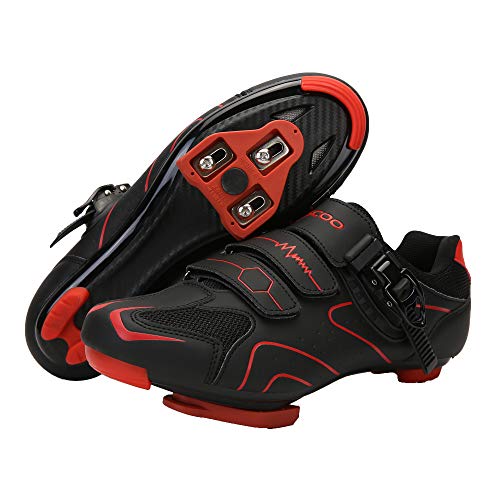

Who Should Buy Which Type
For Road Cyclists
Road cyclists benefit from stiff soles, light weight, and three bolt cleats that maximise power transfer. Walkability is limited, so road shoes suit rides with minimal walking. Fit should be snug without pinching, with a secure closure that holds the foot during hard efforts.
For Mountain Bikers
Mountain bikers need two bolt cleats, grippy soles for walking on trails, and protection against rocks and mud. A slightly more flexible sole aids walking, while a reinforced toe protects against trail debris. Mud shedding tread matters in wet conditions, where clogged soles lose grip.
For Commuters and Casual Riders
Commuters need shoes that pedal well yet walk comfortably into work or shops. Recessed cleats and normal looking designs suit this mix, while reflective details help visibility. Choose a shoe you can wear all day if you do not want to change at your destination.
Key Features Explained in Plain English
Cleat Systems Explained
Three bolt road cleats offer a large platform and efficient power transfer but walk poorly. Two bolt mountain cleats recess into the sole for easier walking and suit commuting and trails. Check pedal compatibility before buying shoes, because cleat and pedal systems must match exactly.
Sole Stiffness and Power Transfer
Stiffer soles transfer more power and reduce foot fatigue on long rides, but very stiff soles feel harsh for walking. Carbon soles offer top stiffness at higher cost, while nylon composite soles balance stiffness and comfort for most riders. Choose stiffness by ride length and walking needs.
Fit, Closure and Hot Spots
Fit should be snug at the heel and midfoot with toe room for swelling on long rides. Closure systems include laces, straps, and dials: dials offer fine adjustment on the move, while laces suit a custom fit. Hot spots often come from narrow toe boxes or overly tight closures, so test fit thoroughly.
Ventilation and Weather Protection
Ventilation matters on hot rides, where mesh panels keep feet cool, while waterproof covers help in rain. Perforated uppers balance airflow and protection, but fully waterproof shoes can overheat in summer. Match ventilation to your climate and season, and consider overshoes for winter.
How to Compare Options and Set a Budget
Budget tiers reflect sole material and closure quality. Entry models at about $60 to $120 suit beginners and commuters. Mid range models at about $120 to $220 add better stiffness, fit, and durability for regular riders. Premium models above $220 offer carbon soles and refined fit for keen cyclists, so check ride frequency before paying more.
Compare options by pedal compatibility, fit over a long ride, and walkability for your routine. A shoe that fits well, matches your pedals, and handles your walking needs beats a stiffer shoe that hurts after an hour. Try shoes with your cycling socks and test cleat position carefully.
Related guides can help you narrow the choice further. Read our guide to best road bicycle shoes if that angle matters more to you.
Care, Safety and Common Mistakes
Clean shoes after muddy rides and dry them away from direct heat, which damages adhesives and uppers. Check cleat bolts regularly, because loose cleats cause knee discomfort and unsafe release. Replace cleats when worn, and inspect soles for tread loss that affects walking grip.
A common mistake is buying shoes too tight, which causes numbness on long rides as feet swell. Size up if between sizes and test on a longer ride before committing. Another mistake is mismatching cleats and pedals, which wastes money and delays riding, so confirm compatibility first.
A Final Check Before You Buy
Before you buy, confirm pedal and cleat compatibility in writing, because systems look similar but do not interchange. Bring your pedals or their model name when shopping, and check cleat bolt patterns carefully. A mismatch wastes money and delays riding, and return policies vary for worn shoes.
Test fit with your cycling socks at the end of a day, when feet are slightly larger. Cycling shoes should feel snug without pinching, with room for toes to move and heels held firmly. Walk and simulate pedaling motions if possible, because a shoe that feels fine standing may pinch during a full ride.
Consider your walking needs honestly. Road shoes pedal brilliantly but walk poorly, while mountain style shoes balance both. If your rides include cafes, offices, or trail sections, walkability matters as much as stiffness. Choose the shoe for your whole outing, not just the pedaling part.
Check closure systems for your preferences. Dials offer fine adjustment on the move and suit riders who adjust mid ride, while laces offer a custom fit at lower cost. Straps fall between, with simple reliability. Choose a system you can operate with cold or gloved hands if you ride in winter.
Finally, plan for cleat setup and adjustment. Start with a neutral position under the ball of the foot, ride short distances, and adjust gradually for comfort. Note your settings once settled, because a record saves time when replacing cleats. Seek a professional fit if knee pain persists.
Frequently Asked Questions
Do I need cycling specific shoes?
Cycling shoes improve power transfer, foot stability, and comfort on longer rides compared with normal trainers. For short casual rides, normal shoes suffice, but regular riders benefit greatly from proper cycling shoes. Commuters can choose recessed cleat shoes that also walk well.
Road or mountain shoes: which is right?
Road shoes suit pure road riding with maximum efficiency and minimal walking. Mountain shoes suit trails, commuting, and any ride with significant walking, thanks to recessed cleats and grippy soles. Choose by walking needs as much as by bike type.
How tight should cycling shoes fit?
Cycling shoes should feel snug without pinching, with toes able to wiggle slightly and heels held firmly. Feet swell on long rides, so a slightly roomy fit often works better than a very tight one. Test fit at the end of a day for a truer size.
How do I set cleat position?
Start with cleats centered under the ball of the foot, then adjust fore and aft and angle for comfort and knee feel. Small changes matter, so adjust gradually and note settings. If knee pain persists, seek a professional bike fit rather than guessing further.
When should I replace cycling shoes?
Replace shoes when soles lose stiffness, uppers tear, closures fail, or cleat mounts wear. Heavy riders may need replacement sooner, while casual riders can judge by comfort and wear. Worn shoes reduce power transfer and can cause foot pain over time.
Final Thoughts
Match cleats to pedals, stiffness to ride length, and fit to your feet over distance, and cycling shoes will improve every ride. Those checks prevent the hot spots and mismatches that frustrate new buyers. On that basis, best bicycle shoes becomes a fit and system decision, and the product table above helps confirm your shortlist.


