
Best Bicycle Headsets: A Buying Guide for 2026
Disclosure: We may earn a commission when you buy through links on this page, at no extra cost to you. As an Amazon Associate I earn from qualifying purchases. Learn more

Head tube size, steerer type and bearing style explained so you can pick the best bicycle headsets for smooth, play free steering.
A bicycle headset is the bearing set that lets your fork turn inside the frame, and a worn one makes steering feel rough, notchy or loose. Choosing the best bicycle headsets comes down to a few measurements: the head tube size, the steerer type, the bearing style and the stack height. This guide explains each one in plain terms, and the product table above lists current options.
Most buyers replace a headset because of play, grinding or a creak when they brake. Getting the standard right matters more than price, since a headset that does not match your frame will not fit at all.

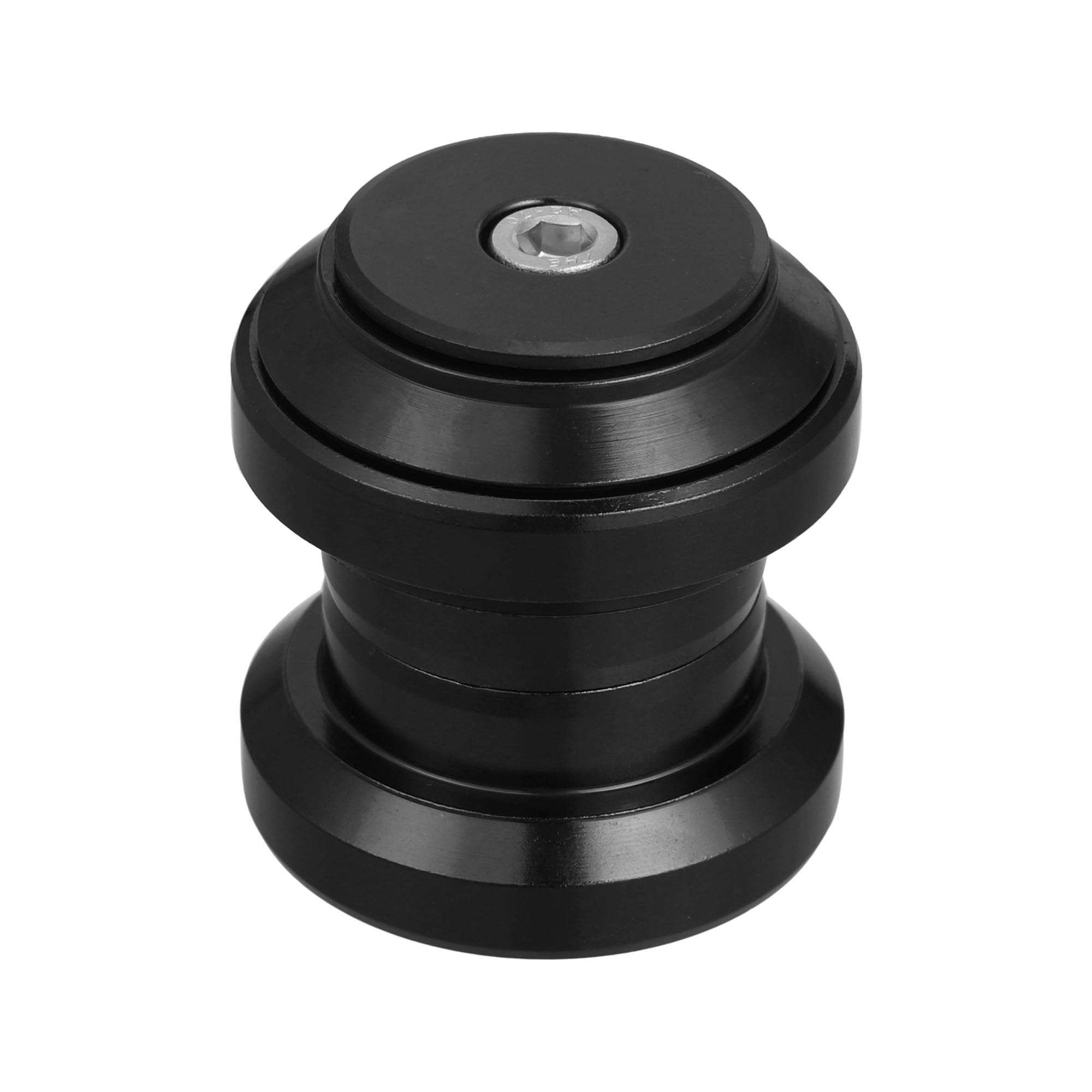


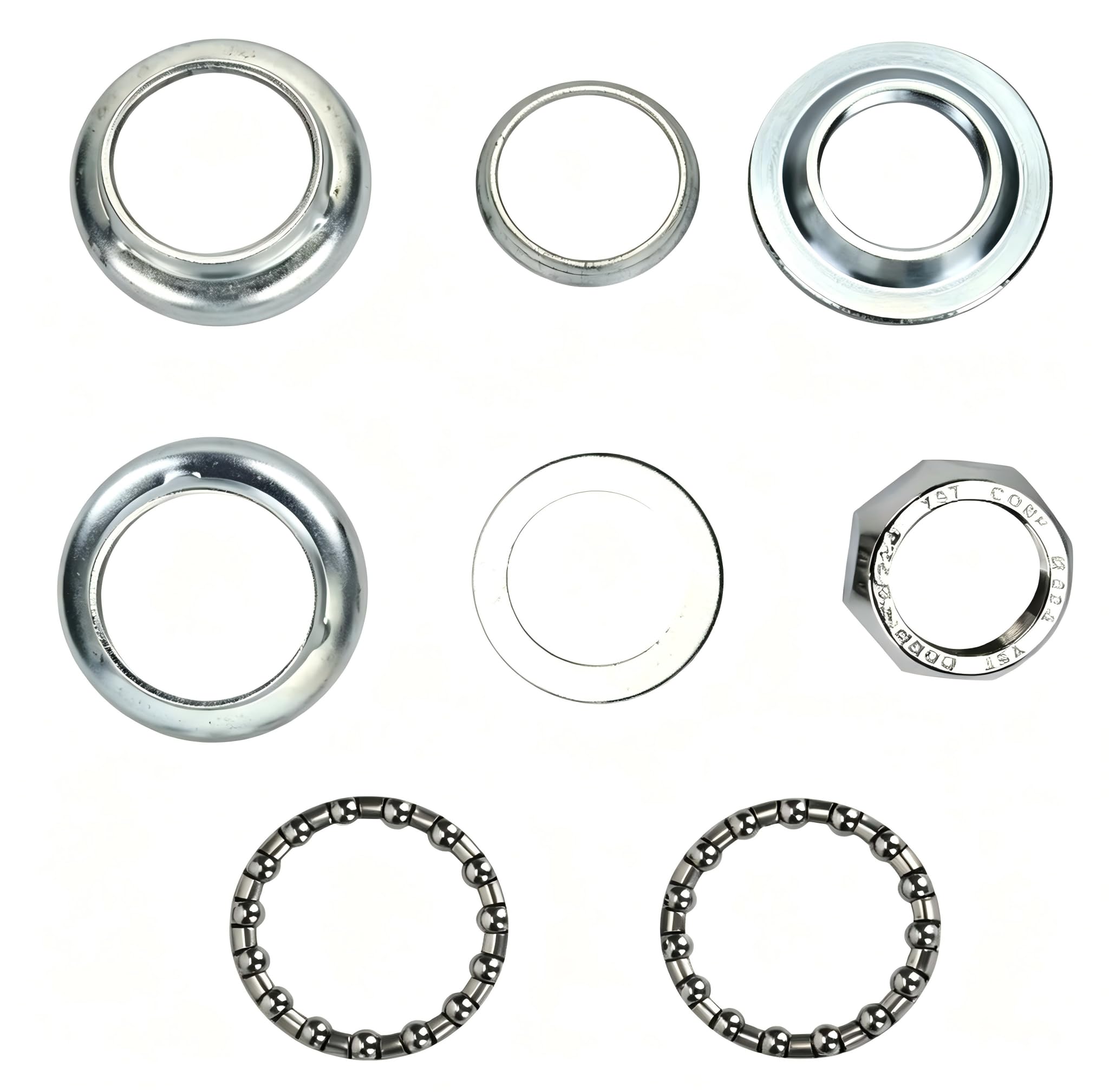
What a Bicycle Headset Does
The headset sits at the top and bottom of the head tube and holds the fork in place while letting it rotate. It carries steering loads and a large share of braking forces, so it takes constant stress. Sealed bearings keep out water and grit, and a correctly adjusted headset turns smoothly without any front to back movement.
If you notice a clicking sound under braking, a rough feel when turning the bars, or a loose feeling when you rock the front wheel with the brake on, the headset is often the cause. Cleaning and regreasing helps in mild cases, while pitted bearings or cracked cups call for replacement.
Threadless vs Threaded Headsets
Threadless Headsets
Most modern bikes use a threadless system, where the stem clamps onto the outside of the steerer tube and a top cap sets the bearing preload. Common steerer diameters are 1 1/8 inch for most bikes, with tapered setups on many newer frames. Threadless headsets are easy to adjust and widely available.
Threaded Headsets
Older bikes, and some city and vintage models, use a threaded steerer with a quill stem. These headsets use a threaded top race and a locknut. They are less common now but still sold for restoration and replacement.
Key Specs to Check
Head Tube Size and Cup Type
Measure the inside diameter of your head tube, or check the frame specs. Common standards are external cup (headset cups sit outside the tube), semi-integrated and fully integrated designs. The cup style must match the frame, so confirm the standard before ordering.
Steerer Diameter and Fork Fit
Check the steerer tube diameter at the top and bottom. Straight steerers use one size, while tapered forks use a larger bottom bearing. A headset for the wrong steerer size will not seat on the fork crown race.
Bearing Type
Sealed cartridge bearings are low maintenance and resist water, which makes them the usual choice for commuters and mountain bikers. Loose ball cups can feel smooth when new but need regular cleaning and grease. Look for sealed bearings if you ride in wet conditions.
Stack Height and Spacers
Stack height affects your handlebar height. A taller headset raises the bars slightly, so check that the stack suits your fit. Spacers above the stem let you fine tune the position, but leave enough steerer length for a secure stem clamp.
Choosing the Right Headset
- Commuters: choose sealed bearings and a standard 1 1/8 inch threadless fit that is easy to replace.
- Mountain bikers: look for sealed, water resistant bearings and strong cups that take heavy braking loads.
- Restorers and vintage bikes: match the original threaded standard and check cup and race sizes carefully.
- Budget upgrades: a plain sealed headset in the correct size often gives the biggest improvement per dollar.
Installing and Maintaining a Headset
Installing a headset needs a press for the cups and a crown race tool for the fork, so many riders take the job to a shop. If you do it at home, make sure the head tube is clean, press the cups in square and follow the maker's instructions for preload. Set the preload so the fork turns freely with no play, then tighten the stem bolts.
Every few months, check for play by holding the front brake and rocking the bike. Wipe the bearings, add fresh grease where the design allows, and replace the headset at the first sign of notchy steering. Water and road grit are the main enemies, so a quick clean after wet rides extends life.
Common Mistakes to Avoid
- Ordering without measuring the head tube and steerer sizes.
- Over tightening the top cap, which makes steering stiff and wears the bearings.
- Skipping grease on the cups and crown race.
- Reusing a damaged crown race or cracked cup.
- Buying a headset with too tall a stack for your riding position.
Bicycle Headsets: Your Questions Answered
How do I know if my headset needs replacing?
Signs include a clicking under braking, a rough or notchy feel when you turn the bars, and play when you rock the bike with the front brake on. If cleaning and adjusting do not fix it, replace the headset.
Can I install a headset myself?
You can with the right tools, mainly a headset press and a crown race setter. If you do not own them, a shop can install it quickly for a modest fee.
What size headset do I need?
Check the head tube inner diameter, the steerer diameter and the cup style, or look up your frame's specifications. When in doubt, take the old headset to compare against the listing.
Are sealed bearings worth it?
For most riders, yes. Sealed bearings keep out water and dirt, so they last longer between services. They suit commuters and trail riders who ride in all weather.
How often should I service my headset?
Check it every few months and service it once or twice a year depending on conditions. Wet and muddy rides call for more frequent checks.
Final Thoughts
Measure first, match the standard, and choose sealed bearings if you ride in the wet. Compare your shortlist in the product table above, and the best bicycle headsets for your bike will be the ones that fit your frame and turn smoothly for years.


