
Best Bialetti Moka Pots (2026): Models for Every Home
Disclosure: We may earn a commission when you buy through links on this page, at no extra cost to you. As an Amazon Associate I earn from qualifying purchases. Learn more
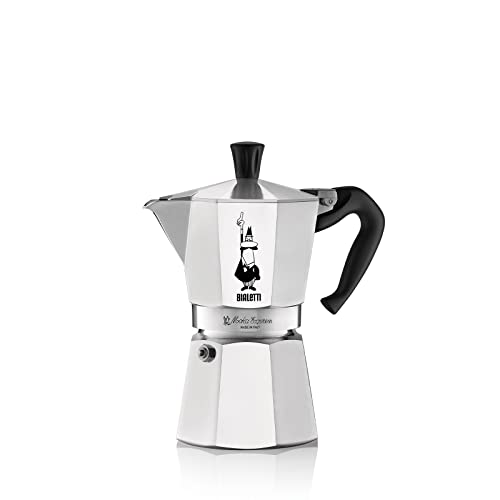
Choosing the best bialetti moka pot? Match size, material and stove type, including induction, to your household and shelves.
Picture a weekday morning in a small kitchen. One person wants a strong coffee before work, another wants a milky drink later, and the counter already holds a kettle and a toaster. The right pot has to fit your burners, your shelves, and the cups you actually drink. Choosing the best bialetti moka pot is mostly about matching size, material, and stove type to your home, and the product table below lays those options out side by side.
If you are still weighing this brand against the wider market, our guide to the best moka pot covers the broader field. This article stays with one lineup and sorts it by household size, storage space, and daily routine.


Quick Answer: How the Main Types Compare
Most homes land on one of three paths. A classic aluminum stovetop pot is the lightest and usually the lowest priced option, and it suits gas and electric coil burners. A stainless steel pot costs more, feels sturdier, and is the safer route if your home has or may soon have an induction cooktop. A pressure valve model brews a thicker drink with more foam, while an electric model removes burner watching but takes permanent counter space.
- Small household, tight shelves: a compact pot stored in a cupboard between uses.
- Family breakfasts: a larger stainless pot that serves several small cups at once and stands up to daily use.
- Induction kitchen: a stainless model whose base is confirmed to work on induction before you order.
- Shared kitchen: an electric model helps where burners are crowded.
Before You Buy: A Quick Checklist for Choosing a Moka Pot
Size: Match It to Your Household and Your Space
Moka pot sizes are counted in small espresso style cups, not in large mugs. A 1 cup pot makes about 2 ounces, a 3 cup pot about 6 ounces, and a 6 cup pot about 12 ounces, while 9 cup and 12 cup pots serve a table of guests. Count the drinks you make on a normal morning, including anyone who adds hot milk or water, and size for that routine rather than a rare gathering.
Size also decides where the pot lives. A large pot feels heavy when full, and taller pots need shelf clearance, since the handle and knob add room beyond the body. Measure before you order, and check that the base sits steady on your smallest usable burner.
Which Type Fits Your Routine
Aluminum pots heat quickly, weigh little, and cost less, which suits users who rinse and dry the pot after each brew. Stainless steel pots resist dents and staining better, go on more stove types, and feel like the calmer long term choice for busy kitchens. Our guide to the best stainless steel moka pot compares base thickness and handle design across that category.
Stove fit is the detail many shoppers skip. Gas and electric coil burners accept most pots, while induction tops are pickier about base size and material. Confirm the listing states induction use for that exact size, and browse the best induction moka pot options for pots built for that surface. The best electric moka pot route skips the stove entirely, but needs an outlet and steady counter space.
Brew Temperature and Heat Control
A moka pot brews when heated water in the lower chamber builds pressure and rises through the coffee bed. Coffee tastes balanced when that water sits near 195 to 205 degrees Fahrenheit, but a stovetop pot gives you no dial. You control the result with burner level, starting on medium low heat so coffee flows in a slow stream rather than sputtering out in bursts that taste harsh.
Practical habits matter more than any certification label. Warm water in the boiler shortens the time grounds sit over heat, and lifting the pot off the burner as the stream turns pale keeps the last portion from scorching. New brewers can follow the guide on how to use a moka pot for fill level, heat, and timing.
Boiler, Filter Basket, and Gasket
The lower chamber, or boiler, holds the water, and its fill line sits below the safety valve. Always leave that valve clear, since it releases pressure if flow is blocked. The funnel shaped filter basket holds the grounds, and the filter plate and rubber gasket seal the two halves. A pot with spares that are easy to find will stay in service far longer than one with parts that are hard to source.
Hard water leaves mineral scale inside the boiler, which can slow heating and dull flavor, so filtered water stretches the time between deep cleans. Check the gasket every few months. A gasket that feels hard or cracked instead of springy will leak steam at the joint and weaken the brew, and swapping it needs no tools.
Counter Footprint and Storage
A base that overhangs a small burner wastes heat and can scorch the handle, so match base width to burner width. Storing the pot in two pieces saves counter room, and a shorter wide pot fits shallow shelves where a tall narrow one will not.
Realistic Budget Ranges
Small aluminum pots often sell for under $30, mid sized aluminum or entry stainless models usually land at about $30 to $50, and larger stainless or pressure valve models tend to run about $50 to $90. Price should follow fit first. A pot in the wrong size or material for your stove is poor value at any figure, while a matched pot can serve daily for years with only gasket swaps.
Types Compared: How the Lineup Divides
Classic Aluminum Stovetop Models
The classic aluminum design is the reference point for the lineup, with an eight sided body that is easy to grip. These pots are light enough for travel bags, and they heat fast on gas. Their limits show up on induction tops, where aluminum alone will not work, and in care, since aluminum dislikes long soaks and harsh detergents. Choose this type for the lowest entry cost in the range.
Stainless Steel Stovetop Models
Stainless models trade extra weight and price for a tougher surface and wider stove compatibility. The steel body tolerates everyday knocks, cleans up with less fuss about staining, and suits households that brew several times a day and pass the pot between cooks. Choose this type if younger helpers are learning to brew, or a cooktop change is planned.
Pressure Valve and Electric Models
Some models add a valve in the upper chamber that holds back pressure a moment longer, producing a denser drink topped with foam that plain models do not create. That style suits drinkers who take coffee straight and want more body in a small cup. Electric models pair the pot with a powered base for desks or kitchenettes with no stove. Both cost more and add a part or a cord to manage.
How to Judge a Bialetti Moka Pot
Judge any model against five plain criteria. Brew quality comes from even heating and a steady flow, temperature stability shows in repeat cups that taste alike, and ease of use covers filling, pouring, and how the handle feels when hot. Cleaning covers how fully the pot comes apart, and build quality shows in lid fit, hinge, and rim finish. Manufacturer specifications and verified buyer reports on issues such as loosening handles are the most useful evidence behind each point.
The Bialetti Moka Pot Lineup Explained
The lineup sorts cleanly once you group it by material, then by stove fit, then by size. Aluminum models form the traditional core, stainless models form the branch built for induction tops and heavier daily use, and valve and electric models sit at the edges for drinkers with a specific goal. Within each group the method is the same, so flavor differences come mostly from heat control and grind.
That is why shoppers asking which is the best bialetti moka pot usually get a question back about their kitchen. A solo drinker with an induction plate and a family of five with a gas range need different pots, and both needs are served inside this one brand. Start with your stove, narrow by material, then pick your morning size.
Common Mistakes to Avoid
- Buying by mug count instead of cup count: a 3 cup pot fills one mug at most, so a household expecting three mugs ends up brewing twice.
- Ignoring stove type: an aluminum pot on an induction cooktop simply never heats, and the return wastes more time than a minute of checking.
- Choosing a pot too tall for its shelf: a pot that must lie on its side or block a cupboard door quickly becomes a pot nobody uses.
- Skipping spare part availability: a pot whose gasket size is hard to find gets retired early over a small worn ring.
- Paying for a valve or electric base you will not use: extra parts add cost and cleaning steps without improving a plain daily cup.
Cost of Ownership and Care
Running costs stay low with a stovetop pot. There are no pods or paper filters to restock, and the recurring spend is a gasket and filter plate set every year or so for a daily brewer, usually for under $15. The pot itself is nearly the whole investment, which is a large part of the appeal for households trimming repeat grocery costs.
Daily care is simple. Empty the grounds once the pot cools, rinse each part in warm water, and let everything dry fully before reassembling, since trapped moisture dulls flavor and can mark the metal. Our walkthrough on how to clean a moka pot covers deeper cleaning for each material. Store the pot loosely assembled so the gasket is not under constant compression.
Your Questions, Answered
What is the most reliable moka pot brand?
Reliability here comes less from a badge and more from parts support and simple construction. A brand that sells replacement gaskets, plates, handles, and funnels in every size lets you repair wear instead of replacing the pot. Bialetti keeps that parts network wide, which is a practical reason owners keep the same pot for years. Check that spares for your size are in stock before you buy.
How long does a moka pot last?
The metal body can last for decades, because a moka pot has no motor, no electronics, and no heating element of its own. The parts that age are the soft ones. Gaskets wear out, handles can loosen, and the filter plate can warp if the pot boils dry. Retire the pot only if the rim deforms, the safety valve fails, or a crack appears.
Is a moka pot worth it for a small household?
For one or two drinkers, yes, a small moka pot earns its shelf space quickly. It brews a strong cup with no pods to buy or throw away, uses very little room, and works during a power outage if your stove runs on gas. The drawback is batch size, so a household drinking large mugs all morning may keep it for slower starts only.
Which size Bialetti moka pot should a household of two buy?
Most couples do best with a 3 cup or 6 cup size. These pots brew best when boiler and basket are filled as designed, not halfway, so pick the size that matches one full round of drinks. Two small straight cups point to the 3 cup size, and two mugs lengthened with milk point to the 6 cup size. A half filled large pot brews a weaker cup.
Is Bialetti a good moka pot brand for a first purchase?
It is a sound first purchase because the range covers nearly every stove type and household size under one sizing system, so a second pot fits the habits you built with the first. Spare parts and many owner reports also make problems easy to troubleshoot. Anchor on the size and material you need rather than drifting toward the priciest version of the same idea.
Final Thoughts
The right choice comes back to your kitchen rather than to any single flagship model. Match size to your normal morning, material to your stove, and keep storage in the decision from the start. Do that, and the best bialetti moka pot for your home is the one that fits your burners, shelves, and budget without friction. Look back at the product table above to compare finalists, then order the size you will use every day.


