Best Beverage Tubs Made Simple: A Clear Buying Guide for 2026
Disclosure: We may earn a commission when you buy through links on this page, at no extra cost to you. As an Amazon Associate I earn from qualifying purchases. Learn more
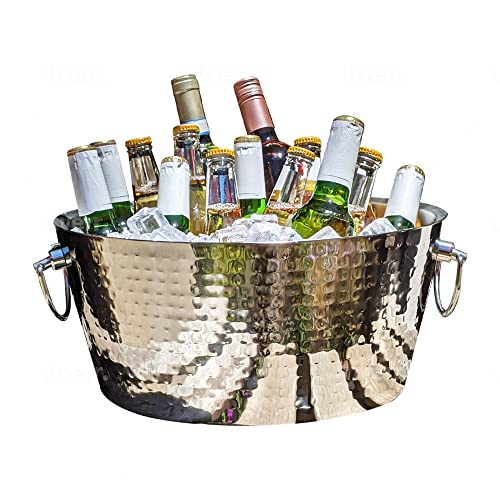
New to buying beverage tubs? Our simple guide to the best beverage tubs explains the basics, key specs, and smart tips so your first purchase is the right one.
If you have never bought a beverage tub, the choices can look oddly complicated for what seems like a simple bucket for drinks and ice. Sizes jump from tiny tabletop tubs to party sized vessels, materials range from plastic to polished copper, and prices follow right along. This guide to the best beverage tubs starts with the basics, explains each spec in plain English, and ends with a simple path to your first purchase.
Along the way you will learn how much capacity a gathering really needs, why some tubs sweat puddles onto the table, and which upgrades are worth paying for. Check the product table above as you read, and you will finish knowing exactly which questions to ask before you buy.






Beverage Tubs 101: The Basics
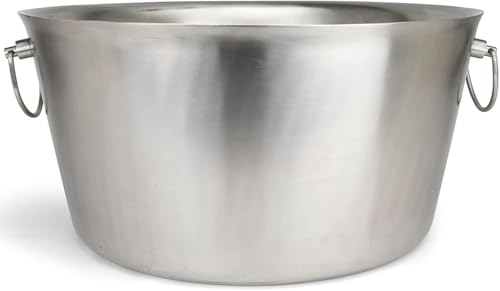
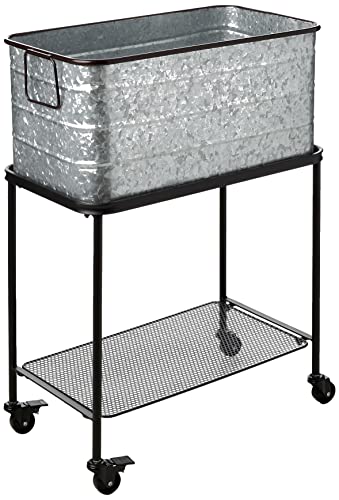
A beverage tub is an open topped container designed to hold ice and chilled drinks for serving. You fill it partway with ice, nestle in bottles and cans, and guests help themselves, which keeps the refrigerator door closed and the drinks where the party is. Unlike a cooler, a tub has no lid and no thick insulation, so it is meant for serving over a few hours rather than storing ice all day. Common terms you will see include capacity in gallons or quarts, double wall construction, which means two layers of material with air between them, and sweat proof claims, which refer to condensation forming on the outside. A stand raises the tub to a comfortable serving height, and some tubs include a bottle opener or handles shaped for carrying a full, heavy load.
Key Specs Explained in Plain English
Intended Use and Who It Is For
Your use decides almost everything else. A small tub for weeknight dinners on the patio only needs to hold a few bottles and a modest amount of ice. A tub for weddings, tailgates, or holiday parties must hold dozens of drinks and keep ice solid for three to four hours in warm air. Think about where it will live, too: a tub that stays on a bar cart can be heavier and prettier, while one that travels to picnics should be light with secure handles. Write down your typical guest count and your largest expected event, and let those two numbers steer every choice that follows.
Warranty and Customer Support
A tub is a simple product, so warranty terms reveal how confident the maker is about seams, coatings, and handles. Look for at least a one year warranty covering leaks, cracked welds, and finish defects, and check whether the seller states a clear return window for tubs that arrive dented. Powder coat and painted finishes can chip, so ask whether touch up paint or replacement parts like feet and handles are available. Support that answers questions about care, such as whether a finish is food safe for direct ice contact, is a good sign. Keep your receipt and a photo of the tub on arrival, which makes any claim painless.
Size, Weight, and Fit for Your Space
Capacity is the headline spec, and a useful rule is that drinks plus ice need more room than drinks alone. A tub around three to four gallons handles a small gathering, five to eight gallons suits most parties, and larger tubs serve big events but get very heavy when full. Ice and liquid weigh about eight pounds per gallon, so a full eight gallon tub can top sixty pounds. Measure the table, cart, or stand where it will sit, and confirm the diameter and height fit with room for guests to reach in. If you will carry it filled, choose a size your arms honestly approve of.
Build Quality and Materials
Galvanized steel is the classic choice: affordable, sturdy, and rustic in style, though its coating can wear at scratches over time. Stainless steel resists rust best and suits coastal air and frequent use, while copper and copper toned finishes offer standout looks that need polishing to stay bright. Plastic tubs are light, cheap, and fine for casual use, but they flex under heavy loads and fade in strong sun. Whatever the material, check the rim: a rolled or folded edge feels comfortable, resists dents, and hides sharpness. Seams should be smooth and sealed, because a tub that seeps at the base will ruin a tablecloth and your mood.
Ease of Use and Setup
A good tub asks almost nothing of you, and the details are small but real. Handles should be wide, firmly attached, and comfortable when the tub is full, not just empty in a store. A flat, stable base prevents tipping when a guest grabs the last bottle from one side. Some tubs nest for storage or fit standard stands, which saves closet space all year. Think about emptying, too: a very large tub without a drain must be lifted and tipped, so consider where that water will go. The easiest tub to live with is the one you can fill, carry, serve from, and empty without a helper.
Key Performance Specs
Performance for a tub means two things: how long ice lasts and how dry the outside stays. Double wall construction is the spec that matters most, because the air gap slows melting and sharply reduces condensation on the exterior. Single wall metal tubs work fine for short events but will sweat in humid weather, so plan a tray or mat underneath. Ice retention of three to four hours is realistic for serving, and pre chilling the tub with cold water for ten minutes before filling extends that time. Lid accessories exist for some models and help during transport, but open serving is the whole point of the format.
Best Beverage Tubs for Specific Needs
Best Personalized Beverage Tubs: Tips for First Time Buyers
If you are shopping for the best personalized beverage tubs as a gift or for an event, focus on the printing or engraving quality first. Ask how the design is applied, since engraved or deeply etched lettering outlasts surface prints that can fade with washing. Order early, because personalization adds production time, and always request a proof so names and dates are spelled exactly right before work begins. Choose a classic font and a finish that hides water spots, and remember that a personalized item usually cannot be returned, which makes checking size and material twice a smart habit.
Best Customized Beverage Tubs: Tips for First Time Buyers
Shoppers considering the best customized beverage tubs usually need something standard tubs cannot offer, such as an exact size for a built in bar, a brand color, or a logo for a business. Custom work rewards clear specifications: give exact dimensions, capacity, and material in writing, and confirm whether the price includes a stand, lid, or drain. Ask about minimum order counts, since some makers customize single pieces while others require a small batch. Build in extra weeks for production and shipping, and inspect the first piece carefully before approving any larger order, because small finish issues repeat across every unit.
Rookie Mistakes to Avoid
- Buying by drink count alone: sellers often rate capacity by bottles with no ice, so size up to leave room for the ice that keeps drinks cold.
- Ignoring condensation: a single wall tub on a wood table will leave rings and puddles, so choose double wall construction or always use a tray.
- Forgetting the full weight: a tub that feels light in the store can weigh over sixty pounds filled, straining handles and backs alike.
- Choosing looks over the rim: a thin, sharp edged rim dents easily and makes carrying uncomfortable, however pretty the finish looks in photos.
- Skipping care instructions: some finishes must be hand washed and dried promptly, and learning that after the first rust spot is too late.
Getting Started: Setup and First Use
When your tub arrives, unpack it and inspect the seams, rim, and handles before the first event. Read the manual before first use, especially the care notes for your finish, then wash the inside with warm water and a mild soap and dry it fully. For the first fill, pre chill the tub with cold water, empty it, then layer ice and drinks alternately so bottles settle into the cold rather than sitting on top. Place the tub on a stable surface with a tray beneath it if it is a single wall model. After the event, empty melt water promptly, wash and dry the tub before storage, and clean and inspect regularly so small rust spots or loose handles get attention early.
Beverage Tubs: Your Questions Answered
How do I maintain a beverage tub?
Wash the tub after every use, dry it completely, and store it in a dry place, because standing moisture is what starts rust and water stains. For stainless steel, a soft cloth prevents scratches, while copper finishes may need an occasional polish to keep their shine. Check handles and seams a few times a year and tighten or address anything loose. Never store the tub nested while damp, since trapped moisture between layers can mark both surfaces.
How much should I spend on a beverage tub?
Expect to spend around $25 to $60 for a solid everyday tub in galvanized or stainless steel, which covers most home parties comfortably. Plastic options cost less, often under $25, and suit occasional casual use. Decorative metals, large capacities, stands, and personalization push prices toward $100 or more. Spend first on material and construction, because a tub is bought rarely and a rusted bargain ends up costing double.
What features matter most when buying beverage tubs?
Capacity matched to your guest count, double wall construction, and strong handles matter most. After those, look at rim quality, base stability, and whether the size fits your table, cart, or stand. A finish you are willing to maintain honestly is also a feature, since a beautiful tub that needs polishing will look tired if you never polish it. Keep the list short and the event you host most often in mind.
Are expensive beverage tubs worth it?
They can be, when the price buys stainless steel, true double wall construction, and craftsmanship that lasts for years of events. Premium tubs also tend to look better in photos and formal settings, which matters for weddings and business use. If your parties are casual and infrequent, a mid priced tub serves drinks just as cold. The honest test is cost per event: a tub used twenty times a year earns a bigger budget than one used twice.
How long does a beverage tub last?
A well made metal tub can last ten years or more, because there is almost nothing to wear out beyond the finish and the handles. Galvanized coatings may thin at scratches over time, and plastic tubs usually give three to five years before fading or cracking. Drying the tub after use is the single habit that extends life the most. Treat it like good cookware, and one purchase can cover a decade of gatherings.
Our Verdict
For a first purchase, keep it simple: match capacity to your real guest count, choose double wall construction in a material you will maintain, and confirm the filled weight works for your space. Those three decisions matter more than decorative extras. Compare your finalists in the product table above, picture the tub at your next gathering, and you will land on the best beverage tubs choice for your home with confidence.