Best Bento Lunch Box: Types and Buying Tips (2026)
Disclosure: We may earn a commission when you buy through links on this page, at no extra cost to you. As an Amazon Associate I earn from qualifying purchases. Learn more

Size, seal and materials decide how a bento box performs. Compare three styles to find the best bento lunch box for your household.
A bento box sounds simple until your kitchen drawer is full of lids that match nothing and a container that will not fit the bag you already own. Choosing the best bento lunch box for your household starts with your shelves, your fridge space, and how many people you pack for each morning. This guide walks through size, materials, seals, and budget so you can match a box to your home first.
If you are still weighing bento styles against a plain container, our guide to the best lunch box covers the wider field. For bento shoppers, start with the comparison table below, then use the checklist that follows to narrow the field by routine and storage space.





Quick Answer: Three Types in 30 Seconds
Most homes do well with a divided plastic box that has a snap shut lid, a removable tray, and two or three compartments for a main dish plus sides. Tight budgets favor a simple one piece box with no loose parts to lose. Households that pack daily for years often prefer stainless steel or glass, which cost more at first but resist stains and odors. Capacity, seal, and fit in your bag matter more than looks.
Before You Buy: A Quick Checklist for Choosing a Lunch Box
Size: Match It to Your Space
Measure the bag the box must ride in, then check the shelf or drawer where it will live at home. A compact box holding about 3 to 4 cups suits a child or a light eater, while most adults need about 5 to 7 cups for a main dish, sides, and a snack. Two tier designs stack food upward, so they save fridge space in small kitchens. If you pack for a partner with a bigger appetite, our guide to the best lunch box for men covers larger portion needs.
Which Type Fits Your Routine
Bento boxes divide food into compartments, which keeps flavors apart and makes portion planning easy. A plain insulated bag with loose containers gives more flexibility for odd shapes, such as a whole sandwich or a thermos of soup. Stainless steel boxes feel solid and last for years, but they cannot go in the microwave. Plastic and silicone boxes are light for kids to carry, while glass suits adults who reheat at a desk. If your lunch travels to an office, see our guide to the best lunch box for work for commute focused advice.
Features Worth It and Features to Skip
Pay for a secure lid, a removable tray or divider, and a shape that stacks neatly with containers you already own. A small sauce cup with its own lid is worth it if you pack dressings or dips often. Skip loose parts you will not wash, such as tiny forks that vanish in the sink, and skip built in utensils if your kitchen already stocks them. An ice pack pocket matters only when lunch sits unrefrigerated for hours, and a shoulder strap matters only if you carry the bag by hand.
Airtight Seal and BPA Free Materials
A good seal keeps soup, yogurt, and cut fruit from leaking onto books, laptops, and car seats. Look for a silicone gasket in the lid and latches that close with firm pressure on all sides, then try the box at home with water before trusting it in a bag. Choose food contact plastics that are labeled BPA free, and check that the listing names the material rather than using vague claims. Stainless steel and glass avoid plastic contact altogether, which some families prefer for hot or acidic foods such as tomato based dishes.
Freezer, Microwave and Oven Safety
Check each part separately, since a box, its lid, and its tray often have different limits. Many plastic and silicone bases can go in the freezer and the microwave, while lids with gaskets often cannot, so remove the lid before reheating. Glass bases may be oven safe within the limits on the label, but sudden temperature change can crack them, so let a frozen glass base sit out briefly first. Stainless steel should never go in the microwave or a standard oven unless the maker says otherwise, so plan to move food to a plate for reheating.
Realistic Budget Ranges
Simple plastic bento boxes often cost under $20, a fair price for school use or a first try at packing lunch. Boxes about $20 to $50 usually add a better gasket, sturdier latches, a removable tray, or a matching insulated bag. Above about $50, you are mostly paying for stainless steel or glass build and larger capacity. Price alone does not prove a seal works, so weigh the lid design more than the number on the tag.
Types Compared: Three Bento Styles That Fit Real Homes
Instead of ranking named products, compare the three build styles below against your routine. Each style can be the right answer for a different home.
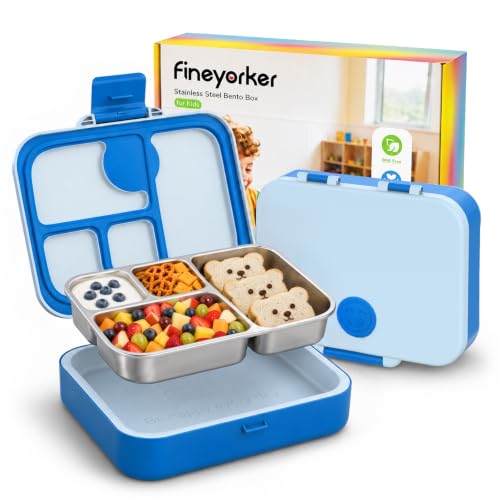
The Divided Plastic Box for Most Homes
This is the default choice for families because it is light, affordable, and easy for children to open at a cafeteria table. Removable trays rinse quickly, and most versions can go in the microwave with the lid off. The trade off is wear over time, since hinges and latches can loosen and plastic can hold odors. Choose this style if you pack varied lunches and need several boxes in rotation.
The Simple Value Box on a Tight Budget
A basic one piece box with two or three fixed compartments and a plain snap lid keeps cost and washing time low. It suits dry or low moisture foods best, such as sandwiches, crackers, cheese, and whole fruit, since the seal is rarely strong enough for soup. There are fewer parts to lose, which helps in busy homes and school lost property bins. Choose this style for occasional use, spare boxes for guests or field trips, and anyone testing whether bento packing fits their routine before spending more.
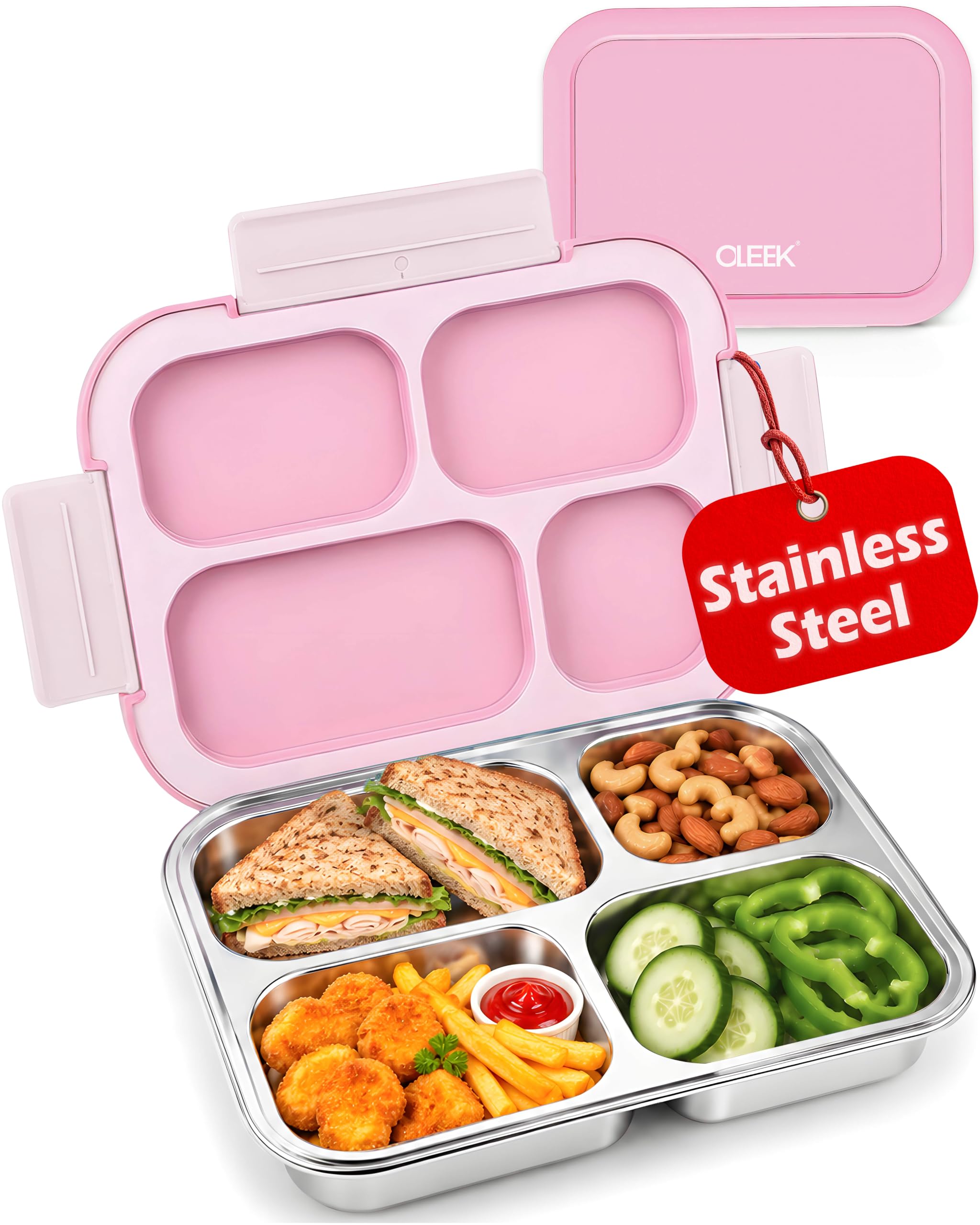
The Stainless Steel or Glass Box as a Long Term Choice
Metal and glass boxes resist stains, do not hold odors, and can serve a family for many years with basic care. They weigh more than plastic, so think about who carries the bag and how far. Metal boxes often lack a watertight seal without a silicone gasket, and glass needs a padded bag to guard against drops. For adult portions and reheating habits, our guide to the best lunch box for adults adds sizing detail.
Our Selection Process for the Best Bento Lunch Boxes
We judge bento boxes on five points: seal and freshness, materials, capacity and fit, cleaning effort, and value for the price. We rely on maker specifications, care instructions, and patterns in verified buyer feedback about leaks, broken latches, and lost parts. A style earns a place above only when its strengths suit a clear routine, such as school lunches or office reheating.
What We Like and What We Do Not About Bento Boxes Versus Other Lunch Boxes
Bento boxes shine when you pack several small items, since compartments keep a sandwich dry, hold berries apart from crackers, and make portions visible at a glance. They also cut down on single use wrap and small baggies. On the down side, fixed compartments can fight you when food comes in awkward shapes, such as a large roll or a whole peach. A single large container handles those foods better, and a thermos remains the safer pick for hot soup. Bento also means more corners and trays to wash each night.
- Like: neat portions, less food touching, and a tidy fit inside most lunch bags.
- Like: packing is faster once you learn what each compartment holds.
- Do not like: rigid sections limit bulky foods, and multi part lids take longer to dry.
- Do not like: a weak gasket turns a stylish box into a leak risk for sauces.
Common Buying Mistakes to Avoid
- Buying by looks alone: a slim box that cannot hold your usual sandwich and sides will sit unused in a drawer.
- Ignoring the bag you own: a box that is too tall for your insulated bag forces a second purchase you did not plan.
- Trusting a leakproof claim for soup: most divided trays handle moist food, not liquid, so use a sealed round container for broth.
- Forgetting replacement parts: if gaskets and lids cannot be bought on their own, one lost lid can end the life of the whole box.
- Ordering a full set at once: buy one box first, pack it for a week, and only then order matching boxes for the family.
Cost of Ownership and Care
The purchase price is only part of what a bento box costs you. Replacement gaskets, spare lids, an insulated bag, and a slim ice pack add small costs over the years, and hand washing adds time each night. Wash trays and gaskets in warm soapy water, let every part dry fully before closing the lid, and store boxes open so odors fade. For a deeper routine, follow our guide on how to clean a lunch box.
Your Questions, Answered
What is the most reliable lunch box brand?
Reliability depends more on design than on a name. Boxes with replaceable gaskets and lids, thick hinges, and latches that close on four sides tend to outlast thin boxes with a single clasp. Check whether the maker sells spare parts and honors a clear warranty, since that support is a strong sign of a durable design.
How do you clean a lunch box?
Empty leftovers the same day, then wash the base, tray, and lid in warm soapy water with a soft sponge. Remove the gasket weekly and clean the groove under it, where sauce and moisture collect out of sight. For lingering odors, soak the parts in a sink of warm water with a spoon of baking soda, rinse well, and air dry fully. Avoid harsh scouring pads on plastic, since scratches give stains and smells more places to settle.
Is a lunch box worth it?
A lunch box earns its cost when you pack food often enough that buying lunch out becomes the expensive habit. Even a few packed lunches a month can cover a modest box over a school term, and you gain control over portions and ingredients. It is less worth it if packed food regularly comes home uneaten. Start with one affordable box and judge by how often it leaves the house.
How long does a lunch box last?
A plastic bento box in daily use often serves well for a few years before latches loosen or the seal weakens. Stainless steel and glass boxes can last much longer, since the body itself rarely wears out, though gaskets and lids may need replacing sooner. Dropping, overheating a lid, and forcing a latch shut are the habits that shorten life the most. Retire any box with cracks near the hinge, since cracks trap residue and weaken the seal.
Are bento lunch boxes worth it?
They are worth it for packers who like variety in one meal, such as a main item, two sides, and a small treat, all kept apart. The compartments also help children who dislike foods touching, and they make balanced packing easier to see. They are less worth it if your lunches are mostly one large item, such as a big salad, where a single container works better. Match the format to the food you actually pack.
What is the best bento lunch box?
There is no single winner for every home. The best choice fits your bag, holds your usual portions, seals well enough for the foods you pack, and washes up without a fight on a busy night. For most families that means a divided plastic box with a gasket lid, while daily packers may prefer steel or glass. Use the product table above to compare capacity, materials, and seal type before you decide.
The Bottom Line
For most households, the best bento lunch box is a divided box with a firm gasket seal, a capacity that matches the eater, and parts you can replace. Budget shoppers can start with a simple snap lid box for dry foods, while daily packers may save money over time with steel or glass. Measure your bag, check the safety limits for reheating, and compare your shortlist against the product table above before you order.