Best Bench Sets for Strength by Budget: Smart Spending for 2026
Disclosure: We may earn a commission when you buy through links on this page, at no extra cost to you. As an Amazon Associate I earn from qualifying purchases. Learn more

See what each budget buys in the best bench sets for strength, from capacity ratings and frame steel to safety gear worth paying for.
Prices for strength focused bench sets run from under $200 to well past $1,000, and the gap is not just branding. Steel thickness, capacity ratings, and safety hardware change a lot as you climb. This guide shows where the money actually goes, so you can pick the tier that matches your loads when shopping for the best bench sets for strength without paying for features you will never use.
Start with the comparison table below for a quick view of capacities and prices, then read the tier breakdown. Strength training punishes weak equipment, so the goal is simple: buy enough bench, once.


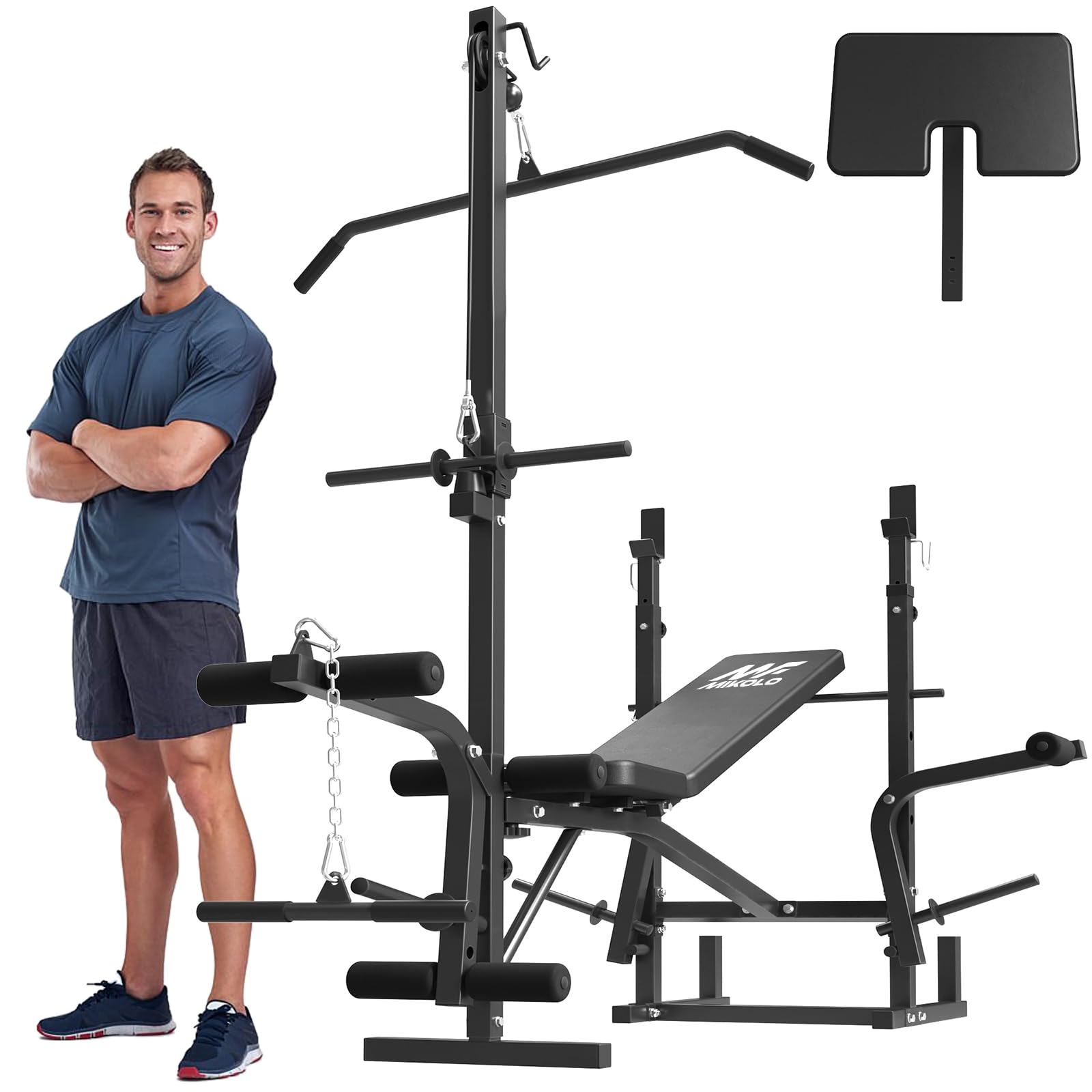
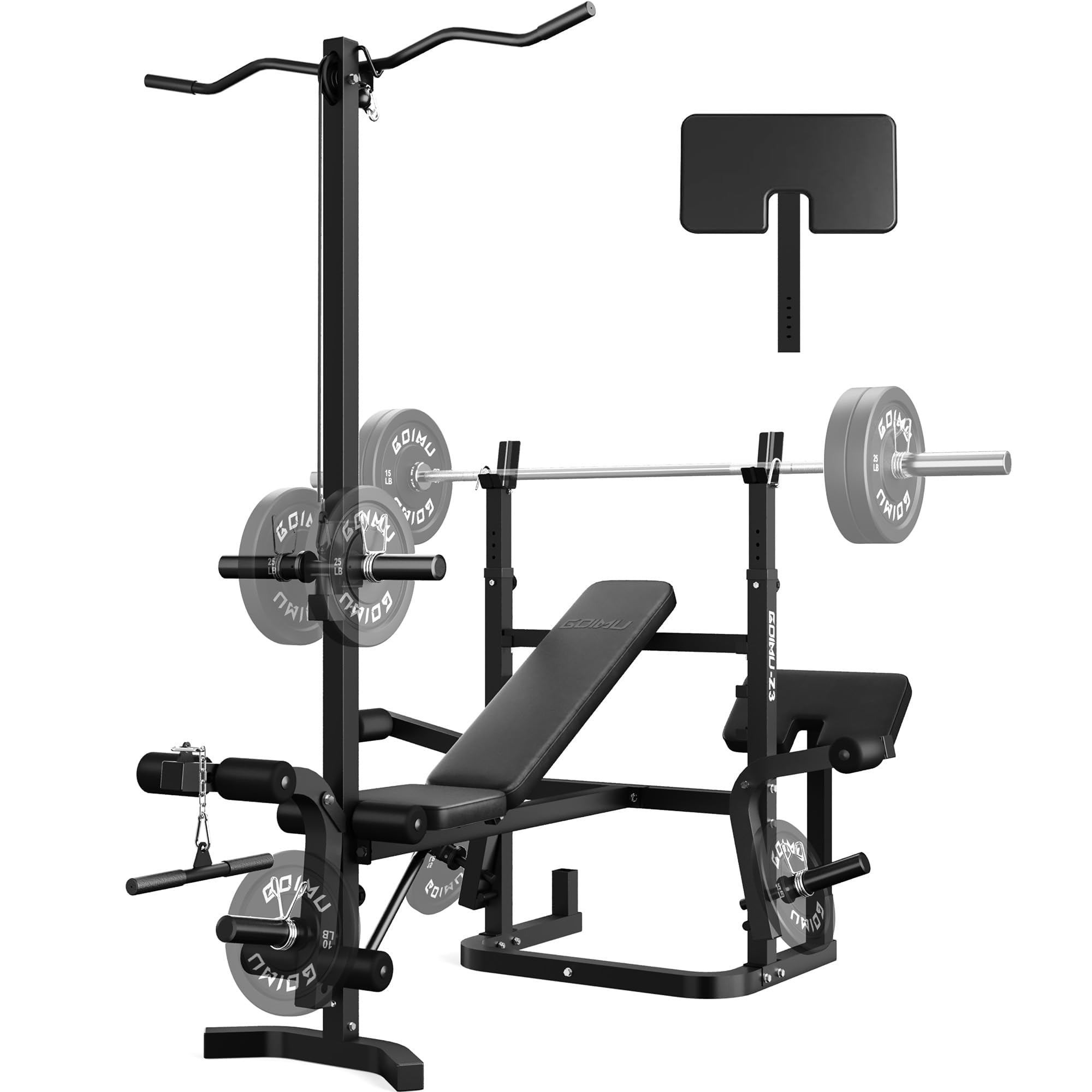
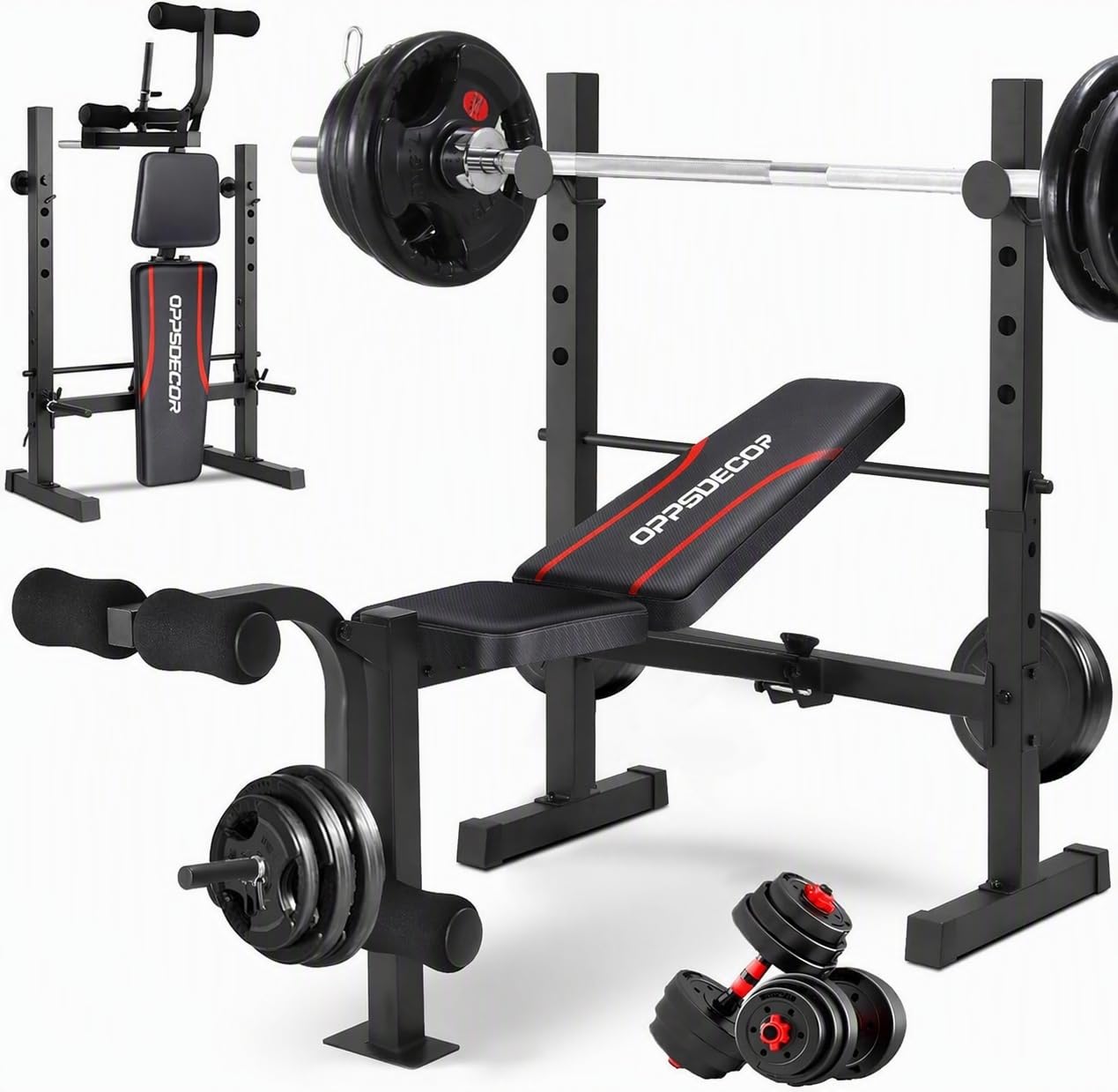

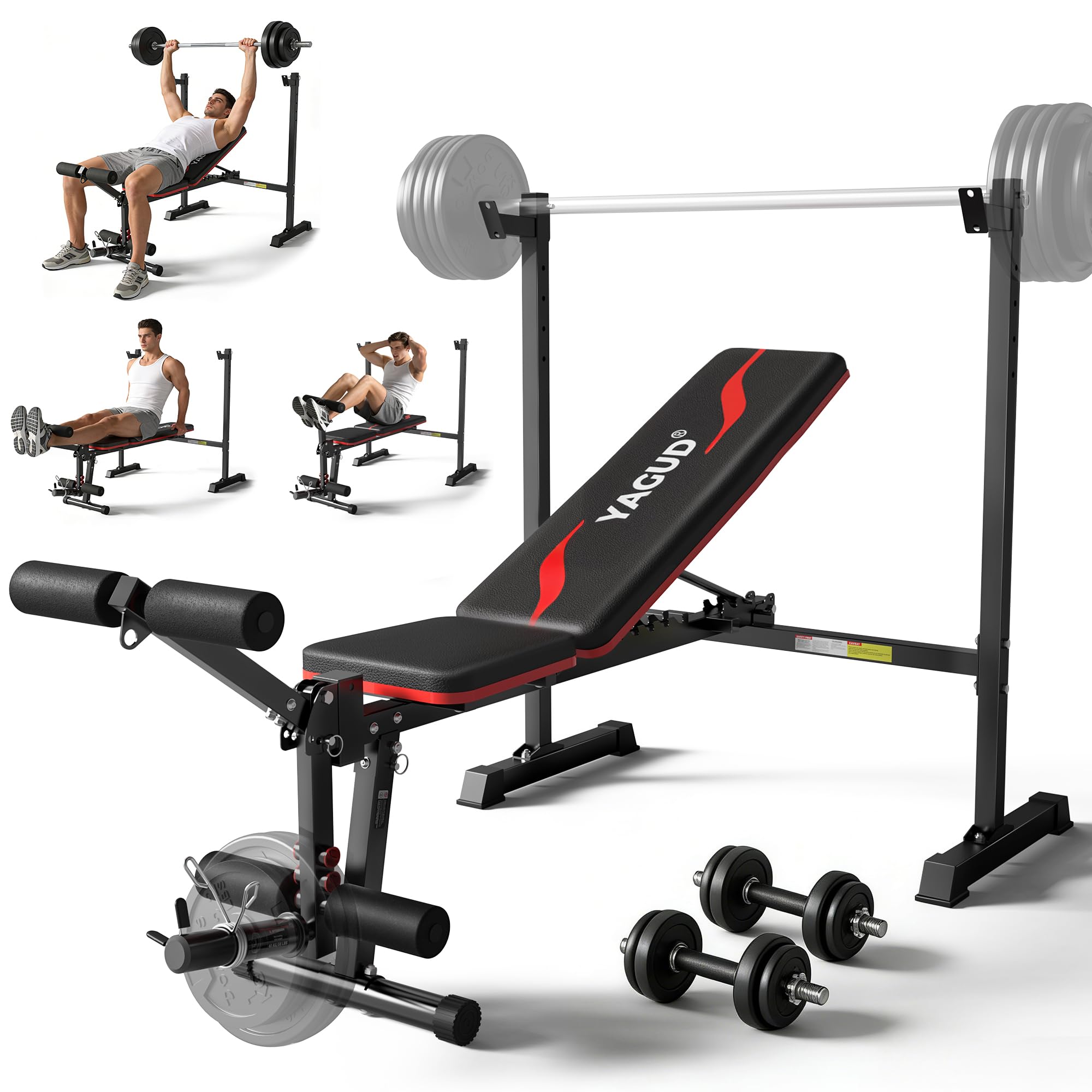
Budget Profiles: What Strong Value Looks Like
Use these three profiles as yardsticks for any set you consider. Each one describes who it suits, what it should include, and the compromise you accept at that spend.
The Budget Profile
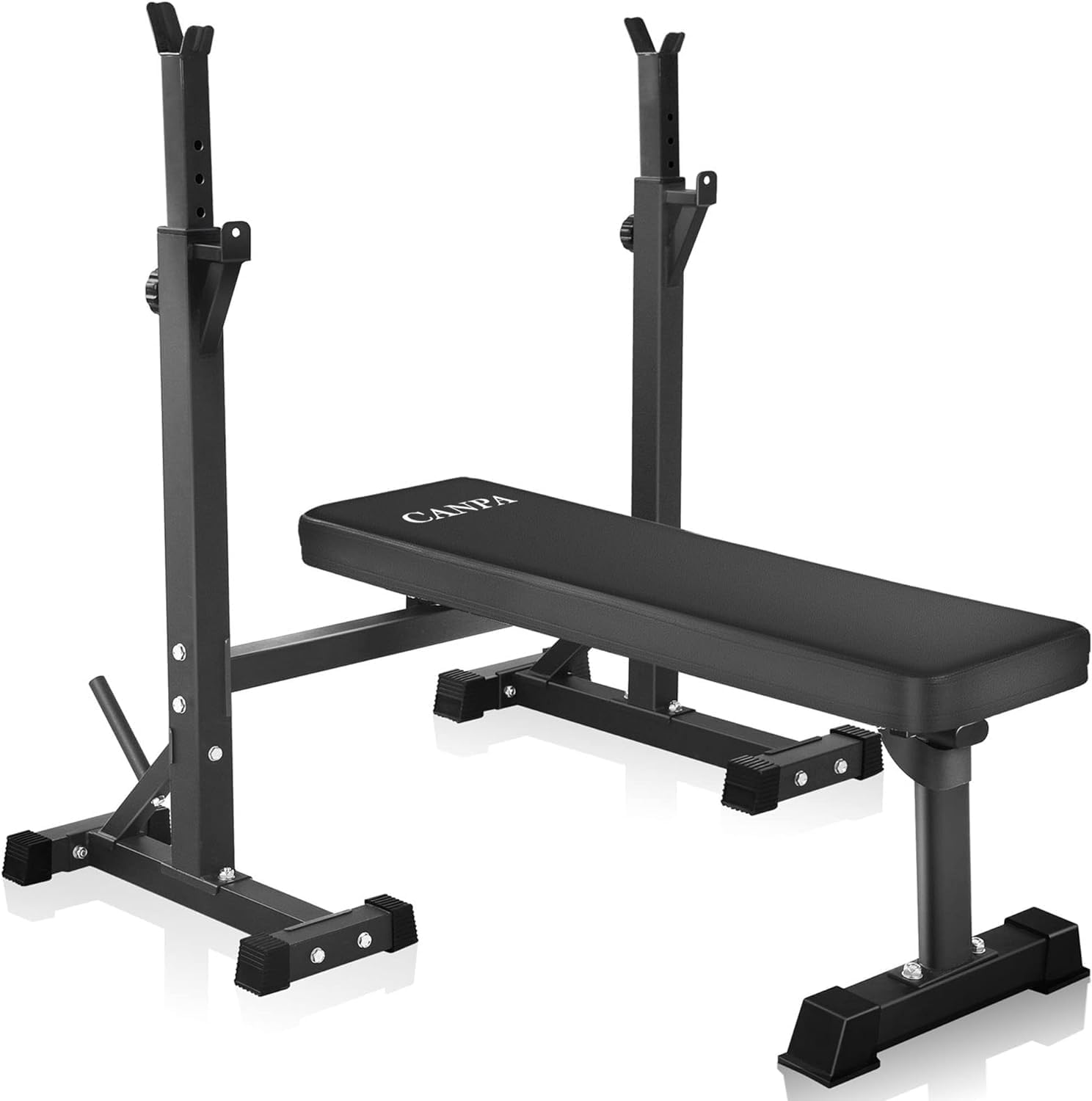
The budget profile, usually around $150 to $300, suits a lifter building a first strength setup with moderate loads. It should still include a rated steel frame, a flat bench with a firm pad, and basic uprights or a simple rack that stays planted. Two strengths to demand are honest capacity numbers and standard plate sizing, since both protect your future spending. The clear limitation is headroom: combined ratings at this level often top out where serious training is just getting started. If your working weights are climbing fast, treat this tier as a short stop, not a destination, and budget for an upgrade path.
The Midrange Profile
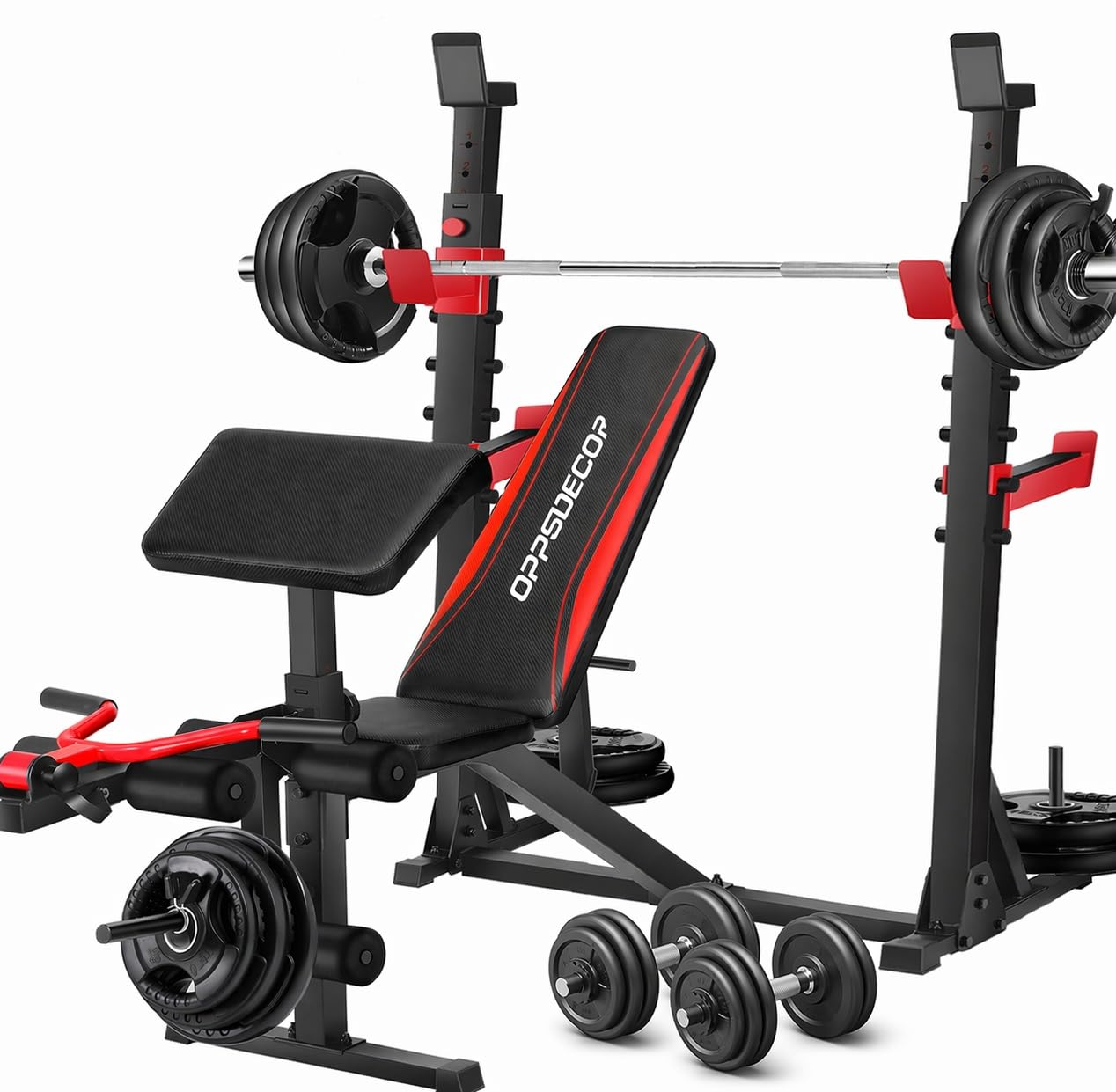
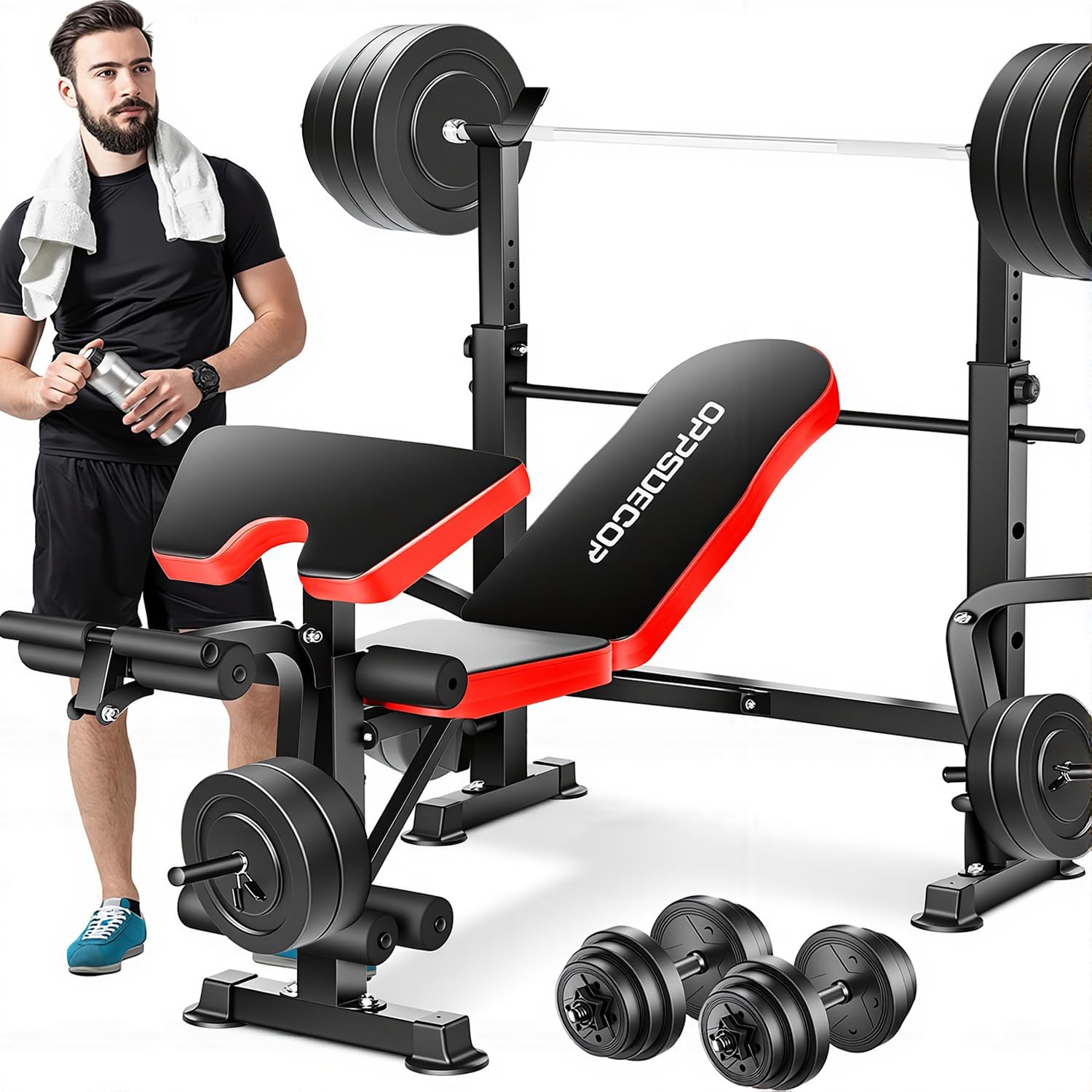
The midrange profile, around $300 to $650, is where most strength buyers should land. Expect thicker tubing, a bench that adjusts to incline and flat positions without wobble, and safety arms rated for real failed reps. This tier usually adds better pad foam, cleaner welds, and a frame warranty of five years or more. The trade off is that attachments like leg developers or preacher pads may be sold separately, which is fine, because they do not make you stronger. For a lifter training three to five days a week, this profile offers the best balance of safety, durability, and total cost over five years.
The Premium Profile
The premium profile, around $650 to $1,200 and up, suits heavy lifters and anyone who wants one purchase to last a decade. Frames use heavy gauge steel, tolerances are tight, and benches feel planted even during maximal attempts. You also get thoughtful details: knurled handles, numbered adjustment holes, and spare parts that are easy to order. Resale value stays strong because experienced buyers recognize the construction. The limitation is honest: past this point, extra money buys refinement rather than extra safety. Buy premium for heavy loads, daily use, and peace of mind, not for status.
What Your Money Gets You at Each Price Tier
Budget Tier: What to Expect
At the budget tier you get the fundamentals and little else. Benches are often flat only or offer two or three back positions, pads are thinner, and frames use lighter steel that demands respect for the stated capacity. Bars bundled at this level may have modest load limits, so check the bar rating separately from the bench rating. This tier fits beginners whose total loads are still modest and growing slowly. If you already press near the rating ceiling, skip this tier entirely, because a set you must replace within a year is the most expensive option of all.
Midrange Tier: The Sweet Spot for Most Buyers
Midrange money buys the features that matter under a heavy bar. Capacity ratings climb, safety arms become standard, and benches gain stable incline settings for accessory pressing. You will also see better bars, often with higher load ratings and more durable sleeves. For most home lifters this is the last tier they need. Spend here first, and add plates gradually as your program demands, rather than stretching to premium for looks alone.
Premium Tier: When Spending More Pays Off
Premium spending pays off in three places: load ceiling, longevity, and feel. Frames shrug off years of heavy sessions, pads keep their firmness, and adjustments stay precise instead of loosening. Competition style benches at this level also hold pad height and width close to federation standards, which matters if you plan to compete. The value case weakens if your training is general fitness rather than strength focused, because you will never use the extra capacity. Judge this tier by your heaviest planned lift, then add margin, and let that number decide.
Features Worth Paying For (and Ones to Skip)
Features That Matter for Strength
Strength training loads a bench in ways casual fitness does not. The frame must resist flex when you drive your feet and unrack a heavy bar, and the pad must stay firm so your shoulders have a stable base. Spotter arms or a rack with safeties are not optional extras at real working weights, because a failed rep without them can pin you under the bar. If you want a wider view of how bench equipment fits a full setup, our guide to the best bench sets walks through general criteria step by step.
Key Performance Specs
The single most important spec is the combined capacity rating: your body weight plus the bar load, with at least twenty percent margin above your best planned attempt. Next, check pad height near seventeen to eighteen inches and a pad width around ten to twelve inches for shoulder support. Bar ratings matter too, since a bundled bar rated far below the bench becomes the weak link. Finally, look at upright spacing and adjustment steps, because small jumps in rack height help you unrack smoothly without shrugging the bar out.
Safety and Certifications
Look for clear safety documentation, not just bold claims. Safeties should lock positively, feet should be wide and capped with rubber, and the maker should state test standards or at least publish honest load testing terms. Train with a spotter when you can, and set safety arms just below chest height so a missed rep settles without crushing you.
Intended Use and Who It Is For
Be specific about your program before you buy. A powerlifting style routine built on heavy singles and triples demands more frame and better safeties than a hypertrophy program built on moderate sets of eight to twelve. Your training partner or household members may use the set too, so size capacity for the strongest user. If two people train together, a bench that one person can move and adjust quickly keeps sessions flowing. Honest answers here prevent the classic mistake of buying a general fitness set for a strength program, then replacing it within a year.
Long Term Costs to Factor In
The set itself is only part of the bill. Plates are the big one: strength progress means buying more iron over time, and standard sized plates keep that cost predictable. Add a floor mat rated for dropped weights, quality collars that will not slip, and chalk or liquid grip if your hands sweat. Replacement pads, pins, and end caps are minor costs every few years, and a longer warranty lowers the risk of a major one. Electricity and fuel costs are not a factor here, which makes strength gear refreshingly cheap to run. Total the five year picture, including the plates you know you will add, before you judge one set cheaper than another.
Bench Sets: Your Questions Answered
What features matter most in bench sets for strength?
Capacity with margin, frame rigidity, and rated safety arms matter most. A firm pad at standard height supports your shoulders and leg drive, while positive locking adjustments keep settings from shifting under load. Everything else, from attachments to finish, ranks below those four. If a listing leads with accessories and buries the capacity number, treat that as your answer about its priorities.
What features matter most when buying bench sets?
Start with fit and honesty: the set must suit your room, your body, and your program, and the maker must publish clear ratings and warranty terms. Then compare pad quality, adjustment range, and plate compatibility. Easy setup matters more than people expect, because a set that assembles cleanly usually fits together precisely in use too. Price comes last, judged against the years you plan to keep the equipment.
How long does a bench set last?
A midrange or premium frame used within its rating can serve ten years or longer. Pads typically need replacement after three to five years of heavy use, and pins and caps wear sooner in busy gyms. Rust is the main enemy in damp garages, so wipe down steel and touch up chips. Sets that are routinely overloaded age fast, developing wobble that no bolt tightening fully cures.
Are expensive bench sets worth it?
They are worth it for heavy, frequent training, where stability and safety margins are used every session. Premium construction also keeps resale value, which softens the real cost if you ever sell. For moderate loads a few days a week, midrange sets deliver nearly the same training experience for far less. Let your heaviest planned lift, not advertising, draw the line.
How do I maintain a bench set?
Wipe the pad and bar after sessions, since sweat corrodes knurling and cracks vinyl over time. Each month, tighten frame bolts, test safety arms under a light load, and inspect welds for hairline cracks. Store plates on pegs or a rack to keep the floor clear and the bench unstressed. A few minutes of care monthly protects both the equipment and the lifter using it.
How much should I spend on a bench set?
Plan around $300 to $650 for a strength focused home setup that will last. Beginners with modest loads can start lower, but should confirm the capacity leaves growing room. Heavy lifters should budget for the premium tier and proper safeties from day one. Remember to reserve money for plates and flooring, because a strong bench on a bare concrete floor with too little iron is an unfinished gym.
The Bottom Line
Buy by tier, not by headline. Set your capacity target, choose safeties you trust, and let budget decide which profile fits, then confirm the details in the product table above. Done that way, the best bench sets for strength for your gym is simply the set whose rating, fit, and warranty match the lifter you are and the loads you plan to chase.