Best Bench Press Sets: How to Choose the Right One for 2026
Disclosure: We may earn a commission when you buy through links on this page, at no extra cost to you. As an Amazon Associate I earn from qualifying purchases. Learn more

Compare bench press sets by bench size, weight capacity, bar fit, and safety features, with setup, storage, and home gym guidance for steady training.
A bench press set bundles a weight bench with a rack, a barbell, or plates so you can press at home without a gym membership. This guide to the best bench press sets explains what to compare, from rack safety to weight capacity, so you choose a setup that fits your room and your training.
Use the product table to see the sets side by side, then read the sections below to learn what each type includes and what to check before you order.

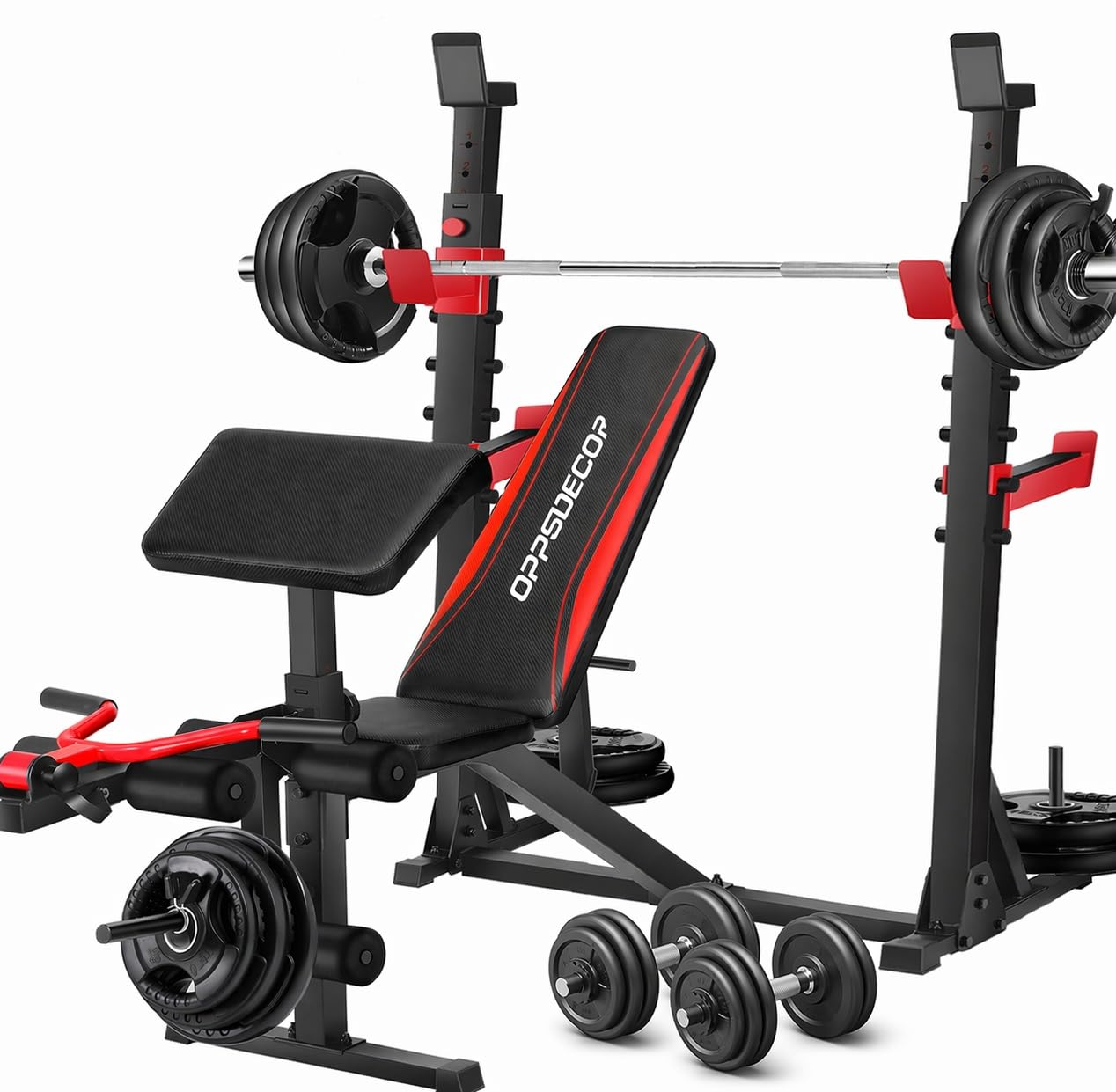

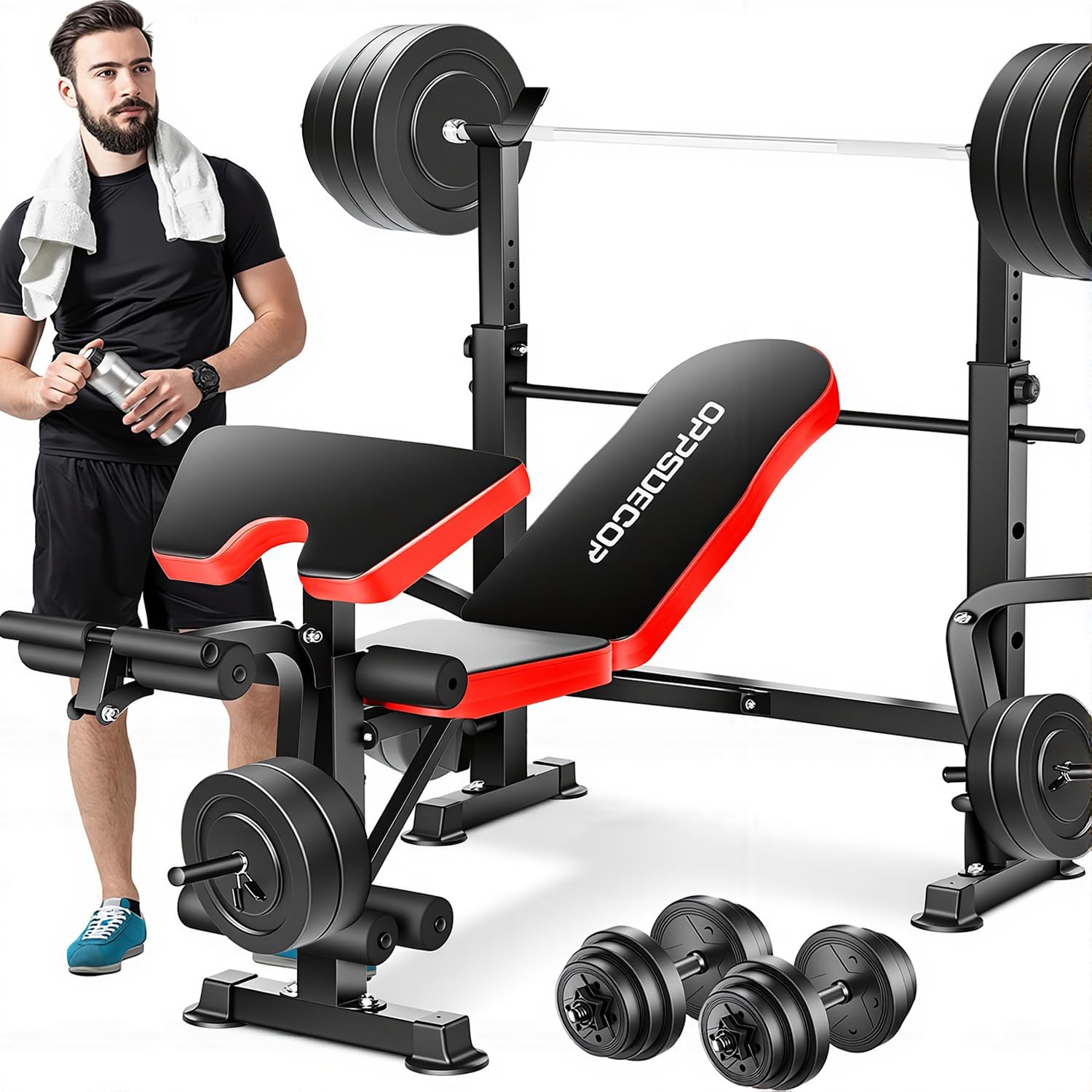
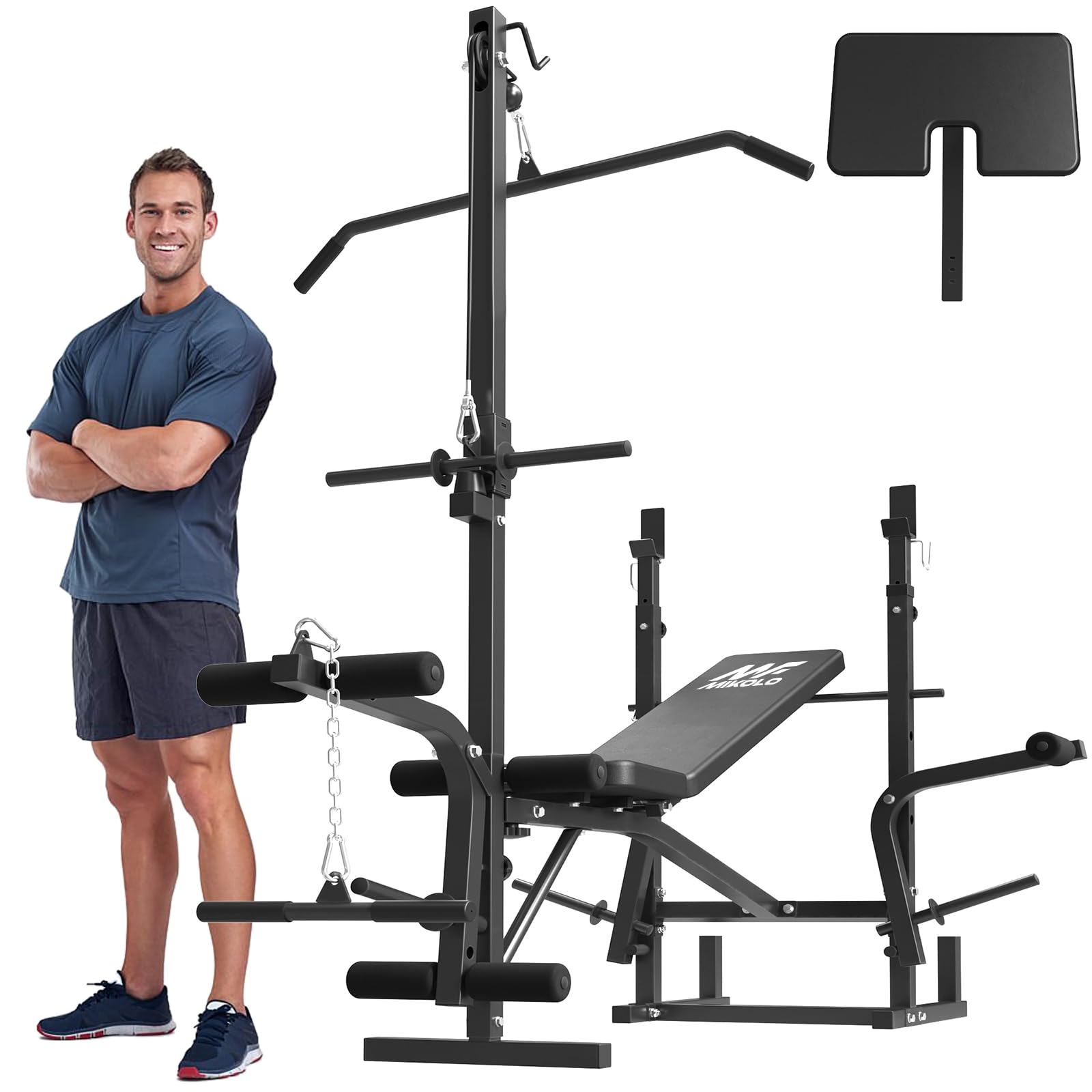


Who Should Buy a Bench Press Set?
A bench press set suits a home lifter who wants a bench, a rack, and sometimes a bar and plates that work together. It also suits a garage gym owner who trains alone and needs safety catches that stop a failed lift.
Think about your room first. A full bench and rack need a flat floor, enough ceiling height for the bar path, and space to load plates from each side without hitting a wall.
Types of Bench Press Sets
Flat Bench Sets
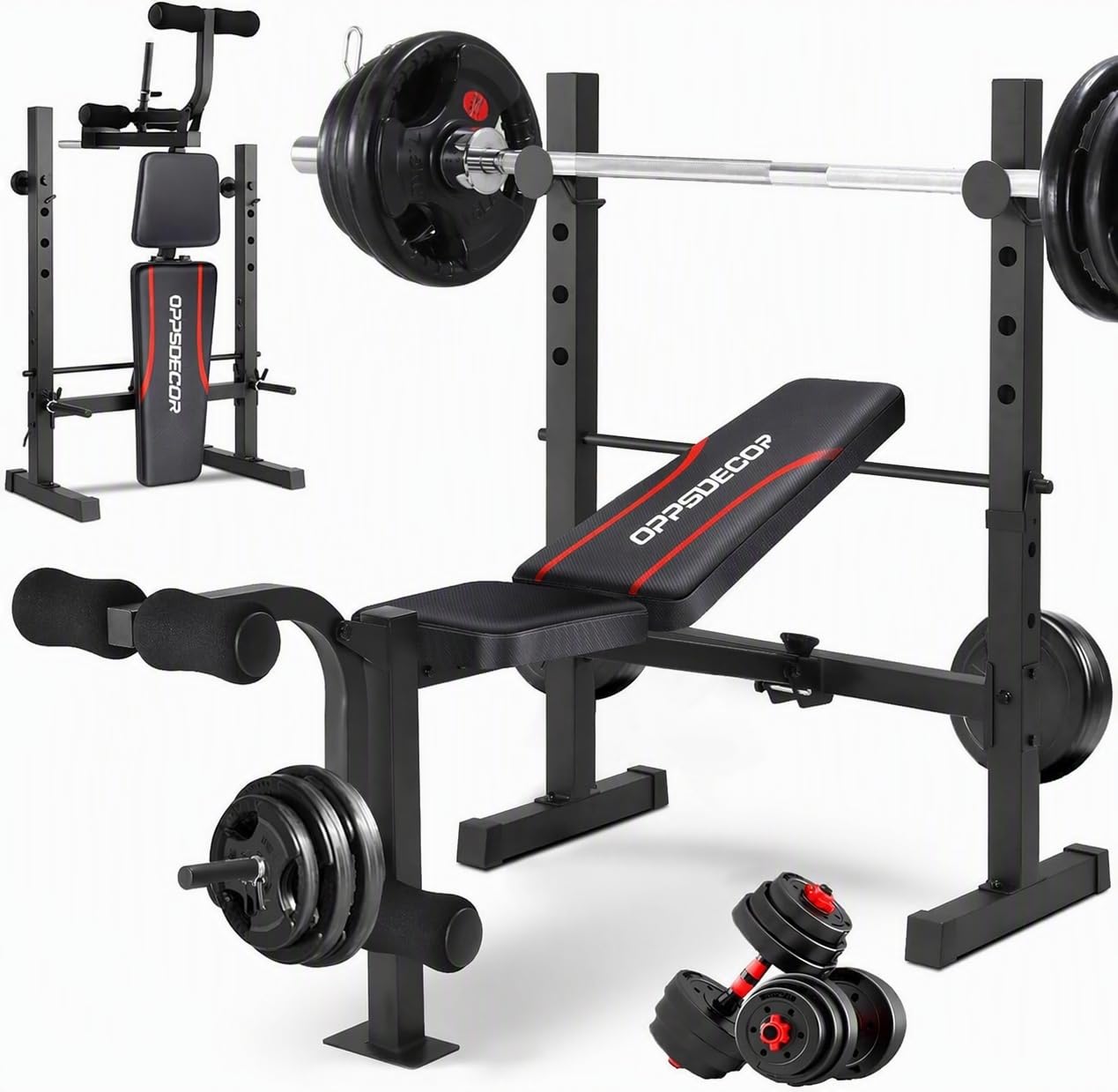
A flat bench set keeps the focus on the classic press. It is simple, stable, and easy to move, and it suits lifters who mainly press flat and want fewer moving parts to check before each session.
Adjustable Bench Sets
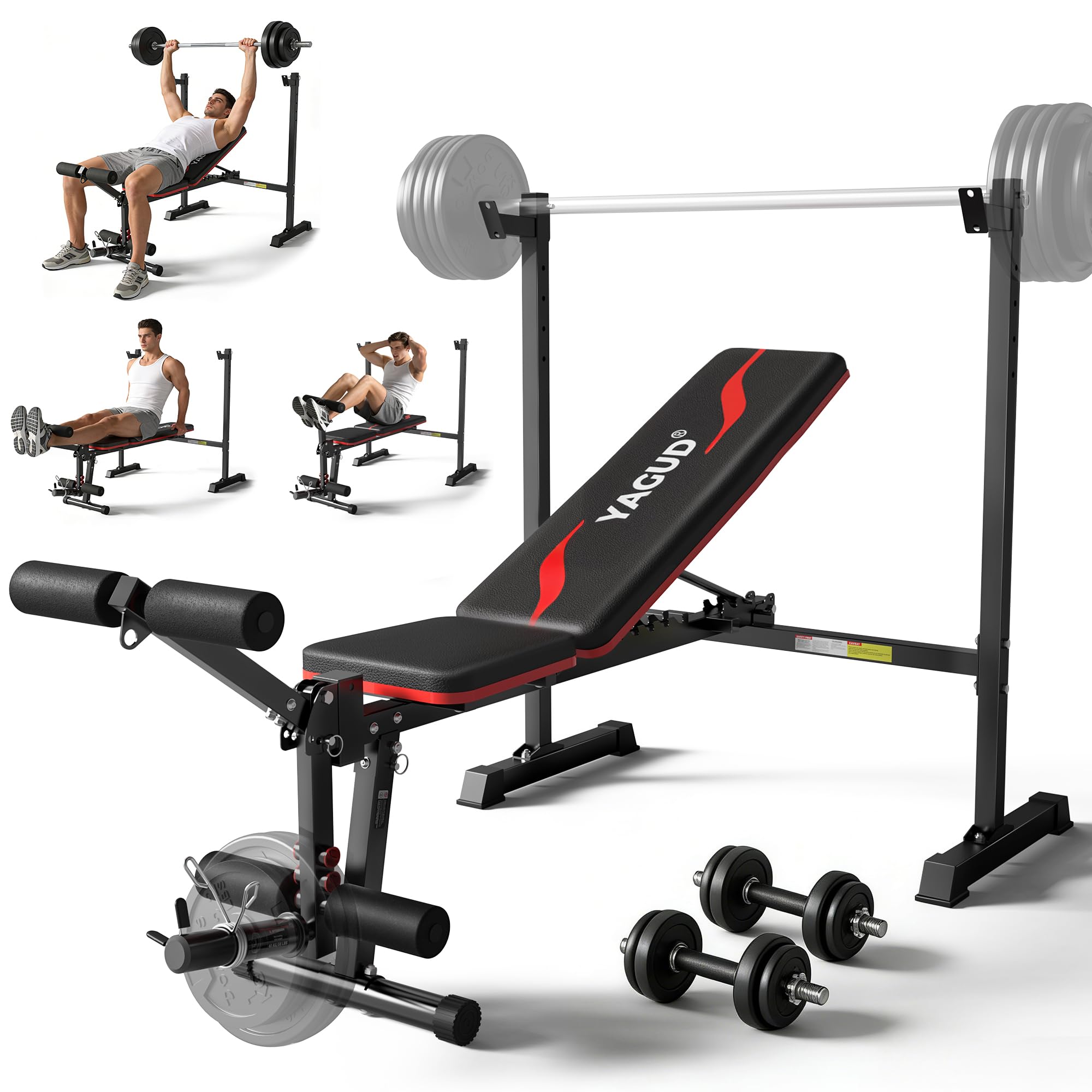
An adjustable bench lets you change the back angle for incline and decline work. It suits a lifter who wants more exercise variety from one bench, but check that the angle locks feel firm and free of wobble.
Multi Function Sets
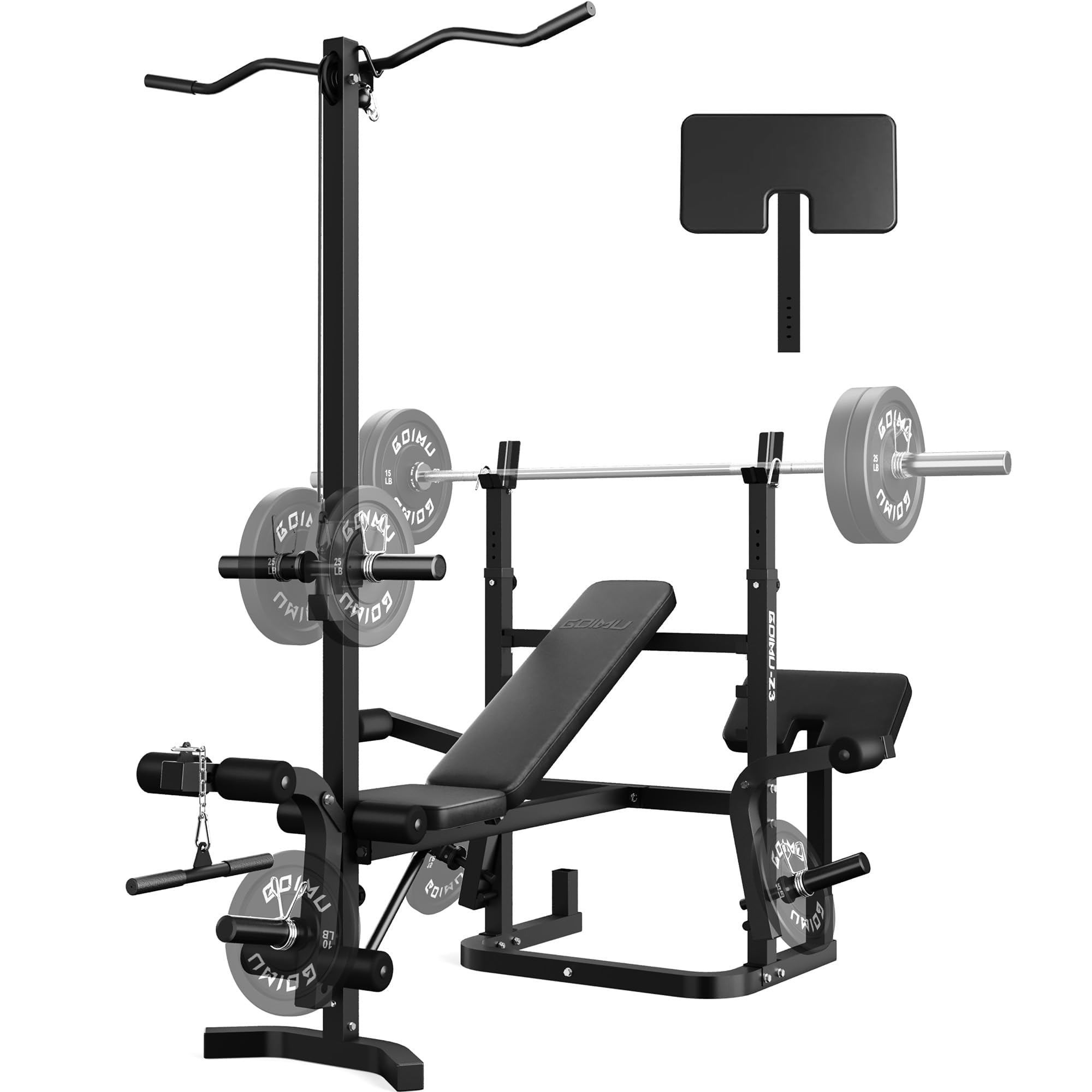
Many sets add a squat rack, leg extension, leg curl, or other attachments. These bundles give more exercises in one footprint, but each added attachment is another part that must be assembled and checked.
Sets With Safety Arms
Safety arms sit just below chest height so a missed rep can rest on them. They matter most if you train alone, and you should test the height with an empty bar before you add weight.
Key Features to Compare
Weight Capacity
Check the bench rating and the rack rating separately, because the lower number sets your safe limit. Leave headroom above your current working weight so the set still suits you as you get stronger.
Bar and Plate Fit
If the set includes plates, confirm the bar sleeve size matches. Olympic sets use 2 inch sleeves, while standard sets use 1 inch sleeves. Use collars to keep plates from shifting.
Stability and Footprint
Wide feet and a firm frame reduce rocking during heavy sets. Measure the bench length and width against your room, and leave space to walk around the bench while you load plates.
Pad Comfort and Fit
Lie on the bench and check that your feet rest flat on the floor and your eyes sit under the bar when it is racked. Your shoulders should stay on the pad through the whole press, and the pad should be wide enough for your arms.
Mistakes to Avoid Before You Order
- Buying the cheapest bench without checking the weight rating or pad length.
- Setting safety arms too low, which leaves no help if a rep stalls.
- Ignoring what is included, since some sets include a bar and plates while others include only a bench.
- Skipping bolt checks after assembly, which lets joints loosen under load.
- Rushing to heavy weight on a new set before learning the bench, rack, and safety arm heights.
Setup and Care Tips
Assemble the set on a level floor, tighten every bolt, and test with an empty bar first. Wipe the pad after sweaty sessions, check bolts and angle locks each month, and store plates on a rack rather than leaning them against a wall. Keep the bar sleeves clean so plates slide smoothly, and replace worn collars before they slip.
Frequently Asked Questions
What should a first time buyer check first?
Check the weight rating, what is included, and the safety features before you look at extras. Make sure the set fits your room and your body.
Do I need an adjustable bench?
Only if you plan to press at incline or decline angles regularly. A flat bench is simpler and often more stable. See our guide to the best weight bench sets for more options.
How much space does a bench press set need?
Allow room for the bench, space to load plates on each side, and room to walk around the ends. Measure the floor, ceiling height, and door width for delivery.
Are safety arms necessary?
They are strongly worth having if you train alone, because they give a missed rep somewhere safe to land. Never rely on rolling the bar down your body as a plan.
How do I keep a bench press set in good shape?
Wipe the pad after use, tighten bolts regularly, and keep plates stored flat or on a rack. Check angle locks for wear. For other combinations, browse our guide to the best bench sets.
Final Thoughts
Choose the set that matches your room, your training, and your capacity needs, then compare your shortlist in the product table above. The best bench press sets are stable, well rated, and easy to set up and store.