Best Beginner Cowboy Boots: A Checklist for 2026
Disclosure: We may earn a commission when you buy through links on this page, at no extra cost to you. As an Amazon Associate I earn from qualifying purchases. Learn more

Use this checklist to compare the best beginner cowboy boots by toe shape, heel height, fit, and leather, with price bands and red flags to avoid.
A first pair of cowboy boots fails in predictable ways: the toe pinches, the heel is taller than the rider expected, or the fit feels wrong because nobody explained what new leather should feel like. This checklist exists so you can judge the best beginner cowboy boots on the points that actually decide comfort, in the order that matters. Work down it before you fall for a color or a stitched pattern.
The comparison table below sets the main beginner friendly classes side by side. After it, the checklist starts with the toe, the factor most first time buyers get wrong, and ends with red flags.


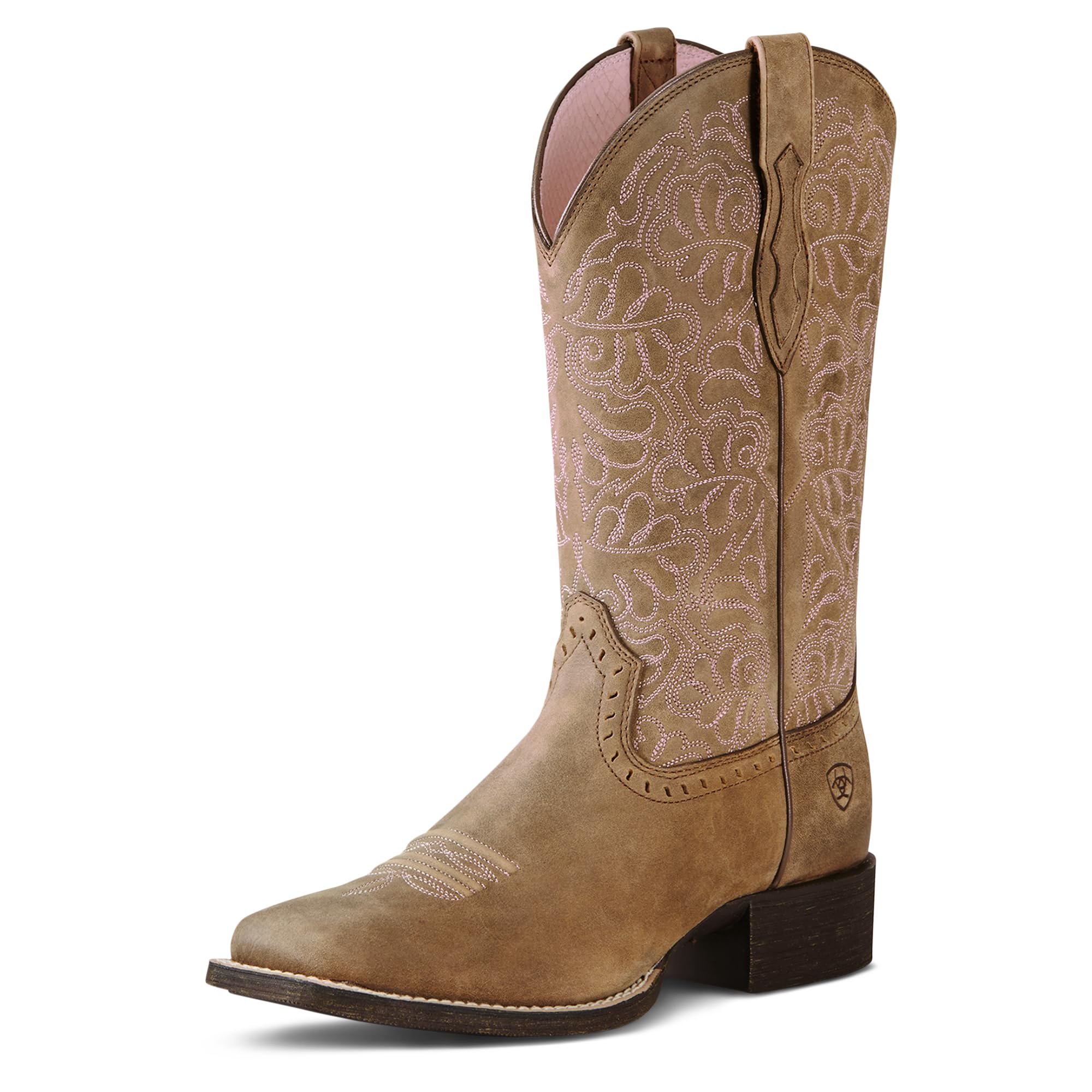


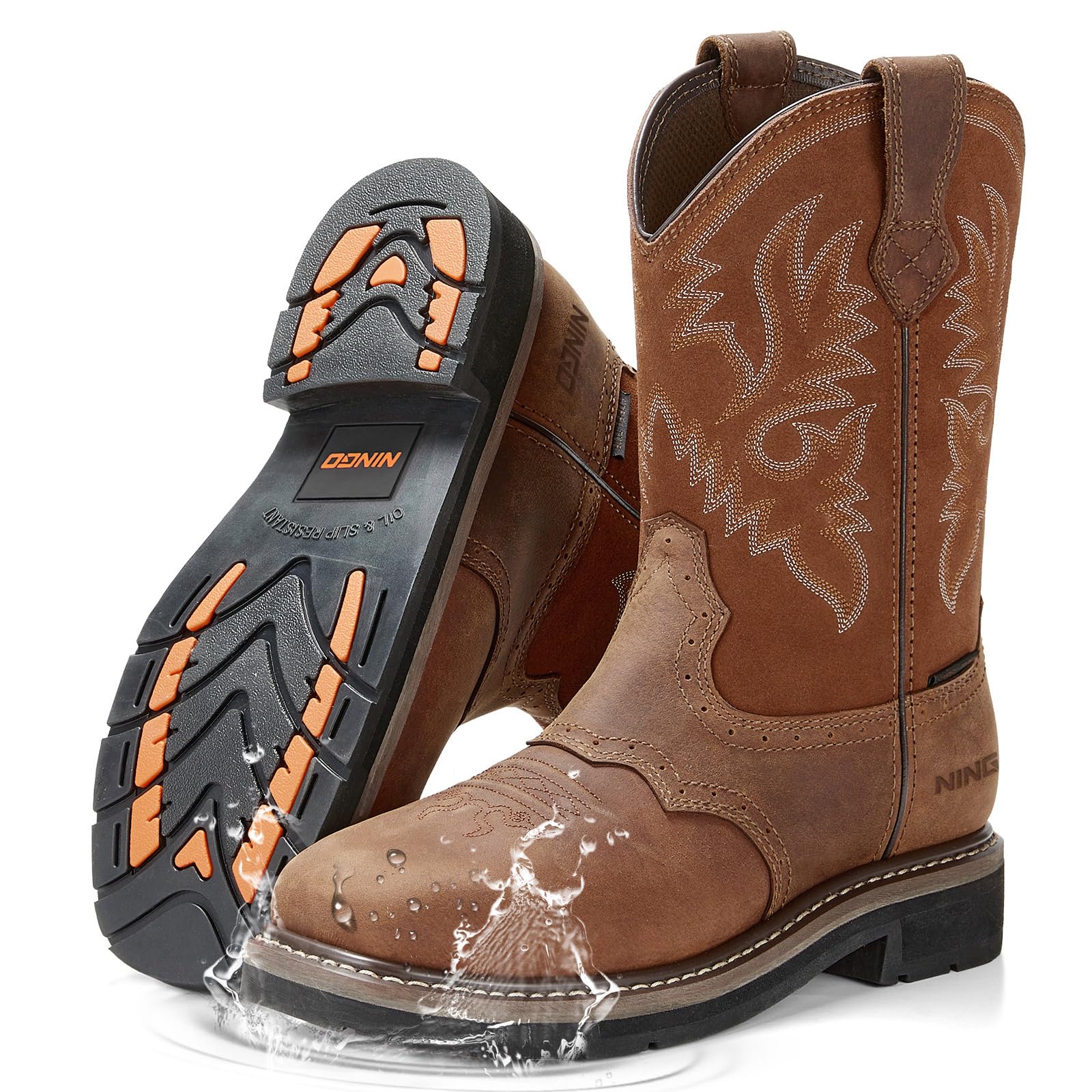
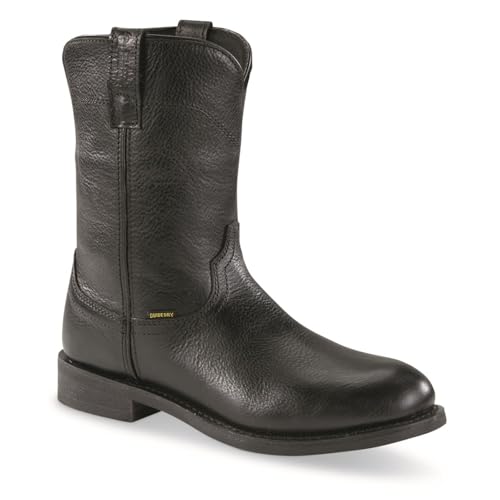


The Beginner Checklist at a Glance
- Toe shape suits your foot width and your plans, with room for toes to lie flat.
- Heel height matches the job, lower for walking and moderate for riding.
- Instep feels snug, the heel slips a little when new, and nothing presses on the toes.
- Shaft height clears your calf without rubbing, and pull straps are sturdy enough to use daily.
- Leather is full grain or a clearly described grade, with stitching that is even and complete.
- The sole matches your ground, smooth leather for stirrups or lugged rubber for yards and streets.
- The seller states a return window long enough for indoor break in wear.
Shoppers can also compare best beginner boots across other styles, but the toe, heel, and slip checks below are specific to the cowboy pattern.
Check One: Toe Shape Comes First
Toe shape governs the beginner experience more than any other single choice, so read the toe as a shape class before you think about decoration. The classic pointed toe looks traditional but leaves the least room, and new wearers often size up to escape the squeeze, ending with a boot that is too long. A round toe gives a friendlier fit for daily wear, and a broad square toe gives wide feet the most space of all. For a first pair, round or square shapes forgive the most mistakes.
Your toes should lie flat and be able to move slightly, never stacked or curled. Standing, you should feel the end of the boot about a thumb width past your longest toe. If the sides of your forefoot bulge against the leather, the shape is wrong for your foot even when the length is right.
Check Two: Heel Height and Heel Shape
Read the heel details slowly, because the heel class decides whether the boot is built mainly for the stirrup or for the ground. A riding heel runs about 1 to 1.5 inches tall and is angled, which helps keep a foot from sliding through a stirrup. A walking heel is shorter and broader in feel, while tall fashion heels climb to about 2 inches or more and trade stability for looks. Beginners who plan to walk more than they ride should stay at the lower end.
Heel shape matters as well as height. An underslung heel sits angled under the boot and suits riding, while a straighter heel plants more firmly for walking on hard floors. If you will do barn work, remember that a very smooth leather sole is a riding tool, not a yard tool, and it will skate on concrete.
Check Three: Fit, Heel Slip, and the Break In Period
Fit is best read as a slip class, which surprises people coming from lace up shoes. A new boot should grip across the instep so your foot does not slide forward, while the heel lifts noticeably with each step. That heel slip is normal in a stiff new sole and shrinks as the sole bends and the leather molds, usually over the first few weeks of regular wear. What should never be present is toe pressure, pinching across the ball of the foot, or a heel that slams rather than lifts.
Try boots late in the day, when your feet are at their largest, and wear the socks you plan to use. Women sizing a first pair will find that best ladies cowboy boots are lasted on a narrower heel and a different instep than unisex shapes, which often fixes the loose heel problem. Men comparing cuts and shaft heights across makers can narrow the field with best cowboy boots for men before settling on a toe shape. Either way, walk on carpet for a good ten minutes before deciding.
Check Four: Shaft, Pull Straps, and Getting Them On and Off
A classic shaft stands about 11 to 13 inches tall and should clear the widest part of your calf without a fight. Pull straps are not decoration: they take your full weight in effort every morning, so check that they are stitched through and not glued. A boot jack by the door saves the straps and the heel lining.
Check Five: Leather, Stitching, and Soles
Full grain leather is the class to favor for a first serious pair, because it molds to the foot and can be conditioned back to life for years. Lower priced boots may use corrected or split leather, which starts stiffer and ages faster at the creases. Compare against best quality cowboy boots to learn the stitching and lining standards worth copying at any budget. Whatever the price, run a thumb along the seams: skipped stitches and loose threads at the shaft top are early warnings.
Soles divide into two honest classes. A smooth leather sole slides in and out of a stirrup cleanly and suits riders, but it is slippery on wet pavement and wears quickly on gravel. A rubber sole with shallow lugs grips yards, streets, and wet grass, and is the kinder choice for beginners who will mostly walk. Pick the sole for your ground, not for the photograph.
What Your Money Gets You
Prices for the best beginner cowboy boots divide into three honest bands. Entry level pairs at about $80 to $130 cover casual wear and light riding with serviceable leather and simpler linings. The middle band at about $130 to $220 is where full grain leather, better insoles, and cleaner stitching usually appear, and it is the sensible target for a first pair you plan to keep.
Above about $220 to $300 you pay for finer leathers and hand finishing rather than extra beginner comfort. Line your shortlist up against the product table above and spend the difference on fit, not decoration.
Red Flags to Watch For
- A size chart with no width options, which suggests the maker is guessing at fit.
- Leather described only with vague words and no grade, finish, or lining details.
- A return window shorter than the indoor break in period the seller recommends.
- Heel and shaft measurements missing from the listing, so you cannot compare classes.
- Reviews that praise the look but repeat complaints about the same seam failing.
Care and Maintenance
Condition the leather every few months, or whenever it looks dry and pale at the creases, and let wet boots air dry slowly away from radiators and direct heat. Cedar boot trees hold the shape and draw moisture after long days. Resting a pair a full day between wears doubles lining life, so a cheap second pair for muddy jobs is worth having.
Cowboy Boots: Questions Answered
How long does the break in period take for cowboy boots?
Most beginners find the boots settle after about one to two weeks of short daily wear. Start with an hour or two around the house rather than a long event in a new pair. The heel slip fades as the sole gains its bend, and the instep softens as the leather molds. If sharp pain remains after two weeks of gradual wear, the size or shape is wrong and more time will not fix it.
Are square toe cowboy boots better for beginners than pointed toes?
For wide feet or long days of walking, yes, the square toe is usually the easier first shape because it leaves room for toes to spread. Pointed and snip toes suit narrower feet and a more traditional look, but they punish a sizing guess faster. Toe shape and size interact: a pointed toe often needs a touch more length to give the same internal room. Choose the shape by your foot first and by the photograph second.
Do beginners need waterproof cowboy boots?
Only if your routine includes wet grass, mud, or washing down stalls, because a waterproof membrane adds warmth and a little stiffness that dry weather wearers never benefit from. For town and dry arena use, plain leather with regular conditioning shrugs off light splashes on its own. Membranes eventually wear out at flex points, while well kept leather can be reconditioned for years. Match the feature to the ground you actually cross, not the worst day you can imagine.
How should cowboy boots fit in the store?
The instep should feel snug, almost tight, the heel should lift with each step, and the toes should rest flat with a thumb width of space at the front. Shop late in the day and bring your usual boot socks, because a morning fitting on thin socks flatters almost every pair. Walk on a hard floor too, since sole stiffness shows up there. If the seller cannot explain heel slip, treat that as a sign to shop elsewhere.
How much should a first pair of cowboy boots cost?
A sensible first budget sits in the middle band, about $130 to $220, where full grain leather and decent construction become common. Cheaper pairs can serve for occasional wear, but thin linings and corrected leather usually shorten their useful life. Think in cost per wear: a pair worn twice a week for three years repays its price far faster than a bargain pair that hurts and stays in the closet. Spend on toe shape and fit first; let decoration wait for the second pair.
Final Thoughts on Beginner Cowboy Boots
Run the checklist in order: toe shape for your foot, heel height for your ground, and a fit that grips the instep while the heel lifts. Compare your finalists with the product table above, stay in the middle price band, and give the winner two patient weeks of short wears. Chosen that way, the best beginner cowboy boots stop feeling like a costume and start feeling like your own boots.