Best Bedroom Comforter Sets: A Complete Buying Guide for 2026
Disclosure: We may earn a commission when you buy through links on this page, at no extra cost to you. As an Amazon Associate I earn from qualifying purchases. Learn more
Use this buying guide to compare the best bedroom comforter sets by fill, warmth, size, and care, so you can choose a set that fits your bed and budget.
A comforter set should solve three problems at once: keep you at the right temperature, make the bed look finished, and survive regular washing. Sets bundle the comforter with shams and sometimes sheets or decorative pieces, so value depends on what is actually in the bag. This guide walks through the best bedroom comforter sets by criteria rather than hype, so you can judge any set in minutes.
Start with the comparison table below for sizes and price ranges. Then use the buying guide sections to check fill, warmth, and care against your sleep habits before you fall for a color.

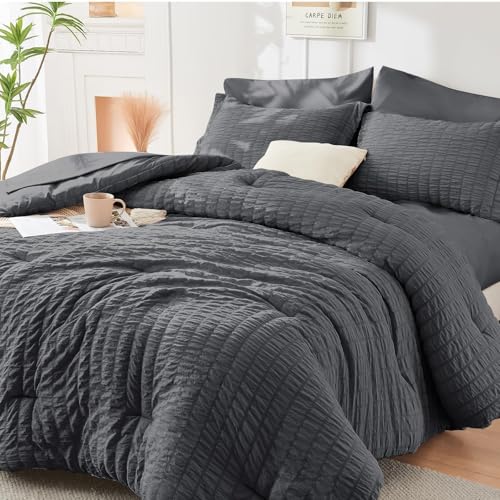
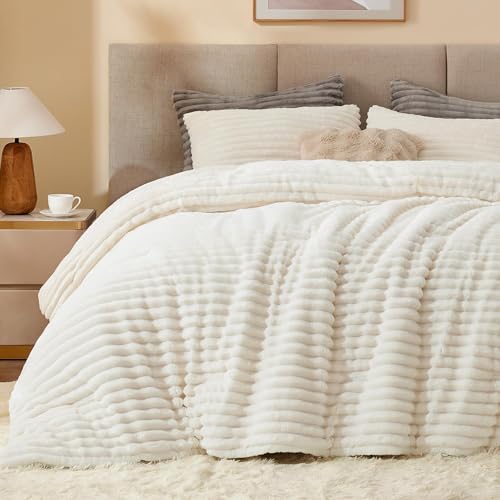

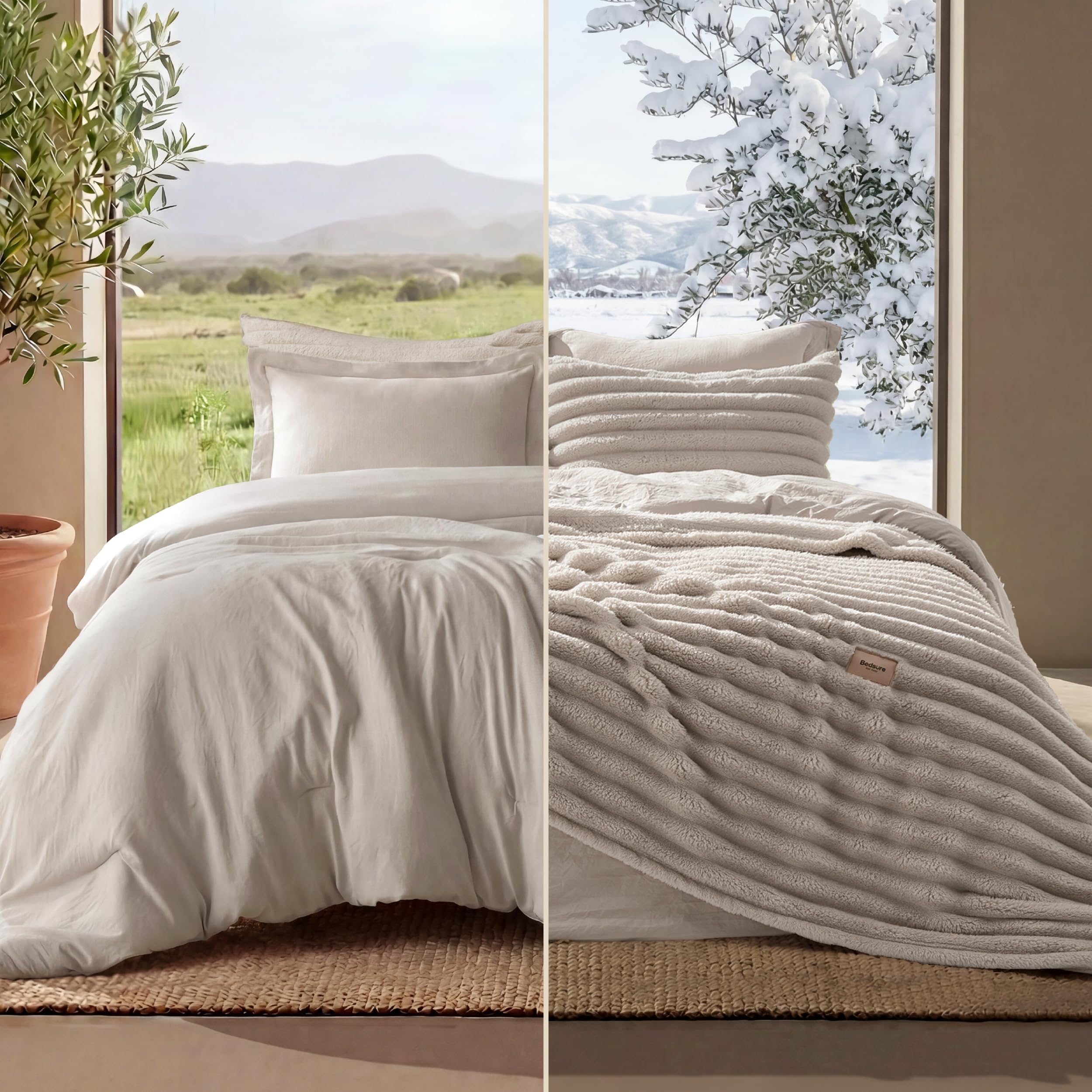


What a Strong Set Looks Like at a Glance
A Well Rounded Mid Priced Set
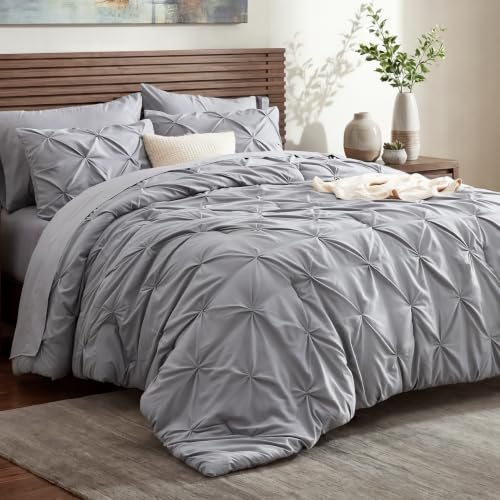
A well rounded set pairs a medium warmth comforter with a shell that breathes, stitching that keeps the fill evenly spread, and shams that match without feeling scratchy. It should come in true bed sizes with enough drop on each side to cover the mattress and topper. Expect this tier around $70 to $150 depending on size. The tell of quality is consistency: even loft corner to corner, clean seams, and a care label that allows normal machine washing.
A Good Value Set
Value sets, often around $40 to $80, usually choose microfiber or a down alternative fill to keep the price down while staying soft and easy to wash. The smart ones keep construction simple rather than cheap: boxed stitching, decent fill weight for the stated season, and colors that hide minor fading. What you give up is usually breathability and long term loft, not basic comfort. For a guest room or a first apartment, that trade is often exactly right.
An Upgrade Set
Upgrade sets, often around $150 to $300 or more, spend the extra money on natural shells such as cotton or linen, higher grade down or premium down alternative fill, and extras like oversized dimensions and matching sheets in better fabric. The comforter drapes more fluidly, breathes better in warm weather, and keeps its loft through more washes. This tier makes sense for a primary bedroom used every night, where small comfort gains repeat hundreds of times a year.
How to Choose a Comforter Set: Buying Guide
Work through the checks below in order, because fill and warmth decide comfort, while size and care decide whether the set stays in your life. Shoppers hunting the best bedroom comforter sets for a primary bed should be pickier about shell fabric than about the number of decorative pieces included.
Material and Fill
Down fill gives the most warmth for the least weight and a fluid drape, but it costs more, needs gentler care, and does not suit people who avoid animal products. Down alternative fills, usually polyester, cost less, wash easily, and feel plush, though they sleep warmer and can clump sooner. Shell fabric matters just as much: cotton percale feels crisp and breathes, sateen feels smoother with a slight sheen, linen breathes best but wrinkles freely, and microfiber feels soft while trapping more heat.
Durability and Care
Most sets will be washed often, so machine washable construction is a practical requirement, not a bonus. Check that your washer can handle the size, because an overstuffed drum cleans poorly and stresses seams. Baffle box or well spaced stitching keeps fill from migrating into corners. Read the drying instructions too: some fills need long, low heat cycles with dryer balls to restore loft, and a set you cannot dry properly will slowly flatten no matter how good it felt new.
Loft and Sleep Position
Loft is how thick and lofty the comforter sits, and it tracks warmth. Side sleepers often like a higher loft that fills the space around the shoulders, while back and stomach sleepers usually sleep cooler under a flatter, lighter comforter that does not push heat back at them. Body size plays a role too, since larger sleepers tend to run warmer. When a listing gives a fill weight or a GSM number, compare it across sets in the same size for a fair read on warmth.
Even Warmth and Noise
For shared beds, the goal is warmth that stays even when one person rolls and pulls. Generous sizing is the simplest fix, because extra width gives each sleeper coverage without a nightly tug of war. Fill that shifts creates cold spots, so construction quality matters more for couples than for solo sleepers. Also consider rustle: crisp cotton shells make a light sound when you move, while microfiber and sateen stay quieter, which light sleepers may prefer.
Weight and Drape
A comforter should drape over the body and the bed edges rather than stand stiffly or slide off. Very light fills can feel floaty and shift during the night, while very heavy fills can press on feet and feel tiring to rearrange each morning. If you like a tucked, tidy look, choose a set with enough drop to reach past the mattress sides. People who make the bed daily tend to prefer medium weight sets that shake into place in seconds.
Cooling and Breathability
Hot sleepers should start with the shell, because a breathable cotton or linen shell releases heat that a microfiber shell holds in. Fill choice comes second: down breathes better than most synthetic fills at the same warmth, and summer weight versions of either cut the insulation further. Thread count is a minor factor here and a high count can actually reduce airflow in a tightly woven shell. If you sleep hot as a couple, our guide to the best bed comforter sets covers more warm weather configurations.
Size and Fit
Buy for your mattress plus its topper and the drop you want, not the label alone. Queen comforters vary widely in width, and a narrow one leaves the blanket beneath exposed on both sides. King sets on a queen bed are a common trick for couples who want extra coverage. Measure the mattress width, add twice the drop you want, and compare with the listed comforter width. Shoppers furnishing the whole room at once can start with our overview of the best bedroom sets to coordinate sizes across pieces.
Types of Comforter Sets
Microfiber and Synthetic Sets
Microfiber sets are the budget friendly default: soft, light, wrinkle resistant, and easy to wash, with colors that stay bright. They suit guest rooms, kids beds, dorms, and anyone who changes bedding styles often. The limits are heat retention and a shorter lifespan, since the fill can flatten and the surface can pill after heavy use.
Cotton Sets in Percale and Sateen
Cotton sets split into percale, a plain weave that feels crisp and matte, and sateen, a smoother weave with a gentle sheen that drapes more closely. Both breathe far better than microfiber and feel more substantial on the bed. They cost more and wrinkle more, but for nightly use in a warm or moderate climate, cotton is the shell most sleepers stay happiest with over years.
Down and Down Alternative Sets
Down sets are the premium warmth option, light yet insulating, with a drape that synthetic fills imitate with mixed success. Down alternative sets trade a little breathability for lower cost, easier washing, and no animal products. Either can work beautifully; the deciding factors are your warmth needs, your care routine, and whether anyone in the bed has sensitivities that a clinician has linked to a particular fill.
Comforter Sets for Specific Needs
Best Couples Bedroom Comforter Sets
The best couples bedroom comforter sets solve a sharing problem before a style problem. Look for an oversized width so both sleepers keep coverage, a medium warmth level that the hotter sleeper can tolerate, and a shell quiet enough for a light sleeper. Some couples do better with a lighter comforter plus individual throw layers on each side. If partners disagree sharply on warmth, two smaller comforters in matching covers, a common European habit, ends the tug of war entirely. Couples watching the total room budget can compare value focused room bundles in our guide to the best affordable bedroom sets.
Care and Maintenance Tips
- Wash the comforter in the largest machine available, with mild detergent and an extra rinse, so fill dries clean and loft returns.
- Dry on low heat in intervals, removing and shaking the comforter between cycles to break up clumps and spread fill evenly.
- Use a duvet cover over the comforter if you want to wash the outer layer weekly without wearing out the fill.
- Air the comforter outdoors on dry days to release moisture and odors between washes.
- Store a clean, fully dry comforter loosely in a breathable bag, never compressed in plastic, so the fill keeps its loft.
- Rotate the comforter end to end each time you change the sheets, because foot end compression wears faster than the top.
Shoppers who prefer a coordinated splurge can also browse our guide to the best luxury comforter sets for what higher budgets add in shell fabric and fill quality, and our notes on the best quality comforter sets explain the stitching and finishing details worth checking in person.
Frequently Asked Questions
What comforter weight is best if I have back pain?
A light to medium weight comforter suits most people with back pain, because very heavy bedding can restrict turning and press on the feet, which some sleepers find aggravating. The mattress and pillow do far more for back comfort than the comforter does. If pain persists, wakes you at night, or comes with numbness, see a doctor rather than changing bedding in search of a cure.
How often should I replace my bedroom comforter set?
Plan on five to ten years for a well made set, and less for budget microfiber used nightly. Replace it when the fill stays clumped after proper drying, the shell thins or tears at the seams, or odors return soon after washing. Shams and decorative pieces often wear out first, which is cosmetic rather than a reason to replace a comforter that still insulates evenly.
Is a higher thread count always better in a comforter set?
No. Thread count describes the shell weave density, and beyond a moderate range it adds little softness while sometimes reducing breathability. Fiber quality and weave type shape the feel more: a mid count long staple cotton percale usually feels better than a very high count made from short fibers. For the comforter itself, fill quality and stitching matter more than any shell number on the package.
How do I wash bedroom comforter sets safely?
Use a large capacity machine, a gentle cycle, and mild detergent, then rinse twice so no residue stays in the fill. Dry on low heat in stages, shaking the comforter between cycles, and confirm it is completely dry before use or storage to prevent mildew. Down sets may need extra drying time and benefit from clean dryer balls that help restore loft and break up damp clusters.
Are cooling bedroom comforter sets worth it for hot sleepers?
Yes, if the set pairs a breathable natural shell with a summer weight fill, because that combination releases heat instead of storing it around your body. A set marketed as cooling but built from microfiber with a heavy fill will disappoint. Check the fill weight and shell fiber before the marketing words, and pair the set with breathable sheets for the full effect on warm nights.
The Bottom Line
Judge any set by fill and shell first, true dimensions second, and washability third, and you will rarely go wrong. The extras in the bag are a bonus, not the reason to buy. Compare the finalists in the product table above, and remember that the best bedroom comforter sets for your home are the ones whose warmth matches your sleep, night after night.