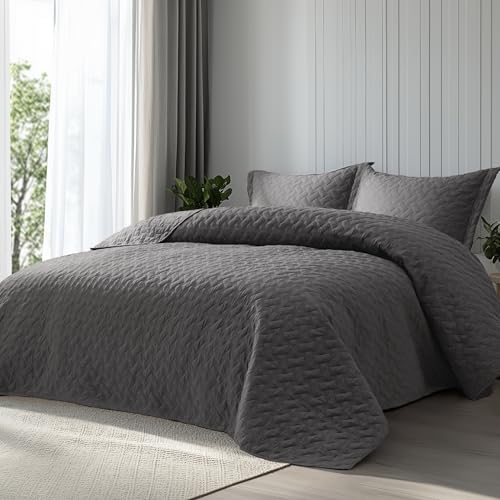
Best Bedding Blankets: Every Type Explained Side by Side for 2026
Disclosure: We may earn a commission when you buy through links on this page, at no extra cost to you. As an Amazon Associate I earn from qualifying purchases. Learn more
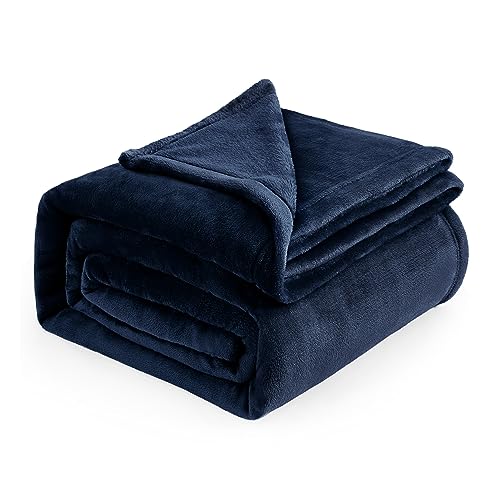
The best bedding blankets compared by fabric, warmth and care, with pros and cons, ideal users and price ranges for every type.
Blanket listings blur together fast. Cotton, wool, fleece, and cooling fabrics all promise better sleep, yet they behave very differently on a real bed. This guide compares the best bedding blankets type by type, so you can match warmth, weight, and care to the way you actually sleep.
Start with the product table for a quick scan of sizes and price ranges. Then use the sections that follow to narrow in on the one type that fits your bedroom, your climate, and your laundry habits.



Types of Bedding Blankets Compared
Four broad families cover nearly every blanket you will see. Cotton is the breathable all season default, wool is the natural temperature regulator, fleece and microfiber deliver softness at low prices, and cooling fabrics target hot sleepers. Price alone tells you little, because a thin summer layer and a heavy winter blanket solve opposite problems. Read the trade offs for each type before you compare colors.
Cotton Blankets
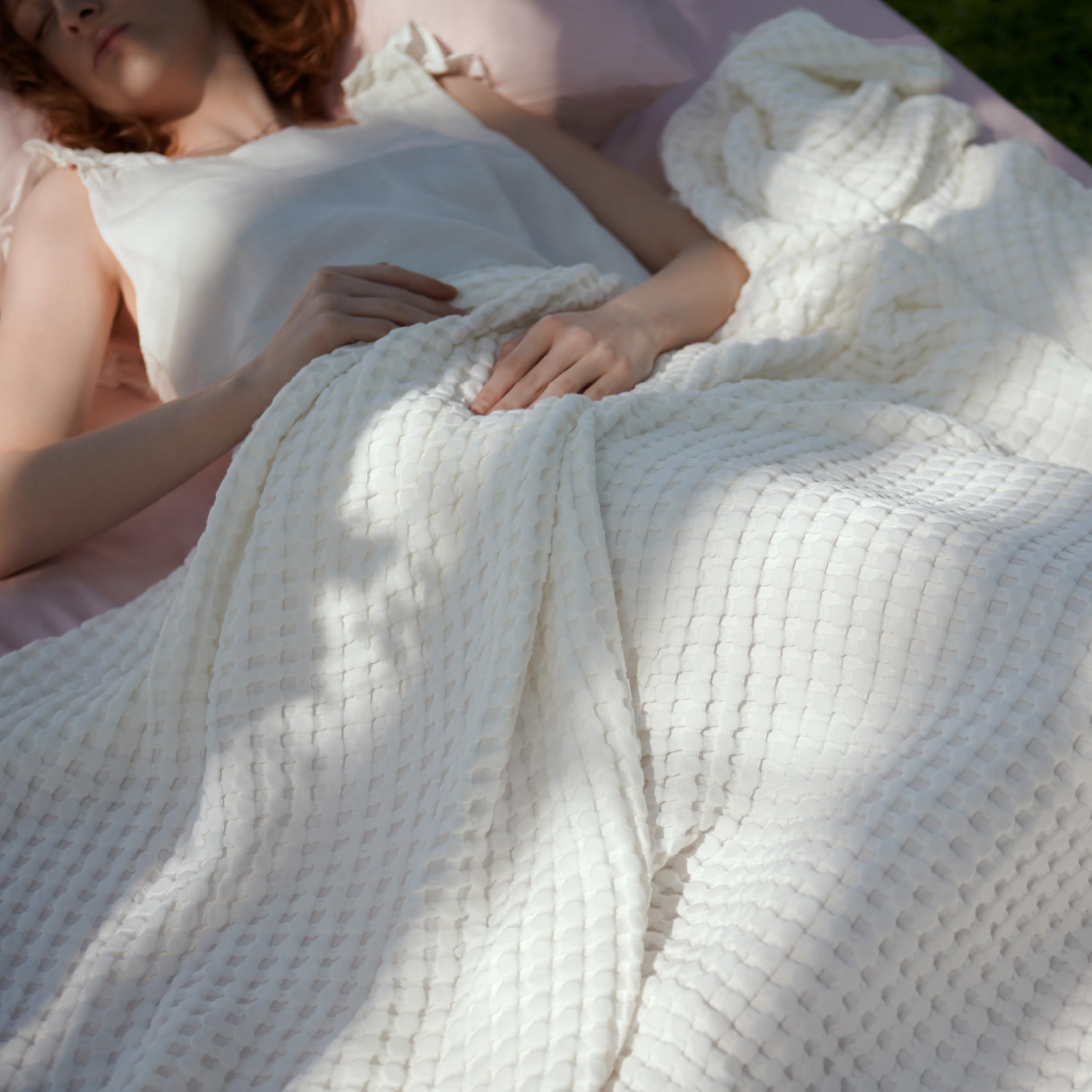
Cotton blankets breathe well, feel familiar against the skin, and wash easily, which makes them the safest first choice for most beds. Woven styles with an open texture shed heat in summer, while denser thermal weaves trap more warmth for spring and fall. Cotton is a smart pick if you dislike static, want a layer that works under a comforter, or share the bed with someone who runs warm.
The trade off is weight and warmth. Cotton rarely matches wool or thick fleece on a cold night, and loose weaves can snag on jewelry or rough skin. Expect prices around $25 to $70 for most sizes. If you want one blanket that handles most of the year in a mild climate, cotton is usually where to start.
Wool and Natural Fiber Blankets
Wool regulates temperature in both directions. It traps warmth on cold nights yet releases excess heat and moisture when you start to overheat, so the bed feels steady instead of stuffy. That balance suits couples with different temperature preferences and anyone in a climate with wide swings between seasons. Wool also resists odors, so it needs washing less often than most fibers.
The downsides are price and care. Good wool blankets often cost about $80 to $200, and many need gentle washing or dry cleaning. Some people find coarser weaves scratchy, so look for a soft hand feel or a cotton backing if your skin is sensitive. Treat wool as a long term purchase rather than a spare room extra.
Fleece and Synthetic Blankets
Fleece and microfiber blankets are the soft, light, and inexpensive workhorses of the category. They feel plush right away, dry quickly after washing, and come in almost every size and color, which makes them popular for guest beds, kids rooms, and layering over sheets in winter. Most cost around $15 to $45, so replacing one is painless.
The limits show up in warm weather and over time. Synthetics trap heat and moisture, so hot sleepers can wake up sweaty, and the surface can pill or feel flat after many washes. Static is common in dry winter air. Choose fleece when softness and price matter most, and pick a denser, heavier fabric if you want it to last beyond a couple of seasons.
Cooling Fabrics
Cooling blankets use smooth synthetic fibers, bamboo derived viscose, or specially woven cotton that feels cool to the touch and moves moisture away from the skin. They suit hot sleepers, warm climates, and anyone who kicks off a regular blanket by midnight. A cooling layer can also help during warm spells when air conditioning alone is not enough.
Cool to the touch does not mean cold all night. The effect is strongest in the first hour and fades as the fabric warms to body temperature, and these blankets offer little insulation in winter. Prices usually run about $30 to $90. If you sleep cold instead, see our guide to the best heated blanket options.
Warmth vs Breathability: Which Should You Choose?
Most blanket regret comes from choosing warmth when you needed breathability, or the reverse. If you wake up sweaty, the fiber matters more than the thickness, and a breathable cotton or cooling weave in a medium weight will beat a thick fleece every time. If you wake up cold, look for loft and density instead, since trapped air is what insulates you.
Room temperature is the quiet deciding factor. Bedrooms kept cool at night let you enjoy heavier blankets, while warm rooms and foam mattresses that hold heat push you toward lighter layers. When two people share, a breathable natural fiber in the middle weight range is the compromise that disappoints neither sleeper. When in doubt, buy for the warmer sleeper and add a throw for the colder one.
How to Choose the Right Bedding Blanket
Certifications and Fabric Safety Labels
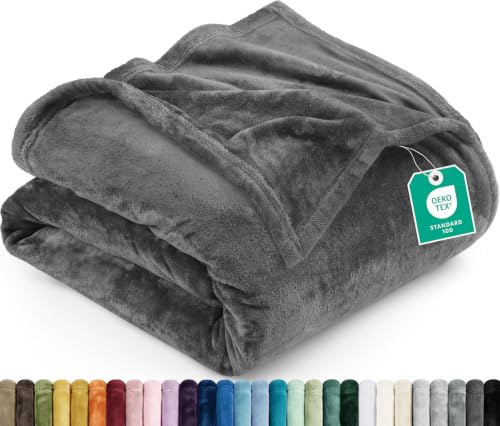
Labels such as OEKO TEX Standard 100 mean the finished fabric has been screened for a list of harmful substances, which is a useful baseline for something that sits against your skin all night. Certifications speak to chemical safety, not to warmth or durability, so treat them as one check among several. If a listing shows no label at all, that is not proof of a problem, but a recognized label makes comparison easier. Shoppers comparing makers as well as models can also read our overview of the best bedding brands for how major labels position their lines.
Size and Fit
Buy for drape, not just mattress dimensions. A blanket should extend past both sides of the bed so it stays put when you turn, which usually means sizing up when you are between sizes or when the mattress is tall. Twin blankets often double as sofa throws, while king sizes can overwhelm a queen bed with fabric spilling to the floor. Measure your mattress width, add the overhang you want on each side, and compare that number with the listed blanket width before ordering.
Durability and Care
Care rules decide whether a blanket stays in rotation. Cotton and most synthetics tolerate machine washing and dry quickly, while wool and delicate weaves may need gentle cycles, low heat, or professional cleaning. Check whether the fabric is prone to pilling, shrinking, or shedding, because a blanket that needs special handling often ends up folded away. Bound or stitched edges last longer than raw edges, and a clear care label in plain language is a good sign the maker expects real household use.
Material and Fill
Material drives nearly every other quality on this page. Natural fibers such as cotton and wool breathe and manage moisture, synthetics win on price and softness, and blends try to split the difference. For filled comforter style blankets, down offers the most warmth for the least weight, while down alternative fills cost less, wash more easily, and suit people who avoid animal products. If consistent quality matters more than a single feature, our guide to the best quality blankets explains the construction details that separate sturdy blankets from flimsy ones.
Loft and Sleep Position
Loft is the thickness and fluff of the layer, and it should match how you sleep. Side sleepers often prefer a blanket that drapes and fills the gap at the waist and knees, while back and stomach sleepers usually do better with a flatter layer that does not bunch. Heavy blankets can feel secure to some sleepers and restrictive to others, so think about whether you like weight on your legs. When a blanket will double as daytime decor, our roundup of the best throws and blankets covers smaller sizes meant for sofas and chairs.
How to Make Your Bedding Blanket Last Longer
Wash according to the fiber, not a single household rule. Cotton tolerates warm water, wool prefers cool water and gentle agitation, and synthetics last longer with low heat drying that protects the soft surface. Shake and air the blanket outdoors now and then to release trapped moisture and odors between washes.
Rotate two blankets if you use one nightly, because rest days let fibers recover their loft. Store a clean, fully dry blanket in a breathable bag rather than a sealed plastic bin, which can trap moisture and invite mildew. Fix small snags early by easing the loop back into the weave instead of cutting it, since a cut thread can start a run.
Frequently Asked Questions
How often should I replace my bedding blanket?
Replace a bedding blanket when it no longer does its job, which for most households is every three to seven years depending on fiber and washing frequency. Thinning patches, persistent odors after washing, heavy pilling, and lost loft are clearer signals than age alone. A wool blanket that is stored well can outlast that range, while a budget fleece used nightly may fade within two years.
What blanket weight is best for back pain?
No blanket weight treats back pain, and heavy blankets can make some people with back or joint problems less comfortable by restricting movement. If pain is new, worsening, or paired with numbness or weakness, talk with your doctor rather than shopping for a fix. For general comfort, most back sleepers prefer a light to medium layer that drapes evenly without pressing down on the toes or pulling the sheet tight.
Are cooling bedding blankets worth it for hot sleepers?
Yes, for most hot sleepers a cooling blanket is worth it, because the cool touch surface and faster moisture movement make the first hours of sleep noticeably more comfortable. The benefit is smaller if your room itself stays very warm, so pair the blanket with breathable sheets and a fan or cooler room setting. Think of it as one part of a cooler sleep setup, not a replacement for air conditioning.
How do I wash bedding blankets safely?
Wash most blankets in a large capacity machine on a gentle cycle with mild detergent, and avoid fabric softener on cooling and moisture wicking fabrics because residue dulls their finish. Use cool or warm water rather than hot, which can shrink natural fibers and damage synthetic surfaces. Dry on low heat or line dry, and make sure the blanket is fully dry before folding it away to prevent mildew.
Is a higher thread count always better in bedding?
No, a higher thread count is not always better, and for blankets it matters far less than for sheets. Blankets are usually woven or knitted for texture and warmth, so fiber type, weave density, and finishing quality shape the feel more than any count on the label. Very high counts can even signal multi ply yarns that add weight without adding softness. Judge the fabric in hand when you can, and weigh fiber and construction first.
The Bottom Line
Choose the fiber for your temperature first, the size for your bed second, and the care routine you will actually follow third. Cotton covers the most households, wool rewards buyers who want one blanket for years, and cooling fabrics earn their price if you sleep hot. Compare the options in the product table, and the best bedding blankets for your bed will usually be the type that matches how warm you sleep, not the one with the longest feature list.