Best Bed Slippers: Buying Guide for 2026
Disclosure: We may earn a commission when you buy through links on this page, at no extra cost to you. As an Amazon Associate I earn from qualifying purchases. Learn more
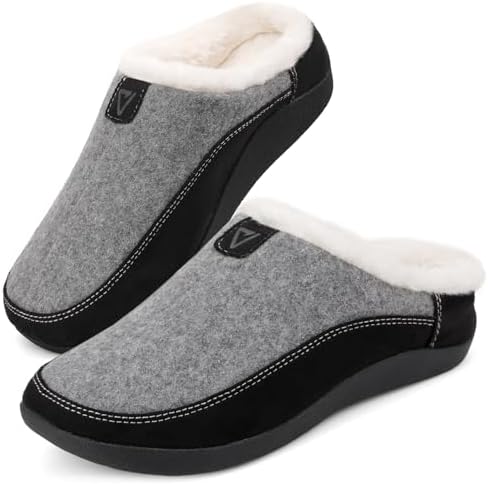
Choose the best bed slippers with this guide to fit, cushioning, arch support, grip soles, and care for warm, safe nightly steps around the house.
Bed slippers live a short but important life each day. They meet cold floors at midnight, carry you to the bathroom and the kitchen, and wait by the bed for the first steps of the morning. A poor pair slides, flattens, or lets your heel slip at exactly the wrong moment. This guide helps you choose the best bed slippers for your feet, your floors, and your habits. Compare the options in the product table, then use the fitting and support advice that follows to pick a pair you can trust in the dark.

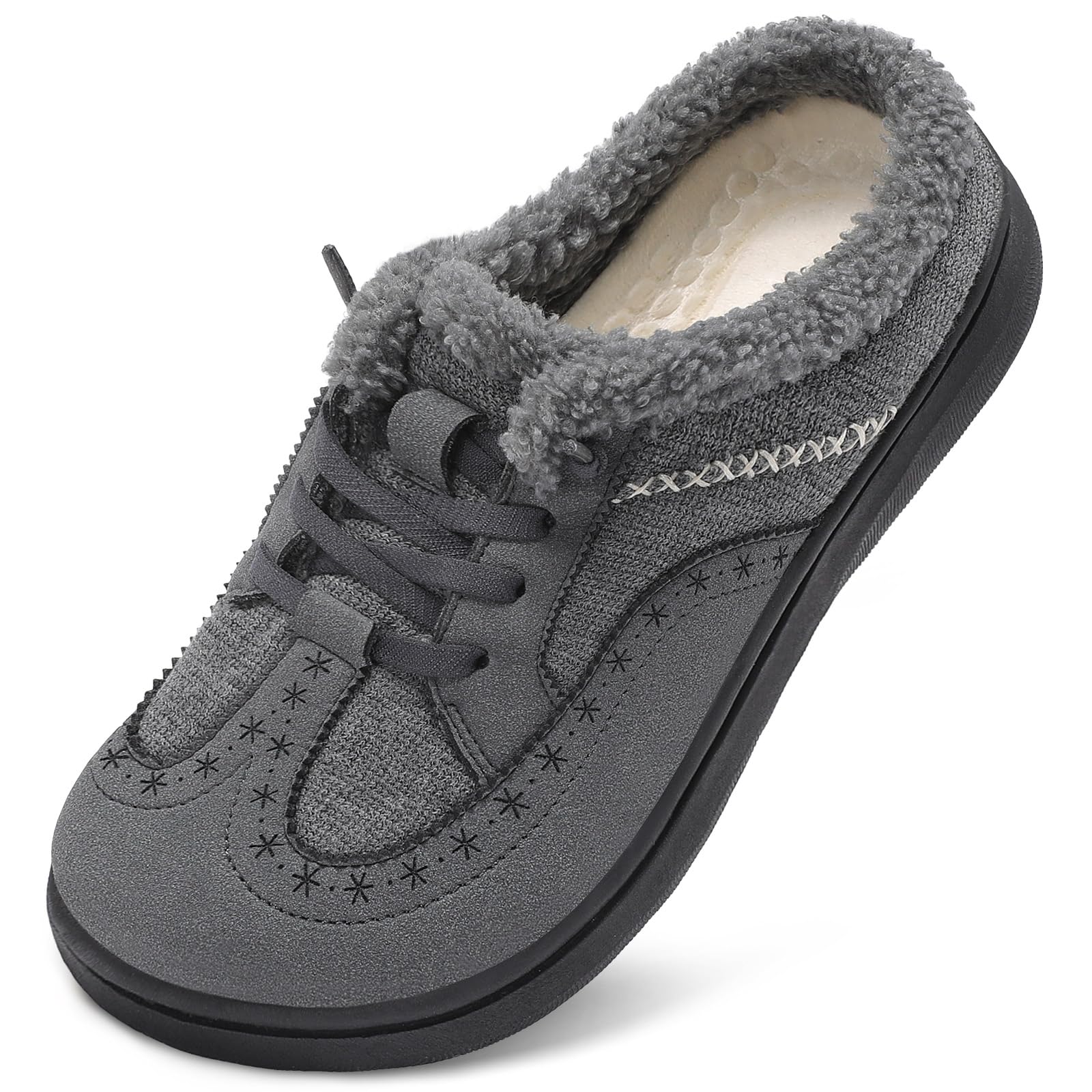
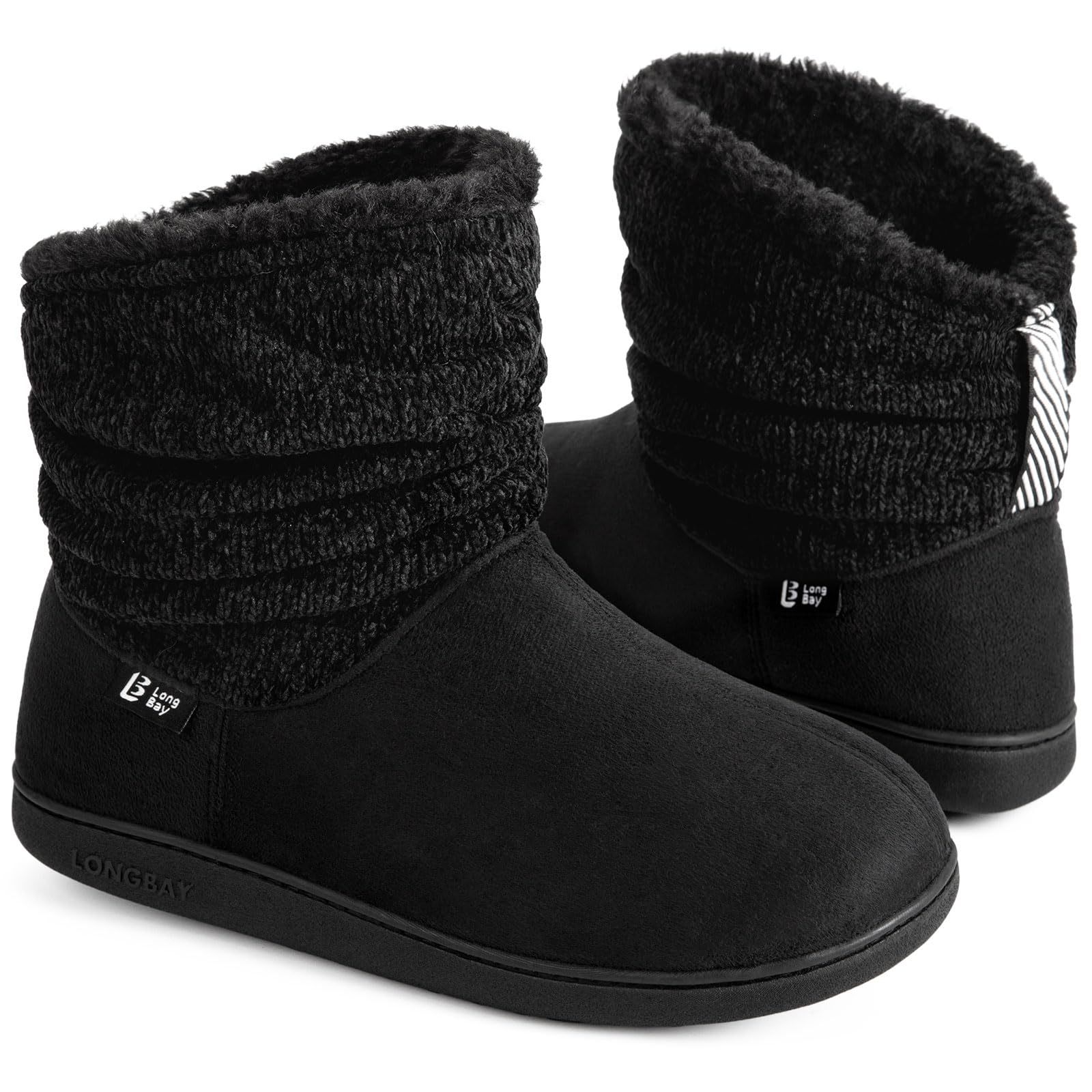
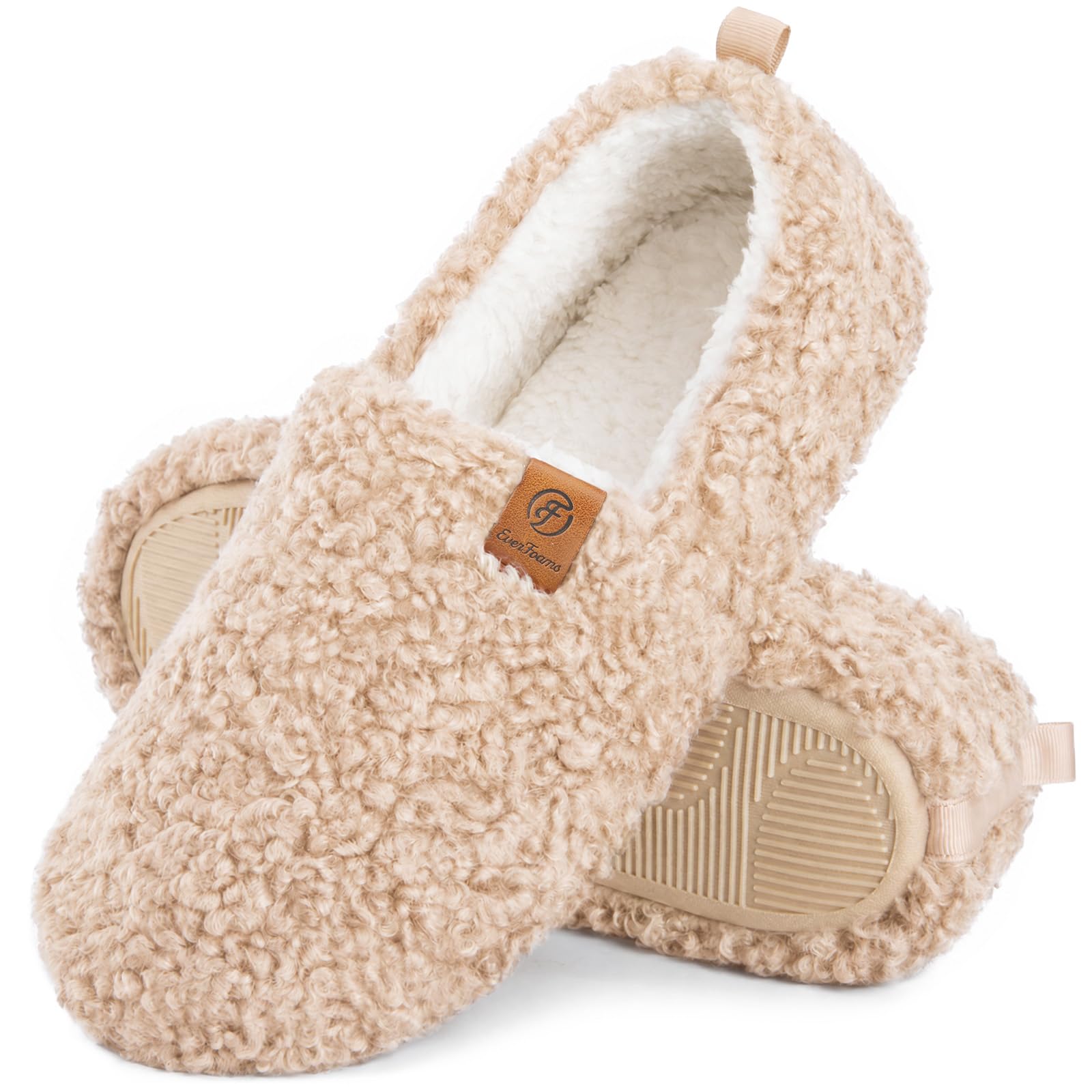

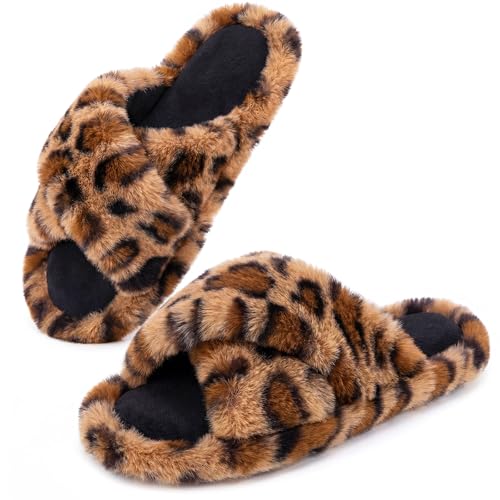
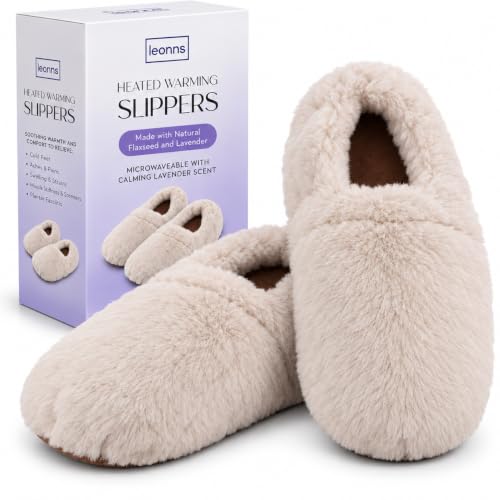
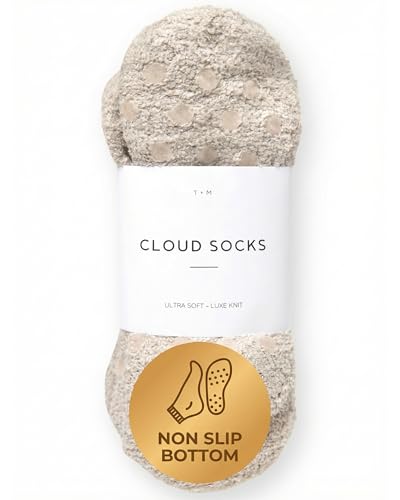
Three Price Tiers at a Glance
Budget Tier: Around $15 to $30
Budget bed slippers usually pair a soft fabric upper with a thin foam sole and a simple slip on shape. They suit guest rooms, travel, and anyone who wants a warm layer between foot and floor without much structure. Expect the cushioning to compress within a year of nightly use, and check the sole for real grip texture. A budget pair with a rubber sole and a closed heel is still a sensible buy for light use on carpet.
Mid Range Tier: Around $30 to $60
Mid range slippers are the sweet spot for most people. This tier brings memory foam or layered foam insoles, sturdier rubber outsoles, and uppers in fleece, wool blends, or soft suede that hold their shape. Heel cups get deeper and stitching gets stronger, so the slipper stays on when you climb stairs or step outside briefly for the mail. For an hour or more of daily wear, this tier delivers the best mix of comfort, grip, and lifespan.
Premium Tier: Around $60 to $100
Premium bed slippers earn their price through materials and support. Look for shearling or wool lining that regulates temperature, a contoured footbed with real arch support, and a durable outsole you can wear to the porch or driveway. Replaceable insoles appear at this tier, which extends the life of the pair. This spend makes sense if you have tender feet, stand a lot at home, or want one pair that lasts several winters.
How to Choose Bed Slippers: Buying Guide
Fit, Sizing, and Toe Box
Fit decides comfort more than any cushion claim. Measure your feet in the evening, when they are at their largest, and compare the length with the brand size chart instead of trusting your shoe size alone. Your toes should not press the front, and your heel should stay seated when you walk, not lift out with each step. A roomy toe box lets toes spread and suits bunions or wider feet. If you fall between sizes, size up for thick socks in winter, but avoid a sloppy fit that makes you shuffle, since shuffling raises the risk of a trip.
Cushioning and Support
Cushioning should feel soft at first step and supportive after ten minutes. Very thick foam feels plush in the store, then bottoms out under your heel if the foam is cheap. Layered foam or a firmer base with a soft top layer holds up better. Heel to toe drop in slippers is small, and a fairly flat, stable base suits most people for short indoor walks. If your feet ache after standing on hard kitchen floors, choose a contoured footbed over a flat foam pad, and consider keeping your slippers where you stand most, not just beside the bed.
Arch Support and Foot Type
Flat feet often feel best in slippers with a gentle built in arch and a firm heel cup that limits roll. High arches usually need more cushion under the midfoot so pressure spreads evenly. Notice where your old slippers wear down, because heavy wear on one edge tells you how your foot lands. A word of caution matters here. If you have diabetes, poor circulation, ongoing foot pain, or a history of falls, talk with your doctor or a podiatrist about footwear needs, and treat any sore or wound on your foot as a reason to seek care promptly rather than a problem a new slipper can solve.
Durability and Expected Lifespan
Slippers wear out from the inside first. The insole compresses, the lining mats down, and the heel counter softens until the pair feels loose. Nightly use typically gives a budget pair about a year, a mid range pair one to two years, and a premium pair several years with care. Stitched soles outlast glued ones, and dense rubber outsoles survive trips to hard floors and porches. Rotate two pairs if you wear slippers for many hours a day, because a rest day lets the foam recover and the lining dry fully.
Water Resistance and Bathroom Trips
Full waterproofing is rare in bed slippers and rarely needed, but water resistance matters more than most buyers expect. The trips slippers make most often end on bathroom tile, where a fabric sole can soak through and slide. A rubber outsole with textured tread is the real safety feature here. It grips wet tile, shrugs off splashes, and keeps the insole dry. Sealed membrane uppers exist on some bootie styles and suit cold, damp houses, though they breathe less and can feel warm in bed season. For most homes, grip and a dry insole beat true waterproof construction.
Break In Period and Comfort Out of the Box
Good bed slippers should feel comfortable within the first few wears. Shearling and wool linings pack down slightly and mold to your foot over one to two weeks, which is normal. Fleece and fabric uppers need almost no break in. What should not happen is pain, rubbing at the heel, or toes jammed at the front. Those are fit problems, not break in problems, and they rarely improve. Wear a new pair around the house for an evening while returns are still easy, and check your heels for red marks before you commit to keeping them.
For the bedding you climb into after those last steps, see our guide to the best bed sheets.
Types of Bed Slippers
Moccasin Style Slippers
Moccasin style slippers wrap the whole foot, with a closed toe, a low heel, and often a soft suede or fabric upper. They stay on well, feel warm, and suit people who move around the house a lot in the evening. Their flat, flexible sole keeps you close to the floor, which many people find steady and natural.
Slide and Open Toe Slippers
Slide slippers slip on fast and let heat escape, which suits warm houses and people whose feet run hot. Open toes help after a shower and in summer. The trade off is security. Slides can slip off on stairs and offer no toe protection, so they suit relaxed, single level living better than busy homes with steps and pets underfoot.
Bootie Style Slippers
Bootie slippers rise above the ankle and are the warmest type by far. They suit cold floors, drafty houses, and anyone whose ankles always feel chilled. A bootie with a rubber sole and a snug cuff stays on securely and handles a quick trip outside. The extra coverage can feel too warm once the heating runs well, so they are a winter specialist rather than a year round pair.
Closed Back Support Slippers
Closed back slippers with a contoured footbed are built for support first. They hold the heel, lift the arch, and use a firmer sole that feels closer to a light house shoe. They suit people who stand to cook, work from home in slippers, or simply dislike a loose fit. If lasting build matters most to you, our guide to the best quality slippers looks at construction details in depth.
Tips to Get the Most From Your Bed Slippers
- Keep slippers in the same spot by the bed, so you never walk to the bathroom half asleep in bare feet on a cold, slick floor.
- Air dry wet slippers at room temperature away from radiators, since direct heat cracks soles and shrinks linings.
- Rotate two pairs if you wear slippers daily, so foam and lining recover between uses.
- Check the tread every few months and replace the pair when the sole feels smooth on tile.
- Wash or refresh insoles as the maker directs, because odor builds fastest in warm, closed styles.
Sizing advice differs a little between ranges, especially in women specific lasts and widths. If that is your situation, our guide to the best slippers for women covers fit and width choices in more detail.
Bed Slippers: Your Questions Answered
Can I wear bed slippers all day?
You can wear supportive bed slippers for much of the day at home, but flat, worn out pairs are a poor choice for hours of standing. All day wear calls for a closed back, a contoured footbed, and a sole with real structure. Even then, feet benefit from variety, so change into shoes with fresh support for long tasks. If your feet or ankles ache daily, ask a clinician whether your footwear is part of the problem.
How often should I replace my bed slippers?
Replace bed slippers when the insole feels flat, the heel slips, or the tread looks smooth, which is often after one to two years of nightly use. Do not judge by the upper alone, because a tidy looking pair can hide a crushed footbed. A simple check helps. If the slipper no longer feels steady on your bathroom floor, its useful life is over, whatever the calendar says.
Are expensive bed slippers worth it?
Expensive bed slippers are worth it when the price buys shearling or wool lining, a contoured footbed, and a stitched rubber sole. Those features add warmth without sweat, support for standing, and several years of use. They are harder to justify for a guest room pair worn a few nights a year. Judge by hours worn. A pair used every morning and evening earns a premium far sooner than one kept for visitors.
How should bed slippers fit?
Bed slippers should fit snugly at the heel and midfoot, with about a thumb width of space in front of your longest toe. Your toes should spread without touching the sides, and the heel should not lift out as you walk. Try them in the evening with the socks you plan to wear. A pair that needs constant toe gripping to stay on is the wrong size or the wrong style for you.
Do I need waterproof bed slippers?
Most people do not need waterproof bed slippers, but almost everyone benefits from a water resistant rubber sole. That sole grips wet bathroom tile and keeps splashes out of the insole, which covers the real risks of night time trips. Fully waterproof uppers make sense only in damp houses or for regular steps outside in wet weather. For ordinary indoor use, spend on tread and fit before you spend on membranes.
How long is the break in period for bed slippers?
The break in period for bed slippers is short, usually a few wears for fabric and fleece styles and about one to two weeks for shearling that molds to your foot. Comfort should improve slightly each day. Pain, blisters, or a heel that keeps slipping are not break in stages. They are signs of a poor fit, and the right response is an exchange while the returns window is still open.
Wrapping Up
Choose fit first, then grip, then cushioning that still feels supportive after ten minutes on your feet. Match the style to your home, warm booties for cold floors, slides for warm rooms, and a closed back pair if you stand a lot. Compare your finalists in the product table and check the size chart in inches before you order. Picked with care, the best bed slippers make every night time trip and every first morning step feel warm, steady, and easy.