Best Bed Pillows That Won T Go Flat in 2026: A First Purchase Guide
Disclosure: We may earn a commission when you buy through links on this page, at no extra cost to you. As an Amazon Associate I earn from qualifying purchases. Learn more

Shopping for the best bed pillows that won t go flat for the first time? Learn the terms, compare options, and avoid rookie mistakes with this easy guide.
If your pillow folds in half by morning and never puffs back, the problem is usually the fill, not your sleeping style. Shoppers looking for the best bed pillows that won t go flat need fill that springs back after hours of pressure. This guide explains the terms and features that protect loft, so you can read the product table with clear priorities.
Start with how you sleep, how high your head needs to rest, and how warm you get at night. Then match those points to fill, loft and cover below. The right match should feel supportive on night one and still feel full months later.





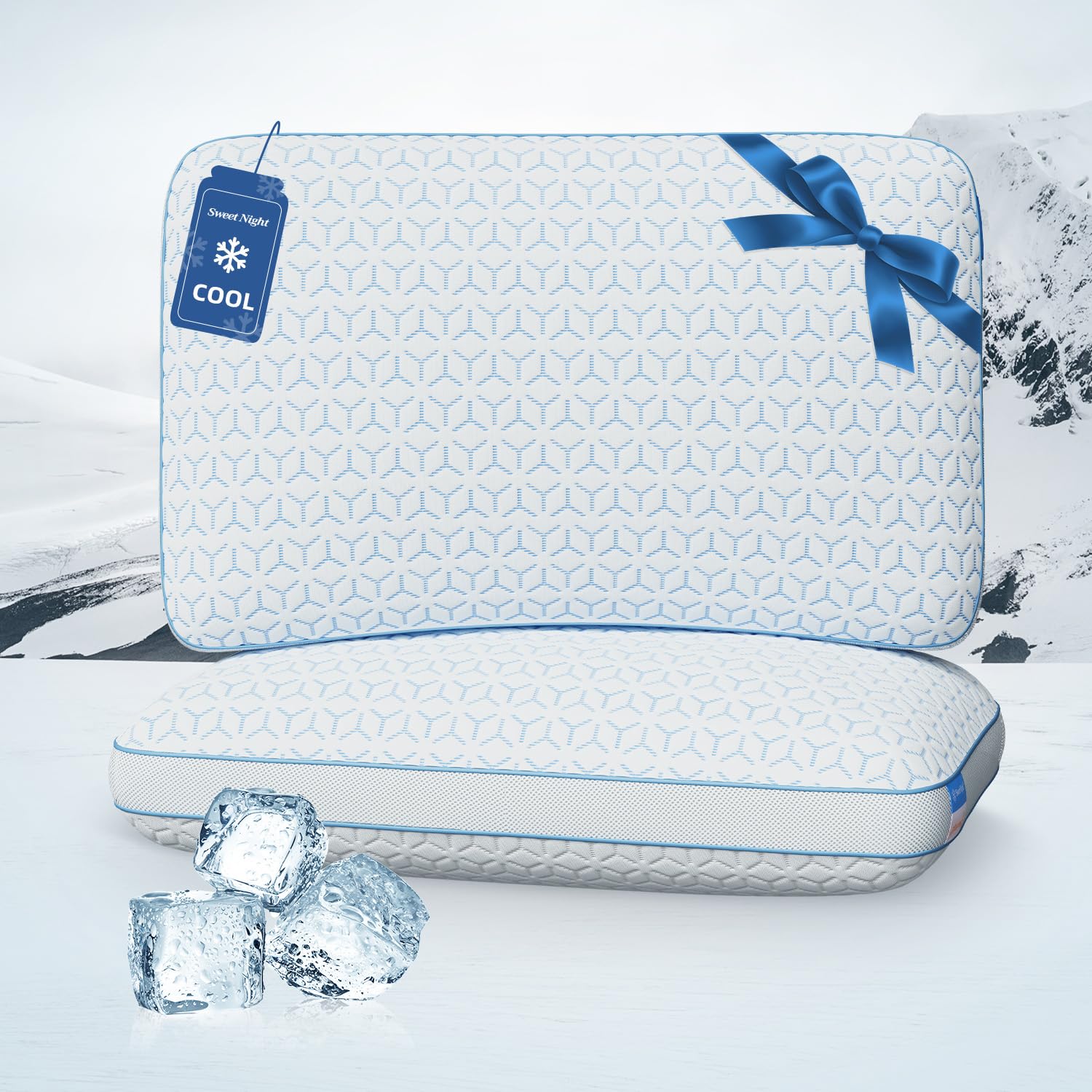
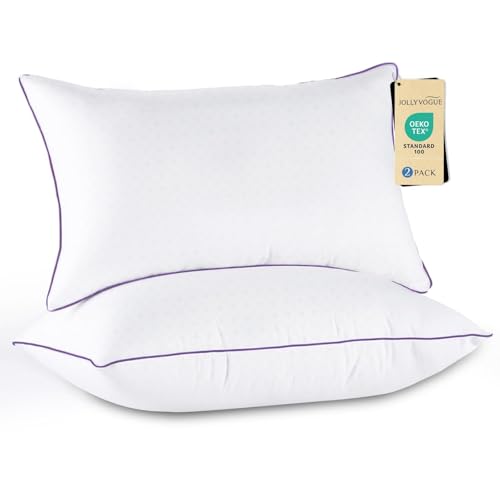
Pillow Basics: Why Some Pillows Stay Full
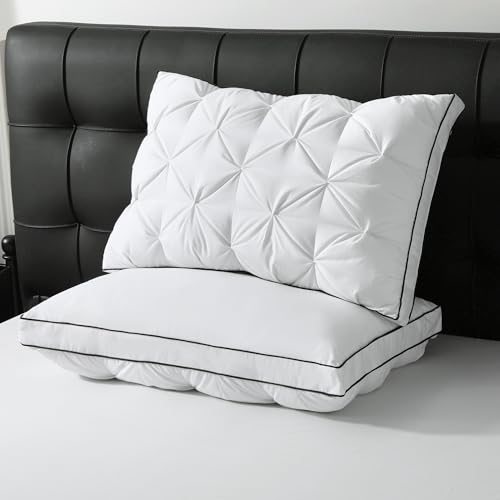
A pillow goes flat when its fill stops recovering after compression. Your head presses the same spot for hours, and low cost polyester cluster fill shifts away, clumps and mats down. Solid latex and quality memory foam push back instead, while shredded fill can be moved back by hand.
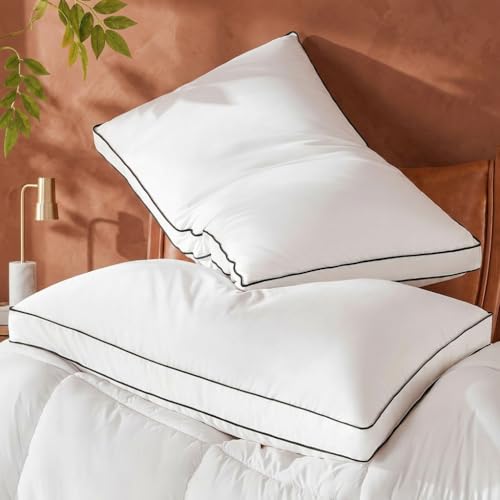
Three words help you judge any listing. Loft is the resting height with nothing on it. Resilience is how fully the fill returns to that height after you lift your head. A gusset is an edge panel that gives fill room to stay tall. When you shop for best bed pillows that won t go flat, check those clues before price. For the wider view, see our guide to the best pillows that won t go flat.
Who Should Buy a Pillow That Keeps Its Shape
Choose by the problem you notice at night, not by the fullest photo online. Your sleep position and shoulder width change how much height you need.
Side Sleepers Who Wake With a Folded Pillow
You need enough height to fill the gap between your ear and the mattress, because your shoulder holds your head farther from the bed. Choose a medium firm to firm feel with higher loft and a gusseted edge. Folding a soft pillow in half for support is a clear sign your current loft is too low.
Back Sleepers Who Need Steady Height All Night
You need moderate height that cradles the curve of your neck without pushing your chin toward your chest. Choose a medium loft pillow with a firmer zone under the neck and a softer feel under the head. A pillow that sinks by midnight leaves your neck unsupported.
Hot Sleepers Who Also Need Lasting Support
You need fill that holds its shape and a cover that lets heat escape, because warmth makes a pillow feel softer over the night. Look for breathable covers and shredded or latex fills that allow more air movement than a solid block. A soft cover over resilient fill beats a soft fill that packs down.
Key Features to Compare
Compare fill first, then loft, then size, because no cover can rescue a fill that was never built to recover.
Material and Fill That Resists Flattening
Solid memory foam holds a molded shape and changes slowly, which suits sleepers who stay in one position. Latex is springier and returns to shape at once, which suits people who shift often. A hybrid mix of foam pieces and fiber blends steady support with a softer feel. Shredded fills are adjustable, so you can add or remove fill to change height. Down and down alternative fills cost less, often about $25 to $50, but clump sooner.
Loft and Firmness for Your Sleep Position
Loft and firmness are different things. Loft is height, while firmness is how hard the pillow pushes back. Stomach sleepers often do well with a low loft of about 3 to 4 inches, back sleepers with a medium loft of about 4 to 5 inches, and side sleepers with a high loft of about 5 to 7 inches. Wider shoulders usually need the taller end of each range. For a firm feel, see our guide to the best firm pillows that don t go flat.
Pillow Size and Pillowcase Fit
A Standard pillow measures about 20 by 26 inches, a Queen about 20 by 30 inches, and a King about 20 by 36 inches. Pick the size that matches your bed and your cases, then check the fit. A case that is too small squeezes loft down and makes a good pillow feel flat at the edges. A case that is too large lets the pillow bunch into one corner.
Support, Alignment and Pressure Relief
Good support keeps your head, neck and spine in one calm line in your main sleep position. For side sleepers, your nose should point in line with the center of your chest. Pressure relief means the pillow spreads the load under your head instead of creating one hard spot under your ear. See a doctor promptly for pain that spreads into an arm, numbness or weakness in a hand, pain after an injury, or headaches that keep worsening. This guide covers fit and comfort only, so talk with your clinician about personal needs if pain lasts.
Certifications, Cooling Fabrics and Sleep Trial Terms
CertiPUR US tells you a foam was checked under a program for content, emissions and durability. OEKO TEX on a cover or fill tells you that item was tested for certain harmful substances. RDS applies to down and speaks to traceability and animal welfare. For cooling, breathable cotton percale covers move more air than dense shiny fabrics. A sleep trial lets you judge recovery over real nights, so note the trial length and warranty terms.
Getting Started: First Use and Fit Check
Unpack the pillow and let it rest before you judge it. Solid foam may need up to a day to reach full height, while latex and fiber fills are often ready sooner. Fluff shredded fills by hand, pushing fill toward the center. Add a protector before the first night so skin oils never reach the fill.
Then run a fit check in your real sleep position. Lie down for ten minutes and notice whether your neck feels held or forced. Ask a partner to check your alignment from the side, or take a photo at pillow height. Give it two nights, and adjust removable fill in small handfuls.
Common Mistakes to Avoid
These errors are common and easy to prevent.
- Buying the highest loft because it looks full in photos leaves back sleepers with a bent neck and morning stiffness.
- Judging firmness by squeezing a pillow by hand misleads you, because your head applies slower pressure than a quick squeeze.
- Skipping a pillow protector lets sweat and skin oils soak into the fill and break it down sooner.
- Folding a pillow in half every night to fake height creases the fill and makes it flatten even faster.
- Throwing away the packaging and trial paperwork at once can make a return impossible if the height is wrong.
Care and Maintenance
Fluff fiber and shredded pillows each morning and turn the pillow end for end a few times a week so wear spreads evenly. Air the pillow without its case in a dry room once a week to release moisture. Keep solid foam and latex out of strong direct sun, because heat ages those fills.
Use a protector at all times and wash the protector and pillowcase often, following each care label. Spot clean small marks with a cloth and mild detergent, then let the pillow dry fully before casing it again. Store a spare pillow loose on a shelf, because months of compression in a tight bag can leave soft fills slow to recover.
FAQ
What firmness is best for a bed pillow for back pain?
A medium firm pillow with medium loft is the best starting point for most back sleepers with ordinary aches. It should fill the curve behind your neck without lifting your head high. During trial nights, place a folded towel under your knees to ease pull on your lower back while you judge neck support. A pillow cannot treat the cause of back pain.
Are cooling pillows that keep their shape worth it for hot sleepers?
Yes, cooling pillows that keep their shape are worth it if you often wake warm and your pillow feels softer by morning. Check your protector first, because a thick waterproof layer can block the cooling feel of the cover under it. A thin breathable protector keeps most of that benefit. A heavy duvet can also be the real heat source.
How often should you replace bed pillows that keep their shape?
Replace a bed pillow when it no longer returns close to its full loft after fluffing and a day of rest. Try the fold test: fold the pillow in half and let go. A healthy fill springs back open, while a worn fill stays folded. Fiber fills often last about 1 to 2 years, while foam and latex often last about 2 to 4 years.
How do you wash a bed pillow that keeps its shape safely?
Wash only pillows whose care label allows machine washing, and wash two at a time so the load stays balanced. Use a gentle cycle, a little detergent and an extra rinse, then dry the pillow fully before use. Never machine wash solid latex or solid memory foam, because the motion can tear the block. Air those fills and wash only their covers.
Is a higher thread count always better for the cover of a shape keeping pillow?
No, a higher thread count is not always better for a pillow cover. Counts of about 200 to 400 threads per square inch often balance a smooth feel with decent airflow. Very high counts can feel dense and warm. A smooth cover cannot restore flat fill, so judge the fill first.
The Bottom Line
Keep the order simple. Pick a resilient fill, match loft to your main sleep position, and confirm the size fits your cases. If you began with a broader search, see our guide to the best pillows that don t go flat for the wider view. Use the product table to compare fill, loft and trial terms.
Choose the best bed pillows that won t go flat for your sleep position first, then let price settle the call. A pillow that looks full after fluffing, and still supports you at 3 a.m., is one you will be glad you bought.