Best Bed Pillows for Neck Support in 2026: Which One Fits the Way You Use It?
Disclosure: We may earn a commission when you buy through links on this page, at no extra cost to you. As an Amazon Associate I earn from qualifying purchases. Learn more
Compare bed pillows for neck support by loft, fill, and sleep position. A use case guide to comfort, care, prices, and when to see a clinician.
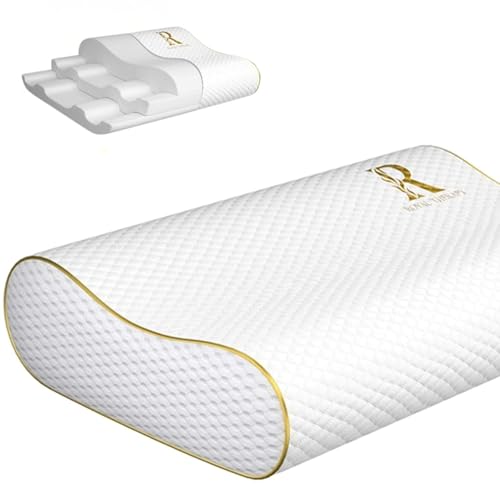
There is no single pillow shape that suits every neck, because the right choice depends on how you actually sleep. A side sleeper, a back sleeper, and a restless combination sleeper can share a bed and still need three different pillows. The best bed pillows for neck support for your routine are the ones whose loft and fill match your usual position, and the product table lets you shortlist pillows on those terms.
One point needs stating plainly. Support in a pillow is a comfort feature: a well matched pillow can make your position feel steadier through the night, but no pillow treats a neck condition or replaces medical care. This guide sorts pillows by routine and comfort only, and flags where a clinician, not a pillow, is the right next step.

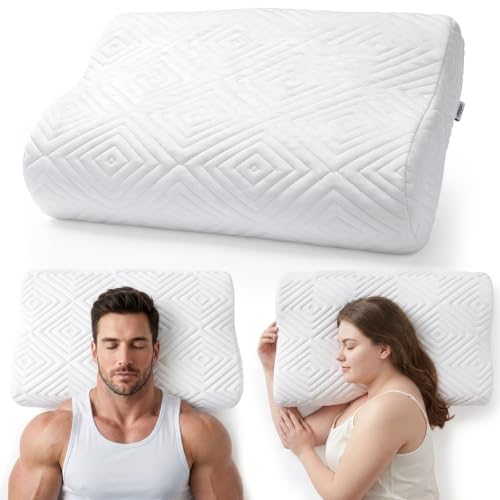
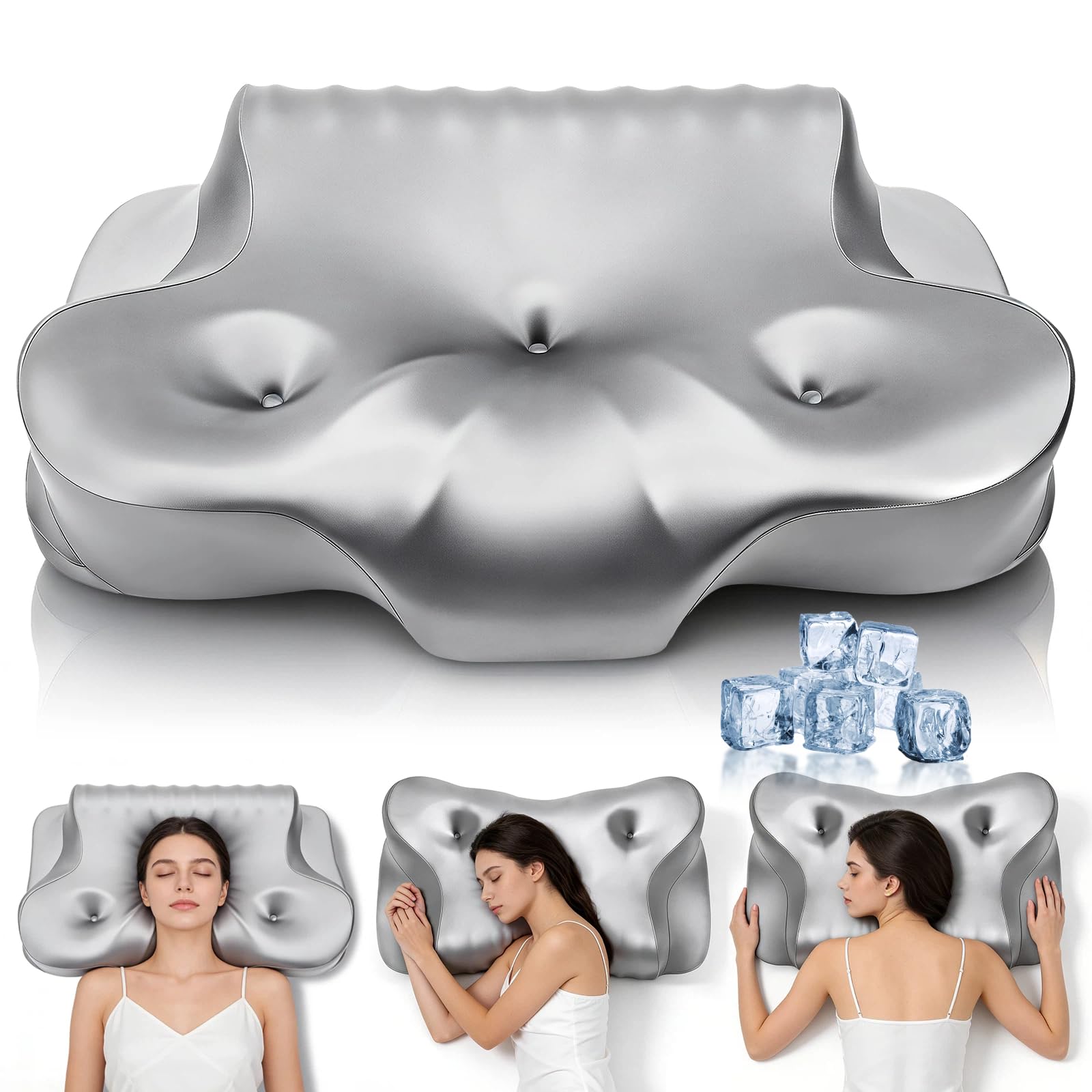

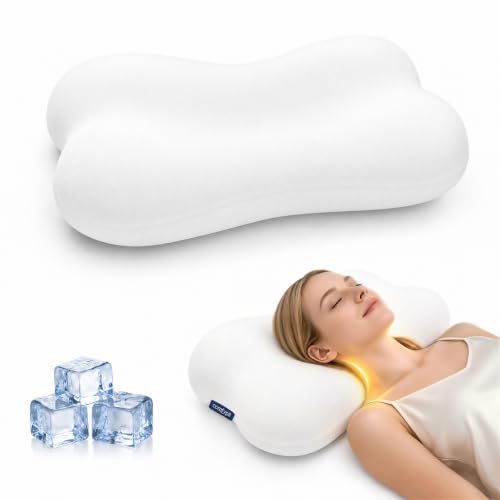
Who Should Buy Which Bed Pillows?
Start with the position you wake up in most often, not the one you fall asleep in. Your routine decides the loft, firmness, and fill that will feel supportive.
Side Sleepers Who Stay in One Position
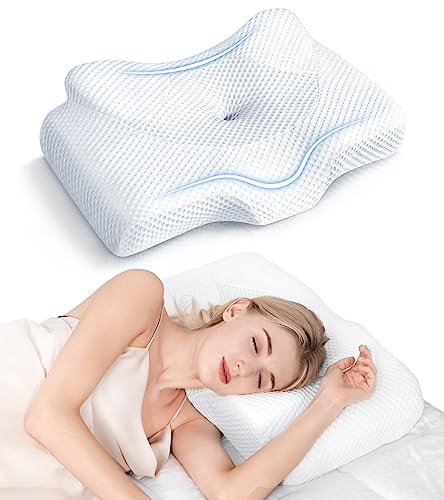
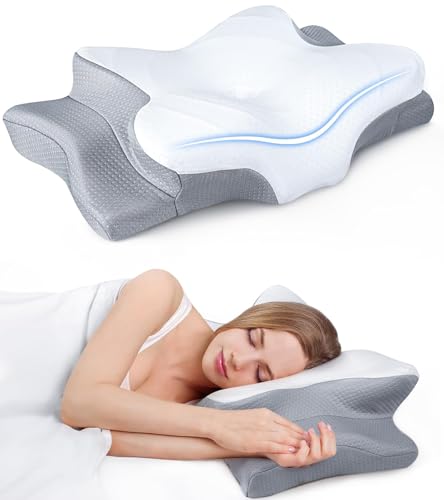
Side sleepers need the tallest pillows, because the pillow has to fill the gap between the mattress and the side of the head. A loft of about 5 to 6 inches suits most side sleepers, and broader shoulders call for the upper end. Choose a fill that holds its height under head weight, such as memory foam or latex, since a fill that flattens by midnight leaves the neck angled downward all night.
Back Sleepers Who Want a Steady Neck Line
Back sleepers usually do best with a medium loft of about 4 to 5 inches. The pillow should cradle the head and fill the shallow curve behind the neck, without pushing the chin toward the chest. A gentle contour or a standard shape both work here. If you wake with your head tipped forward, the pillow is too high, no matter how supportive it felt in the shop.
Combination Sleepers Who Change Positions
Combination sleepers turn between their back and sides, so they need a pillow that adapts instead of locking the head in one shape. A medium loft with a responsive fill, such as latex or a down alternative, reshapes itself each time you move. Deep contour pillows often disappoint this group, because the raised edge that suits back sleeping feels like a wall once you roll onto your side.
Light Sleepers Sharing a Bed
If a partner turning over wakes you, your pillow plays a part in how much movement reaches you. Memory foam absorbs motion and stays quiet while doing it. Loose fill pillows shift with a soft rustle some light sleepers notice, and one that needs fluffing in the middle of the night disturbs two people instead of one.
Key Features to Compare
General guides to best pillows for neck support cover the same shopping ground from a broader angle. This section stays with bed pillows matched to a nightly routine, starting with the word support itself, the biggest misunderstanding in this category.
Support and Pressure Relief: What the Words Really Mean
Support simply means the pillow holds your head and neck at a steady, comfortable height for your position. It is a comfort class, not a treatment class, and should be judged by an ordinary night, not by any medical promise on the packaging. Pressure relief is the same idea from the other side: a fill that spreads contact instead of pressing on one spot. When guides to best pillows for neck issues rank pillows, they are ranking this comfort fit, nothing more.
That comfort framing has a firm limit. Neck pain that persists for more than a couple of weeks, pain that keeps worsening, numbness or weakness in an arm or hand, or pain that follows a fall or accident needs a clinician, not a shopping trip. Shoppers often begin with guides to best pillows for sore neck after a few stiff mornings, a reasonable step for ordinary stiffness. The warning signs above should be checked before you spend anything on a pillow.
Loft and Fill Matched to Sleep Position
Loft is the pillow height under your head, and together with fill it governs comfort for each position. Low loft of about 3 to 4 inches suits stomach sleepers, medium loft of about 4 to 5 inches suits back sleepers, and high loft of about 5 to 6 inches suits side sleepers. Fill decides how that loft behaves overnight: memory foam sinks in and holds a shape, latex springs back, down alternative compresses softly, and shredded adjustable fill lets you add or remove height.
Material and Fill Types
Memory foam gives close contouring and stillness, latex gives bounce and airflow, and down gives a soft feel with the least fixed support. Down alternative copies the softness of down at a lower price and suits many allergy shy shoppers. Hybrid pillows layer two fills, often foam under fiber, to blend contour with softness. Covers matter too: cotton percale feels crisp and cooler, cotton sateen feels smoother, and foam with a CertiPUR US certification has been checked for emissions and content.
Cooling and Temperature
A pillow that sleeps hot will be pushed to the floor by August, whatever its support class. Dense memory foam holds the most heat, while ventilated foam and latex let more air move through the fill. Gel infusions and cooling covers take the edge off the first hour, though they warm up eventually. If you run hot, choose a breathable fill and a cotton percale case over cooling claims alone.
Motion Isolation and Noise
Motion isolation is a mattress phrase that applies to pillows too. A foam pillow stays where it is placed and does not transmit a partner shifting across the bed. Loose fills move more and can rustle through a thin case. If you share a bed with a restless sleeper, treat quiet, stable behavior as a real selection factor.
What You Can Expect to Pay
Basic pillows run about $25 to $50, mostly polyester or simple down alternative fills in plain covers. The middle band of about $50 to $100 holds most memory foam and latex options, contoured shapes included. Premium designs run about $100 to $180, where the extra money usually buys adjustable fill, natural latex, and longer trial periods. Pay for the loft and fill your routine needs, not for the longest feature list.
Common Mistakes to Avoid When Buying Bed Pillows
- Choosing the tallest loft because it looks supportive, then sleeping with your head pushed forward all night.
- Expecting a new pillow to settle ongoing neck trouble, when guides to best pillows for neck problems can only address comfort and persistent symptoms belong with a clinician.
- Judging firmness by pressing a hand into the pillow, when your head weighs far more and sinks deeper.
- Ignoring your mattress, because a soft mattress lets your shoulders sink and changes the loft you need.
- Skipping the trial and return terms, the only real test of a pillow you cannot judge in a store.
Care and Maintenance Tips
Use a pillow protector under the case and wash the protector monthly, since it catches the sweat and oils that yellow fill. Wash the pillow itself only as its fill allows: down and down alternative often tolerate a gentle machine wash, while memory foam is usually spot clean only and should never be soaked. Fluff fiber pillows daily, and air any pillow in a dry, shaded spot now and then.
Frequently Asked Questions
What loft should a side sleeper choose in a bed pillow for neck support?
A side sleeper should choose a high loft, usually about 5 to 6 inches. The pillow has to fill the full distance from the mattress to the side of your head, and that distance is set by shoulder width more than by weight. Lie in your usual position and have someone check that your nose lines up with the middle of your chest. If your head tilts down toward the mattress, add loft; if it tilts up, remove some.
Is memory foam or latex better in a bed pillow for neck support?
Neither fill is better for every sleeper, because they behave differently through the night. Memory foam molds closely and holds still, suiting sleepers who stay in one position; latex responds the moment you move and sleeps cooler, suiting combination sleepers. One practical point is weight: a latex pillow is noticeably heavier, which matters if you drag your pillow around as you turn. Anyone with a latex allergy should skip latex fill entirely.
Can a bed pillow fix ongoing neck pain?
No, a bed pillow cannot fix ongoing neck pain. A pillow is a comfort item, and while a better loft match can ease the strain of a poor sleeping angle, it does not treat the cause of pain. Trying a new pillow for a few stiff mornings is reasonable. Pain that travels into the shoulder or arm, pain with numbness or tingling, or pain that steadily worsens is a reason to book a clinician visit promptly.
How often should a bed pillow for neck support be replaced?
Most bed pillows should be replaced every one to two years, and sooner once the fill stops recovering. Use the fold test: fold the pillow in half, and if it stays folded instead of springing back, the fill is spent. Lumps that no longer shake out and a permanent yellow stain pattern are signs the support has gone. Down alternative usually wears out fastest, while latex tends to last longest.
Does an adjustable fill pillow suit a combination sleeper?
Yes, an adjustable fill pillow often suits a combination sleeper well. You can set the height between the medium back sleeping range and the higher side sleeping range, then settle on the level that feels least awkward in both. Change the fill gradually, a small handful at a time over several nights, rather than emptying a large amount in one go. Keep the removed fill in a sealed bag in case you want some of it back.
The Bottom Line
Match the loft to your sleep position, pick a fill whose behavior fits how much you move, and keep your expectations in the comfort range where pillows belong. Readers who wake with a dull ache often compare guides to best pillows for neck ache while they shop, which is fine for ordinary morning discomfort, but persistent concerns are worth a conversation with your clinician. Start with the best bed pillows for neck support in the product table, and let your routine make the final call.