
Best Bed in a Box Mattress for 2026: A Complete Buying Guide
Disclosure: We may earn a commission when you buy through links on this page, at no extra cost to you. As an Amazon Associate I earn from qualifying purchases. Learn more

Compare foam, hybrid and latex boxed mattresses by firmness, cooling, certifications and trial terms to find the best bed in a box mattress.
A mattress that arrives compressed in a box sounds like a compromise, yet the format now covers nearly every material and feel you can buy in a store. Choosing the best bed in a box mattress still comes down to the same basics as any mattress purchase. You need the right size, the right firmness for your sleep position, and materials that hold their shape night after night.
This guide skips named models and focuses on the decisions that actually separate a good boxed mattress from a disappointing one. It covers buying profiles, foam and hybrid construction, cooling, certifications, trial terms, and fair price ranges, so use the product table to match those criteria against the options you are considering.


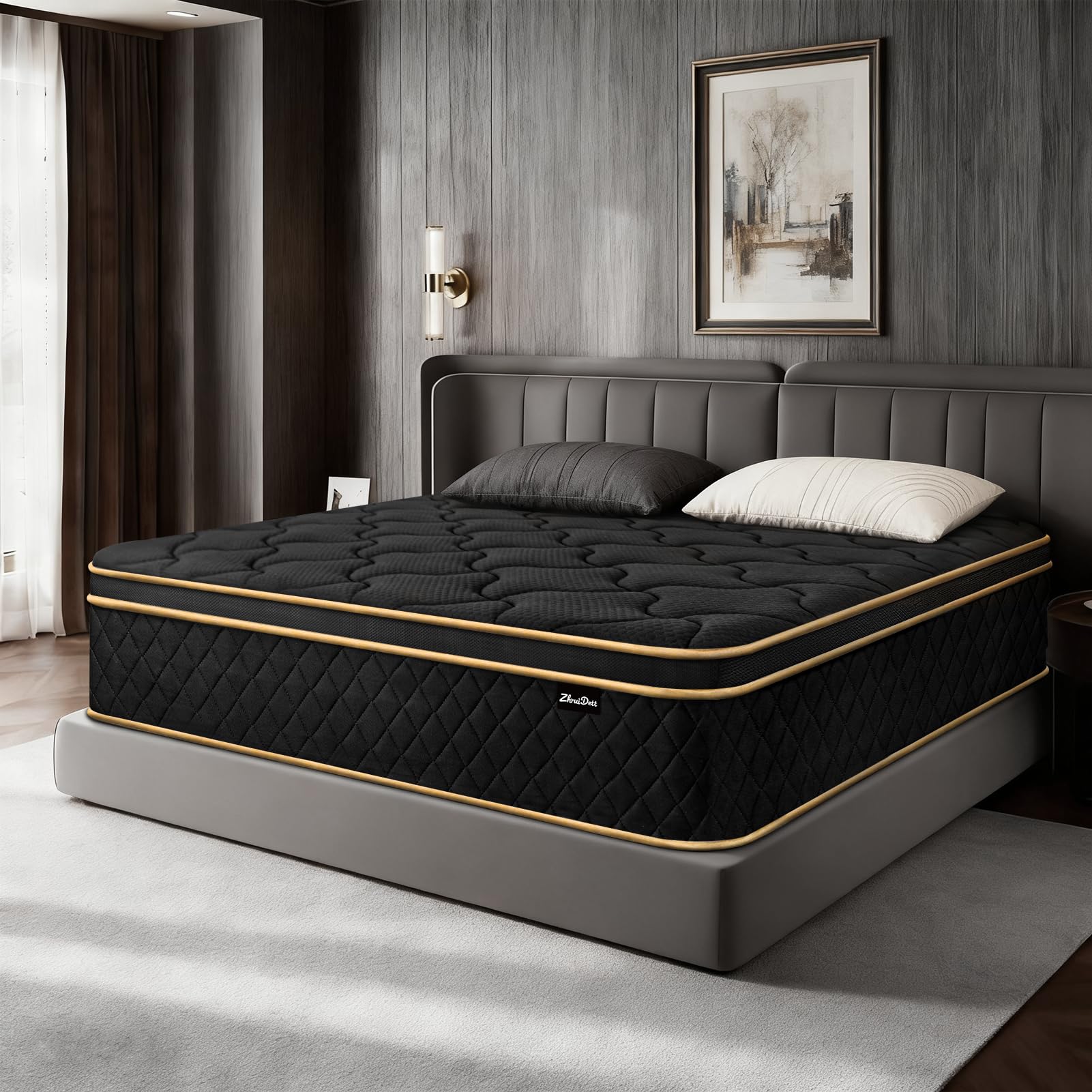


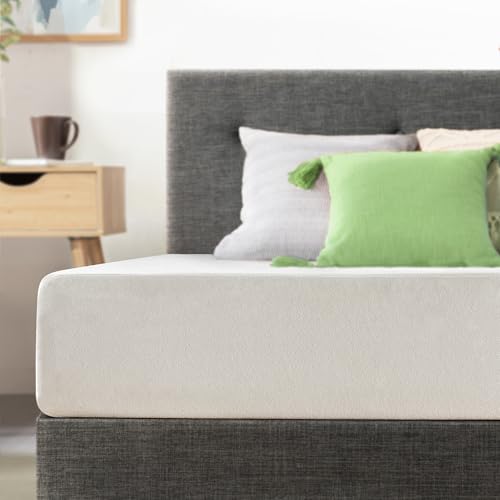
Three Buying Profiles and What to Prioritize
Most shoppers fit one of three profiles. Finding your profile first keeps you from paying for features you will never notice or skipping support you genuinely need.
The Balanced Comfort Profile
If you share a bed and switch positions through the night, prioritize a medium firm feel with a responsive comfort layer over a supportive core. Hybrids and latex leaning foam builds tend to suit this profile because they cushion shoulders and hips without the slow, sinking response that makes turning over feel like work. Motion isolation still matters, so look for pocketed coils or dense foam transition layers. This profile is also the safest starting point for guest rooms, where one mattress has to suit many different sleepers reasonably well.
The Tight Budget Profile
If price drives your decision, an all foam mattress around 10 to 12 inches thick usually gives you the most comfort for the money. Spend on the support core rather than decorative extras, because a thin, soft base layer is where cheaper mattresses sag first. Expect simpler covers, fewer cooling features, and a shorter trial period at this level. A budget bed in a box mattress can serve a main bedroom well for several years, and it is an especially sensible choice for a first apartment, a spare room, or a planned shorter stay.
The Premium Upgrade Profile
If you sleep hot, weigh more than average, or simply keep a mattress for a long time, the upgrade tier earns its price through construction rather than branding. Look for thicker comfort layers, zoned support that is firmer under the hips, reinforced edges, and natural latex or high density foams that resist body impressions. Stronger trial and warranty terms usually come with this tier as well. Couples with different firmness preferences can also look at split king formats, which let each side of the bed use a different feel.
How to Judge Any Bed in a Box Mattress
Judge every candidate on the same five criteria: comfort and support, materials and certifications, temperature regulation, durability, and trial and warranty terms. Comfort and support come from the layer stack, not from marketing labels, so read the layer list and total height before anything else. If you want to compare boxed models with traditional store bought options first, our broader guide to the best mattress choices explains how the two formats differ.
How to Choose the Right Mattress
Size and Form Factor
Start with the room and the frame, not the mattress. A twin measures about 38 by 75 inches, a full about 54 by 75 inches, a queen about 60 by 80 inches, and a king about 76 by 80 inches, while a California king trades width for length at about 72 by 84 inches. Twin XL suits tall single sleepers and pairs up to form a split king. Leave walking space around the bed, confirm the box will fit through your doors and stair turns, and check that your foundation has slats spaced closely enough for foam, since wide gaps let the base flex and wear early.
Mattress Type and Feel
All foam models use memory foam or polyfoam comfort layers over a firm support core, and they excel at pressure relief and motion isolation but can sleep warm and feel slow to respond. Hybrids swap the foam core for pocketed coils, adding airflow, bounce, and stronger edges at a higher price and weight. Latex models feel springy and stay cooler, and they tend to last longest, though they cost more and feel firmer than their ratings suggest. Our explainer on hybrid vs memory foam walks through how the two most common types feel in daily use. True innerspring designs rarely ship compressed.
Sleep Position and Body Type
Side sleepers need enough softness at the shoulder and hip to keep the spine straight, which usually means a medium soft to medium feel and a comfort layer at least 3 inches thick. Our guide to the best mattress for side sleepers explains that alignment in more detail. Back and stomach sleepers need the opposite, a firmer surface that stops the hips from sinking and arching the lower back. If morning back stiffness is your main complaint, the advice in our guide to the best mattress for back pain will help you narrow the firmness range, and you should see a doctor if pain is sharp, new, or comes with numbness. Heavier sleepers should favor thicker mattresses with denser support layers at any firmness.
Materials and Certifications
Ask what the foams are certified to contain and to leave out. CertiPUR certified foams are made without certain harmful chemicals and are checked for emissions and durability, and textile labels such as OEKO TEX Standard 100 checks fabrics for substances that contact skin. Fiberglass is sometimes used as a fire barrier inside cheaper mattresses, so check the law label or product page if you want to avoid it, and never remove the cover of a mattress that contains it. Natural latex, organic cotton covers, and wool fire barriers are worth considering if low chemical exposure matters more to you than the lowest price.
Cooling and Breathability
Heat builds up where your body sinks deepest, so cooling starts with construction rather than with a chilled sounding cover name. Coils let air move through the mattress every time you shift, open cell foams trap less heat than dense traditional memory foam, and latex stays close to neutral for most sleepers. Gel infusions and phase change cover fabrics can feel cool for the first part of the night, but they do not change how much heat the layers beneath them hold. If you sleep very hot, prioritize a hybrid or latex build and breathable bedding over a thick foam mattress with a cooling label.
Features Worth Paying For
A few features genuinely change how a boxed mattress feels. Zoned support firms up the middle third where your hips rest, reinforced edges make sitting and getting up easier, and a removable washable cover simplifies life with kids or pets. A pillow top style comfort layer adds plushness for side sleepers who still want a supportive core underneath. Features you can usually skip include exotic foam infusions with no stated density, scented layers, and app connected extras on a product that has no moving parts.
Trial Period and Warranty
The trial is the whole advantage of buying a mattress you cannot lie on first, so read its terms before you order. Look for at least 100 nights, free return pickup rather than a requirement to ship the mattress back yourself, and a clear statement of whether you receive a full refund. Give your body about 30 nights to adjust before judging, since a correct firmer mattress can feel strange for the first two weeks. Warranties of 10 years or more are standard, but check what depth of body impression counts as a defect, because that threshold decides whether a sagging claim succeeds.
How Much Should You Spend?
Price tracks layer quality and thickness more than brand name in this category. These queen size ranges are a useful guide:
- Under $300: basic all foam builds for guest rooms, kids, and short term use, with thinner comfort layers.
- About $300 to $600: the value zone for most buyers, with 10 to 12 inch foam or entry hybrid builds and decent trials.
- About $600 to $1,000: thicker hybrids and latex blends with better edge support, cooling, and longer warranties.
- Over $1,000: premium materials, zoned coils, and organic options, worthwhile if you keep a mattress for many years.
Compare the full delivered cost, including any removal fee or new foundation, rather than the headline price alone.
Bed in a Box Mattresses Compared With Traditional Mattresses
The boxed format wins on logistics. Delivery is fast, the box fits in a car or up narrow stairs, and long home trials replace a few minutes of lying on a showroom floor. Prices also tend to run lower for similar materials because there is no showroom cost built in.
Traditional mattresses keep a few advantages. You can try the exact feel before paying, take delivery and setup off your hands with white glove services, and avoid the expansion wait entirely. The format changes how you buy, not how well you can sleep, since both kinds use the same families of foam, latex, and coils.
- Choose boxed if you value a long home trial, easy delivery, and lower prices for the materials.
- Choose traditional if you need the mattress fully set up today or strongly prefer trying it in person.
Unboxing and Care Basics
Open the box in the room where the mattress will live, because an expanded queen is awkward to carry through doorways. Slide the rolled mattress onto the foundation, cut the outer plastic carefully without nicking the fabric, and let it unroll and expand. Most models reach near full height within a few hours, though full firmness can take 24 to 48 hours, and a mild new foam smell fades faster with the windows open. After that, rotate the mattress every few months and use a protector from day one.
FAQs
What is the best bed in a box mattress?
The right choice is the one that matches your sleep position, body weight, and heat preferences at a price you can justify. For most couples that means a medium firm hybrid or quality foam model around 11 to 13 inches thick with a trial of at least 100 nights. One detail many shoppers miss is the return process itself, so confirm who collects a returned mattress before you buy, because donating or disposing of one yourself can be surprisingly difficult.
Are bed in a box mattresses worth buying?
Yes, bed in a box mattresses are worth buying for most households because the long home trial removes the biggest risk of mattress shopping. They are especially practical if you live up several flights of stairs, lack a vehicle that can carry a mattress, or are furnishing a room quickly. The format itself does not shorten the life of the mattress, since compression for shipping is temporary and the materials are the same ones used in store sold models.
What firmness level do you need in a bed in a box mattress?
Most sleepers do well between 5 and 7 on the common 1 to 10 firmness scale, with lighter side sleepers at the soft end and heavier back or stomach sleepers at the firm end. Firmness ratings are not standardized between brands, so treat them as a rough guide and lean on the trial period. If you and your partner disagree, a medium firm mattress with a softer separate topper on one side is a workable compromise that avoids buying two different mattresses.
How often should you replace a bed in a box mattress?
Plan to replace a bed in a box mattress every 7 to 10 years, sooner if you wake with new aches or can see a lasting dip where you sleep. Hygiene is a separate reason to replace on schedule, because dust mites and allergens build up in any mattress over time even with a protector. If allergies worsen at night despite clean bedding, that change alone can justify replacing an older mattress a year or two early.
How do you clean a bed in a box mattress?
Start by stripping the bedding and vacuuming the whole surface slowly, then treat spots with a small amount of mild detergent solution rather than soaking the foam. Our step by step guide on how to clean a mattress covers stain types in more detail. One extra trick is sprinkling baking soda over the surface, leaving it for several hours, and vacuuming it up to draw out odors between deeper cleans. Always let the mattress dry fully before remaking the bed.
How long does a bed in a box mattress last?
A bed in a box mattress typically lasts about 7 to 10 years, with latex models often reaching the top of that range and thin budget foam models wearing out sooner. Foundation choice quietly decides a lot of that lifespan, because slats spaced too far apart let the base sag between them night after night. Keep the slat spacing the maker specifies, and a midrange mattress will usually outlast the same mattress placed on an old sprung base.
Final Verdict
Start with your sleep position, pick the type and firmness that match it, and then compare layer quality, certifications, and trial terms within your budget. Do that, and the best bed in a box mattress for your home becomes a straightforward choice rather than a gamble. Use the product table to check your shortlist against those criteria, and favor the option with the clearest return terms if two mattresses look equal on paper.


