
Best Beard Shaping Tools for 2026: Match the Tool to Your Routine
Disclosure: We may earn a commission when you buy through links on this page, at no extra cost to you. As an Amazon Associate I earn from qualifying purchases. Learn more

Pick the best beard shaping tools for your routine, beard length, and skill level, with advice on templates, guides, materials, and value.
There is no single tool that suits every beard, because face shape, beard length, and daily routine all change what works best. The best beard shaping tools for you are the ones that help you repeat the same clean lines with little guesswork, and the comparison table below gives a quick overview of the main types. A good tool should make your routine simpler, not add extra steps that you skip on busy mornings.
Think first about what you shape most often. Some people mainly clean up the neckline, while others define cheek lines, shape a goatee, or keep a long beard even on the sides. Once you know your main job, it is easier to choose between a simple guide, a flexible template, or a fuller kit. This guide compares the main types, the features that matter, and the mistakes that lead to uneven results.

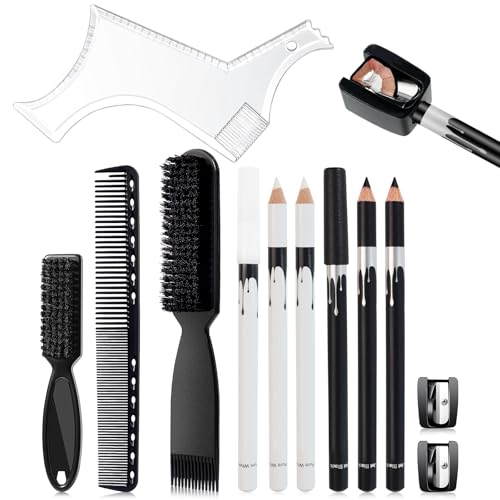
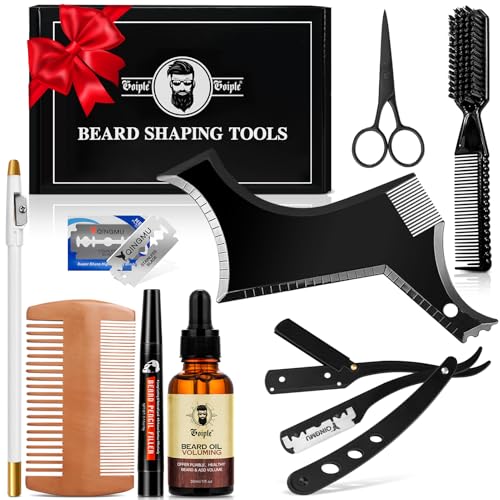
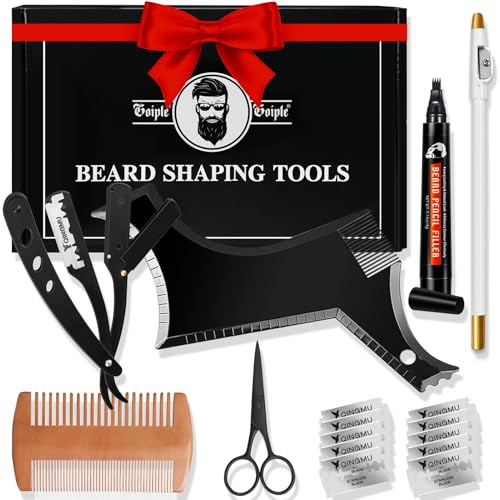

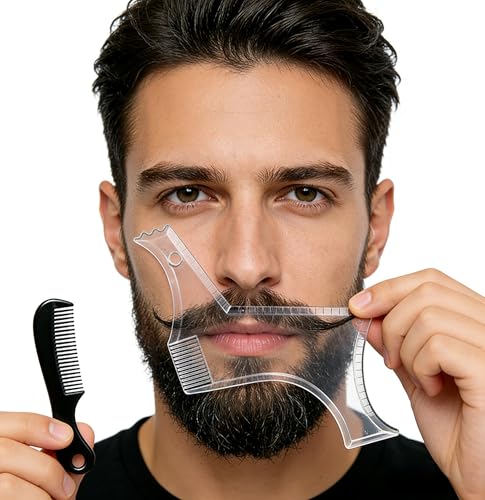


Who Should Buy Which Beard Shaping Tools?
Your routine matters more than the size of the kit. A person who trims every day needs a fast, repeatable tool, while a person who shapes once a week may value control over speed. The groups below help you match the tool to how often you trim and how much detail you want.
For Value Seekers
Value seekers want a tool that lasts, stays true to its shape, and covers the main jobs without extra parts that never get used. A simple template or a guide with clear markings often gives the best balance of price and durability. Look for solid material, smooth edges, and a design that is easy to clean. Avoid paying extra for a large set when you only shape a neckline and a cheek line.
For Gift Shoppers
Gift shoppers should choose a tool that is easy to understand at first sight, even for someone who has never shaped a beard before. A clear template with printed guides and a simple comb or guide attachment is a safer gift than a complex kit. Good packaging, clear instructions, and a solid warranty also matter, because the recipient may not want to study a long manual. Choose a versatile shape that works for short and medium beards rather than a very narrow specialty tool.
For First Time Buyers
First time buyers should start with a forgiving tool that helps them see the line before they cut. A template that sits flat against the face and shows both sides of the line reduces the risk of taking off too much hair. Pair it with a trimmer that has a guard, and work in small steps so you can check symmetry often. Simple, reliable, and easy to use tools build confidence faster than a kit with many parts.
Key Features to Compare
The features below affect the result more than the number of pieces in the box. Compare them against your beard length, face shape, and how much time you want to spend on shaping.
Template Shape and Symmetry
A template guides the cheek line and the neckline so both sides match. Look for a shape that follows your natural jaw and cheek curve instead of forcing a sharp angle that does not suit your face. Some templates offer more than one curve, which helps if you change styles between a full beard and a shorter shape. The edge should be smooth and firm, so the trimmer follows it without slipping.
Guides, Combs, and Edge Control
Guides and combs control how much hair the trimmer removes and help you keep an even length while you shape the outline. A good guide stays in place and gives a clear view of the line you are cutting. For detailed work around the lips and chin, a smaller edge guide gives better control than a wide comb. If you shape a goatee or a mustache, check that the tool lets you work in tight areas without blocking your view.
Material, Grip, and Durability
Material affects comfort, cleaning, and how long the tool keeps its shape. A firm template holds its curve over time, while a very thin template may bend and give an uneven line. A comfortable grip matters when your hands are damp or when you shape slowly around curves. Smooth, easy to clean surfaces also help, because hair and skin care products can build up on textured edges.
Size, Weight, and Fit for Your Space
Size and weight matter most if you travel or store the tool in a small bathroom. A compact template fits easily in a wash bag and is less likely to bend in transit. A larger template may suit a long beard, because it covers more of the cheek and neck in one pass. Check the overall size against your face as well, since a tool that is too large can hide the line you are trying to follow.
Ease of Use and Setup
The best shaping tool is one you will actually use on a regular basis. Setup should take seconds, with no fiddly assembly before each trim. Clear markings, a flat fit against the skin, and a design that works with your existing trimmer all save time. If a tool needs constant adjustment, you are more likely to rush and make an uneven cut.
Intended Use and Who It Is For
Match the tool to your main style. Short beards need sharp, clean edges and a guide that shows the line clearly. Medium beards benefit from a template that handles both cheek lines and necklines in one routine.
Long beards need a tool that keeps the sides even without pulling or catching longer hair. If you switch styles often, a versatile template with more than one curve is usually a better choice than a single purpose guide.
Common Mistakes to Avoid When Buying Beard Shaping Tools
- Choosing by price alone, without checking whether the shape suits your face and beard length.
- Ignoring size and fit, which can make a template hard to hold steady or hard to see around.
- Buying a tool that is too large or too small for the area you shape most often.
- Skipping the warranty and care guidance, then finding the tool bends or wears out quickly.
- Expecting one tool to fix an uneven trim, when slow, checked steps matter just as much.
Care and Maintenance Tips
Read the manual before first use, and follow the maker guidance for cleaning and storage. Clean and inspect the tool regularly, and check the edges for nicks or bends that could catch hair or scratch skin. Store it in a dry place, away from heat and heavy objects that could warp a template.
Keep sharp tools away from children, and replace a damaged tool rather than trying to force a bent edge back into shape. A well kept tool gives a steadier line and lasts longer.
Frequently Asked Questions
How long does a beard shaping tool last?
A beard shaping tool can last for years when it is made from firm material and stored flat in a dry place. Its life depends on how often you use it, how you clean it, and whether it gets bent in a bag or drawer. Check the edges before each use, and replace the tool if it warps, cracks, or no longer sits flat against your face. A bent template can lead to uneven lines, so it is better to replace it than to work around the damage.
What features matter most when buying beard shaping tools?
The most important features are a shape that suits your face, a smooth and firm edge, and a clear view of the line you are cutting. A good grip and a size that fits your face matter just as much, because a tool that slips or hides the line will give uneven results. For detailed styles, a smaller edge guide helps around the lips and chin.
Durability and easy cleaning also matter, since a tool that bends or traps residue will not stay accurate. Choose these core features before worrying about extra parts.
How much should I spend on a beard shaping tool?
Most buyers can find a solid shaping tool for about $10 to $30, which covers simple templates and basic guide kits. Spending more can buy firmer material, extra curves, or a fuller kit, but it does not guarantee a better result on its own. Start with a tool that covers your main jobs, and only pay extra for features you will use every week.
If you shape daily or switch styles often, a more versatile set may be worth the higher price. Always compare the shape and fit first, and treat extra pieces as a bonus.
Are expensive beard shaping tools worth it?
An expensive tool can be worth it when it offers firmer material, better symmetry, or curves that match your face more closely. It is less useful when the extra cost only buys more parts that you never use. The value depends on how often you shape, how much detail your style needs, and whether the tool stays accurate over time.
A mid priced template that fits well often beats a costly kit that is awkward to hold. Judge the tool by fit, edge quality, and ease of use, not by price alone.
How do I maintain a beard shaping tool?
Clean the tool after each use by removing trapped hair and washing it as the maker directs, then dry it fully before storage. Inspect the edges for nicks, bends, or cracks, and store the tool flat in a dry place away from heat. Avoid stacking heavy items on top of a template, since pressure can warp its shape over time.
Keep sharp tools away from children, and follow the maker guidance for any moving parts or attachments. Regular care keeps the edge smooth and helps every trim stay even.
Final Thoughts
The best beard shaping tools are the ones that match your face, your beard length, and your routine, with a shape you can repeat with confidence. Focus on template shape, edge quality, grip, and ease of use before you compare kit sizes or prices. Work slowly, check symmetry often, and let the product table above guide your final choice. A simple tool used well will give a cleaner result than a complex kit that you rush through.


