Best Bear Mattresses (2026): Which Model Should You Buy?
Disclosure: We may earn a commission when you buy through links on this page, at no extra cost to you. As an Amazon Associate I earn from qualifying purchases. Learn more

Which Bear mattress fits you? Compare the foam, hybrid and premium hybrid models by firmness, cooling and price.
Bear sells a small lineup, yet the models feel quite different once you lie on them. The best bear mattress for you depends on how the build handles comfort and support, what the materials and certifications tell you, and how well the bed manages temperature through the night.
This guide compares the types in the lineup instead of reviewing individual products, covering sleeper groups, features, sizing, budget, and care. Start with the product table below, then use the sections that follow to narrow the range to one clear choice.
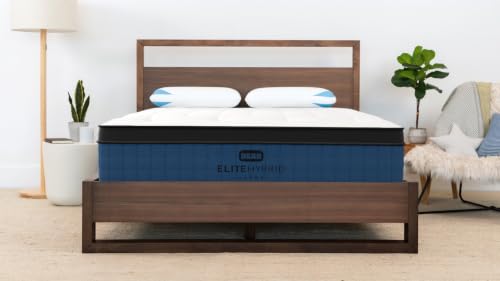
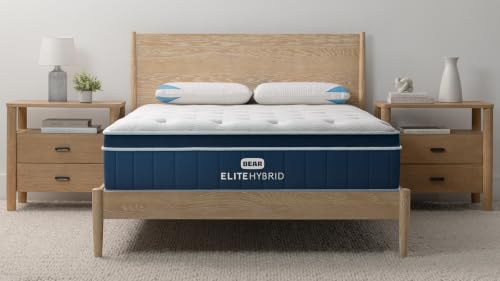
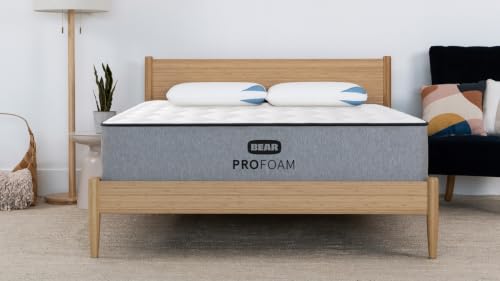
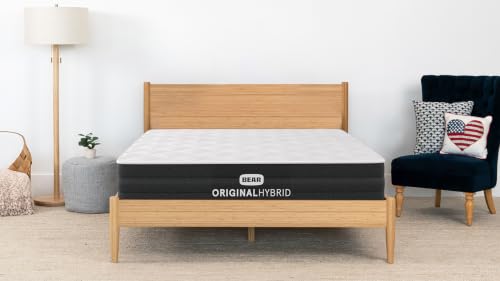
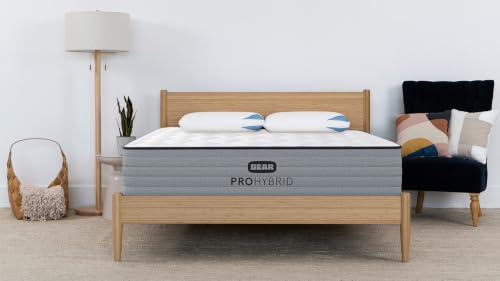
Bear Mattress Types Compared
The Bear range is built around three broad types. Which family a model belongs to tells you more about its feel than the marketing name does, so compare types first and trim levels second.
- All foam builds. Stacked foam layers with no coils. Quiet and still, with close contouring and a lower profile on the frame.
- Hybrid builds. Foam comfort layers over a pocketed coil base. Coils add airflow, bounce, and firmer edges, and the bed stands taller.
- Premium hybrid builds. Extra height, more comfort material, and more cooling fabric. You pay for a plusher surface and stronger edges, not a different kind of support.
Foam suits stillness and close contouring. Coils suit warm sleepers who change position often.
Who Should Buy a Bear Mattress?
Bear designs its beds with active sleepers in mind, but the lineup does not fit everyone equally.
Active People Who Want a Supportive Feel
If you train hard and wake up stiff, you likely want a surface that holds your midsection level instead of letting it sink all night. Bear models lean toward the firmer side of medium, and that steady support keeps your back and hips in line while sore muscles rest. Cooling covers also appeal after evening workouts. If you prefer a deep, plush cradle, this brand may feel too firm.
Sleepers Who Wake With Back Discomfort
A sagging or overly soft bed can leave your lower back unsupported for hours, so shoppers comparing options in our guide to the best mattress for back pain often look at Bear for its firmer profiles. A level surface will not treat a medical problem, though. If pain is severe, follows an injury, or comes with numbness or weakness in a leg, talk with a clinician before you blame the mattress.
Couples Who Share a Bed
Partners disturb each other when motion travels across the surface. Bear foam and hybrid models both damp movement better than a basic coil bed, and the hybrids add edge structure that makes the full width usable. Couples with very different body weights should note the firmness advice below, because the lighter partner feels the same bed as noticeably firmer than the heavier partner does.
Key Features to Compare
Four factors separate the models in this lineup. Compare them in this order, because firmness and build affect your sleep far more than cover fabric or small extras.
Firmness and Support
Firmness describes how the surface feels in the first minutes. Support describes whether your spine stays level for eight hours. A bed can feel firm yet support poorly if its base layers are weak, and a softer bed can support well if its core holds your hips up. Bear models mostly sit in the medium firm range, which suits back and stomach sleepers and many combination sleepers. Judge support by your morning body. Aching hips or a strained lower back on waking mean you sank too far.
Foam and Coil Construction
All foam Bear models build comfort from dense foam layers, so the feel is quiet, close, and slower to respond when you roll over. Hybrids place foam over pocketed coils that move on their own, adding lift, airflow, and a quicker response. If you are still weighing the broader choice, our explainer on hybrid vs memory foam lays out the trade offs plainly. Also check the listing for current foam safety certifications from independent testing programs, and confirm the certification names the exact model you are buying.
Cooling Cover and Airflow
Bear leans on cooling cover fabrics that feel cool at first touch, and some models add infusions in the foam that aim to move heat away from the surface. A cool touch cover helps you fall asleep, but it cannot hold that feeling all night alone. Airflow does the lasting work, and coil bases move far more air than solid foam cores. Hot sleepers should weight the hybrids more heavily, choose breathable sheets, and avoid thick waterproof protectors that trap heat.
Motion Isolation and Edge Support
Foam absorbs movement at the source, so all foam models usually keep a partner shift from reaching your side. Hybrids isolate motion slightly less, yet their reinforced edges hold up when you sit to dress or sleep near the perimeter. Think about which matters more in your room. A small shared bed needs usable edges, while a large bed rewards pure motion control. Read how the edge is built, because a foam encased coil unit and a simple foam rail feel very different after a year of daily sitting.
How to Choose the Right Bear Mattress
Size and Form Factor
Bear sells the standard sizes, from twin and twin XL through full, queen, and king, plus California king and split king options. Measure your room and leave walking space on both sides, then measure your frame rather than trusting its label. A split king is two twin XL beds side by side, suiting couples who want separate firmness or adjustable bases, but it needs two sheet sets and leaves a center seam. Taller hybrids raise bed height, so check that your feet reach the floor when seated.
Sleep Position and Body Type
Back sleepers usually do well on the medium firm Bear profiles, since the surface fills the curve of the lower back without lifting the shoulders. Stomach sleepers need the firmer end so the hips stay level with the chest. Side sleepers place their weight on the shoulder and hip and need more give at the surface, so readers in that group may want to compare our guide to the best mattress for side sleepers before deciding. Heavier sleepers compress foam further, and the thicker hybrid builds handle that load better.
Trial Period and Warranty
Bear sells online, so the home trial replaces the showroom. Read the terms before you buy, including how many nights you must keep the bed before returning it, who arranges pickup, and whether a fee applies. Keep the receipt and law tag, and use a protector from the first night so the bed stays returnable. The warranty is a separate promise about defects such as deep impressions, not about comfort, so read what depth of sag it covers and what base keeps it valid.
How Much Should You Spend?
Spend follows build more than brand. The lowest priced Bear models are the all foam designs, where your money goes into the foam stack and cover. A hybrid adds the coil unit, extra height, and stronger edges, and the premium tier adds cooling material and a plusher feel. Set the budget by the sleeper, not the room. A guest bed used a few weekends a year can sit at the entry tier, while your main bed earns the step up if the features solve a real problem like heat or partner motion.
How the Bear Lineup Is Organized
Read the lineup as a ladder. The bottom rung is the original style all foam bed, for shoppers who want the brand feel at the lowest cost and profile. The middle rungs are the standard hybrids, which keep a similar firmness but swap the foam core for coils, adding airflow, height, and edge strength. The top rung is the premium hybrid, with more comfort material and cooling fabric.
Each step up buys a physical change you can point to, such as coils instead of a foam core or a taller comfort stack. If two models share a build and firmness, the cheaper one usually serves you just as well.
Common Mistakes to Avoid
- Choosing by firmness label alone, because a label feels firmer to light sleepers than to heavy ones.
- Ordering a tall hybrid for a high frame without checking total height, because climbing into bed nightly gets old fast.
- Expecting a split king to feel like one smooth bed, because the center seam shows when you roll across it.
- Judging the bed after two nights, because early stiffness can fade as your body adjusts over a few weeks.
- Skipping the protector, because one spill can void both your return option and your warranty claim.
- Using widely spaced or sagging slats, because poor support underneath makes even a good mattress feel lumpy.
How to Make Your Bear Mattress Last Longer
Start with a waterproof protector on day one, since sweat and spills break foam down from the inside long before the surface looks worn. Rotate the bed head to foot every few months so body weight spreads evenly, unless the maker says your model has a fixed head and foot. Keep slats close together with a center support under larger sizes, because a flexing base quietly shortens foam life.
For spills and routine freshening, follow the steps in our guide on how to clean a mattress, and never soak the foam, since deep moisture dries slowly and invites odor. When the bed wears out, plan the exit early. Our guide on how to get rid of a mattress covers donation, recycling, and pickup options, so the old bed never spends a week leaning in your hallway.
FAQ
What is the best bear mattress for most sleepers?
For most sleepers, the middle of the lineup is the sensible default, meaning a medium firm hybrid if your budget allows it. The coils suit more body types and room setups than a foam core, and the firmness sits where back, stomach, and combination sleepers overlap. Also measure doorways and stair turns before ordering the largest sizes, because a boxed bed still needs a clear path into the room.
Is Bear a good mattress brand to consider?
Bear suits shoppers who like a focused lineup, a firmer feel, and beds designed with active recovery in mind. The short model list makes comparing easy, and you are not paying for a showroom network. The same focus limits choice, though. Shoppers who want latex, a very plush surface, or many firmness options per model will find more to like elsewhere, and knowing that upfront saves a return.
How long does a Bear mattress usually last?
A foam or hybrid bed in this class often lasts about seven to ten years, depending on the weight it carries and how well the base supports it. Watch for end signs rather than the calendar. A visible dip that stays after you get up, new morning aches that ease once you move, and edges that collapse when you sit all say the support is gone.
Can you use a Bear mattress on an adjustable base?
Most foam and hybrid beds of this type flex well on an adjustable base, but confirm your exact model on the product page before buying the base. Also check the base itself. A solid platform or closely spaced slats support the bed evenly, while an old wire grid can press into the foam and change the feel. Raising the head slightly also helps some snorers breathe easier.
How do you know if a Bear mattress feels too firm during the trial?
Give the bed at least a few weeks, then judge by pressure points. Numb arms, sore shoulders, or an aching hip on your side point to a surface that is too firm for you. Before starting a return, try a thinner pillow, since a high pillow can push a side sleeper out of line and mimic firmness pain. If the aches stay, use the trial rather than hoping the foam softens enough.
Final Thoughts
Bear keeps its lineup simple, so your decision is mostly about build, firmness, and budget. Match the type to your sleep position, confirm size and base, and let the trial protect the rest. For most shoppers, the best bear mattress is the medium firm hybrid that fits their frame and room. Compare it against the wider field in our guide to the best mattress, and recheck the product table above before you order.