Best Barber Chairs for 2026: Spend Where It Counts
Disclosure: We may earn a commission when you buy through links on this page, at no extra cost to you. As an Amazon Associate I earn from qualifying purchases. Learn more

Barbers and shop owners can compare the best barber chairs by type, height range, recline, and padding, and see what each budget buys.
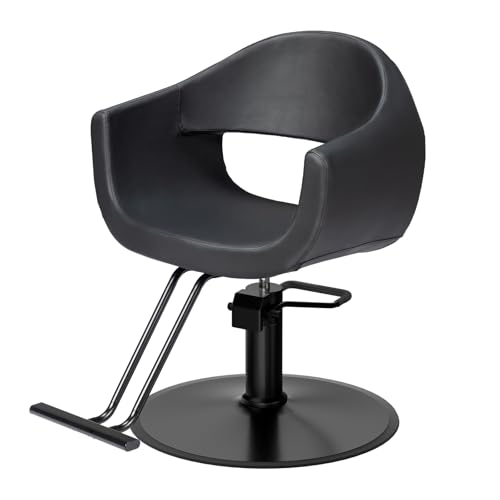
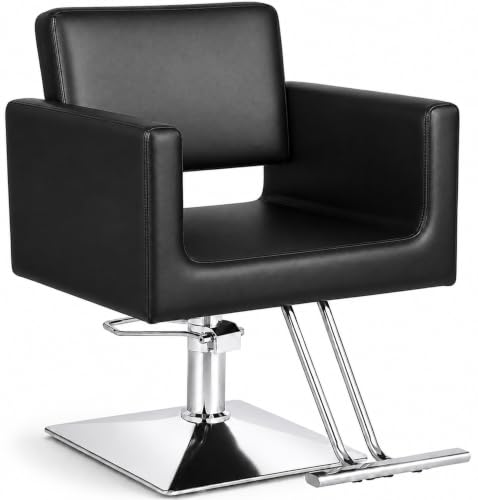
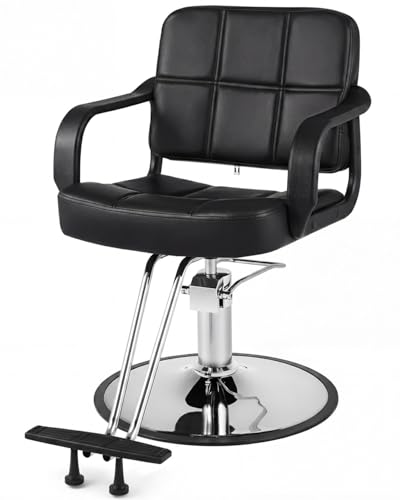
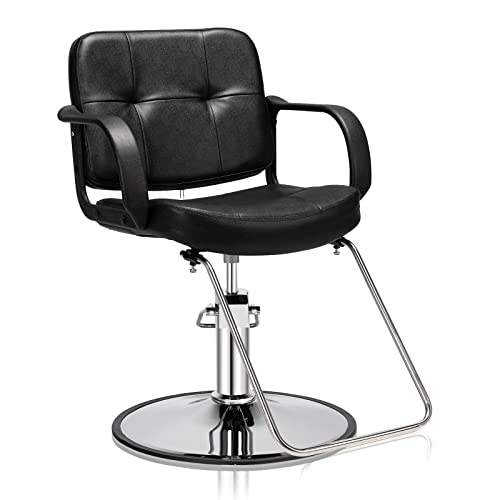
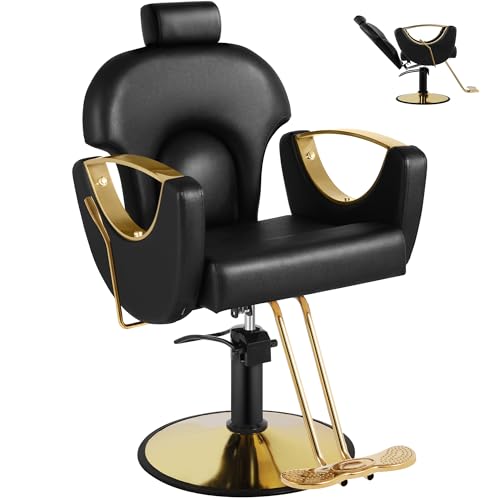
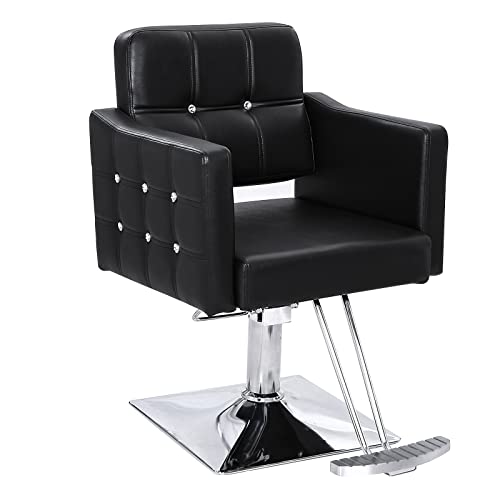
Shopping for best barber chairs can feel confusing because prices range from a few hundred dollars to several thousand, and the listings often look alike at first glance. The right chair is the one that fits your space, supports long workdays, and holds up to daily use without forcing you to pay for features you will never touch. Use the product table to compare chair types side by side before you narrow the field.
This guide walks through price tiers, the features that earn their cost, and the trade offs that matter most in a working shop. You will also find guidance for vintage, durable, and antique styles, plus the long term costs that often get missed in the first budget. By the end, you should know exactly where your money does the most good.



Who Benefits Most From a Purpose Built Barber Chair
A barber chair is not just a seat. It sets working height, controls how a client sits for each cut, and shapes how comfortable a long appointment feels. The groups below show how different shops use the same basic chair in different ways.
Barbers in Small Shops
Small shops need chairs that turn, recline, and lock without eating up floor space. A compact base and a smooth recline mechanism matter more than a wide seat, because the barber must move around the client freely. Look for a footprint that leaves room for a station, a mirror, and a clear walkway. A chair that is hard to move or hard to clean will slow every appointment.
High Volume Shops
Shops that run back to back appointments need chairs built for constant use. Thick padding, strong hydraulics, and upholstery that wipes clean quickly will pay off fast. A chair that sinks, wobbles, or needs frequent adjustment will cost time and goodwill. Durability and simple maintenance matter more here than decorative detail.
Home Barbers and New Shops
A home barber or a new shop owner often works with a tighter budget and a smaller room. A simpler chair with solid height adjustment and a reliable recline can cover most cuts well. Spend on comfort and stability first, and leave fancy extras for later. A well chosen basic chair beats a flashy chair that feels unstable after a few months.
What Your Money Gets You at Each Price Tier
Price tiers in this category reflect build strength, adjustment range, and finish more than brand names. The tiers below describe what you can reasonably expect at each level, and where the trade offs sit. Use them to match your budget to your workload, not to chase the highest price by default.
Budget Tier: What to Expect
Budget chairs usually offer manual or basic hydraulic height adjustment, a simple recline, and vinyl upholstery. They suit light use, a home setup, or a shop that is trying out a new service. Expect a narrower weight range and fewer adjustments, so check the seat width and the height range carefully. Padding may feel firm at first and soften with use, and the base may be lighter than on pricier chairs. For occasional use, that trade off is often fair.
Midrange Tier: A Sensible Middle Ground
Midrange chairs usually add smoother hydraulics, a wider recline range, better padding, and sturdier frames. Many also offer adjustable armrests, a lockable recline, and a heavier base that feels steady during a cut. This tier suits most working shops, because it balances daily durability with a price that leaves room for other equipment. If you cut hair all day, this is often where comfort and value meet.
Higher Tier: When Extra Spending Makes Sense
Higher priced chairs usually bring thicker high density foam, stronger frames, wider adjustment ranges, and finer finishes such as stitched upholstery or metal trim. They may also recline further, rotate more smoothly, and hold their feel after years of daily use. The extra cost makes sense for a busy shop where the chair is in use all day, or for a shop where the chair is part of the room design. For light use, the same money may be better spent elsewhere.
Features Worth Paying For (and Ones to Skip)
Not every feature earns its price. The sections below separate the features that change daily comfort and workflow from the extras that look good in photos but add little in practice. Judge each feature against your workload, your room, and your clients.
Ergonomics and Adjustability
Seat height range matters because you need to work without bending or reaching. A good chair lets you raise a shorter client and lower a taller one quickly, and it locks firmly at each height. Lumbar support and a shaped backrest help clients sit still for longer cuts. Adjustable armrests help when you work around shoulders, but four way armrests are only worth paying for if you actually adjust them during cuts. Tilt lock is worth having, because a chair that drifts during a shave or a fade is a real annoyance.
Size, Dimensions, and Weight Capacity
Measure your room before you order, and leave space for the chair to recline fully. Check seat width, seat depth, and the full reclined length, not just the upright footprint. Weight capacity should cover your heaviest clients with room to spare, because a chair worked near its limit will wear faster. Also check door width and hallway turns, since a wide chair can be hard to move into a small shop. A chair that fits the room and the client is worth more than a larger chair that crowds the space.
Comfort and Cushioning
High density foam holds its shape longer than soft foam, and it supports clients through long appointments without bottoming out. Seat thickness alone does not tell the story, so look at foam density and how the seat is shaped. A slightly curved seat and a padded headrest make a difference during washes and shaves. Upholstery should wipe clean and resist stains, because hair products and water are part of daily life in a shop. Skip ultra soft padding that feels plush for ten minutes but sags by the end of the day.
Assembly and Delivery
Assembly time varies a lot, from a mostly assembled chair to one that needs an hour and two people. Check whether the chair ships in one box or several, and whether the base and the hydraulics arrive preassembled. Clear instructions and standard tools make the job far easier. Delivery matters too, because a heavy chair may need a threshold delivery or a freight service. Factor that cost and effort into your budget before you order.
Picking the Best Barber Chairs for Different Uses
Style and build priorities change with the look and the workload of the shop. The three styles below share the same basic job, but they reward different buying decisions. Use them to refine your shortlist after you settle on a price tier.
Best Vintage Barber Chairs: Where Your Money Goes
Best vintage barber chairs trade on classic styling, often with rounded lines, metal trim, and a retro silhouette. Judge them on frame condition, hydraulic function, and upholstery wear, not on looks alone. A restored chair should recline and lock smoothly, and replacement parts should be available. Pay for solid mechanics first, because a beautiful chair that will not hold height is a display piece, not a working tool.
Best Durable Barber Chairs
Best durable barber chairs are built for heavy daily use, with strong frames, thick upholstery, and simple mechanisms that are easy to service. Look for a heavy base, a high weight capacity, and seams that are stitched rather than glued. Ask how the hydraulics and the recline lock can be serviced, because even a strong chair will need parts over time. Durability is worth paying for in a busy shop, where downtime costs more than the price gap.
Best Antique Barber Chairs: Where Your Money Goes
Best antique barber chairs appeal to shops that want a period look, but they need extra care in buying. Check for worn hydraulics, cracked upholstery, and missing parts, and ask whether the chair can be serviced locally. An antique chair may suit a low volume shop or a waiting area better than a busy cutting station. Spend on condition and function, and treat pure decoration as a bonus, not a reason to buy.
Long Term Costs to Factor In
The purchase price is only part of the cost of owning a barber chair. Upholstery cleaning supplies, replacement casters, and eventual hydraulic service all add up over time. A chair with standard parts and a clear warranty will usually cost less to keep running than a chair with unusual fittings. Also budget for floor protection, because a heavy chair with a metal base can mark wood or tile. When you compare chairs, add a rough allowance for cleaning and maintenance to each price tier, and the value ranking may shift.
Related seating can help you compare shapes and uses. See our guide to best salon barber chairs if you run a full salon rather than a barber only shop. For a chair that doubles as everyday desk seating, see our guide to best office task chairs. If overall build quality is your main concern, see our guide to best quality chairs.
Frequently Asked Questions
What features matter most in a barber chair for long hours?
Height range, lumbar support, and thick high density padding matter most for long hours, because they keep both the barber and the client comfortable through repeated appointments. A smooth hydraulic lift saves effort between clients, and a firm tilt lock stops the chair from drifting during detailed work. Upholstery that wipes clean quickly also matters, since it shortens turnover time. Skip decorative extras until these basics are covered, because they affect every single cut.
Is an expensive barber chair worth it?
An expensive barber chair is worth it when the shop is busy enough for durability and comfort to affect income. Stronger frames, better foam, and smoother hydraulics hold up under constant use and keep clients comfortable. For light or occasional use, a midrange chair often delivers nearly the same daily experience for less money. Judge the purchase by hours of use per week, not by the price tag alone, and weigh service and parts availability too.
How long should a good barber chair last?
A good barber chair should last many years in normal shop use, though the exact span depends on workload, care, and build quality. Chairs in busy shops wear faster, especially at the hydraulics, the recline lock, and the upholstery seams. Regular cleaning, prompt tightening of loose bolts, and keeping the chair within its weight capacity all extend its life. When the hydraulics sink or the frame wobbles, repair may be smarter than replacement if parts are available.
How do I choose the right size barber chair?
Choose the right size barber chair by measuring your room, your clients, and the reclined footprint together. Seat width should suit most clients without crowding the barber, and seat height range should let you work without bending. Leave room for the chair to recline fully and for you to walk around it. If the shop is small, a compact base and a moderate seat width will serve you better than the largest chair on the market.
Do barber chairs need professional assembly?
Barber chairs do not always need professional assembly, but heavy chairs benefit from two people and careful handling. Many chairs arrive partly assembled, with the base and the hydraulics needing the most care. Read the instructions fully, check that all bolts are tight, and try the height and recline before the first client. If the chair is very heavy or the hydraulics feel stiff, follow the manufacturer's instructions or ask a professional for help.
Final Thoughts
The smartest way to buy is to match the chair to your workload, your room, and your budget in that order. Comfort, height range, and build strength affect every appointment, while decorative extras affect only the look of the room. Measure carefully, check weight capacity and reclined size, and leave room in the budget for cleaning and upkeep. The product table is a useful place to compare your shortlist once you know your priorities.
For most shops, a solid midrange chair with good padding and smooth hydraulics is the best balance of comfort and value. Busy shops may gain from a stronger, higher tier chair, while light use shops can save money without losing much. Whatever tier you choose, the best barber chairs are the ones that stay comfortable, stay steady, and stay easy to work with day after day.