Best Batting for Outdoor Cushions 2026: Quick Dry Polyester Wrap
Disclosure: We may earn a commission when you buy through links on this page, at no extra cost to you. As an Amazon Associate I earn from qualifying purchases. Learn more

Best batting for outdoor cushions: compare quick drying polyester wraps by thickness and fit for patio seating.
Outdoor cushions live a hard life: sun, rain, humidity, spilled drinks and daily use. The batting wrapped around the foam core or stuffed inside a cover decides how plump the cushion looks and how well it dries. The best batting for outdoor cushions is a quick drying polyester wrap that resists moisture and mildew and keeps its shape under weather exposure.
The product table above lists polyester cushion wrap and upholstery batting in several thicknesses. Use the sections below to match the batting to your cushions and to learn how to protect them from moisture. Use these checks whenever you compare the best batting for outdoor cushions options in the table.



Why Polyester Beats Cotton Outdoors
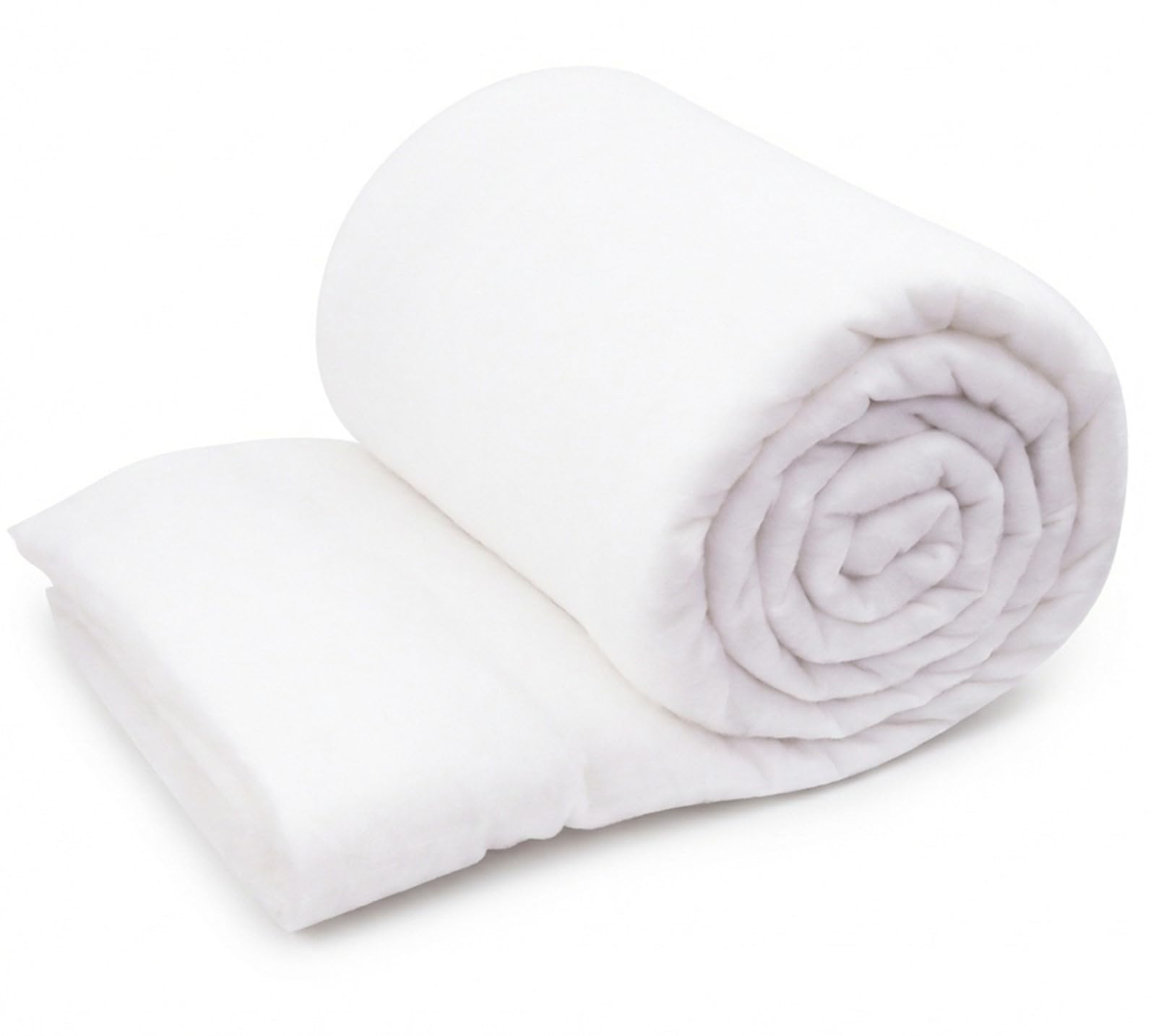
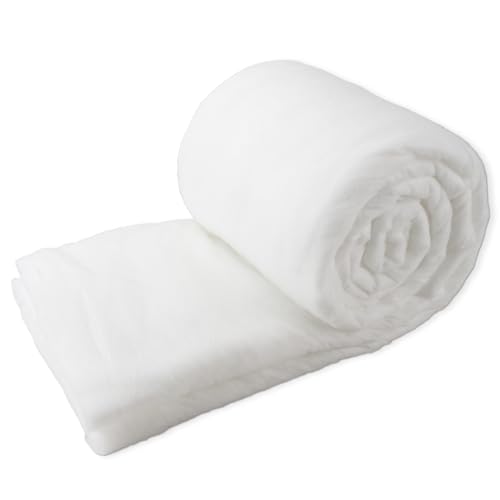
Cotton batting absorbs water, takes a long time to dry and can grow mildew. Polyester is hydrophobic, which means it takes on little moisture and dries faster. Bonded polyester batting also resists breaking down in heat and holds its loft after repeated compression. For these reasons, polyester is the standard for outdoor furniture cushions.
Types of Batting for Outdoor Cushions
Bonded polyester cushion wrap
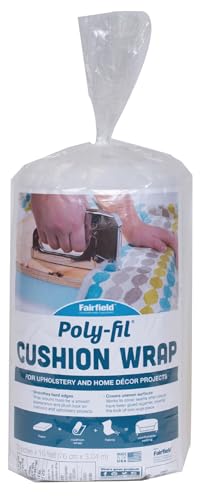
Used to wrap around foam, it softens the edges and fills the cover. Choose a thickness of 1/2 to 1 inch.
Polyester fiberfill
Loose fill used for pillows and back cushions. Look for a product labeled as hypoallergenic and quick drying.
Fiber fill with a moisture barrier
Some outdoor fills are treated for mildew resistance. They suit humid climates.
Foam with batting
For seat cushions, quick dry reticulated foam with a layer of polyester wrap drains water and dries quickly. The batting layer adds comfort and shape.
Key Features to Compare
- Material: 100 percent polyester is the safe choice outdoors.
- Thickness: 1/2 inch for a light wrap, 1 inch for a plush look.
- Width and length: enough to wrap your cushion without seams.
- Density: higher density holds its shape longer.
- Drying time: look for batting that is quick drying.
- Treatments: mildew resistance is helpful in damp climates.
Measuring and Wrapping
Measure the cushion foam length, width and thickness. For the wrap, add the foam thickness twice plus the length to determine the batting width needed in one direction, and do the same in the other. Add a couple of inches for overlap. Wrap the foam with the batting, tuck the ends and slide the cushion into its cover. Use a plastic bag to help the cushion slide in.
Protecting Outdoor Cushions
- Choose covers made from solution dyed acrylic or marine grade fabric, which resist fading and water.
- Use covers with zippers and ventilation so moisture can escape.
- Store cushions in a deck box or indoors when not in use, or during heavy rain.
- Stand wet cushions on their edge to drain and dry fully before storing.
- Clean covers regularly with mild soap and water, following the care label.
Replacing Flat or Moldy Fill
If the cushion smells musty or shows mold, replace the fill rather than trying to rescue it. Remove the old batting, wash the cover as directed, let everything dry in the sun and install fresh batting. Flat cushions can often be revived by replacing the wrap. If the foam itself is crushed or crumbling, replace it too.
Common Mistakes to Avoid
- Using cotton batting outdoors.
- Putting damp cushions into storage.
- Choosing batting that is too thick for the cover.
- Skipping the cover ventilation.
Frequently Asked Questions
Can I use regular quilt batting outdoors?
Polyester quilt batting can work, but upholstery cushion wrap is thicker and designed for foam.
How long does outdoor batting last?
Several seasons with good care. Sun and moisture eventually wear it down.
Is waterproof batting available?
Polyester resists water but does not make a cushion waterproof. A water resistant cover is more important.
How do I dry wet cushions?
Squeeze out water, stand them on edge in sun and airflow, and turn them regularly.
Cushion Types and the Batting They Need
Seat cushions for dining chairs
These usually have a 2 to 3 inch foam core. A single half inch wrap softens the edges and helps the cover fit, and it keeps the foam from showing at the seams.
Deep seating cushions
Thicker seat and back cushions on patio sofas benefit from a full inch of polyester wrap for a plush look. Pay attention to the back cushions, which can be filled with fiber for a relaxed shape.
Chaise and lounger pads
Long cushions need a wrap in one piece, or overlapping pieces, to avoid lumps along their length. Check the width of the roll before ordering.
Bench and swing cushions
Because they are used for longer periods, choose firm foam and a lighter wrap to prevent shifting. A thin batting layer keeps the cushion from sliding inside the cover.
Climate Considerations
In humid or rainy regions, ventilation and drying time matter most. Look for covers with mesh bottoms or grommets so that water drains. In sunny, hot climates, the cover fabric should resist UV light, because fading and weakened fibers shorten the life of the cushion. In freezing climates, store cushions indoors for the winter, since trapped moisture can freeze and damage the foam and fill.
Budget and How Much to Buy
Cushion wrap sold in rolls is the most economical for several cushions, and prices vary with width and thickness. A small project, like a pair of chair pads, can be done with a pre cut sheet. Buy a bit more than you calculate, because trimming and mistakes happen, and you may want a spare layer to adjust fit. Quality polyester batting is inexpensive compared with replacing a full cushion, so it is a cost effective way to refresh patio seating.
Before you shop, count how many cushions you need, measure each one and note the thickest cushion. This will help you decide whether to buy one large roll or several smaller packs.
Cleaning Outdoor Cushion Covers
Brush off dirt, then wash covers following the label, usually in cool water with mild soap. Air dry fully in sun and shade before reinstalling. Treat mildew spots with a diluted white vinegar solution and rinse well. Regular cleaning keeps the fabric strong and stops grime from working into the batting.
Final Thoughts
Choose polyester, match the thickness to your foam and cover and store the cushions dry. The best batting for outdoor cushions keeps seats plump and dries quickly after rain. Compare the products in the product table, and for related reading see the guide to the best material for outdoor cushions.