Best Battery Circular Saws 2026 Buying Guide
Disclosure: We may earn a commission when you buy through links on this page, at no extra cost to you. As an Amazon Associate I earn from qualifying purchases. Learn more

How to choose best battery circular saws for a workshop or a job site. Compare types, features, prices, and care tips in this clear guide for confident buying.
A cordless circular saw gives you clean cuts in boards, plywood and framing lumber without hunting for an outlet or dragging a cord across the job. The best battery circular saws pair a brushless motor and a usable blade depth with a battery platform you are happy to stay with.
The product table compares current saws, from compact models to full-size framing saws. This guide explains blade sizes, motor types, battery choices and safe use.


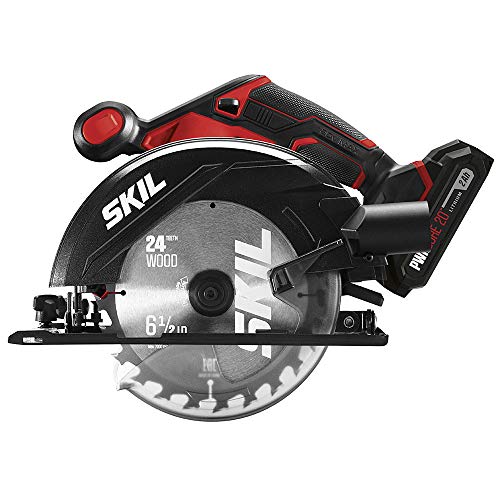
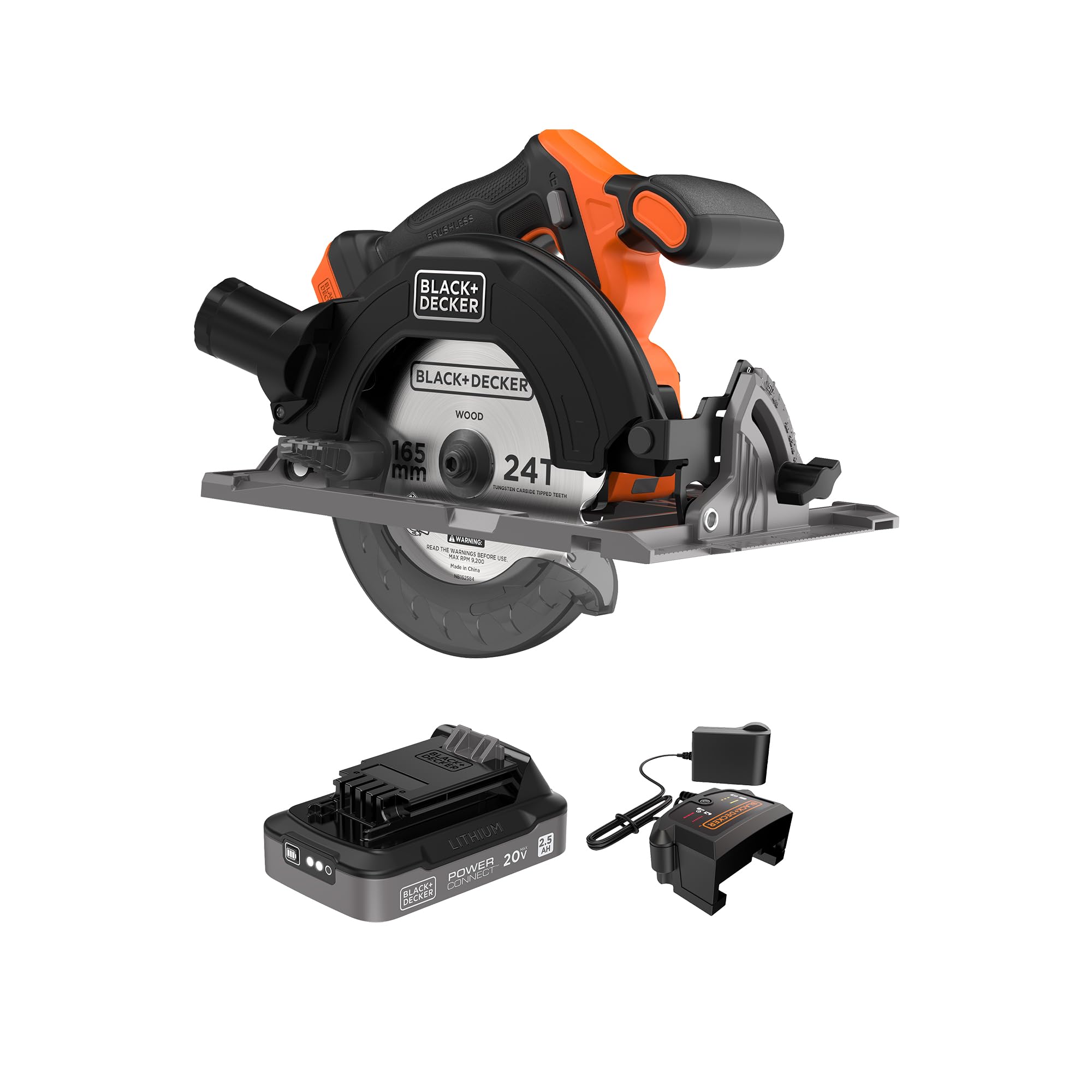


Types of Battery Circular Saws
Compact Saws (4-1/2 to 6-1/2 Inch)
Lightweight saws are easy to control for trim, sheet goods and one-handed cuts. They have a shallower cutting depth, so they suit DIY projects, decks and furniture work. They are also less tiring overhead.
Full-Size Saws (7-1/4 Inch)
These cut through 2x lumber in a single pass at a 90 degree angle and handle most framing and building tasks. They weigh more and use more battery power, so a 5.0 Ah pack or larger is a good match. For corded options, see our guide to the best electric circular saws.
Plunge and Track-Compatible Saws
Plunge saws start the cut in the middle of a panel and run on a guide rail for straight, splinter-free cuts. They cost more and suit cabinet makers and flooring installers.
Key Features to Compare
- Brushless motor: runs cooler, uses less power and lasts longer than a brushed motor.
- Blade size and depth of cut: 6-1/2 inch blades cut to about 2-1/8 inches, 7-1/4 inch blades to about 2-1/2 inches.
- Battery platform: look at voltage (18V or 20V), amp-hours and the cost of spare batteries.
- Weight and balance: lighter saws reduce fatigue, while a balanced saw tracks the line more easily.
- Bevel and depth adjustment: a quick, tool-free lever and a clear scale save time.
- Safety features: a blade guard, an electric brake and a lock-off switch make cutting safer.
- Dust port and sight line: a clear view of the blade makes accurate cuts easier.
How to Choose the Right Cordless Circular Saw
Think about the material and cut. For plywood, trim and decking, a 6-1/2 inch saw is plenty. For framing, joists and thick boards, choose a 7-1/4 inch saw. If you already own cordless tools, buy a bare tool to use your existing battery and save money.
Check runtime in feet cut or the amp-hours of the supplied battery. A single 4.0 Ah pack covers many home projects, but contractors prefer 5.0 Ah or two batteries. Most saws cost about $80 to $350, depending on kit contents. Also see the best small circular saws for compact choices.
Using a Circular Saw Safely
- Wear safety glasses, hearing protection and a dust mask.
- Clamp the work so it cannot move, and support both sides of the cut.
- Set the blade depth about a quarter inch below the thickness of the material.
- Keep both hands on the saw, and keep the cord or battery pack clear of the cut path.
- Let the blade reach full speed before cutting, and wait for it to stop before putting the saw down.
- Remove the battery before changing the blade.
Care and Maintenance
- Clean sawdust from the guard, shoe and vents after use.
- Replace a dull or damaged blade promptly, since a dull blade strains the motor and the battery.
- Store batteries at room temperature and recharge them before a long break.
- Check that the lower guard moves freely and springs back.
- Keep the base plate flat and free of burrs.
Common Mistakes to Avoid
- Choosing the cheapest bare tool without checking which batteries you already own.
- Using a thick, slow blade for fast cuts in thin material.
- Cutting without clamping the board.
- Setting the depth too deep, which raises kickback risk.
- Ignoring the weight, then finding the saw heavy overhead.
Battery Circular Saws: Questions Answered
Are cordless circular saws as powerful as corded ones?
Modern brushless models come close for most jobs. They may run out of charge during long ripping sessions, so a spare battery helps.
What blade size should I buy?
A 6-1/2 inch saw is lighter and handles most DIY jobs. A 7-1/4 inch saw cuts deeper and is better for framing.
How long does the battery last?
It depends on the wood, the blade and the battery size. A 4.0 Ah pack often makes dozens of cuts through 2x lumber, but wet or dense wood shortens that.
Can I use the saw on metal or masonry?
Only with a blade made for that material and a saw that the maker approves for it. Most wood saws are not suitable.
Do I need a kit or a bare tool?
Buy a kit if you have no matching battery. Buy a bare tool if you already own batteries on the same platform.
Choosing a Blade for Your Cordless Circular Saw
The blade changes the cut more than the motor does. A blade with 18 to 24 teeth rips quickly along the grain and suits framing lumber. A blade with 40 to 60 teeth cuts more slowly but leaves a smooth edge in plywood, trim and laminate. Thin-kerf blades remove less material, which is easier on a battery and a good match for 18V and 20V saws.
Check that the blade diameter and arbor size match your saw, and replace a blade as soon as it burns the wood or needs extra push. Carbide-tipped blades stay sharp far longer than plain steel blades, which saves battery power over the life of the tool.
Battery Size and Runtime Tips
A circular saw draws a lot of current, so battery size matters more here than on a drill. A 2.0 Ah pack may handle trim and light plywood, while a 4.0 to 6.0 Ah pack is better for framing and long rip cuts. Cold weather reduces runtime, so keep batteries indoors until you need them. Two batteries and a fast charger let you cut all day without waiting.
To save charge, support the board so the blade does not pinch, set the depth correctly and let the saw reach full speed before you start the cut. A sharp blade and a steady feed rate also use less energy than forcing a dull blade through the wood.
Final Thoughts
Pick the blade size for your cuts, choose a brushless motor and stay within the battery platform you already use. The best battery circular saws are light enough to control, strong enough for your lumber and backed by affordable spare batteries. Compare current saws in the product table by size, weight and kit contents.