Best Bathtubs Home Depot: A First Time Buyer's Guide for 2026
Disclosure: We may earn a commission when you buy through links on this page, at no extra cost to you. As an Amazon Associate I earn from qualifying purchases. Learn more
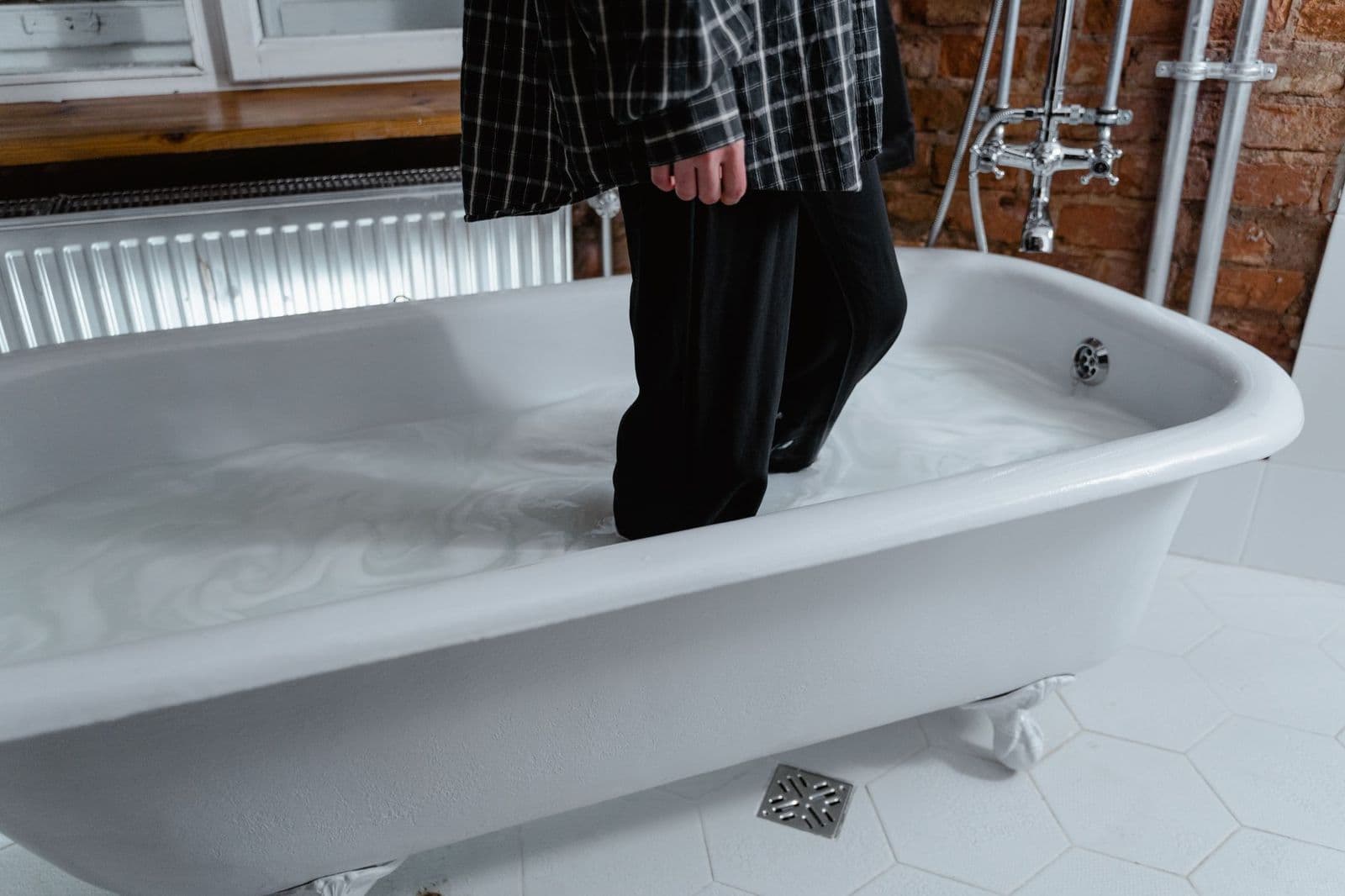
Planning the best bathtubs home depot style project? Learn tub types, sizes, materials and delivery checks, and avoid rookie mistakes with this easy guide.
Buying a bathtub sounds simple until the listings start talking about aprons, drain positions, and soaking depth all at once. If you are shopping for the best bathtubs home depot for a first bathroom project, this guide explains each choice in plain language. You will learn the basic types, the measurements that decide fit, and the questions to answer before anything gets delivered.
Start with how you bathe, who else uses the tub, and how much renovation work you can accept. Then compare materials, sizes, and installation styles in the sections below. By the end, you should be able to read any listing with confidence and set a realistic budget.
Bathtub Basics for First Time Home Depot Shoppers
Most tubs fall into a few installation families. An alcove tub sits between three walls and has a finished front panel called an apron, which makes it the standard choice for a combined bath and shower. A freestanding tub stands away from the walls and needs open floor space around it. A drop in tub lowers into a framed deck, while a corner tub uses two walls and a wide triangular shape to fill an awkward corner.
A few terms appear on almost every listing. The drain position, left, right, or center, must match your existing plumbing unless you plan to move it. The overflow is the opening near the top of the tub that stops water from spilling over the rim. Rough in notes describe where the drain and water lines sit before the tub goes in.
Key Bathtub Specs for Home Depot Shoppers, in Plain English
Intended Use and Who a Home Depot Bathtub Is For
Decide first whether the tub is mainly for quick showers, long soaks, bathing children, or a mix of all three. A shower focused household usually does best with an alcove tub that has a flat, wide floor and a wall surround. A dedicated soaker should look for extra depth and a sloped backrest. Homes with young children benefit from a lower wall height that makes lifting a toddler in and out easier.
Build Quality and Materials
Acrylic is light, warm to the touch, and easy to clean, and it holds bath water heat reasonably well. Fiberglass costs less but can flex underfoot and fade sooner, so check that the base feels fully supported. Enameled cast iron is very heavy and durable, with excellent heat retention, but your floor must carry the load. Solid surface tubs feel firm and keep heat well, though they usually sit in higher price bands.
Size, Soaking Depth, and Drain Position
The most common replacement size is about 60 inches long and 30 to 32 inches wide, but always measure your own space rather than trusting the old tub. Soaking depth, measured from the floor of the tub to the overflow, often runs about 11 to 15 inches on standard tubs and more on deep models. Confirm the drain side before ordering, because swapping sides can mean paying a plumber to move pipework.
Warranty and Customer Support
Read what the warranty actually covers before you buy. Many warranties cover surface defects and structural flaws for a set period, while damage during installation or from harsh cleaners is excluded. Keep your receipt, the model number, and clear photos of the tub on delivery day, since that paperwork speeds up any claim. Also check the return window for tubs bought online, because returning a bulky fixture is far harder than returning a faucet.
Ease of Use and Setup
Daily ease of use comes down to the step over height, the width of the rim you sit on while swinging your legs in, and whether the tub floor feels stable and slip resistant. For setup, an alcove replacement that reuses the existing drain position is the simplest project. Freestanding and drop in tubs need more framing, plumbing access, and floor preparation. If that sounds beyond your skills, price a licensed plumber into the plan.
Choosing a Bathtub for Your Situation
With the basics clear, narrow the best bathtubs home depot listings by your room and your routine rather than by looks alone. Pick the situation below closest to your project and use its notes as your shopping checklist.
Replacing a Worn Alcove Tub Without Moving Plumbing
If your old tub is cracked or stained but the layout works, a same size alcove replacement keeps costs and disruption down. Match the length, width, and drain side of the tub you remove, and choose acrylic or fiberglass if you need to carry the new tub up stairs with one helper. Budget for a new drain kit and fresh sealant as well.
Planning a Freestanding Tub as the Focal Point of the Room
A freestanding tub suits a larger bathroom where you can leave walking space on every side and place the faucet within easy reach. Check the filled weight against your floor structure, especially on an upper story, and confirm the tub will pass through doorways on delivery day. Plan the floor drain position carefully before the finished floor goes down.
Best Acrylic Bathtubs Home Depot: Tips for First Time Buyers
Acrylic deserves a close look if you want a balance of value, comfort, and manageable weight. Choose a tub with a reinforced base that feels rigid when you press the rim, and favor a glossy finish that resists staining from bath oils. Compact options in acrylic suit small rooms because the material allows shaped interiors, so a shorter tub can still offer a deep soak. Acrylic quality varies widely between budget and mid range options.
Common Mistakes to Avoid
Most first time regrets come from fit and planning, not from the tub itself.
- Measuring only the length of the old tub, because a mismatched width or drain side can stop the installation on the first day.
- Choosing a deep soaking tub for users who find a high wall hard to step over, because daily entry then becomes a strain and a safety worry.
- Forgetting the cost of the drain kit, faucet, and plumbing labor, because the real project total can rise well above the price of the tub alone.
- Ordering before checking doorway and hallway widths, because a tub that cannot reach the bathroom may have to go back on the truck.
- Skipping a check of the subfloor for rot, because a new tub set on weak flooring can flex, crack sealant lines, and leak over time.
Getting Started and Caring for Your New Bathtub
Inspect the tub as soon as it arrives, before the delivery driver leaves if possible. Look for cracks, chips, and warped edges, and photograph any damage for the retailer. Keep the tub in its packaging until the room is ready, then do a dry fit to confirm the drain lines up. Read the manual before first use, since it lists the cleaners the maker allows. Fill the tub and let it sit before the walls are closed, so you can check every joint for leaks while access is still easy.
For routine care, rinse the surface after baths to clear soap and oil residue, and clean weekly with a mild cleaner and a soft cloth. Avoid abrasive powders and scouring pads, which dull acrylic and fiberglass and can scratch enamel. Check the sealant line around an alcove tub once or twice a year, replacing cracked sections so moisture cannot reach the wall framing.
If you are remodeling the whole bathroom, plan the tub and the toilet together, so see our guide to the best home depot toilets for the matching fixture.
Bathtub Questions First Time Buyers Ask
Are expensive bathtubs at Home Depot worth paying more for?
Sometimes, yes, but only when the extra money buys a thicker shell, better heat retention, or a longer warranty. A higher price does not automatically mean a better fit for your room. One useful test is cost per year of expected use, since a durable tub kept for decades can work out cheaper than a bargain tub replaced early.
How do I maintain a bathtub bought from Home Depot?
Follow the care label for your specific material, because acrylic, enamel, and solid surface each rule out different cleaners. One habit worth adding is ventilation: run the bathroom fan during and after baths so lingering moisture does not soften sealant or feed mildew on grout lines. Keep a note of the cleaning products you use, which helps if a warranty question ever comes up.
How long does a bathtub from Home Depot usually last?
A well installed tub often serves for 15 years or more, and enameled cast iron can last far longer. Lifespan depends less on the store and more on material, support under the base, and water quality. Hard water is a factor many buyers miss, since mineral scale left on the surface slowly dulls the finish and makes cleaning harder over time.
What features matter most when buying a bathtub for the first time?
Correct dimensions, a compatible drain position, and a material your floor can support matter more than styling extras. After those, look at soaking depth and the shape of the backrest, because they decide comfort every day. One feature buyers often overlook is rim width: a slightly wider rim gives you a place to set a book or bath products without a separate stool.
How much should a first time buyer spend on a bathtub?
Plan on about $300 to $900 for the tub itself in most standard sizes, with freestanding and cast iron models costing more. Set aside extra for the drain kit, faucet, and installation, which together can match the price of a mid range tub. Fix your total project budget first, then work backward so delivery and plumbing help are never squeezed out.
The Bottom Line
Measure carefully, match the drain, pick a material your floor and budget can handle, and read the warranty before you pay. Those steps resolve most of what makes a first tub purchase feel risky. The best bathtubs home depot choice for your bathroom should be the one that fits your space, your routine, and your total project budget.