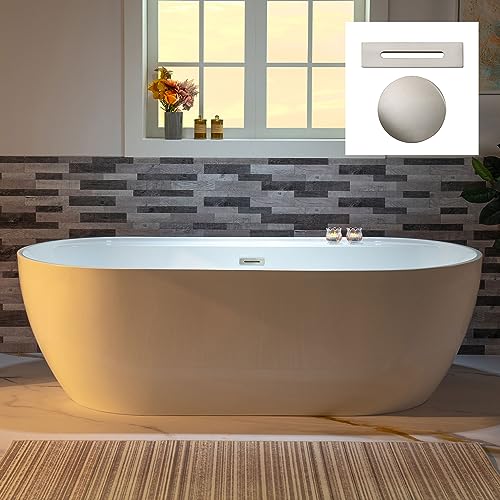
Best Bathtubs for Remodel: Everything to Know Before Your First Purchase in 2026
Disclosure: We may earn a commission when you buy through links on this page, at no extra cost to you. As an Amazon Associate I earn from qualifying purchases. Learn more

Remodeling a bathroom? The best bathtubs for remodel depend on space, drain position, floor load and price class. Here is how to choose.
Buying a tub during a remodel feels different from buying one for a finished room, because the room itself is still open and every measurement can still be checked. This guide walks first time buyers through the best bathtubs for remodel decisions in plain order, starting with the space you already have and ending with the price classes worth paying for.
A remodel tub is read by the space class first. The alcove length and the drain position are fixed by the room, and the tub class you choose has to match both, since moving a drain costs far more than choosing a tub that fits the one you have. The product table lines up the main options so you can compare them against your own measurements.


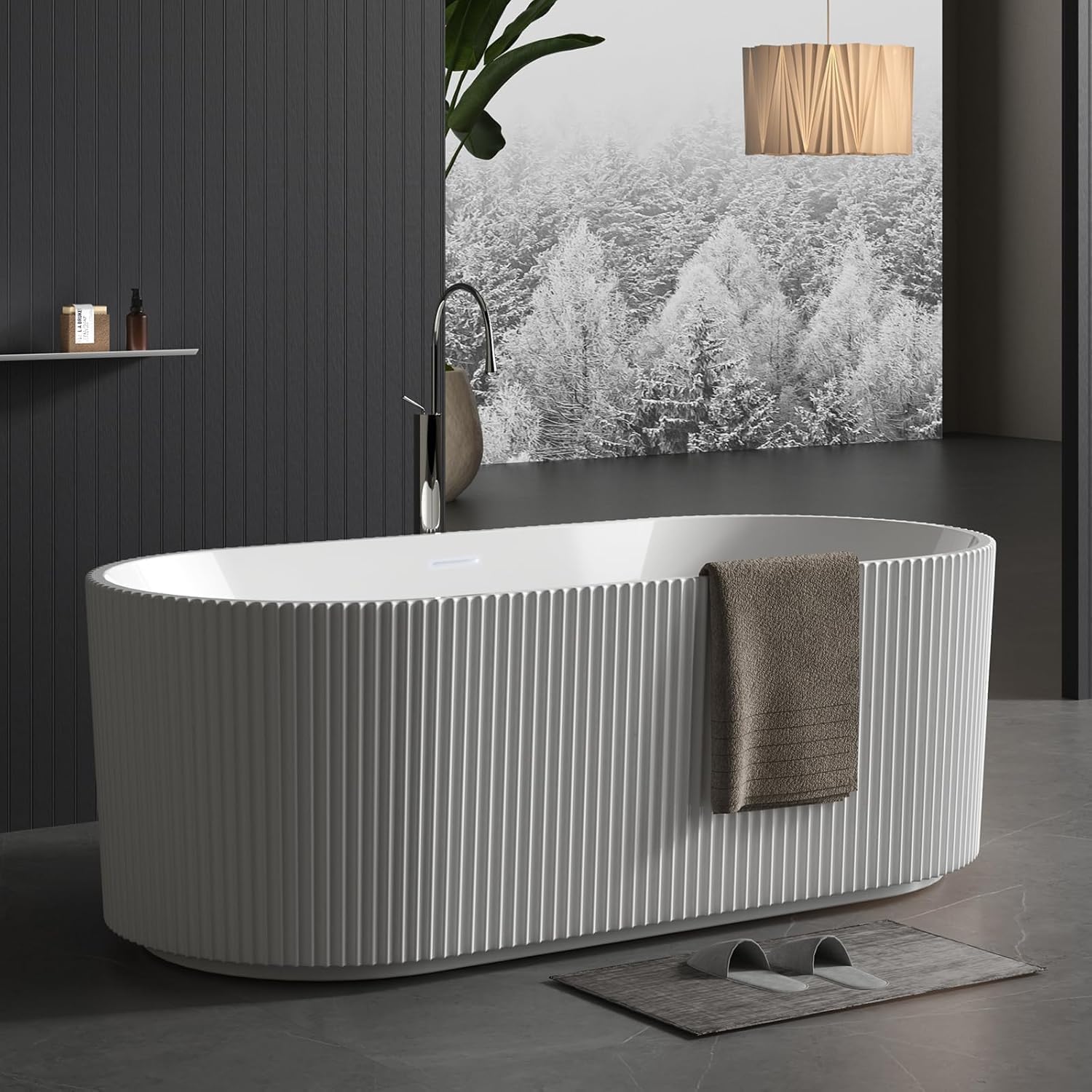
Bathtubs for Remodel 101: The Basics
A bathtub is a fixed plumbing fixture, not a piece of furniture. It connects to a drain and an overflow, it is filled through a faucet that is usually mounted on the wall or the rim, and once it is set and sealed it is not meant to move again. That permanence is why remodel buying starts with fit rather than looks.
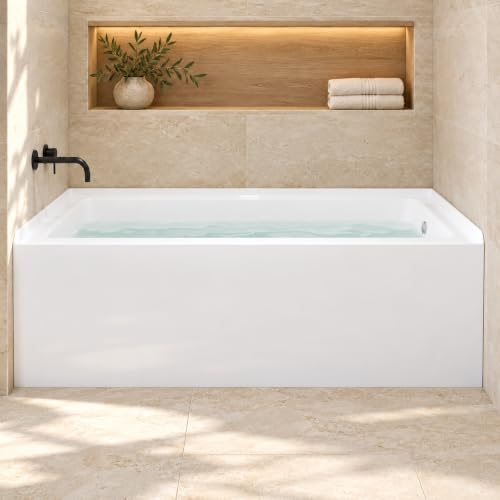
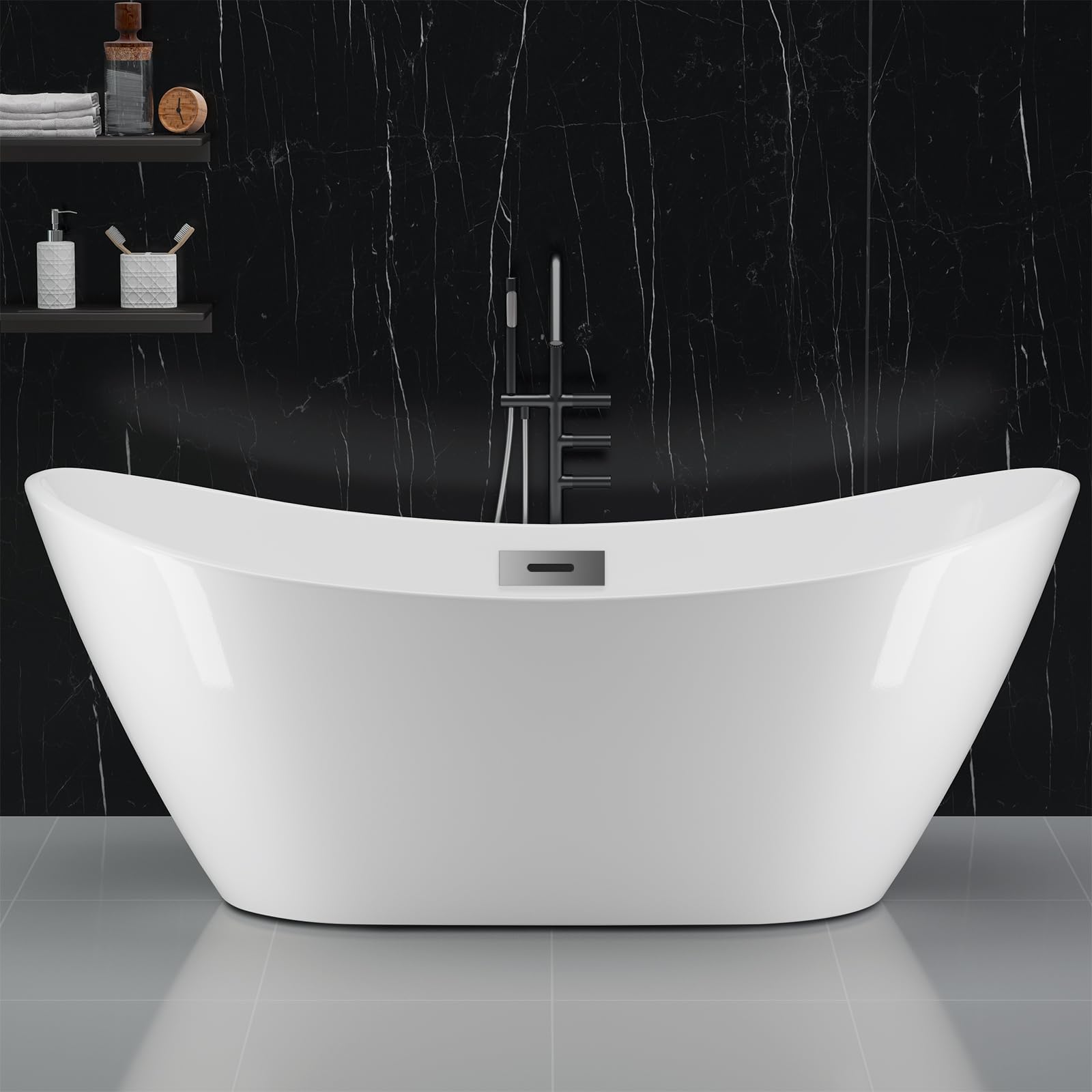
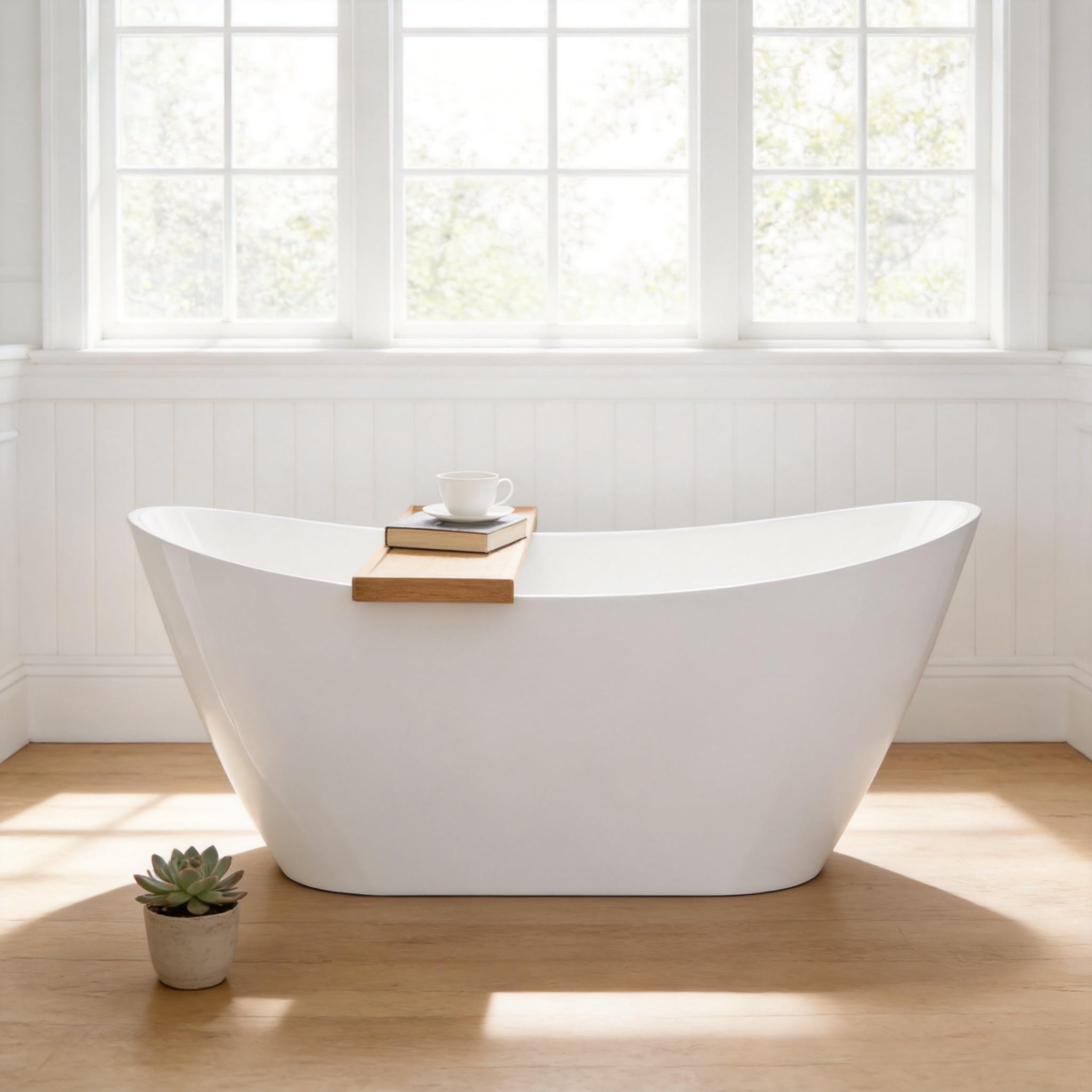
The main classes are easy to learn. An alcove tub sits between three walls and is the standard class in most homes. A drop in tub sits inside a framed deck that your builder constructs. A freestanding tub stands alone with exposed sides, and guides to best freestanding bathtubs cover that class in depth, since it needs floor space on every side and a floor mounted filler in many layouts.
Two terms matter for every class. The drain position, left, right or center, must match the plumbing already in your floor. The soaking depth, measured from the floor of the tub to the overflow, tells you how much of your body the water actually covers.
Key Specs Explained in Plain English
Features That Matter for Remodel
Remodel work rewards tubs that forgive small surprises. A tiling flange, a raised lip on the wall sides, keeps water from reaching the wall behind the finish. An adjustable leg or a level base helps when the subfloor is not perfectly flat, which is common in older homes. Apron front classes hide the rough framing and finish the room without extra carpentry. Compare these fitting features against the picks in the product table before you fall for a shape, because a beautiful tub that fights the room will cost you days.
Intended Use and Who It Is For
Decide who will use the tub most before you choose a class. A household that bathes children daily needs a lower rim and a flat bottom that is easy to climb over and sit in. A household that soaks needs depth above everything, and readers in that group often start with guides to best bathtubs for soaking to see how depth classes compare. Guest bathrooms that see a weekly bath can trade depth for a lower price without anyone noticing.
Price vs Value
Tub prices split into clear classes. Budget classes run about $300 to $600 and cover basic alcove shapes in lighter materials. Mid range classes run about $600 to $1,200 and buy thicker walls, better finish and more depth choices. Premium classes run about $1,200 to $2,500. Remember that the tub is only part of the bill, since plumbing changes, setting materials and finishing work often cost as much as the tub itself, which is why judging best quality bathtubs by the shell alone misleads first time buyers.
Size, Weight, and Fit for Your Space
Measure the alcove length, the width and the doorway the tub must pass through, in that order. Standard alcove classes are built around lengths that match common framing, so a tape measure settles most choices quickly. Then weigh the floor. A filled tub is a serious weight class, since water, the shell and a bather together can pass several hundred pounds resting on a small area of joists. Older floors may need sistered joists or added blocking, and that floor load check belongs in the budget before the tub is ordered, not after it arrives.
Build Quality and Materials
Material decides weight, warmth and lifespan together. Acrylic is light, warm to the touch and easy to repair when scratched. Fiberglass costs less but flexes more and fades sooner. Enameled steel is rigid and inexpensive yet chips at the rim if struck. Cast iron holds heat the longest and lasts for decades, but its weight class demands strong floors and more hands during setting. A full rundown of best material for bathtubs compares these classes side by side if you want the deeper version.
Rookie Mistakes to Avoid
- Ordering before measuring the drain position, so the tub arrives with the drain on the wrong side and the return costs a week.
- Choosing a freestanding shape for a tight alcove room, where the class simply has no space to stand alone.
- Forgetting the doorway and stair turns, so a tub that fits the room cannot physically reach the room.
- Spending the whole budget on the shell and leaving nothing for the valve, the drain kit and the setting materials.
- Skipping the floor load check on an older home, then discovering flex and cracked grout lines within the first season.
Getting Started: Setup and First Use
Job order decides how smooth a remodel feels. The tub class is set before the wall and floor finish classes, because the finish is cut and fitted around the tub that is already in place. Set the tub level, connect the drain and overflow, fill it once and check every joint for leaks while the walls are still open and a fix costs minutes instead of demolition.
Sealing the rim where the tub meets the wall is a separate finishing step that uses its own accessory class, covered on its own in guides to best caulk for bathtubs. Read the manual before the first use, rinse away construction dust, and inspect the seal lines whenever you deep clean the room during the first months.
FAQs
What features matter most in bathtubs for remodel?
Fit features matter most, starting with drain position and alcove length. After fit, look at the tiling flange, a level base and the rim height your household can step over comfortably. One point buyers often miss is the valve wall thickness, since thick rim classes limit which faucets can mount on the tub itself and may push you toward a wall mounted filler instead.
How much should I spend on a bathtub?
Most first time remodel buyers land in the about $600 to $1,200 class and get a tub that lasts. Spend less only when the room is a rental or a quick refresh. Keep a reserve beside the tub price, because a drain move, a new valve or floor reinforcement each add real money, and a reserve keeps one surprise from stalling the whole project midstream.
How do I maintain a bathtub?
Rinse the surface after baths and wipe it dry weekly to slow soap film. Use cleaners matched to your material class, since abrasive powders scratch acrylic and dull fiberglass. Reseal the rim joint when it cracks or lifts, usually every few years. Avoid leaving metal cans on the rim, because rust rings stain enamel and are far harder to remove than to prevent.
Are expensive bathtubs worth it?
They are worth it when the extra money buys a thicker shell, a better finish and a depth class you will use daily. They are not worth it when the premium only buys a shape trend. A cast iron or thick acrylic tub in a forever home repays its price over decades, while the same spend in a starter home rarely returns at resale.
How long does a bathtub last?
A well set tub lasts a long time, with cast iron classes often passing forty years and quality acrylic classes reaching twenty or more. Lifespan depends less on the shell than on the setting, since a tub that flexes or leaks at the rim fails early whatever it is made of. Stable support and sound seals are the real lifespan features.
Which tub bottom is better for a remodel?
A lightly textured floor grips bare feet better, while a smooth glossy floor looks clean yet feels slick under soapy water. After that, weigh soaking depth against step over height for the people who will actually use the tub.
Wrapping Up
For a first purchase, the order never changes: measure the space class, match the drain, check the floor load, then compare shapes and price classes inside those limits. The product table is a good final cross check once your measurements are written down. Choose the best bathtubs for remodel class that fits the room you have, and the rest of the project gets easier from there.