Best Bathtubs for Plus Size: A First Time Buyer Guide for 2026
Disclosure: We may earn a commission when you buy through links on this page, at no extra cost to you. As an Amazon Associate I earn from qualifying purchases. Learn more

Compare bathtubs for plus size bathers by interior width, soaking depth, weight capacity, entry height, strong materials, care needs and price.
Buying your first tub as a plus size bather is mostly a measuring job, not a style job. The best bathtubs for plus size give you room at the hips and shoulders, a safe way in and out, and a floor that feels solid. This guide starts with basic terms, then covers the sizes that matter, so you can read the product table below with clear questions.
You need your bathroom measurements and an honest sense of the space your body needs to sit, turn, and stand without squeezing.


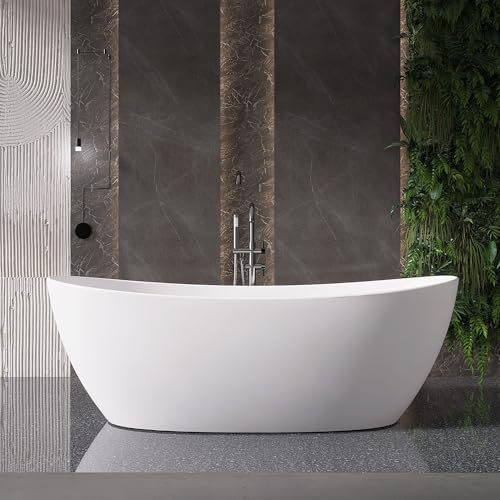

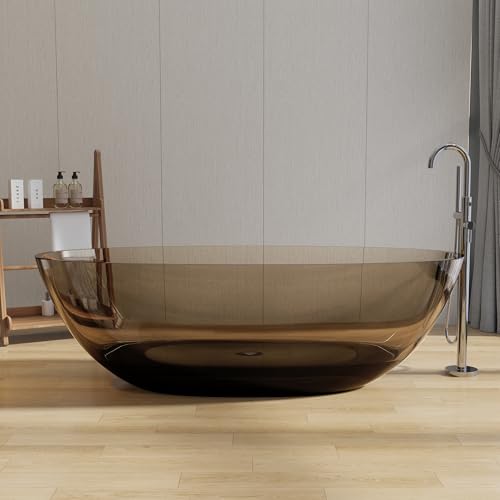
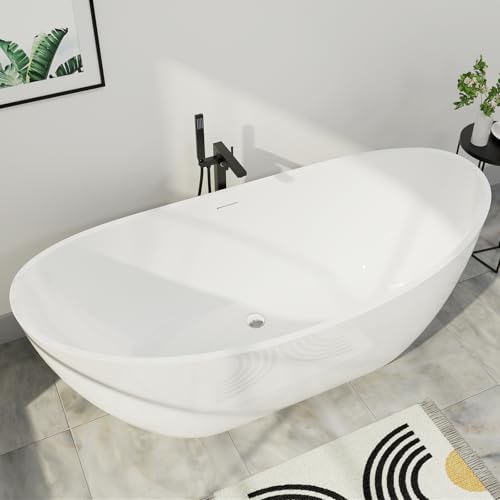


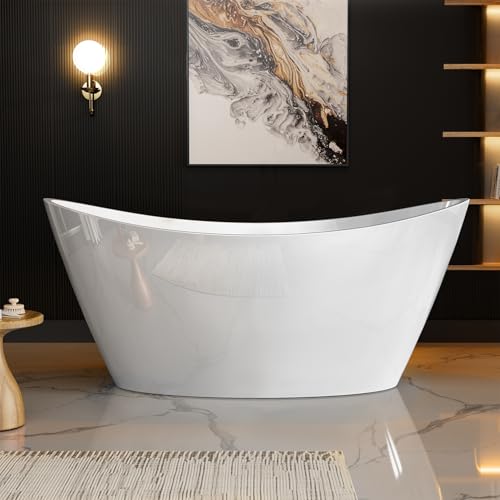
Bathtubs 101: The Basics
A bathtub holds water while you sit or recline inside it. The outside size tells you whether the tub fits the room, while the inside size tells you whether it fits you. For plus size bathers, the inside numbers matter more, because thick walls and sloped ends can leave a large looking tub with a narrow floor.
An alcove tub sits between three walls and suits most bathrooms. A freestanding tub stands away from the wall and often gives a wider interior, but needs floor space on all sides. A drop in tub rests inside a built surround, and a walk in tub has a door and a low step.
Who Should Buy Which Bathtub Style?
Start with how you bathe most weeks. Your entry needs and soaking habits will point each group below toward a different style.
Daily Soakers Who Need Room to Stretch
You soak to unwind and want your legs extended and your shoulders below the water line. Look for a longer interior, a gently sloped back, and a deep soak level. A freestanding or drop in style often suits you best.
Bathers With Stiff Knees and Hard Entry
You need to sit and stand without climbing over a high wall or lowering yourself to a low floor. A walk in tub with a molded seat, a low step, and a sealing door will serve you better than a deep soaking tub. Choose controls you can reach while seated.
Households Sharing One Tub
You share the bathroom with a partner, family, or guests, so the tub must work for more than one body. Choose a wider alcove or drop in tub with a flat floor, a center drain, and arm space on both sides.
Key Features to Compare
Compare each tub in the same order, from fit to cost, so a low price cannot hide a tub that is too narrow or hard to enter.
Interior Width, Length, and Depth
Interior width is the clear space at the floor and at hip level, and plus size bathers should look for about 32 to 36 inches of outside width with the widest bathing well you can fit. Length of about 66 to 72 inches lets taller bathers stretch without bending their knees sharply. Soaking depth to the overflow is often about 14 to 20 inches.
Weight Capacity and Floor Support
Capacity covers you, the water, and the tub itself, and the total can pass 800 pounds in a large filled tub. Check the rated limit and ask whether your floor needs added support, especially upstairs or in an older home. Leave a safe margin below the stated limit.
Entry Height and Support When Standing
The wall height decides how high you must lift your leg to enter, and a lower wall is easier for stiff hips and knees. A molded seat or wide ledge gives you a place to sit while you swing your legs over. If you feel dizzy when standing, have lasting joint pain, or are recovering from surgery, talk with your clinician about safe bathing before you choose.
Material Strength, Flex, and Finish
Acrylic is light, warm to the touch, and common in wider tubs, but the base must be well supported so the floor does not flex under you. Cast iron feels very solid and holds heat well, yet it is heavy and raises floor concerns. Fiberglass costs less but can flex and fade sooner, while solid surface tubs feel sturdy at a premium cost.
Drain Position, Water Use, and Reach
A drain at one end leaves more flat floor for sitting, while a center drain suits a shared tub with slopes at both ends. Wider, deeper tubs can hold about 60 to 90 gallons, so check that your water heater can fill yours without turning lukewarm. Place faucets where you can reach them while seated, because leaning across a wide rim strains your back.
Price, Value, and Warranty Cover
Budget alcove tubs cost about $400 to $800, mid range acrylic and walk in options cost about $800 to $2500, and premium cast iron or solid surface tubs cost about $2500 to $5000 before fitting. Value comes from fit, solid support, and a lasting finish, not from jets you rarely use. Read the warranty for the shell, finish, and door seal.
How to Measure Your Bathroom
Measure the alcove or floor area, then measure every door and hallway the tub must pass through on delivery day. Note the length, width, and height of the space, and where the drain sits. A tub that fits the room but cannot pass the door creates an expensive return.
Next, sit on the floor against a wall and mark the space your hips, elbows, and knees use when you shift. Compare those marks with interior numbers, not outside numbers. Have a licensed plumber confirm floor support before you order, because the best bathtubs for plus size shoppers carry a larger filled weight than standard tubs.
Rookie Mistakes to Avoid
First time buyers repeat the same few errors, and each one is easier to prevent than to fix after fitting.
- Choosing by outside length alone leaves a narrow interior where your hips press the walls.
- Ignoring filled weight risks a flexing floor and a structure never checked for the load.
- Picking a high walled tub when entry is hard makes every bath start with a risky climb.
- Forgetting water heater size leaves a deep tub half filled lukewarm.
- Skipping the delivery route means a wide tub may not fit your hallway.
Installation and Your First Soak in a Roomier Tub
Read the manual before first use, even if a fitter installed the tub. Run a short fill first and check the drain, the overflow, and any door seal for slow leaks while the room is dry. Sit in the empty tub once to test your entry route and your handholds.
For your first full bath, fill the tub while you stay nearby and keep footwear with grip by the side for the wet floor. Step out slowly and hold a firm support.
Care and Maintenance
Clean the tub with a soft cloth and a cleaner the maker approves for that finish, because gritty powders can dull acrylic and fiberglass and leave rough patches that hold grime. Rinse after each soak and wipe the floor dry, since soap film makes any tub floor more slippery. Inspect caulk and seals each month.
Report new flex, creaking, or soft movement underfoot to a plumber promptly, because movement can open seals and let water reach the floor below. Never use the rim or a faucet as a handle when you stand, since those parts were not built to carry your full weight.
Bathtubs: Your Questions Answered
What features matter most for plus size bathers?
Interior width, soaking depth, and safe entry matter most in a bathtub for a plus size bather. Start with those three, then check rated capacity and flat floor space. Add elbow room when you wash your hair, because a tub can pass a hip measurement and still feel cramped when you raise both arms.
How wide should a plus size bathtub be?
A bathtub for a plus size bather should usually be about 32 to 36 inches wide outside, with the widest interior you can fit. Width at hip level matters more than width at the rim, since many tubs taper toward the floor. If you use a raised seat, measure with that item in mind.
How much should a plus size bathtub cost?
A plus size bathtub for a first purchase often costs about $800 to $2500 for the tub alone in the mid range. Budget for delivery, fitting, and possible floor work on top of that figure. Saving money with a narrow tub is rarely a saving if you must replace it.
Are expensive plus size bathtubs worth the extra cost?
Expensive plus size bathtubs are worth the extra cost when the money buys a wider well, a stronger base, or a better finish. They are harder to justify when the price only adds jets or lights you will not use weekly. Ask what the higher price changes under your body, because support and space are gains you feel every bath.
How long does a plus size bathtub last?
A reinforced bathtub for plus size use can last about 15 to 30 years, depending on material and care. Cast iron and solid surface tubs sit at the long end of that range, while light fiberglass tubs sit at the short end. Prompt chip repair matters, because a small break can let water reach the layers below.
How do I maintain a plus size bathtub?
You maintain a plus size bathtub without damaging the finish by cleaning little and often with a soft cloth and an approved cleaner. That routine prevents heavy scrubbing that dulls a surface over time. Once a season, check supports for movement, since a large tub that shifts can crack caulk and strain the drain joint.
Final Thoughts
Put interior fit, safe entry, and solid support at the top of your list, and let style follow. Measure your room and your own sitting space, then use the product table above to compare width, depth, capacity, and price.
When you choose best bathtubs for plus size with those checks in mind, your first tub is far more likely to feel roomy and steady from the first soak.