Best Bathtubs for Elderly: A Buying Guide for 2026
Disclosure: We may earn a commission when you buy through links on this page, at no extra cost to you. As an Amazon Associate I earn from qualifying purchases. Learn more
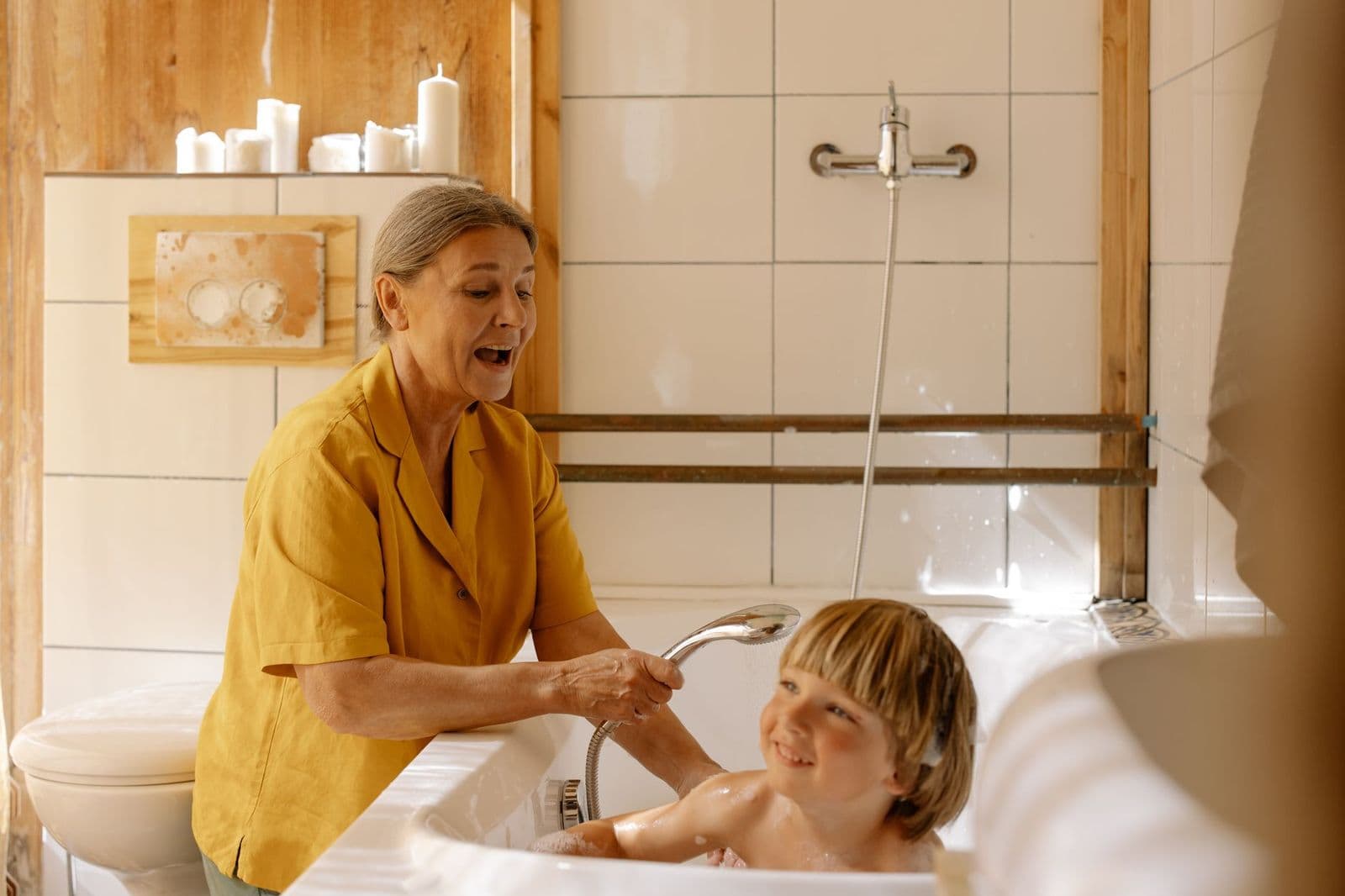
The best bathtubs for elderly adults offer a low step, steady seating, and reachable controls. Learn what to check before you buy.
Choosing the best bathtubs for elderly adults starts with one simple question: what makes getting in, sitting down, and standing up feel steady and calm? A good tub removes hurry from bath time. It gives you a low step, a place to sit, and support you can reach without stretching. This guide compares tub styles by entry, seating, size, and everyday ease of use, so you can match a tub to your bathroom and your routine.
Bathing should feel private, warm, and unhurried, not like a balancing act. The right tub helps you keep your footing on a wet floor, sit at a height that suits your knees, and control water temperature without fumbling. It also fits the room you already have, with plumbing and doorways that do not need a major rebuild. Use the sections below to sort the choices before you look at prices.
Who Should Choose Which Style
Older adults do not all need the same tub, and the best choice depends on balance, strength, space, and who helps with bathing. A person who lives alone may value a door that opens inward and a seat that lets them sit before water fills the tub. A couple sharing one bathroom may need a tub that still works for a younger partner who prefers a quick shower. A family member choosing for a parent may care most about a clear path to the tub, a hand shower within reach, and controls that are easy to see and turn.
Older Adults Who Tire When Standing
If standing for a full shower leaves you tired or unsteady, look for a tub with a built in seat and a low entry step. Sitting while you wash takes pressure off your legs and lets you rest between steps. A hand shower helps you rinse without standing under a fixed shower head. Keep towels, soap, and a robe within arm's reach so you do not need to stand to grab them.
People Sharing One Bathroom
When several people use the same bathroom, a tub with a shower option often works best for the household. A taller wall or a shower screen can keep water off the floor while still giving the older adult a seated bath. Check that the door swing, the shower controls, and the seat height suit both the older adult and other users.
Caregivers Choosing for a Parent
Caregivers should think about help, privacy, and dignity together. A door that opens outward can make it easier for a helper to assist in an emergency, while a seat at a comfortable height reduces lifting. Talk with the person who will use the tub about temperature, water depth, and how long they like to soak. If a health condition affects standing or balance, talk with a doctor about what support is right before you order.
Key Features of the Best Bathtubs for Elderly Adults
The details below matter more than a fancy finish or a long list of jets. Compare them side by side, and give the most weight to the features that solve your own daily problems.
Low Step Entry and a Door That Seals Well
The entry step is often the hardest part of the whole bath. A low threshold lets you step in with a small lift of the foot instead of a high climb over a wall. Check the step height in inches, the width of the door opening, and whether the door opens inward or outward for your room layout. A good seal should close firmly and stay dry at the edges, and the door latch should be easy to operate with wet hands.
Grab Support and Seating
Grab bars should sit where your hands naturally fall when you sit down and stand up, not just where they look neat on the wall. Look for bars near the entry, beside the seat, and near the controls. The seat should be wide enough to sit on without perching on an edge, and its height should let your feet rest flat on the tub floor. A contoured seat can help you stay in place, while a flat seat may suit people who shift position often.
Size and Fit for Your Bathroom
Measure the room, the doorway, and the path a delivery team will use before you fall in love with a large tub. Note the length, width, and height of the tub, plus the space needed for the door to open and for a helper to stand nearby. A compact tub can work well in a small bathroom if the seat and entry are well placed. A larger tub may feel roomy, but it also takes longer to fill and drain, which matters if you dislike waiting in cool water.
Materials and Surface Grip
Tub materials differ in warmth, weight, and how they feel underfoot. Acrylic feels warm to the touch and is lighter to install, while cast iron holds heat longer but weighs far more and may need floor support. A textured floor or a slip resistant surface helps your feet grip when soap and water are present.
Controls, Fill, and Drain
Controls should be easy to reach from a seated position and simple to read without bending low. Levers are often easier than small knobs for hands with reduced grip strength. A fast fill faucet shortens the wait before you can settle in, and a quick drain shortens the wait at the end of the bath. If you dislike sitting in cooling water while the tub drains, drain speed deserves a high place on your list.
Warranty and Support
A clear warranty tells you how long the door seal, the shell, and the moving parts are covered, and what the maker will do if a seal leaks. Keep the manual and the warranty card in one place, and note the support phone number before installation day. If wiring, plumbing, or floor support is unclear, hire a qualified installer rather than guessing. A tub is a long term purchase, so support after delivery matters as much as the first impression.
Types of Bathtubs
Tub styles differ mainly in how you enter, how you sit, and how much room they need. The descriptions below help you narrow the range by daily use. Focus on entry and seating first, then on extras such as jets or a heated backrest.
Compact Choices
Compact tubs suit small bathrooms and shorter soak times. They use less water, fill faster, and leave more floor space for a helper or a walker. The trade off is less legroom, so taller users should check the interior length and the seat depth carefully. A compact tub with a well placed seat can still feel comfortable for a daily wash.
Mid Range Choices
Mid range tubs often add a wider seat, a hand shower, and better grab support without a large jump in size. They suit people who bathe daily and want a balance of comfort, water use, and price. Look for a door seal with a clear warranty and controls that you can operate without strain. This range is a sensible starting point if you do not need jets or extra heating features.
Higher End Choices
Higher end tubs may add air jets, a heated seat, or a faster drain system. These extras can make a long soak more pleasant, but they also add parts that need cleaning and care. Ask how jets are cleaned and whether the heater needs a dedicated circuit.
Common Mistakes to Avoid
- Choosing by looks alone and ignoring step height, which can turn every bath into a risky climb.
- Forgetting to measure the doorway and the door swing, which can block entry or leave no room for a helper.
- Placing grab bars where they look tidy instead of where your hands fall when you sit and stand.
- Picking a tub that fills and drains slowly, which leaves you sitting in cool water for too long.
- Skipping a check of floor support and plumbing, which can delay installation or add surprise costs.
- Assuming a slip resistant surface replaces careful movement, since wet feet still need slow, steady steps.
One more mistake is worth noting in its own right. Many buyers focus on the tub and forget the path to it, yet a loose rug, a dark hallway, or a cluttered floor can undo the benefit of a low step. Clear the route, add steady lighting, and keep a dry towel close at hand. If you use a bath mat, check that it stays flat and grips the floor.
How to Make Your Bathtub Last Longer
Simple care keeps the door seal tight, the surface smooth, and the drain clear. Rinse the tub after each use and wipe the door seal dry so soap and moisture do not build up along the edges. Clean with a soft cloth and a cleaner suited to the tub material, and avoid abrasive pads that can scratch the surface. Check the seal, the drain, and the faucet washers every few months, and fix small drips before they stain or weaken nearby flooring.
Good habits also protect the people who use the tub. Never leave children unsupervised near water, even in a shallow tub, and keep bath time calm and seated where possible. Store cleaning products away from the tub edge so they cannot fall into the water.
When you compare overall build, see our guide to best quality bathtubs for what separates a sturdy shell from a thin one. For seal upkeep, see our guide to best caulk for bathtubs. For steady footing before and after the bath, see our guide to best shoes for elderly adults who need grip on smooth floors.
Frequently Asked Questions
What makes bathtubs for seniors different from a standard tub?
Bathtubs for seniors differ mainly in entry, seating, and support, not just in size or style. A standard tub often has a high wall to step over, no built in seat, and no bars placed for sitting and standing. A senior friendly tub lowers the step, adds a seat at a useful height, and places grab support where hands naturally fall. It also puts controls within reach from a seated position, which reduces bending and stretching on a wet surface.
How much should I spend on a bathtub for an older adult?
Most buyers spend about $1,500 to $5,000 for the tub itself, with installation adding to the total depending on plumbing and floor work. A simple compact tub with a low step and a seat often costs less than a large tub with jets and heating. Set your budget after measuring the room and getting an installation quote, since a tub that needs major plumbing changes can cost far more than the tub alone. Compare door seals and warranties before you compare extras.
What features matter most when buying a bathtub for an older adult?
Step height, seat height, grab support, and drain speed matter most for daily comfort and safety. A low step reduces the effort of entry, a seat at the right height lets feet rest flat, and bars near the seat help with standing. Fast fill and drain times matter because sitting in cool water while waiting is unpleasant and can chill you. Controls that are easy to see and turn from a seated position round out the short list of must haves.
How long does a bathtub last?
A well made tub can last about 15 to 25 years with regular cleaning and prompt repair of small leaks. The door seal is often the first part to wear, so check it for cracks, stiffness, or damp edges each season. Acrylic shells can scratch if cleaned with abrasive pads, while heavier shells may need floor support checks over time. Keeping the manual and warranty details on file makes it easier to order the right seal or part later.
Are expensive bathtubs worth it for older adults?
An expensive tub is worth it only when its extras solve a real weekly problem, such as slow draining or a seat that is too low. Jets, heated surfaces, and fast drain systems can improve comfort, but they also add cleaning and service needs. A mid priced tub with a low step, a good seat, and strong grab support often serves daily bathing better than a costly tub with features you rarely use. Spend on fit and safety first, then on comfort extras.
Final Thoughts
The best tub is the one that fits your body, your bathroom, and your daily routine without adding stress to bath time. Start with step height and seating, check the room and the plumbing, and then weigh extras such as jets or heating. Talk with a doctor if a condition affects standing or balance, and hire a qualified installer when plumbing or wiring is unclear. When you are ready to shop, use this guide to weigh the best bathtubs for elderly adults by entry, seating, support, and drain speed first.