Best Bathtubs Ever: A Buyer Checklist for 2026
Disclosure: We may earn a commission when you buy through links on this page, at no extra cost to you. As an Amazon Associate I earn from qualifying purchases. Learn more

Use this buying guide to choose the best bathtubs ever for your home, with clear checks for size, material, comfort, durability and value at any budget.
A bathtub is a long commitment. Once it is plumbed, tiled in, and sealed, changing your mind is costly and messy. That is why the best bathtubs ever for your home are not decided by looks alone.
This guide gives you a clear checklist for judging any tub before you buy. You will check fit, comfort, material, water use, and total cost, then compare your short list against the product table below with those points in mind.

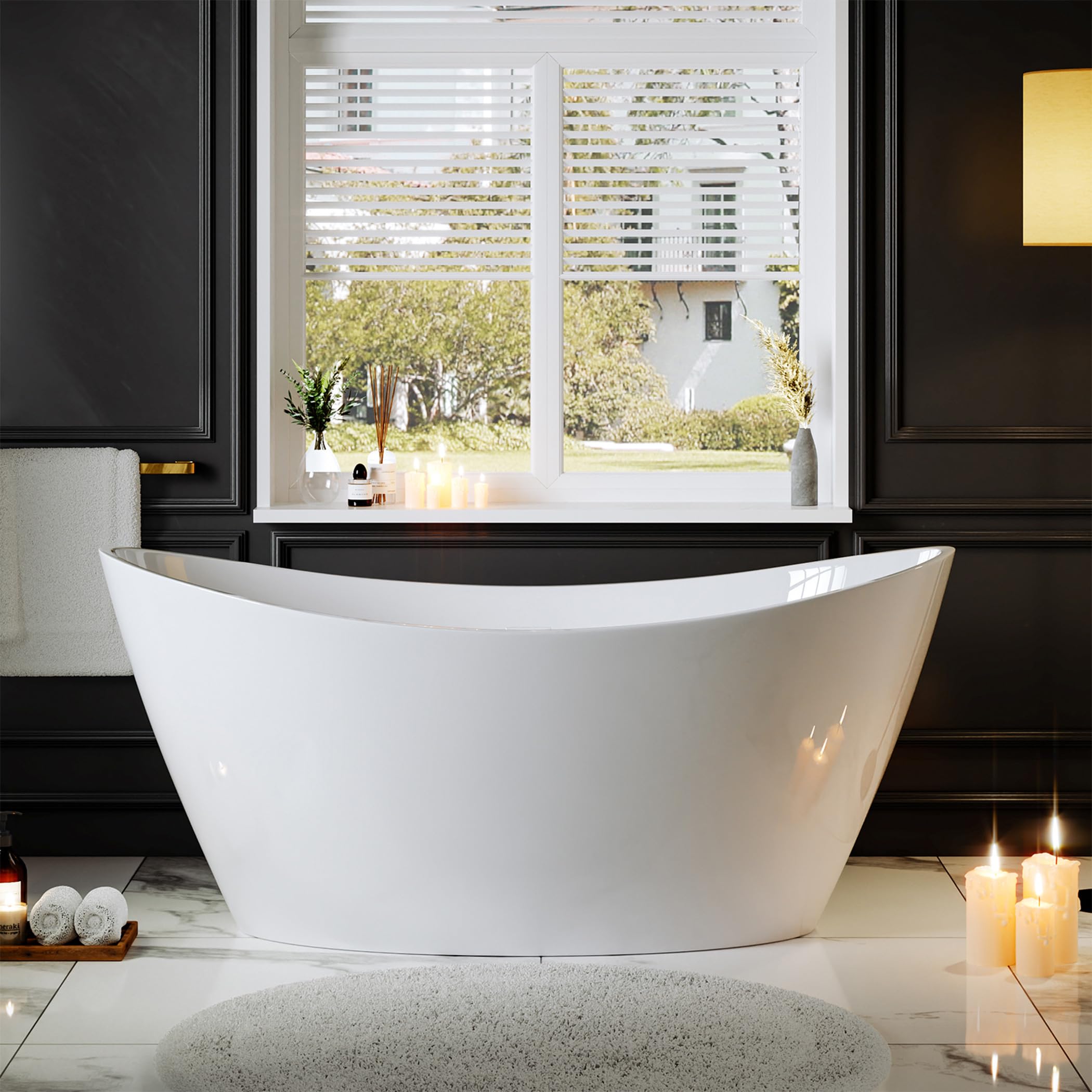

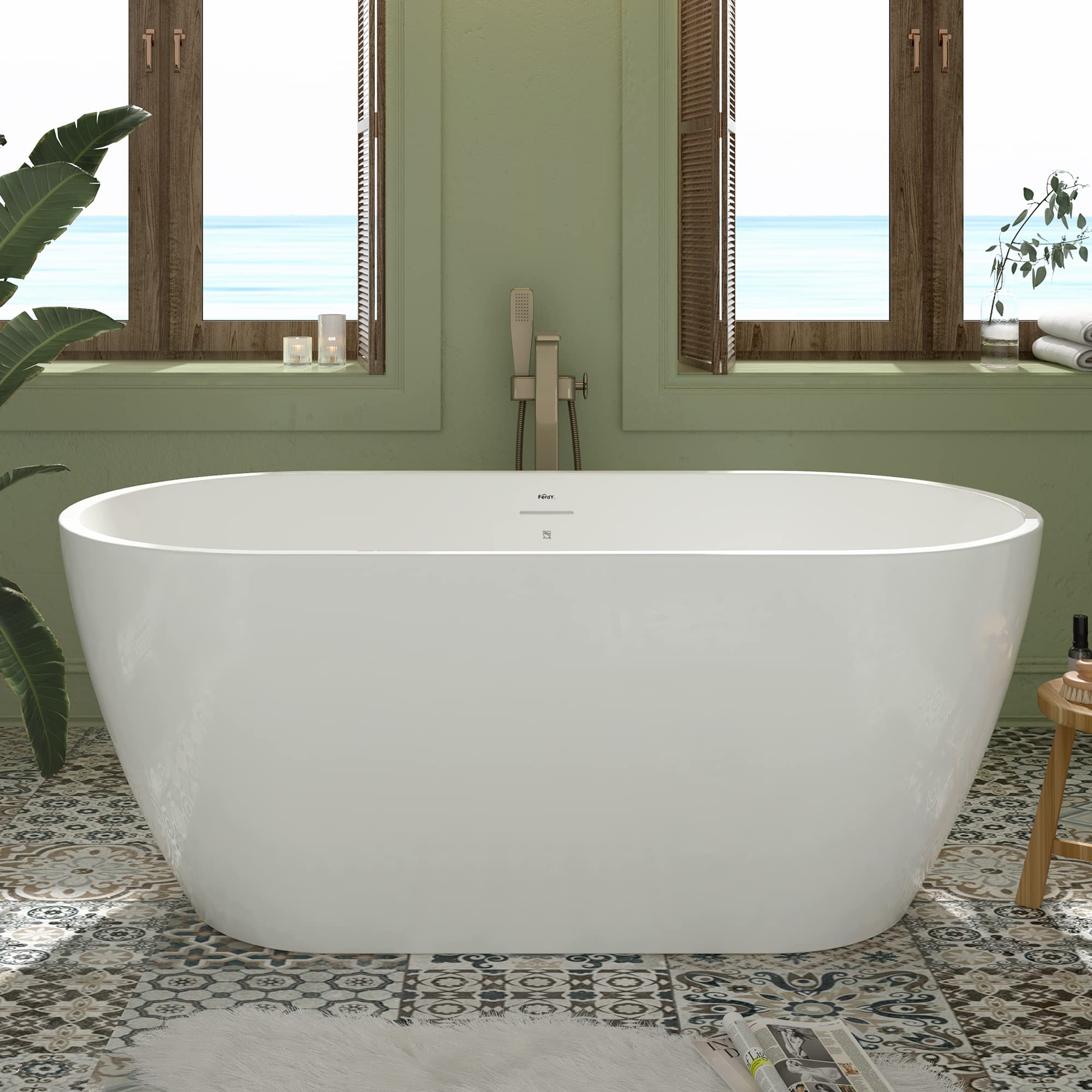

How to Evaluate Bathtubs
Think of this section as a scorecard. A tub that scores well on comfort but fails on fit or drain placement will still cause trouble, so work through every point in order. Start with the room, move to the people who will use the tub, and finish with cost over time.
Intended Use and Who It Is For
Start by naming the main job. A deep soaking tub for one adult needs a long interior and a sloped back, while a family tub needs a wide flat floor, a lower step over height, and room for bathing children safely. Guest bathrooms used a few times a month can favor simple shapes and easy cleaning over luxury depth. Write down who will use the tub most, how often, and whether anyone needs grab bars or a lower entry. That short list will rule out many shapes at once.
Ease of Use and Setup
Ease of use shows up every day in small ways. Check the rim width for sitting while you swing your legs in, the position of the faucet and handles so you can reach them while seated, and whether the overflow and drain controls are simple to operate with wet hands. For setup, confirm how the tub is installed, whether it needs a mortar bed or extra support, and how access panels work for pumps or heaters if you choose those features. A tub that is hard to reach or service will annoy you for years.
Build Quality and Materials
Material decides weight, warmth, durability, and price. Acrylic is light, warm to the touch, and easy to repair for small scratches. Cast iron holds heat very well and feels rock solid, but it is heavy and may need floor reinforcement. Fiberglass costs less but can flex and fade sooner, while solid surface and stone resin feel premium and resist staining well. If you want a deeper look at grades and finishes, read our guide to the best quality bathtubs before you decide.
Size, Weight, and Fit for Your Space
Measure the alcove or floor area three times, width, length, and the path through doors and hallways. A common alcove size is about 60 inches long, but the interior bathing length is always shorter than the outside length, so compare interior numbers when comfort matters. Check floor strength, especially on upper floors, because a filled tub plus a bather can weigh well over 500 lb. Also confirm door swing, toilet clearance, and where the drain sits, since moving a drain adds real plumbing cost.
Maintenance and Long Term Costs
Daily care should be simple. Smooth nonporous surfaces wipe clean with a soft cloth and mild cleaner, while textured floors and many jets need more work to prevent buildup. Ask about the cost and availability of drain parts, faucet cartridges, and pump service if the tub has powered features. Sealing matters too, and choosing the right sealant around the rim prevents water damage behind walls, as explained in our guide to the best caulk for bathtubs. A cheap tub that needs early refinishing is rarely a saving.
Price vs Value
Budget tubs often cost about $300 to $700 for the tub alone and cover basic alcove needs in acrylic or fiberglass. Mid range options, often about $700 to $1,500, usually add thicker material, better shapes, and longer warranty cover. Premium tubs can run about $1,500 to $4,000 or more for solid surface, cast iron, or sculpted freestanding designs. Always add delivery, plumbing, tile, and disposal of the old tub to the total, because install work can cost as much as the tub itself.
Key Performance Specs
Four specs tell you most of what you need. Soaking depth, measured from the floor of the tub to the overflow, tells you how much of your body the water will cover. Water capacity tells you how much your water heater must supply, so match it to a heater that can fill the tub without going cold. Drain location, left, right, or center, must match your plumbing or your budget for moving it. Finally, check the warranty length on the shell and finish, since a longer warranty often signals better build quality and support.
Three Buying Profiles to Match Your Room
Instead of chasing a single winner, match a profile to your room and habits. The three profiles below describe what to look for at each level, what you gain, and what you give up. Use them to read the product table above with a clear goal.
The Balanced Daily Tub
Choose this profile if the tub will be used daily and must please different people. Look for a soaking depth that covers the shoulders of an average adult, a thick acrylic or solid surface shell, and a shape with a sloped back at both ends or a generous single slope. A center drain or a drain position that matches your room gives more layout freedom. The strength of this profile is balance, comfort, durability, and simple care. The limit is price, since balanced tubs rarely sit in the lowest tier.
The Practical Alcove Tub
Choose this profile for a rental, a guest bath, or a tight remodel budget. A standard alcove shape in good acrylic gives you light weight, easy install, and simple cleaning at a fair price. Look for a warranty of at least ten years on the shell and a floor texture that gives grip without trapping grime. If a freestanding look tempts you at this level, compare install costs carefully with our guide to the best freestanding bathtubs, because floor mounted faucets can raise the total fast. The limit here is shallower soaking depth.
The Premium Soaking Tub
Choose this profile when bathing is a daily ritual and the tub is the visual center of the room. Prioritize material feel and heat retention, a deep soak, quiet filling, and refined edges that are comfortable against the back and arms. Cast iron and solid surface shine here, and the extra weight demands a careful check of floor strength and delivery access. The strength is comfort and longevity, often measured in decades. The limit is total project cost, including reinforcement and professional install.
Quick Buyer Checklist
Answer these questions before you order. Any no answer is a reason to pause and measure or ask the seller again.
- Does the outside size fit the room and the route through your doors?
- Does the drain position match your current plumbing?
- Is the soaking depth enough for the tallest regular user?
- Can your floor support the filled weight plus the bather?
- Can your water heater fill the tub with mostly hot water?
- Do you know the cleaning products the finish allows?
- Is the warranty on the shell at least ten years?
- Have you budgeted for install, tile, and old tub removal?
Red Flags to Watch For
Vague specs are the first warning sign. If a listing hides soaking depth, capacity, or material thickness, assume the numbers are not flattering. A very short warranty, especially under five years on the shell, suggests the maker expects early wear. Watch for finishes with no guidance on cleaners, since harsh products can void cover. Be cautious with reviews that repeat the same phrases or praise delivery more than use. Finally, avoid tubs with no clear parts support, because a special drain or control that cannot be replaced turns a small fault into a remodel.
Care and Maintenance Tips
Read the manual before first use, especially for cleaning limits and weight limits. Rinse the tub after each bath and wipe it dry weekly to reduce soap film and mineral marks. Clean and inspect the caulk line, drain, and overflow every few months, and repair small seal gaps early before water reaches the wall. Avoid abrasive pads on acrylic and solid surface, and store bath oils in closed containers so spills do not stain the finish. Keep the area dry and ventilated to protect grout and paint.
Frequently Asked Questions
Are expensive bathtubs worth it?
Expensive tubs can be worth it if you bathe often and value heat retention, depth, and a finish that still looks good after many years. You pay for thicker material, better molding, and longer warranty support. If the tub is for a guest room used rarely, that extra cost brings little daily benefit, so a solid mid range tub is usually the smarter spend.
What features matter most when buying a bathtub?
Fit, soaking depth, and material matter most because they decide comfort and lifespan and are hard to change later. After those, check drain position, floor grip, and ease of cleaning. Extra features such as jets or chromotherapy lights are optional and add service needs. For a plain language comparison of shell choices, see our guide to the best material for bathtubs before you commit.
How do I maintain a bathtub?
Maintain a tub by rinsing after use, cleaning weekly with a mild nonabrasive cleaner, and drying the surface to limit mineral spots. Inspect seals and the drain monthly, clear hair from the drain guard, and fix chips early on enamel or acrylic. Avoid leaving metal cans on the rim, since rust marks can stain, and keep gritty bath products off the floor of the tub.
How long does a bathtub last?
A well installed tub often lasts about 20 to 30 years, and cast iron can last much longer with care. Acrylic usually gives about 15 to 25 years before the finish dulls or flexing leads to cracks. Lifespan drops when the tub is poorly supported, cleaned with abrasive products, or left with leaking seals that damage the structure around it.
How much should I spend on a bathtub?
Most homeowners do well spending about $700 to $1,500 on the tub itself for a main bathroom, plus install costs. Spend less for a secondary bath and more only when depth, material, and warranty clearly improve. Set the total project budget first, including plumbing and tile, then choose the best tub that leaves room for proper install, since poor install ruins even a fine tub.
Wrapping Up
Fit, depth, and material decide whether a tub delights you or frustrates you, so check those first and let style follow. Match a profile above to your room, your water heater, and your budget, then confirm every measurement one last time. When a tub passes each point, it earns a place among the best bathtubs ever for your home. Compare your finalists in the product table above and order only when the checklist is fully green.