Best Bathroom Runner Rugs 2026 Buying Guide For Your Home
Disclosure: We may earn a commission when you buy through links on this page, at no extra cost to you. As an Amazon Associate I earn from qualifying purchases. Learn more

Choose the best bathroom runner rugs for a double vanity or long bathroom, with sizing, grip, door clearance and washing guidance for a safe, dry floor.
A long, narrow bathroom needs a long, narrow rug. The best bathroom runner rugs run along a double vanity, beside a freestanding tub or down a galley bathroom, and they have to do four things at once: absorb splashes along the whole length, grip a wet floor, fit under the door and survive a regular wash. This guide covers sizes, materials, backing and care, so you can use the comparison table below with a clear checklist.
A runner is a bigger piece of fabric than a standard bath mat, so mistakes cost more. A runner that bunches, slides or will not fit your washing machine quickly becomes the rug you stop using.


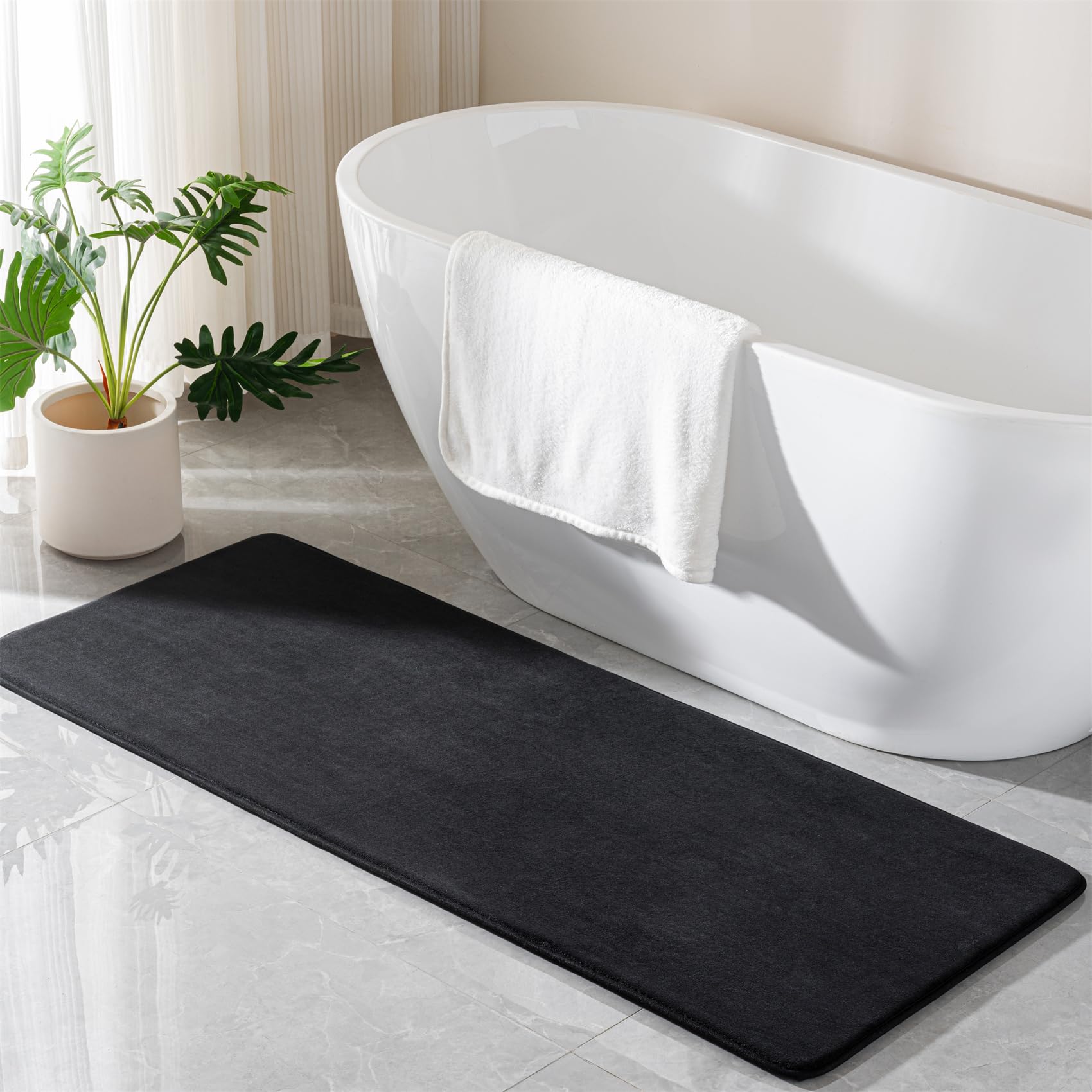

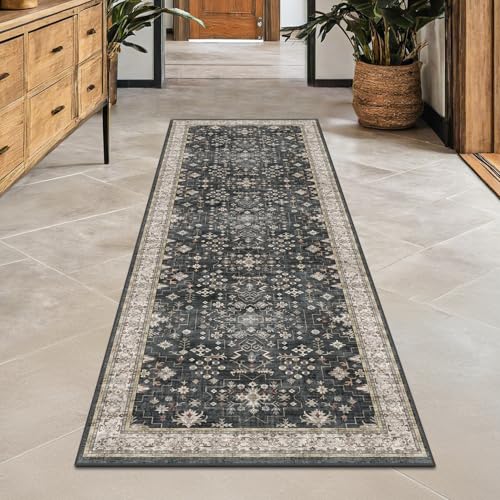

Where a Bathroom Runner Works Best
Runners suit double vanities, where two people stand side by side, and long bathrooms where a single path connects the door, sink and tub. They also work beside a freestanding bathtub and in hallway style bathrooms. In a small square bathroom, a standard bath mat is usually the better fit, because a runner would cover most of the floor and stay damp.
Sizes and Measuring
The most common bathroom runner sizes are about 24 by 47 inches and 24 by 60 inches, with longer pieces for large vanities. Measure the length of the walking path and the width of the standing zone, then subtract a few inches at each end so the rug lies flat and does not touch the toilet base or tub edge. Leave a margin of bare floor along the wall so air can reach the edge of the rug.
Check door clearance before you buy. A thick memory foam runner can scrape the bottom of the door, which shifts the rug and wears the edge. Measure the gap under the door and compare it with the stated pile height.
Materials and Construction
Microfiber and Chenille Runners
Microfiber and chenille runners absorb quickly and dry faster than cotton, which suits busy bathrooms and rooms with limited ventilation. Chenille has a soft, nubby feel that hides damp patches visually. Both usually go in a home machine, though a long runner needs a large drum.
Memory Foam Runners
Memory foam runners cushion the feet along a long vanity, which helps if you stand for grooming. They are heavier, take longer to dry and need airing. Hang or drape them after heavy use and check the care label before you wash.
Washable Woven Runners
Some washable hallway style runners suit a bathroom with a low splash zone, such as a half bath. They are thinner and lie flat, but they absorb less than a bath specific runner. Look for a backing and care label that suit damp rooms, and avoid placing them directly in front of the shower.
Grip, Safety and Edges
A long rug can slide as a whole when stepped on, so the backing is the most important safety feature. Look for coverage along the entire underside, not only corner grips. Edges should lie flat, with stitching or binding that resists curling. Wipe the floor under the runner when you wash it, since soap film reduces grip. Replace the runner when the backing cracks or the edges curl, and talk with a clinician about bathroom safety if anyone at home is unsteady on their feet.
Matching a Runner to Your Layout
Think about how people actually move through the room. In a galley bathroom with the door at one end and the tub at the other, a single long runner down the center of the floor catches every step and keeps the path dry. Around a double vanity, a runner centered on the cabinet gives each person a standing zone, and it should stop short of the toilet so the base stays clear. Beside a freestanding tub, a runner along the open side protects the floor from drips and gives wet feet a soft landing.
If your bathroom has an awkward shape, two shorter rugs can work better than one long runner. They are easier to lift for mopping, simpler to wash and less likely to bunch where the floor changes direction. Whatever you choose, keep the rug clear of the door swing and the toilet base, and confirm the dimensions against your tape measure before you order. Matching the rug to the layout is the step that decides whether the best bathroom runner rugs in the table actually work in your room.
Care and Washing
Shake the runner outdoors weekly, then wash it on a gentle cycle in a machine with room for it to move. Use a mild detergent, skip fabric softener and avoid high heat, which can curl edges and age the backing. Dry it fully, hanging it over a rail or a shower rod when possible, before putting it back on the floor. A runner that stays damp will smell, so rotate two if the bathroom is humid.
Common Mistakes to Avoid
- Buying a runner by eye and finding it blocks the door or bunches against the toilet base.
- Choosing corner grips only, which lets the middle of a long rug slide.
- Washing a long runner on high heat, which can shrink it unevenly and curl the edges.
- Leaving the runner flat on wet tile for days, which traps moisture and invites mildew.
- Using a thick runner in a room with a tight door gap.
Related Guides
For runners in other rooms, see our guide to the best runner rugs.
For construction details across bathroom rugs, read our guide to the best quality bathroom rugs.
For single bath rugs and mats, see our guide to the best bath rugs for bathroom.
If easy laundering is your priority, read our guide to the best washable bathroom rugs.
Frequently Asked Questions
What size bathroom runner fits a double vanity?
A runner of about 24 by 60 inches fits most double vanities. Measure the cabinet front and aim to leave a few inches of bare floor at each end. If your vanity is longer than 60 inches, look for a longer runner or use two rugs, one per sink.
Are runner rugs safe for older adults?
They can be safe when the backing grips along the whole length, the edges lie flat and the pile is low. A sliding or curling runner is a trip hazard, so check it weekly and replace it when the backing wears. If balance is a concern, talk with a clinician and consider a shorter, fully gripped mat.
How do I wash a long bathroom runner?
Shake it out, then wash it alone on a gentle cycle in a machine with enough drum space. A crowded drum can crease the runner and stress the backing. Air dry it hung over a rail or rod, or use low heat, and make sure it is fully dry before you replace it.
Why do the edges of a runner curl?
Edges curl from uneven shrinking after hot washing, from drying with high heat or from constant dampness underneath. Wash gently, dry flat or hung and avoid folding a damp runner for storage. A thin pad can help edges stay down.
Can I use a kitchen runner in a bathroom?
You can, but a bathroom runner is usually the better choice. Kitchen runners often absorb less and may lack a backing suited to wet tile. If you use one, choose a washable low pile style, keep it out of the direct shower path and dry it often.
Final Thoughts
Choose the length from your walking path, check the door gap, and put grip along the full underside ahead of softness. Use the product table above to compare size, material and care, and the best bathroom runner rugs for your room will stay flat, absorbent and easy to wash.