Best Bathroom Rugs For Seniors 2026 Buying Guide
Disclosure: We may earn a commission when you buy through links on this page, at no extra cost to you. As an Amazon Associate I earn from qualifying purchases. Learn more

Find safe, comfortable bathroom rugs for seniors. Compare non slip backing, low profiles, easy cleaning, and sizes that reduce trip and fall risks at home.
Choosing the best bathroom rugs for seniors is mostly a safety decision, with comfort a close second. A good rug stays flat, grips the floor, and gives steady footing when stepping out of the shower or standing at the sink. A poor rug curls at the edges, slides on tile, or sits high enough to catch a toe, and each of those problems raises the risk of a fall.
The comparison table below shows the main rug styles side by side, so you can compare backing, thickness, and size before you read the details. Use it to shortlist rugs with strong grip and a low profile, then check the safety factors in this guide before you buy.

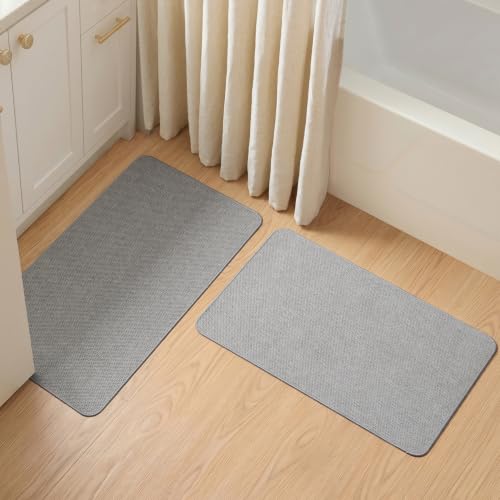
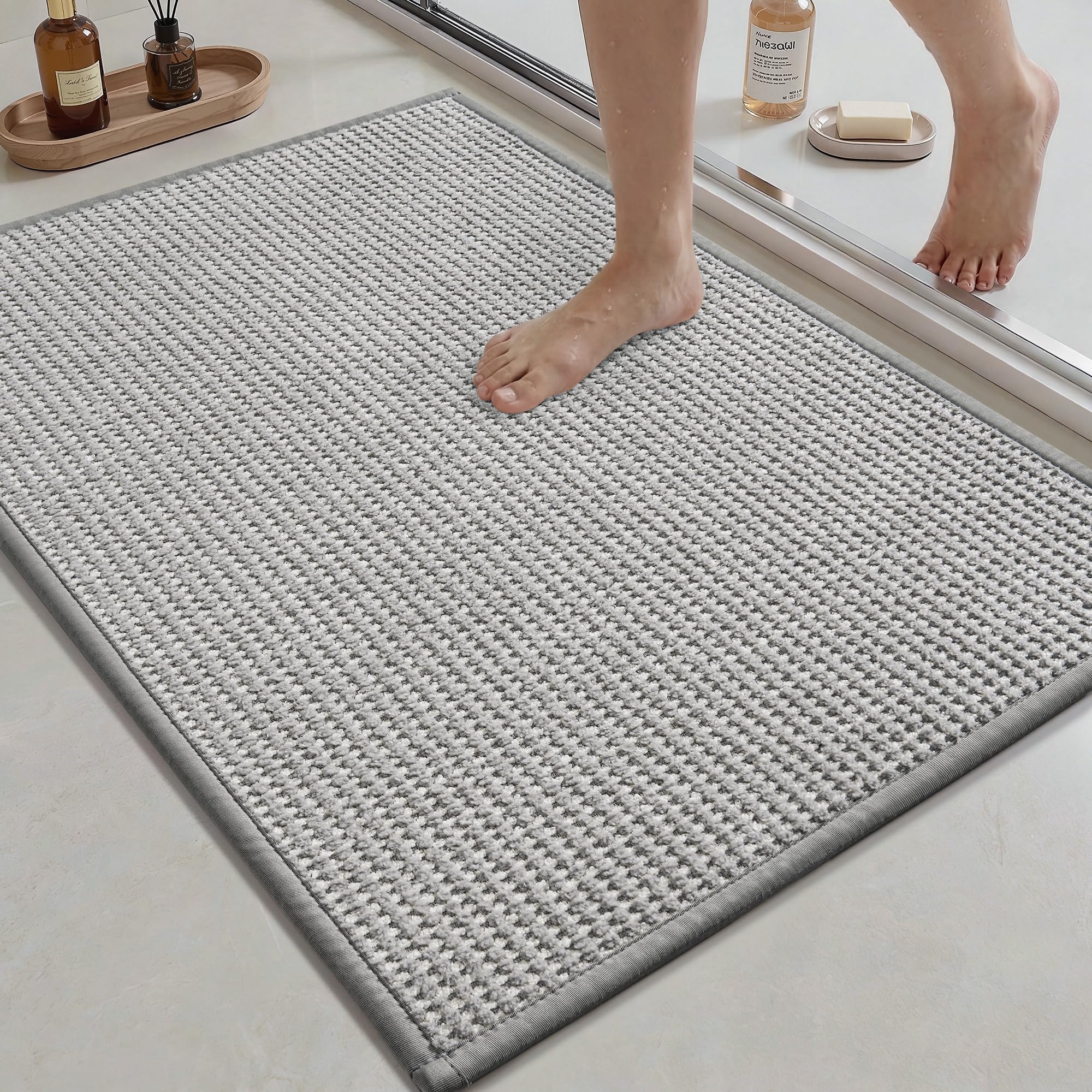


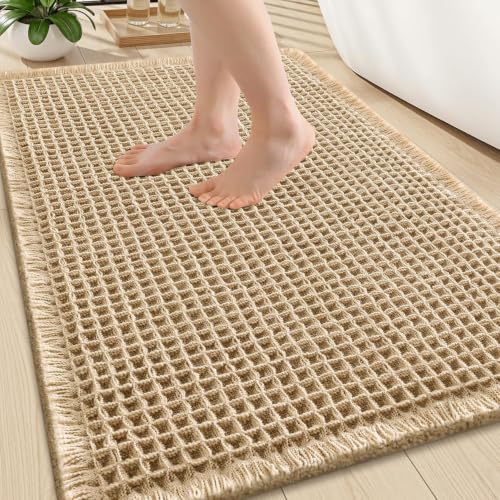
Who Should Buy Safety Focused Bathroom Rugs
Seniors who live alone benefit most from a rug that needs no extra grip pads and stays put through daily use. People who use a walker, cane, or shower chair need a rug with a very low profile, because even a small raised edge can interfere with a mobility aid. Households where a senior shares a bathroom with grandchildren need a rug that is both safe for older feet and easy to wash after heavy use.
Balance and foot sensitivity also shape the choice. Some seniors prefer a cushioned rug that eases pressure on tired feet during longer routines at the sink. Others prefer a firmer, thinner rug that gives a stable surface without any wobble. Think about how the rug will be used each day, not just how soft it feels when new.
Non Slip Backing And Trip Safety
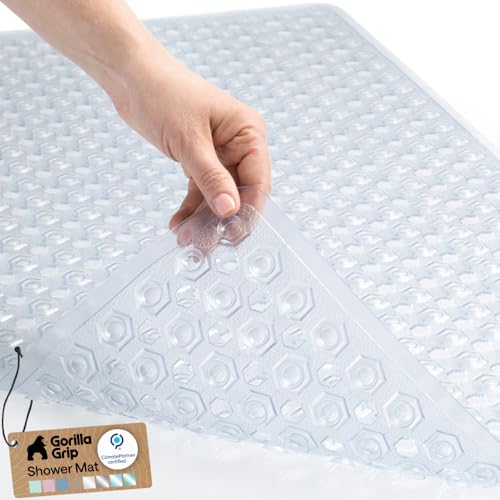
The backing is the most important feature on a senior friendly rug. Look for a full rubber or latex free grip backing that covers the whole underside, not just a few dots or strips. Full coverage backing holds the rug flat on tile and vinyl, while partial grip can let corners lift and curl over time. Test the rug on your own floor if possible, because grip varies with floor finish and moisture.
Profile height matters just as much as grip. A rug thicker than about half an inch can catch a shuffling foot or the tip of a cane. Low profile rugs sit nearly flush with the floor and still offer cushioning through dense foam or memory foam cores. Check that the rug edges taper rather than ending in a blunt ridge, since tapered edges are less likely to trip anyone.
Materials, Water Handling, And Cleaning
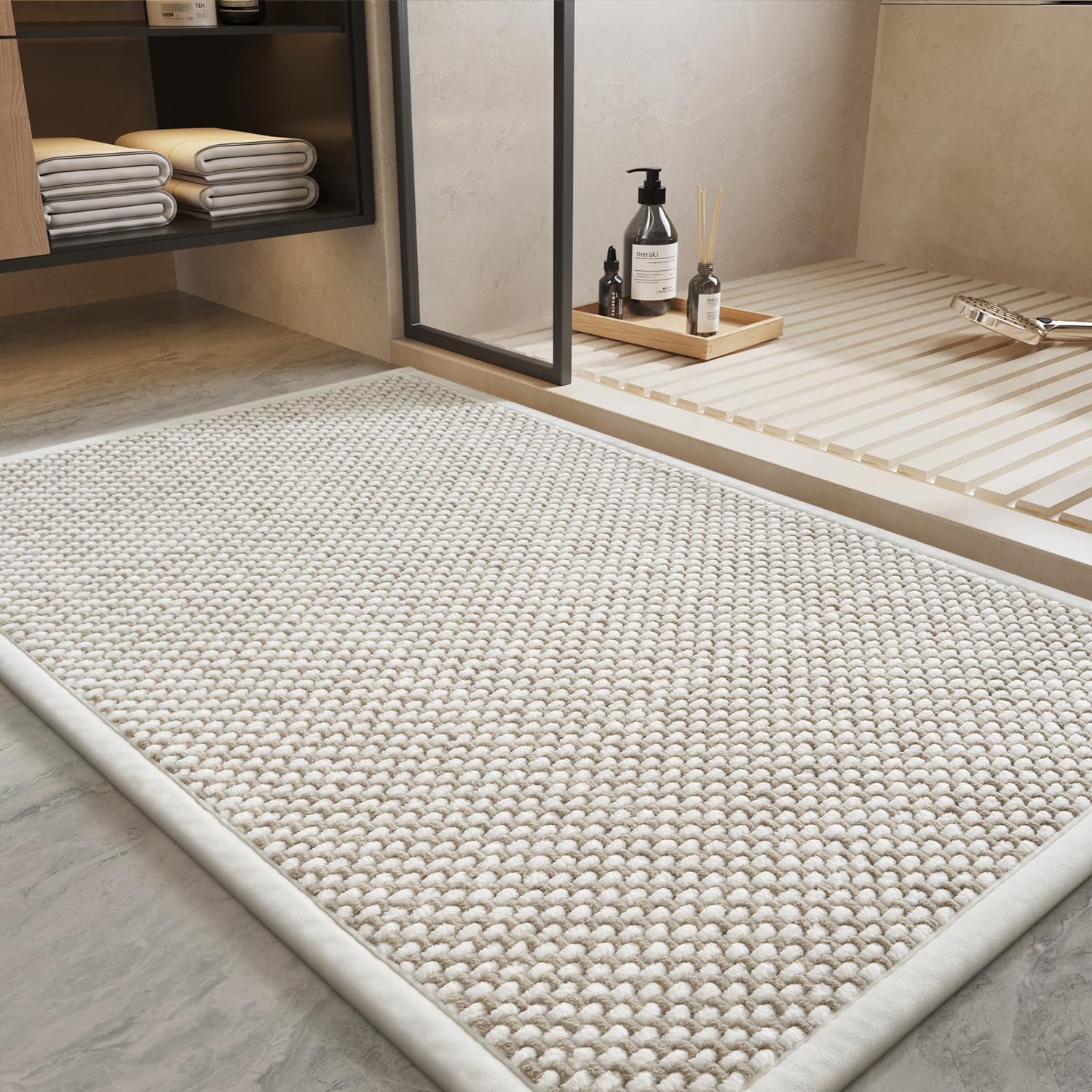
Bathroom rugs face constant moisture, so the material must dry between uses and resist mildew. Cotton rugs feel soft and wash well, but they take longer to dry and may need more frequent laundering. Microfiber rugs absorb quickly and dry faster, which suits bathrooms with limited ventilation. Memory foam rugs offer the most cushioning, but they need a removable washable cover or a machine washable design to stay hygienic.
Cleaning ease decides whether a rug stays safe over time. A rug that cannot be washed regularly will build up soap residue and lose grip as its backing degrades. Choose a rug you can machine wash and air dry, and check the care label before buying. Replace any rug whose backing cracks, peels, or stops gripping, since a worn rug can be more dangerous than no rug at all.
Size, Placement, And Daily Use
Size should match the space where footing matters most. A rug in front of the shower or tub should be wide enough to catch both feet on exit, while a rug at the sink should cover the standing area without extending into a doorway. Oversized rugs that bunch against walls or doors create new trip hazards, so measure the floor space before you order.
Placement also matters. Keep the rug fully on a flat floor surface, away from thresholds and uneven tiles. If the rug must sit partly on a bath mat, choose one piece that covers the area instead of layering two rugs, because layered edges are a common trip point. Check the rug position weekly, since daily foot traffic can slowly shift even a well backed rug.
Warning Signs And When To Seek Help
Foot pain, numbness, or frequent unsteadiness in the bathroom deserve attention beyond a new rug. If a senior notices persistent foot sores, swelling, dizziness when standing, or repeated near falls, these signs should be discussed with a clinician rather than treated with a rug change alone. A rug improves footing, but it does not address balance problems, medication side effects, or circulation issues that raise fall risk.
Talk with a clinician or pharmacist about any new foot pain, skin breakdown, or balance change, especially when it appears suddenly or keeps getting worse. This guide covers general fit and comfort only and does not replace professional advice. If you notice any of these warning signs, talk with your clinician about next steps before relying on home changes alone.
Living With A Safer Bathroom
A safe bathroom routine goes beyond buying the right rug. Check the rug position each week, since daily foot traffic slowly shifts even well backed rugs toward doorways or tubs. Make this check part of a regular cleaning routine, so it happens automatically rather than relying on memory. If the rug has moved, reposition it fully flat before anyone uses the bathroom again.
Pair the rug with other simple safety steps for a bigger effect. Night lights along the path to the bathroom help during nighttime visits, and grab bars near the tub and toilet give support where footing matters most. A rug is one layer of safety, and combining it with good lighting and support handles makes the whole bathroom safer.
Choosing Rugs For Different Bathrooms
Different bathrooms in a home may need different rugs. A main bathroom used daily needs a durable, easily washable rug with strong grip, while a guest bathroom can use a plusher rug that sees lighter use. A small powder room may need only a compact rug at the sink, since space is limited and the shower exit is elsewhere.
Measure each bathroom separately rather than buying identical rugs for every room. Door clearances, vanity positions, and tub layouts all differ, and a rug that fits one bathroom perfectly may bunch or overlap a threshold in another. Buying per room takes a little more time but avoids the trip hazards that a one size approach can create.
Related Buying Guides
For a broader quality comparison, read our guide to best quality bathroom rugs.
To compare general bath rug styles, see our guide to best bath rugs for bathroom.
If easy laundering is your top priority, read our guide to best washable bathroom rugs.
To furnish a full bathroom in one purchase, see our guide to best bathroom rug sets.
For more floor coverage options, read our guide to best rugs for bathroom floor.
Frequently Asked Questions
What makes a bathroom rug safe for seniors?
A safe senior rug has full grip backing, a low profile, and edges that lie flat without curling. These three features reduce sliding and tripping, which are the two main rug related fall risks. Cushioning helps comfort, but it should never come at the cost of stability, so a thin, firm rug often beats a thick, plush one, since those three features together prevent most rug related falls.
How thick should a senior bathroom rug be?
Aim for a rug no thicker than about half an inch, including any foam core. Thinner rugs sit closer to the floor and interfere less with walkers, canes, and shuffling steps. Memory foam rugs can still work at this thickness if the foam is dense, since density gives support without extra height, which keeps the rug safe for walkers and canes alike.
How often should bathroom rugs be washed?
Wash a bathroom rug at least every one to two weeks, and more often in humid bathrooms or shared households. Regular washing removes soap residue that can make a rug slippery and keeps the backing in good condition. Always check the care label, and air dry the rug fully before putting it back on the floor, and that routine also protects the backing from wear.
Do I need a separate grip pad under a senior rug?
A well designed senior rug should not need a separate pad, and adding one can raise the profile and create a new trip edge. If your rug slides despite a grip backing, the backing may be worn or unsuited to your floor finish. In that case, replacing the rug is safer than layering pads underneath it, since a worn backing can fail without warning.
When should a bathroom rug be replaced?
Replace a rug when its backing cracks, peels, or loses grip, when edges curl and will not lie flat, or when it stays damp and smells musty after washing. These changes mean the rug no longer provides reliable footing. A yearly check of backing and edges helps you catch wear before it becomes a hazard, which is why a yearly inspection is worth the few minutes it takes.
Final Thoughts
The product table above is a good starting point, but safety details should decide the purchase. Choose a rug with full grip backing, a low profile, and a size that fits the exact spot where footing matters. Those three choices do more for daily safety than any color or pattern.
Check the rug regularly, wash it often, and replace it when the backing wears out. Picking the best bathroom rugs for seniors is really about building a bathroom where every step feels steady, and a well chosen rug is a simple part of that plan. If you notice persistent balance or foot problems, talk with your clinician about them as well.