
Best Bath Mats Without Suction Cups in 2026: How to Choose a Mat That Stays Put
Disclosure: We may earn a commission when you buy through links on this page, at no extra cost to you. As an Amazon Associate I earn from qualifying purchases. Learn more

Compare bath mats without suction cups by grip backing, absorbency, drying speed, size and care, with a checklist for a safer and drier bathroom floor.
Suction cups only work when the floor beneath them is smooth, clean and fully dry when you press them down. On textured tile, stone or a refinished surface they lose hold, trap moisture and can leave ring marks. The best bath mats without suction cups stay in place another way, through weight or a full grip backing, and the comparison table below shows the main types side by side.
This guide explains how each grip method behaves on a wet floor, which materials absorb the most water and dry fastest, and how to size a mat for your tub or shower door, plus a buyer checklist and care steps.






Who Should Buy a Bath Mat Without Suction Cups?
The three groups below gain the most from choosing a cup free design on purpose.
Owners of Textured or Refinished Bathroom Floors
Cups cannot seal on grout lines, pebbled tile or matte stone, so a cupped mat slides exactly where you need it steady. A mat with a full rubber or silicone backing grips across its whole underside instead of at a few points.
Households That Lift the Mat Every Day
If you hang the mat to dry after every shower, cups fight you each time and collect soap film underneath. A cup free mat lifts in one motion, drapes over the tub edge and goes back down flat. Daily lifting also lets the floor dry fully and cuts musty smells. A flexible mat also folds for storage, a space saving plus in a small bathroom.
Families With Older Adults or Young Children
You step onto this mat with wet feet and weight shifting forward, so steady contact matters more than soft feel. Choose a low, firm mat that lies flat at the edges. If an older adult has repeated falls, ongoing dizziness or sudden weakness, seek medical care promptly and talk with their clinician about personal needs, since a mat cannot correct a balance problem.
Key Features to Compare
Compare these factors in order, because grip comes first.
Grip Methods That Replace Suction Cups
Three methods do the work of cups. A full backing of natural rubber or silicone sheet grips across the whole mat and suits most smooth tile and vinyl. Silicone or rubber dots cover less area and let air move beneath the mat, but they allow more drift on slick floors. Weight is the third method, used by stone mats and heavy woven cotton, on a level floor where the mat sits flat.
Material and Absorbency
Microfiber and cotton pile soak up the water that drips from your body in the first minute after a shower. Cotton feels plush and a higher GSM pile holds more water, though it stays damp longer. Stone mats made from diatomaceous earth pull water from your soles on contact, but absorb far less total water than a thick textile mat.
Quick Drying and Freshness Between Showers
A mat still damp at the next shower starts each use already part full, and it smells stale sooner. Thin microfiber and stone surfaces dry fastest, often within the hour in a vented room. Thick memory foam and dense cotton take longest, so they need daily hanging in a household with back to back showers.
Size, Thickness and Door Clearance
Common sizes run about 17 by 24 inches for a shower door, 20 by 32 inches in front of a tub, and 24 by 36 inches for a wide vanity area. Measure your door swing before choosing a thick mat, since many doors clear the floor by only about half an inch. A mat that is too small leaves your second foot on wet tile, while an oversized mat bunches at the wall.
Floor Compatibility and Finish Protection
Some rubber backings can discolor light vinyl over time, and some grip coatings soften on heated floors, so check the maker notes for your floor type. On refinished surfaces, look for a smooth backing with no hard nubs. For build standards across mat styles, see our guide to the best quality bath mats.
Certifications and Label Claims
An OEKO TEX label means the finished textile was tested for harmful substances, which matters for a product your bare feet touch daily. A useful product page states the backing material, the dimensions and the care method plainly. When any of those facts is missing, you are guessing about the features that matter most.
Bath Mat Types Without Cups, Compared by Use
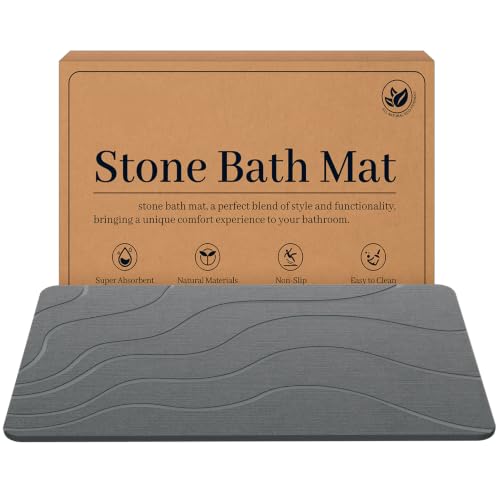
With no cups to rely on, each type earns its grip differently, and the right choice follows your floor and drying habits. Stone mats stay put by weight and feel firm and cool, suiting people who want a surface that dries in minutes. Memory foam mats grip through a full backing sheet and feel cushioned, suiting anyone who stands at the vanity for long stretches, though the foam dries slowly.
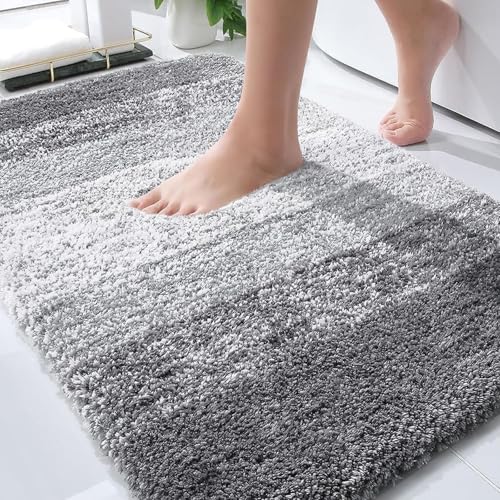
Woven cotton mats rely on weight and a latex or rubber underside, feel familiar underfoot and wash easily, suiting guest bathrooms. Wood slat mats grip through their own mass and rubber feet, but they absorb nothing and need a dry floor beneath. If you want matching pieces for a tub and a vanity, see our guide to the best bath mat sets for paired sizes. For a plush finish at a higher price, see our guide to the best luxury bath mats and weigh that comfort against slower drying.
Run through this buyer checklist before you order.
- Is the backing material named, and is it rubber, silicone or a weighted base?
- Does the mat lie completely flat, with no curled corners in product photos?
- Have you measured your floor space and your door clearance?
- Does the care label allow the washing routine you will actually follow?
- Is the surface firm enough for a steady step out of the tub?
- Can you lift and hang this mat daily without effort?
That checklist is also how this guide judges the best bath mats without suction cups overall: grip you can verify, absorbency matched to your household, and a care routine you will keep. Placement matters as much as type, and our guide to the best bath mats for bathroom layouts covers sizing for tubs and double vanities.
Common Mistakes to Avoid
- Buying a mat with no backing at all lets it skate across wet tile the first time you step out with soap on your feet.
- Choosing the thickest foam for a small bathroom keeps the door scraping and the core damp all day.
- Leaving any mat flat on the floor all week traps moisture underneath and stains both the mat and the grout.
- Placing a stone mat on an uneven floor rocks it underfoot and can crack the slab at the corner.
- Ignoring the floor type on the label leads to backing marks on light vinyl that are hard to remove.
- Judging grip on a dry showroom floor tells you nothing about hold once the underside is wet.
Care and Maintenance for Cup Free Bath Mats
Wash textile mats before first use to remove loose lint, then wash in cool or warm water and skip fabric softener, which coats the fibers and lowers absorbency. Hang the mat over the tub edge after each shower so both faces dry. Air dry backed mats instead of using high heat, because repeated heat cracks rubber and silicone backings and ends the grip.
Rinse stone mats under plain water when the surface absorbs more slowly, and let them dry fully in air. A second mat in rotation solves most freshness problems in shared bathrooms, and households choosing for an older relative can see our guide to the best bath mats for elderly users for lower, firmer options.
Frequently Asked Questions
How do bath mats without suction cups stay in place on wet tile?
Bath mats without suction cups stay in place through a full grip backing, rubber or silicone dots, or sheer weight. Full backings hold best on smooth tile because contact covers the whole underside. Your body weight adds downward force as you step on, so a mat that feels loose when empty may still hold underfoot.
Are bath mats without suction cups safe for older adults?
Bath mats without suction cups can be safe for older adults when the mat is low, firm and fully flat, with a backing that covers the whole underside. Avoid thick foam that compresses unevenly, since a sinking edge can unsettle a careful step. A grab bar beside the tub adds support no mat can provide, so treat the mat as one part of a safer setup.
How often should you replace a bath mat without suction cups?
Replace a bath mat without suction cups when the backing cracks, flakes or feels slick, because that is the point where grip is gone. For most textile mats in daily use that point arrives after about one to two years. A mat that still smells musty after a hot wash and full air drying should also go.
Can you machine wash a bath mat without suction cups?
You can machine wash most cotton and microfiber bath mats without suction cups on a gentle cycle in cool or warm water. Shake the mat outdoors first so grit does not grind into the backing during the wash. Stone and wood mats should never go in a machine, and foam mats vary by maker, so the care label decides.
Do stone bath mats work well without suction cups?
Stone bath mats work well without suction cups because the slab is heavy and its underside sits flat across a wide area. They suit a level floor beside a shower, where quick surface drying matters most. They are a poor fit on tile with wide, uneven grout, since rocking breaks the flat contact.
Wrapping Up
Start with grip, since that is the job the cups used to do: a full rubber or silicone backing for smooth floors, or weight and flat contact for stone and wood. Match absorbency and drying speed to how many showers your household takes each day, then confirm size and door clearance. Use the product table above to compare backing type, dimensions and price.
Chosen that way, the best bath mats without suction cups feel unremarkable in the best sense: flat, dry and exactly where you left them, every single morning.

