Best Bath Mats That Dry Quickly Made Simple: A Clear Buying Guide for 2026
Disclosure: We may earn a commission when you buy through links on this page, at no extra cost to you. As an Amazon Associate I earn from qualifying purchases. Learn more

Compare the best bath mats that dry quickly by material, backing, and size, with plain English specs, price bands, and care tips for a fresher bathroom floor.
A bath mat that still feels damp at bedtime is more than an annoyance. It smells stale, it feels cold underfoot, and it turns every shower into a small chore. If this is your first time shopping for best bath mats that dry quickly, the good news is that dry time is mostly a material decision, and materials are easy to understand in plain English.
This guide walks you through the basics first, then the specs that actually matter, then the rookie mistakes that leave people with a soggy mat. The comparison table below sums up the main types side by side, so you can match a mat class to your bathroom and your budget.






Bath Mats That Dry Quickly 101: The Basics
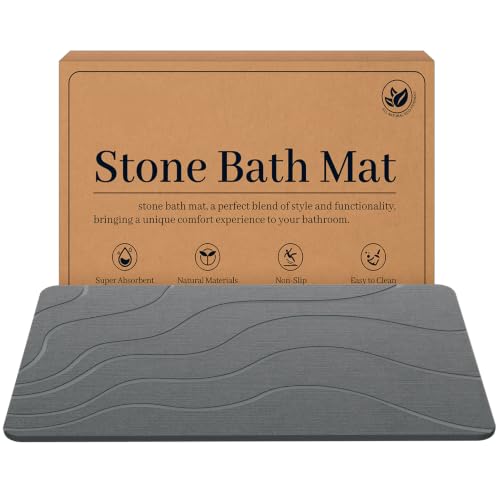
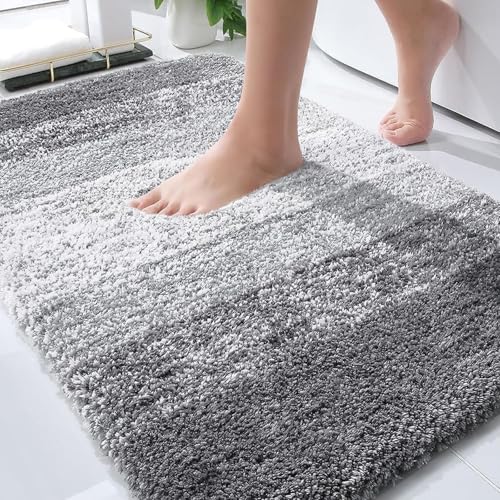
Start with the single fact that decides almost everything else: the material class governs the dry time class. A stone class mat, usually made from a porous mineral material, sheds water across its surface and lets it evaporate, so the top feels dry again in minutes rather than hours. A fibre class mat works the opposite way. It soaks water up into cotton or synthetic loops and holds it there, which feels soft and absorbent but means the mat needs real airflow and time before it is dry again.
That difference decides what happens between showers. A mat class that stays damp is a mildew class risk, because mildew and musty smells grow exactly where warmth and trapped moisture sit together. In a bathroom with no window and a door that stays shut, a thick fibre mat can still be damp when the next person showers. A stone mat or a thin, open weave fibre mat avoids that trap far more easily.
Neither class is simply better. Stone feels firm and cool and never needs laundering, while fibre feels warm and cushioned and can match your towels. Your choice is really between fast surface drying with a hard feel and slower full drying with a soft feel. If several people shower back to back, dry speed usually wins, while a once a day household can trade a little speed for softness and still dry in time.
Key Specs Explained in Plain English
Most listings repeat the same handful of terms, and each one maps to something you can picture. Here is what they mean and what level to look for.
Material and Construction
Material is the dry time spec, so read it first. Stone mats dry fastest because water spreads thin and evaporates instead of soaking in, and microfiber mats dry next fastest, since the fine synthetic fibres hold less water than cotton loops and release it quickly. Cotton is the slowest common class, and a thick high pile cotton mat can hold water for many hours. Memory foam is slower still, because the sponge core traps water under the surface layer.
Size and Fit
A standard mat runs about 17 by 24 inches, which suits a single tub edge or a shower door swing. Longer mats around 20 by 32 inches cover a double vanity or a wide tub side. Measure first, and leave room for the door to swing clear. A mat that bunches against the door stays folded, and a folded mat dries slowly no matter what it is made of.
Backing and Slip Resistance
The backing class governs the slip class. A rubber backing grips smooth tile and keeps the mat planted when you step out with wet feet, but a full rubber layer also seals the underside and slows evaporation from below. A latex dot or partial grip backing is a middle path that holds position while letting some air move. Stone mats need no backing because their weight holds them still, though a thin pad underneath protects delicate stone or vinyl floors from scratches.
Style and Color Options
Color matters more for drying than most people expect. A pale fibre mat shows mildew spots and soap scum early, which is useful honesty but looks tired sooner. Stone mats come in a small range of mineral tones, while fibre mats offer the full color range for matching towels. Choose the look you like, but check the mat weekly either way.
Certifications and Safety Labels
Ignore labels that do not apply to bath mats, such as water saving marks that belong to fixtures. What you can look for on a fibre mat is a textile safety label showing the fabric was screened for harmful substances. For stone mats, look for a plain statement of the mineral material and a note that the surface can be sanded lightly to refresh it.
Comfort and Feel
Comfort splits along the same line as dry time. Fibre mats feel soft and warm, and a low pile fibre mat is the comfort choice that still dries at a decent pace. If anyone in the home has unsteady balance, the firm flat surface of a stone mat can feel more secure than a thick mat that shifts or curls at the edges.
Rookie Mistakes to Avoid
- Buying the thickest, plushest mat on the shelf, because deep pile holds the most water and is the slowest class to dry.
- Leaving the mat flat on the floor all day, because a mat draped over the tub edge between uses dries far faster than one left in place.
- Skipping the first wash on a fibre mat, because factory finishes can reduce absorbency until they are washed out.
- Using fabric softener on a fibre mat, because softener coats the fibres and makes them shed water instead of soaking it up.
- Ignoring the bathroom itself, because a mat of any class dries slowly in a sealed room with no fan and no airflow.
The pattern behind them is simple: dry time is a system of material, airflow, and habit, not a single promise on a label.
Getting Started: Setup and First Use
For a fibre mat, start with a plain wash in warm water with a small amount of detergent, and skip the fabric softener for the reason given above. Dry it fully before the first use, then fall into a rhythm: hang it over the tub edge or a towel bar after the last shower of the morning, and wash it about once a week. This hanging habit is what lets microfiber reach its fast dry times, as covered in our guide to the best quick dry bath mats.
For a stone mat, setup is shorter. Rinse the surface, let it dry, and set it on a level floor where air can reach the top. Wipe spills as they happen, and if absorbency ever fades, a light pass with fine sandpaper refreshes the pores.
Whichever class you choose, run the bathroom fan for about 20 to 30 minutes after showering. That one habit does more for dry time than any single product feature.
Your Questions Answered
How do I keep a quick dry bath mat fresh for longer?
Hang the mat up between uses instead of leaving it flat, because airflow across both faces is what stops the musty smell from starting. Wash fibre mats about once a week in warm water without softener, and let them dry completely before they go back on the floor. Stone mats need only a rinse and an occasional wipe. A mat that smells sour even after washing has mildew deep in the backing, and replacing it is usually wiser than repeated soaking.
How often should I replace a bath mat that dries quickly?
Replace a fibre bath mat when it stays damp much longer than it used to, smells sour right after washing, or shows backing that is cracked or flaking. For most homes that point arrives after about one to two years of daily use. Stone mats last longer as a class, but a stone mat that has stopped absorbing at the surface even after a light sanding has reached the end of its useful life as well.
Are stone bath mats worth the higher price?
Stone bath mats are worth it for busy bathrooms where several showers happen in a row and a fibre mat never gets time to dry. They cost more upfront, about $30 to $60 for most sizes, but they need no laundry and keep their dry speed for years. In a single person bathroom where a fibre mat has all day to dry, the extra spend buys little. Match the class to the shower schedule, not to the price tag.
Can I wash a quick dry bath mat in a washing machine?
Most fibre mats can go in a washing machine on a gentle cycle, but stone mats never can, because the stone will crack and can damage the drum. Check the care label before the first wash, since some backed mats lose their grip layer in hot water. When in doubt, wash fibre mats cool and air dry them over a rail. Take the mat out as soon as the cycle ends rather than letting it sit wet in the drum.
Does a heated bathroom floor help a bath mat dry faster?
A heated floor does speed drying for a fibre mat left flat on it, because gentle warmth from below drives moisture out of the pile. The gain is real but modest, and it never rescues a very thick mat in a sealed room. Stone mats gain little, since their surface already dries quickly on its own. Treat floor heat as a small bonus, and keep relying on material choice and hanging habits for the main result.
The Bottom Line
Choosing among best bath mats that dry quickly comes down to three checks. First, pick the material class that fits your shower schedule, since material governs dry time more than any other spec. Second, check the backing, because the backing class governs the slip class on wet tile. Third, build the hanging habit, since even the fastest mat fails in a sealed, steamy room.
Shoppers weighing overall build quality can also compare best quality bath mats, and anyone furnishing a whole room from scratch may want the broader view in best bath mats for bathroom before deciding. Keep the product table above in mind as you compare, and your next mat should feel dry every time you step out.