Best Bath Chairs in 2026: Which One Fits the Way You Use It?
Disclosure: We may earn a commission when you buy through links on this page, at no extra cost to you. As an Amazon Associate I earn from qualifying purchases. Learn more

Compare bath chairs by tub fit, seat height, weight capacity and grip, with clear guidance for safer sitting, standing and daily shower routines.
There is no single seat that suits every bather, every tub and every morning routine. The best bath chairs match your balance, your strength and the exact space inside your tub or shower stall. Use this guide with the comparison table below to match each chair type to the way you actually bathe.
Start with your routine. You may shower daily and want a seat that stays in place, or bathe with help and need room to move. You may feel steady and want light support, or unsure on wet floors and need a back and arms. Those answers decide the size, shape and support you should pay for.




Who Should Buy Which Bath Chairs?
Pick by the task you find hardest. For most buyers that task is sitting down, standing up, or stepping over the tub wall.
Adults Who Need Steady Support to Sit Down and Stand Up
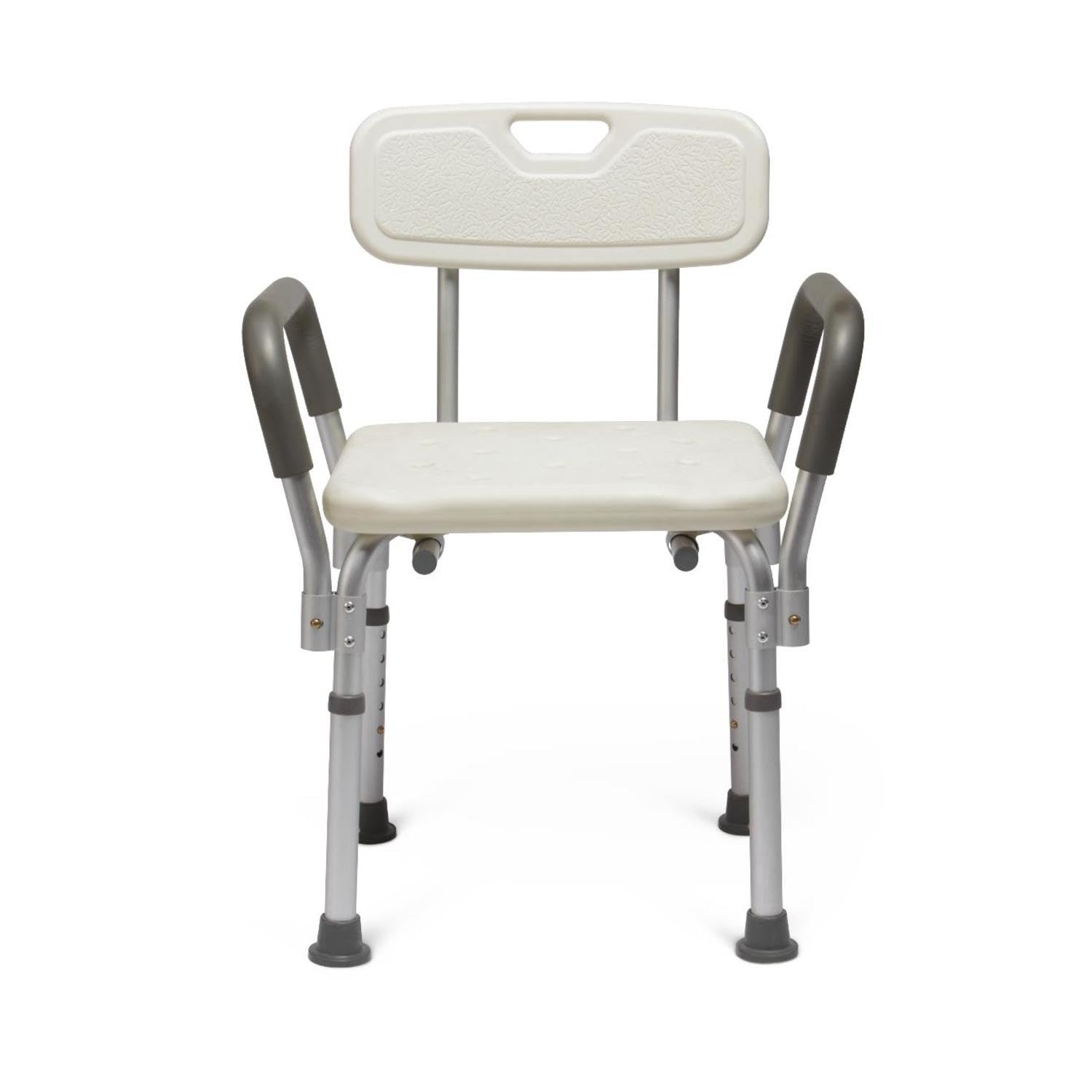
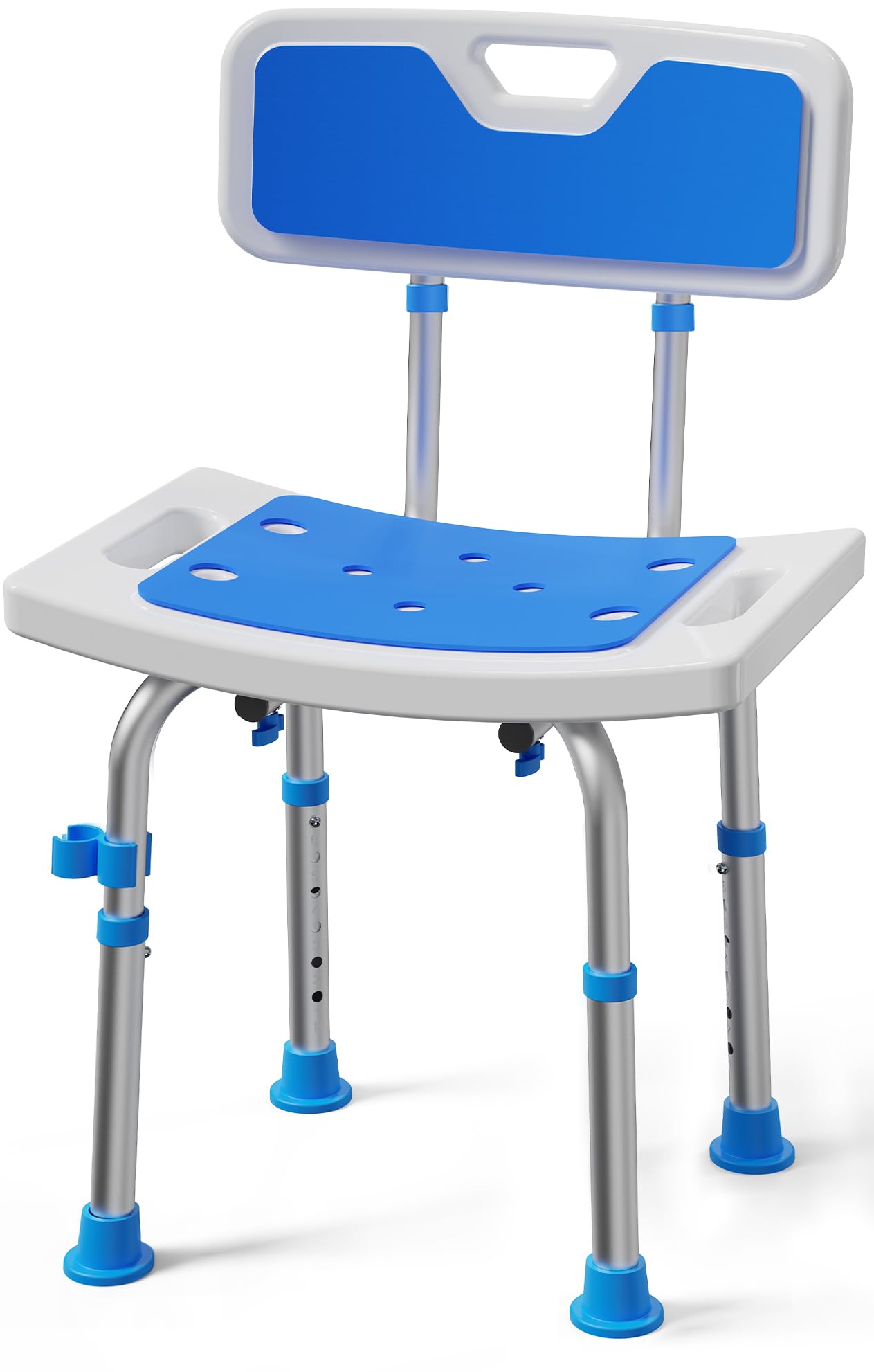
Choose a chair with a full back and two firm armrests if your legs tire quickly or your balance feels uncertain on wet floors. The back gives you a place to rest between washing steps, and the arms let you push with your hands while your legs do part of the work. Set the seat close to the height of your knees so your feet stay flat and your thighs stay level. A plain stool gives you none of this support.
People Healing After Surgery or an Injury
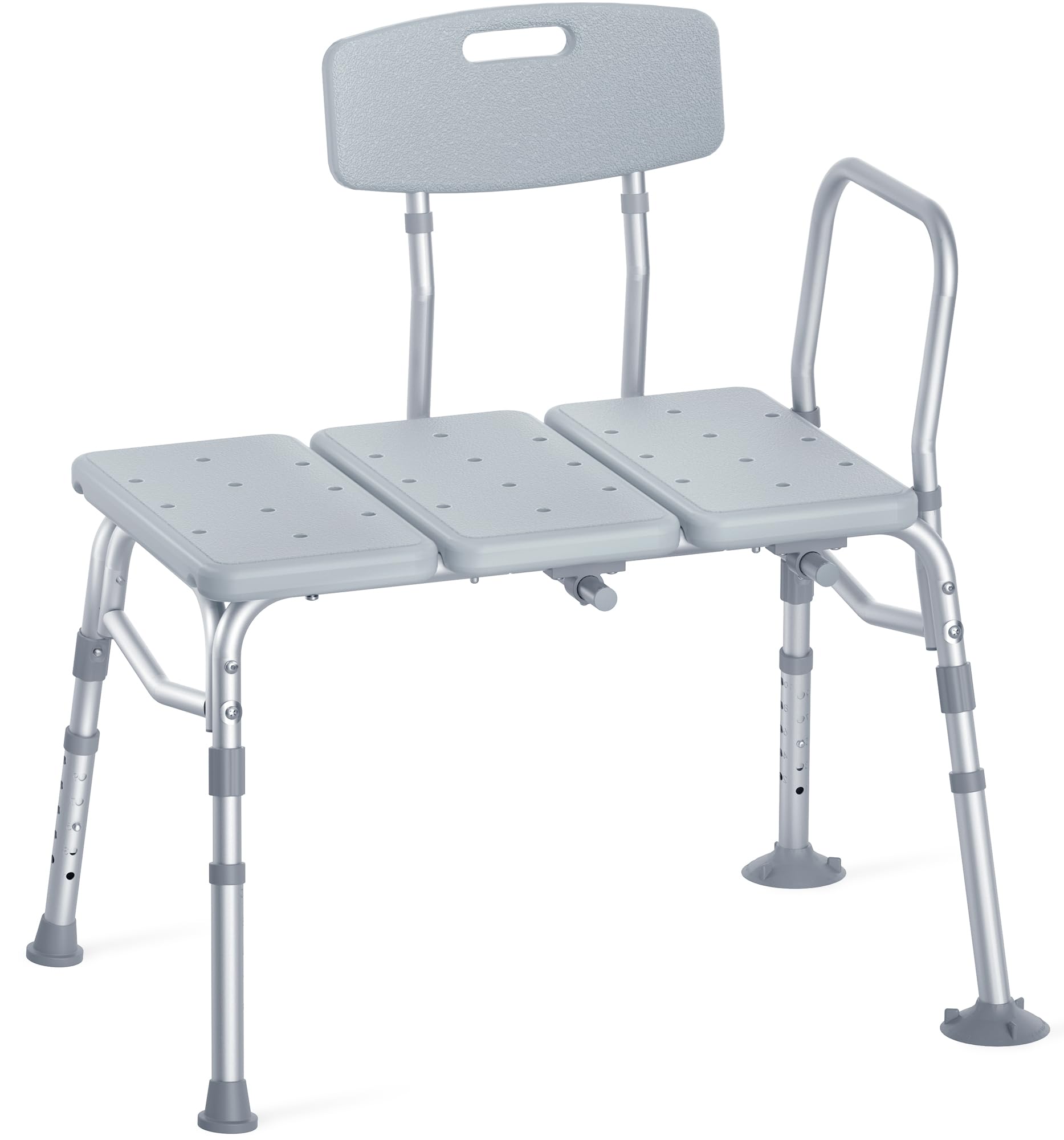
Choose a transfer bench if stepping over the tub wall is the risky part of your bath. Two legs rest inside the tub and two rest on the bathroom floor, so you sit down outside the tub and slide across instead of lifting each leg high. Pick a bench with a back if you tire while seated. Seek medical care promptly if bathing brings new dizziness, chest pain, sudden weakness, sharp pain or fast swelling, and talk with your clinician about seat height and transfer method for your personal recovery before you bathe alone.
Shoppers With a Small Tub or a Tight Bathroom
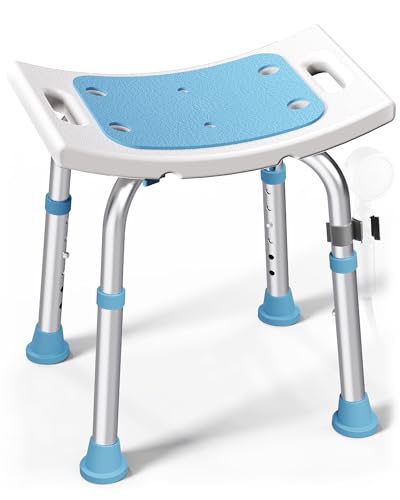
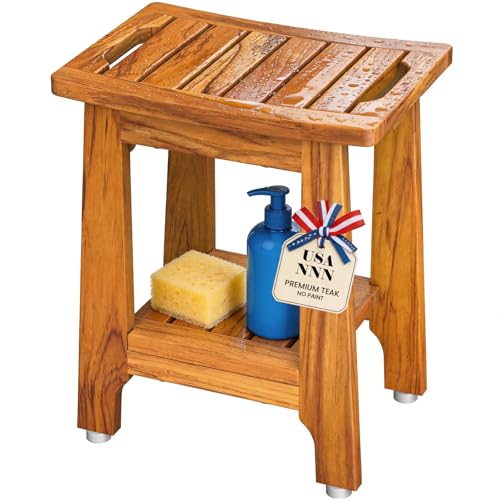
Choose a compact stool or a narrow chair if your tub is short or its walls curve inward near the floor. Folding models help when the seat must leave the tub between showers so others can bathe standing. Measure the flat floor of the tub, not the wide top edge, because curved walls steal inches where the feet must rest.
Key Features to Compare
Compare these factors in the same order each time, so a low price cannot hide a seat that is too low, too wide or too weak for you.
Seat Height, Seat Width and Weight Capacity
Most bath chairs adjust from about 14 to 21 inches at the seat, and most seats measure about 16 to 20 inches wide. Most standard models hold about 250 to 350 pounds, and wider reinforced models hold more. Count your full body weight plus the force you add when you push down to stand, and leave a clear margin below the rating.
Backrest, Armrests and Support While You Move
A backrest supports your spine while you wash your feet and legs, which is when many bathers lean and shift their weight. Fixed armrests give the steadiest push, while arms that lift or swing away can help a caregiver assist from the side. Check that the arms feel solid at the height where your hands land, not only near the seat. If you pull yourself upright, treat strong arms as a core need, not an extra.
Feet, Grip and Stability on Wet Surfaces
Stability starts where the legs meet the floor. Wide rubber tips grip better than narrow plastic ends, and some tips use suction to hold on smooth tub floors. Before your first shower, sit on the dry chair and shift your weight to each side to feel for rocking. Solve any wobble before you rely on the chair in the shower, since soap and water only reduce friction further.
Seat Shape, Drainage and Water Flow
A good bath seat sheds water instead of pooling it under you. Look for drainage holes or slots across the sitting surface, plus a slight contour that keeps you centered without trapping water at the edges. A textured top helps you stay in place when the surface gets soapy. Molded plastic seats drain fastest and feel firm, while padded seats feel softer at first but hold water in seams and take longer to dry.
Frame Materials That Resist Rust and Daily Water
Most frames use aluminum legs because aluminum stays light and resists rust in constant water. Seats are usually molded plastic, which will not rot and wipes clean with ease. Screws and bolts should be stainless or coated, since plain steel hardware can stain the tub and weaken at the joints. Painted steel frames cost less but can chip and then corrode at the chip. Check what the warranty covers for the frame and feet before you buy.
Bath Chair Types Compared: Stools, Seats With Backs and Transfer Benches
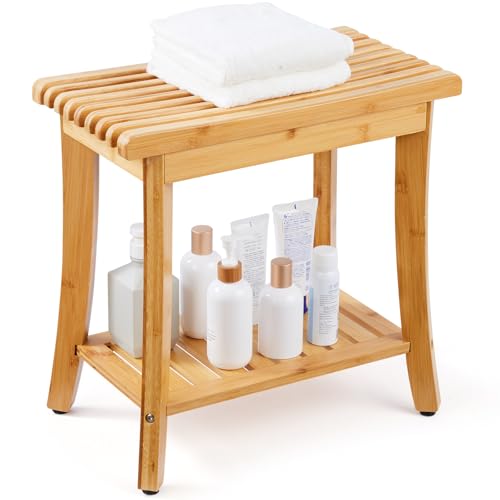
Entry method should drive your choice. A stool suits a bather who steps in easily and wants a light seat for washing. A chair with a back and arms suits a bather who needs rest and push support once inside. A transfer bench suits a bather who should not lift a leg over the tub wall at all. That is why the best bath chairs are chosen by entry method first and by extras second.
Measure before you order. Record the width of the flat tub floor, the width across the top of the tub, and the depth of the stall if you use a shower. Add the height of the tub wall for a bench, since the bench must clear it while all four feet stay level.
Common Mistakes to Avoid When Buying Bath Chairs
These errors are easy to make on a product page and hard to fix later.
- Measuring only the wide top of the tub leaves legs crowded on the narrower floor, where the chair rocks on the curve.
- Choosing a very low seat to save money makes standing after a warm shower slow and unsteady.
- Skipping the weight capacity check risks a seat that flexes under you and legs that crack over time.
- Placing a chair on a loose bath mat lets all four feet slide together when you push to stand.
- Buying thick padding for comfort alone can trap water, grow a slippery film and slow drying between showers.
Cleaning and Storing a Bath Chair to Prevent Mold and Rust
Rinse the seat and legs with clean water after each shower to wash away soap before it builds into a slick film. Once a week, scrub the seat, the drainage slots and the rubber tips with a soft brush and mild soap, then rinse well.
Let the chair dry standing in the tub, because trapped moisture feeds mildew on tips and seams. Each month, check that leg pins click into their holes, tighten any loose screws, and replace tips that look cracked or smooth. Retire a chair with a bent leg or a cracked seat.
Bath Chairs: Your Questions Answered
How do you choose the right bath chair size for your body and tub?
Choose bath chair size by matching your seated hip width to the seat and the leg spread to the flat tub floor. Leave about an inch of free space at each side of your hips so wet skin does not stick to the edges as you shift. Sit on a kitchen chair of similar height at home to check whether your feet rest flat.
Is a higher priced bath chair worth it for daily shower use?
A higher priced bath chair can be worth it for daily use if the extra cost buys a stronger frame, replaceable feet and smoother height adjustment. Daily showers wear tips and pins fast, so spare parts matter more than styling.
What bath chair features matter most for balance and safe transfers?
For balance and safe transfers, firm armrests and a back you can lean on matter most, paired with a handheld shower head you can reach while seated. Reaching for a fixed shower head twists your torso and shifts your weight to one side. A handheld head on a long hose lets you rinse while your back stays supported.
How long should a bath chair last with daily use?
A bath chair with an aluminum frame and a molded plastic seat often lasts several years of daily use. The feet and pins wear first, so a chair that accepts new tips can serve far longer than one with fixed ends. Retire the chair when a wobble returns right after tightening, or when you spot cracks near the leg mounts.
Can one bath chair work in both a tub and a walk in shower?
Yes, one bath chair can work in both places if its leg spread fits the tub floor and the stall floor. Many stalls slope toward a central drain, so set each leg with care and check for rocking on the slope before you shower. A chair with a swivel seat can help in a narrow stall where turning room is tight.
Our Verdict
Match the chair to your hardest moment first. If standing is hard, choose height, a back and firm arms. If the tub wall is the barrier, choose a transfer bench. If space is tight, choose a compact stool that truly fits the tub floor. Use the product table above to compare seat height, width and capacity side by side before you decide.
When you shop for best bath chairs with those points in mind, the right choice is usually clear. Buy the simplest seat that keeps you steady, and your daily shower becomes calmer and safer.