Best Beekeeping Books: A Buying Guide for 2026
Disclosure: We may earn a commission when you buy through links on this page, at no extra cost to you. As an Amazon Associate I earn from qualifying purchases. Learn more
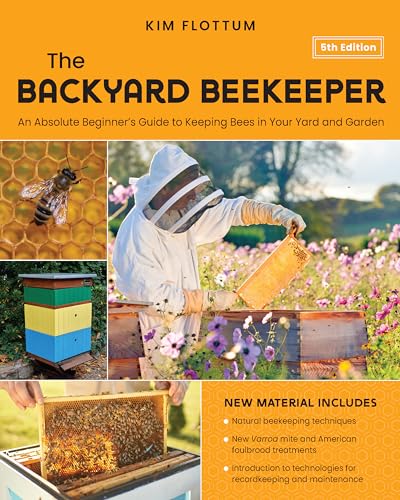
Choose the best beekeeping books for your experience level, from first season basics to hive health, seasonal care, and queen rearing.
Starting with bees brings a flood of new terms, tools, and seasonal tasks, and the right reading can turn that flood into a clear plan. The best beekeeping books explain what happens inside a hive, what to do at each stage of the season, and when to step back and let the colony work. This guide compares book types, topics, and formats so you can pick reading that matches your goals. Use the product table to weigh the options side by side.
A good book should do more than describe bees in general. It should help you recognize normal colony behavior, plan inspections, and spot problems early enough to act. Look for clear diagrams, a seasonal calendar, and practical steps you can follow in the apiary. Check local rules before you set up hives in your area.
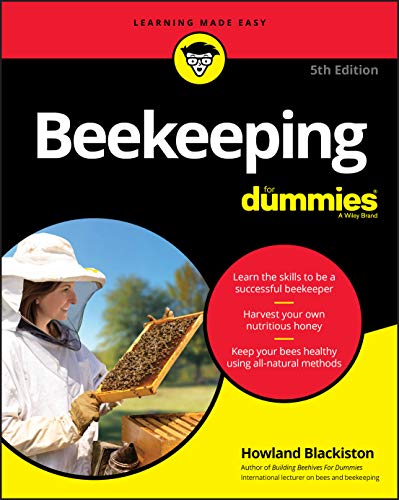


What You Get at Each Spending Level
Budget books usually cover the essentials in a compact form. Expect an introduction to hive parts, basic bee biology, a first season timeline, and simple inspection steps. These books suit readers who want a low cost starting point and plan to learn the rest through a local club or mentor. They may skip advanced topics such as queen rearing or disease diagnosis, so treat them as a foundation rather than a complete reference.
Midrange books tend to be longer, better illustrated, and organized for repeated use through the year. They often add seasonal checklists, troubleshooting tables, and photos that help you tell normal comb, brood, and stores apart. This level suits most new beekeepers who want one book they can return to again and again.
Premium books go further with deeper coverage of hive health, breeding, and regional conditions, plus detailed diagrams and references for further study. They suit readers who already keep bees and want a shelf reference that answers harder questions.
How to Choose Beekeeping Books: Buying Guide
Intended Use and Who It Is For
Start by naming what you want the book to do. A first season reader needs step by step guidance on setting up, inspecting, and harvesting, while an experienced keeper may want deeper coverage of splits, swarm control, or winter preparation. Some books focus on backyard hobby keeping, others on larger apiaries or on teaching. Matching the audience to your situation matters more than page count, because a book written for a different scale can leave out the details you need most.
Also consider how you learn best. If you learn by pictures, look for labeled diagrams of hive parts, comb patterns, and bee life stages. If you learn by doing, look for checklists and short action steps after each topic. A book that matches your learning style will get used far more often than a dense reference that stays on the shelf.
Build Quality and Materials
Book construction matters when a guide travels to the apiary. A sturdy cover and strong binding hold up better in a tote bag, and a lay flat design makes it easier to check a diagram with gloved hands. Paper that resists smudging helps when pages are handled outdoors, though no book should be left in rain or direct sun.
Key Topics to Compare
Compare the topics each book covers, not just its length. Strong guides explain colony roles, hive types, inspection routines, feeding, swarm signs, and seasonal tasks in that order. They also cover varroa and other pests in plain language, with signs to watch for and options to discuss with a local association. Books that skip pest management or seasonal timing leave a gap, so check the contents page before you buy.
Regional fit is another useful check. Climate, forage, and winter length change what bees need and when, so confirm seasonal timing with local beekeepers.
Safety and Local Rules
Beekeeping involves stings, heavy boxes, and neighbors, so safety guidance should appear in any book you trust. Look for advice on protective clothing, calm handling, hive placement away from paths, and what to do after a sting. The book should also remind readers to check local rules on hive numbers, setbacks, and registration, since these vary by place.
General guidance is a starting point only, and local associations and officials give the rules that apply to you. Keep books and protective gear away from young children, and supervise any child who visits an apiary.
Size, Weight, and Fit for Your Space
A compact field guide fits a jacket pocket or tote and works well at the hive, while a large illustrated reference suits a desk or bookshelf. Think about where you will actually read: at the apiary, in the kitchen, or in a class. A book that is too large to carry may still be valuable at home, but it will not help during an inspection. Check the dimensions and format in the product table.
Ease of Use and Setup
Ease of use comes from structure. A clear contents page, an index, and short chapter summaries let you find answers fast when a question comes up at the hive. Glossaries help with terms such as brood, super, and nucleus colony, and cross references help you move from a symptom to a likely cause. Books with review questions or practice tasks suit classroom or club use, while straightforward prose suits self directed readers.
Choose the structure that matches how you will use the book week to week.
Types of Beekeeping Books
Budget Options
Budget books focus on first season essentials and keep explanations short. They suit readers who want an affordable introduction and are happy to add a second book later. Their limits show in thinner coverage of disease and breeding, so pair one with club advice if you plan to keep bees beyond a first season.
Premium Options
Premium books offer deeper chapters, more photographs, and wider coverage of advanced topics. They suit keepers who want one thorough reference for several seasons. The trade off is size and price, though a premium book can grow with you if you plan to stay in the hobby.
Compact Options
Compact guides are short, portable, and easy to carry to the apiary. They suit readers who want quick reminders on inspection steps and seasonal tasks rather than long explanations. Some topics get only a paragraph, so they work best alongside a fuller guide or a mentor.
Mid Range Options
Mid range books balance depth and readability, with enough detail for a full season and enough structure for quick reference. They suit most buyers, from new keepers to those in their second or third year. Readers who enjoy reading on a screen may also compare a print guide with digital reading, and our guide to the best tablets for books covers screen size and battery life for long reading sessions.
How to Make Your Beekeeping Book Last Longer
- Read the introductory notes before first use, so you know how the book is organized and where its seasonal calendar sits.
- Clean and inspect the cover and pages regularly, and wipe off dust after trips to the apiary.
- Store the book in a dry place away from direct sun, damp sheds, and hive equipment.
- Use a bookmark or sticky notes instead of folding page corners, which weakens the binding over time.
- Keep the book in a bag or sleeve when carrying it outdoors, and never leave it out in rain.
Readers building a small home library may also enjoy our guide to the best book sets, which covers how to choose matched sets for a topic you want to study in depth.
Beekeeping Books: Your Questions Answered
What features matter most when buying beekeeping books?
Clear seasonal guidance matters most, because beekeeping tasks change through the year. Look for a contents page that covers setup, inspections, feeding, swarm control, harvest, and winter preparation in that order. Strong diagrams of hive parts and brood patterns come next, since they help you recognize what you see during an inspection. Finally, check that pest and disease chapters explain warning signs in plain language and point you toward local help rather than promising a single fix.
Are expensive beekeeping books worth it?
Expensive books are worth it when their extra depth matches your plans. A longer reference with detailed photos, regional notes, and advanced chapters can serve you for several seasons and answer questions a short starter book cannot. They are less worth it if you only want first season basics, since a shorter book plus club advice may cover that stage for less. If you plan to keep bees for years, the higher price often pays off in fewer gaps and fewer extra purchases later.
How much should I spend on a beekeeping book?
Most beekeeping books cost about $12 to $30, which covers first season essentials in a readable form. Larger illustrated references can cost around $30 or more and add seasonal checklists, troubleshooting tables, and better illustrations. Start with the level that matches your experience, and add a second book only when you hit a topic your first book does not cover well.
How do I maintain a beekeeping book?
Keep the book dry, clean, and away from hive tools and smoker fuel, which can stain pages and damage binding. Wipe the cover after outdoor use, store the book upright on a shelf, and avoid stacking heavy items on top of it. Use bookmarks rather than folded corners, and note page numbers for topics you revisit often. If a page gets damp, let it dry flat before closing the book, since closing wet pages can warp the binding.
How long does a beekeeping book last?
A well made book can last for many years, though its advice may age as local practices and pest guidance change. Binding and paper quality decide physical life, while edition date and regional notes decide how current the content stays. Check whether a newer edition exists before buying, and confirm seasonal and treatment advice with current local sources before acting on it.
Our Verdict
Choose by experience level, seasonal coverage, and format, not by page count alone. A first season keeper needs clear steps and a seasonal calendar, while a returning keeper benefits from deeper troubleshooting and regional detail. The best beekeeping books are the ones you return to through the year, so pick a book you will actually carry, read, and trust. Check the product table once more, then choose the level that fits your plans and budget.