Best Bases for Hot Tubs by Budget: Smart Choices for 2026
Disclosure: We may earn a commission when you buy through links on this page, at no extra cost to you. As an Amazon Associate I earn from qualifying purchases. Learn more

Planning bases for hot tubs? Compare concrete pads, gravel beds, and deck platforms for load strength, drainage, and level support before installation.
Shopping for best bases for hot tubs is really about supporting thousands of pounds of water, tub, and people without shifting, cracking, or draining poorly. A hot tub base must be level, strong, and well drained, or the shell can stress, doors can bind, and water can pool where it causes damage. This guide compares the main base types in plain language and helps you plan a base that lasts. The comparison table below shows the options side by side.
Start with weight and access. A filled tub plus occupants can weigh as much as a small car, so the ground and structure beneath must be rated for that load. Check delivery access too, since a base in a spot a crane or trolley cannot reach creates problems before installation even begins. Plan drainage from the start, because splash water, rain, and occasional draining all need somewhere safe to go.




Base Types in Plain Language
A concrete pad is the most common choice: a reinforced slab poured level on compacted ground, sized a little larger than the tub footprint. It handles heavy loads well, resists shifting, and gives a clean, stable surface. A gravel bed uses compacted crushed stone in a framed area, which drains well and costs less, but it needs careful levelling and edging to stop stone spreading under the tub.
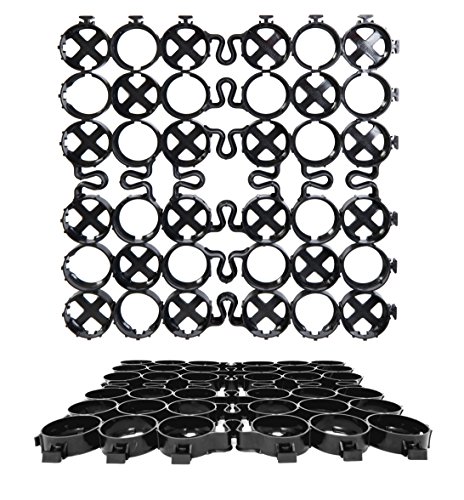
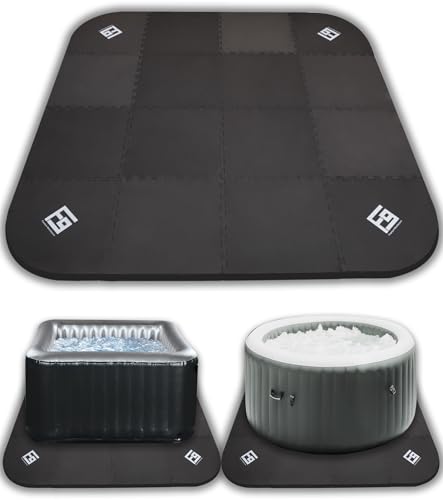
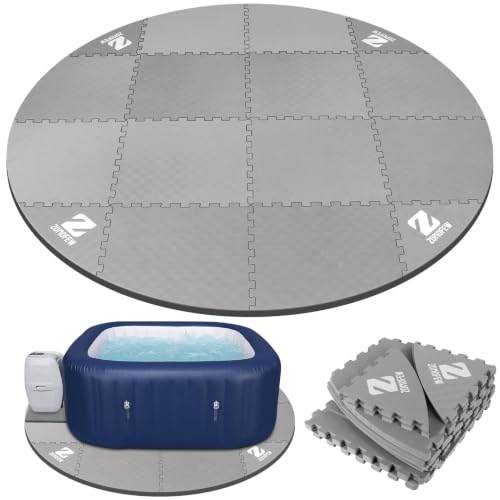
A deck platform can work when it is engineered for the full filled weight, with proper footings, joists, and beams. Ordinary decks built for foot traffic are not enough, so a structural check is essential before placing a tub on any deck. Prefabricated pads made from dense plastic or composite panels offer a quicker option on firm, level ground, though they still need a prepared, compacted sub base to perform well.
Key Features Explained
Load Bearing and Level
Level matters as much as strength, because an uneven base stresses the shell and can affect water level, jets, and cover fit. Check level across the whole footprint with a long straight edge, not just at the corners. Load bearing depends on soil, slab thickness, reinforcement, and footings, so local ground conditions change the right specification. When in doubt, ask a local contractor or structural professional to confirm the design for your soil and tub weight.
Drainage and Water Management
Good drainage keeps the base dry, prevents frost heave in cold climates, and stops splash water pooling around electrical parts. Slope the surrounding ground gently away from the tub, and plan where drain water goes during full or partial draining. Avoid low spots where water collects under the tub, since trapped moisture speeds corrosion and can undermine gravel or pad edges. A small drainage channel or gravel border often solves problems that a flat pad alone cannot.
Access and Services
Plan access for delivery, installation, and future servicing. Pumps, heaters, and filters need reachable panels, and covers need room to lift or slide. Electrical supply must meet local codes, with proper protection and a qualified installer for connections. Leave working space around at least the service side of the tub, and avoid boxing it in with walls or planting that block maintenance access.
Who Should Buy Which Type
Concrete pads suit most permanent installations, especially on soft or uneven ground where a strong, level surface matters most. Gravel beds suit budget conscious owners on firm, well drained ground who accept periodic re levelling. Engineered decks suit owners who want the tub raised to a living level, provided the structure is professionally rated for the load.
Prefabricated pads suit renters or owners who may move the tub, since they install faster and can be relocated. Whichever base you choose, confirm the tub maker requirements first, since warranty terms may specify base type, level tolerance, and support conditions. Meeting those terms protects both the tub and your warranty.
Mistakes to Avoid
A common mistake is placing a tub on grass or bare soil, which compresses unevenly and leaves the shell stressed and unlevel. Another is building an ordinary deck without checking load ratings, which can sag or fail under filled weight. Skipping drainage planning is also costly, since pooled water damages bases, corrodes parts, and creates slippery, muddy surroundings.
Do not forget service access. A tub pushed tight against a wall may look tidy but can make pump or heater repairs difficult and expensive. Electrical work should always follow local codes and use qualified installers, since water and electricity demand proper protection. Check local permits and setback rules before pouring concrete, since moving a finished pad is far harder than adjusting a plan.
Care and Everyday Use
Inspect the base each season for cracks, settling, or gravel spread, and re level gravel beds before problems grow. Keep drainage paths clear of leaves and debris, and check that splash water still flows away from the tub. Clean the pad surface to prevent algae and slippery build up, especially in shaded, damp spots.
Watch for new gaps under the tub edge, doors that bind, or water levels that look uneven, since those can signal base movement. Early attention, such as topping up gravel or sealing a small crack, usually prevents larger repairs. With a well planned base, the tub itself becomes the focus, not the ground beneath it.
A Final Check Before You Order
Before you pour or build anything, confirm the tub maker base requirements in writing, including level tolerance, support type, and drainage expectations. Warranty cover often depends on those details, and a base that looks strong but fails maker specifications can void protection when problems appear. Keep the requirements with your purchase paperwork for future reference and servicing.
Get local quotes for concrete, gravel, and deck options, since soil, access, and labour costs vary widely by area. A contractor familiar with local ground conditions can advise on slab thickness, reinforcement, and footing depth far better than a generic online guide. Ask each quote to include drainage and service access, not just the pad itself, so comparisons stay honest.
Plan the full drain route before installation, including where splash water, rain runoff, and occasional full drains will go without pooling near the tub or neighbours. Leave working space around the service panel and room for cover lifting, since cramped access turns simple maintenance into an expensive job. With maker specs, local advice, and drainage planned, the base becomes a quiet foundation for years of use.
Frequently Asked Questions
Can I put a hot tub on an existing deck?
Only if the deck was designed or verified for the full filled weight of the tub plus occupants. Ordinary decks built for foot traffic are usually not strong enough, and adding a tub can cause sagging or failure. Ask a structural professional to check footings, joists, and beams before installation. If the deck cannot be rated for the load, a ground level pad is the safer choice.
How thick should a concrete pad be?
Thickness depends on soil, tub weight, and local practice, but reinforced pads for hot tubs are commonly thicker than a simple garden slab. Reinforcement, a compacted sub base, and proper curing all matter as much as thickness alone. Ask a local contractor to specify the pad for your soil and tub model, and follow the tub maker base requirements to protect warranty cover.
Is gravel a good base for a hot tub?
Gravel can work well on firm, level, well drained ground when it is properly compacted and edged. It drains better than concrete and costs less, but it needs periodic checking and re levelling as stone shifts. On soft or sloping ground, concrete usually gives a more stable long term base. Whichever option you choose, level and load bearing matter more than the material label.
Do I need planning permission or permits?
Rules vary by location, and may cover electrical work, setbacks, drainage, and structural changes. Check local codes before pouring a pad or building a deck platform, and use qualified installers for electrical connections. Early checks avoid costly changes later, such as moving a finished base or rewiring a supply that does not meet code.
What maintenance does a hot tub base need?
Inspect the base seasonally for cracks, settling, and drainage blockages. Re level gravel, seal small concrete cracks early, and keep drainage paths clear. Watch for uneven water levels or binding doors, which can signal base movement. Prompt small fixes usually prevent larger structural problems and keep the tub safe and comfortable to use.
Final Thoughts
A good hot tub base is level, strong, well drained, and planned for service access from the start. The product table above compares the main types, and the sections here explain how load, drainage, and access interact in daily use. Confirm maker requirements, check local codes, and build for the full filled weight, not just the empty tub.
With that foundation, best bases for hot tubs fade into the background and let you enjoy the tub itself for years. Invest in the groundwork once, and the rest of ownership becomes far simpler.