
Best Bargain Paper Towels 2026: Types Compared
Disclosure: We may earn a commission when you buy through links on this page, at no extra cost to you. As an Amazon Associate I earn from qualifying purchases. Learn more

Learn how to find the best bargain paper towels by comparing ply, sheet size and cost per sheet instead of the price on the pack.
A low sticker price can hide a thin roll that runs out fast. The best bargain paper towels cost less over a month because each sheet handles more, so you tear fewer sheets for the same spill. This guide compares the main types and shows the simple math behind true value, so you can judge the comparison table below.
Think about where your towels go first. Most homes use them for kitchen spills, sticky hands, bathroom counters and quick glass touch ups. A bargain pick has to suit those daily jobs and fit your holder and storage space.

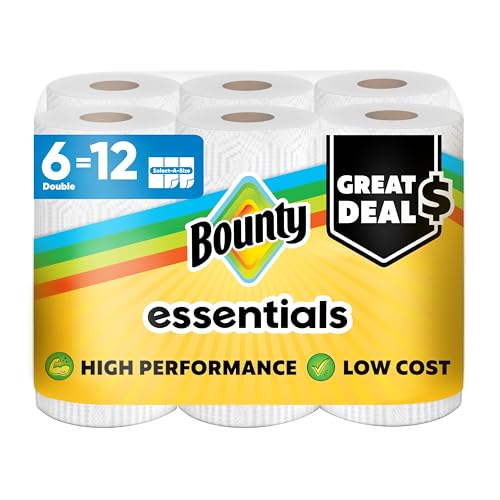


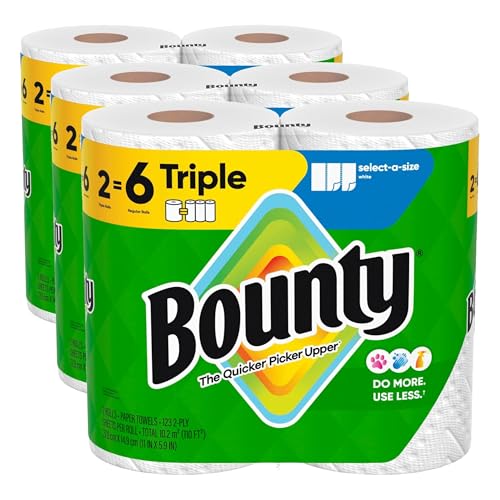
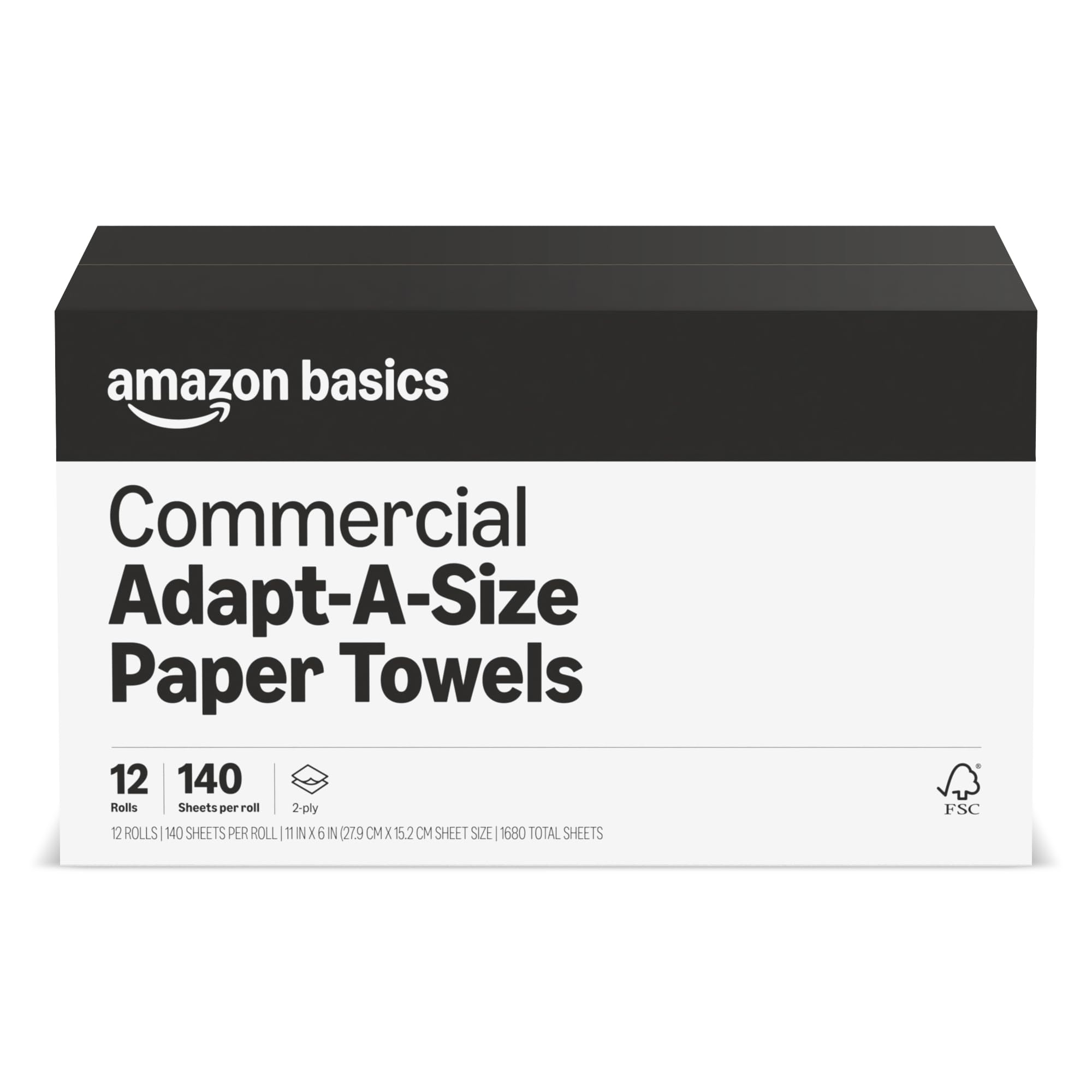

Types of Paper Towels Compared
Paper towels fall into three broad types, and the bargain end of each behaves differently. Match the type to the mess you clean most often before you look at pack price.
Standard Value Rolls for Daily Spills
Standard value rolls use a single ply or a light two ply sheet with basic embossing. They suit water spills, crumbs and quick hand drying, where speed matters more than strength. A fresh sheet feels thin and can tear once fully wet, so you may use two sheets for a soaked counter. For light daily work that trade is fair, and this type gives the lowest cost with the least fuss. For broader kitchen jobs, see our guide to the best paper towels for cleaning.
Thicker Heavy Duty Rolls for Grease and Big Messes
Heavy duty bargain rolls use a thicker sheet, deeper embossing and stronger fibers that hold together when wet. One sheet can wipe cooking grease, scrub a stovetop edge or soak a large spill without shredding into bits. You pay more per roll, but you tear fewer sheets per mess, and that gap decides the real saving. Choose this type if your kitchen sees fried food and frequent spills, or if you clean rental units between tenants. Thin rolls feel wasteful fast in those homes.
Bamboo and Recycled Rolls for Lower Waste Homes
Bamboo rolls use fast growing fiber and often feel soft with good absorbency, though prices swing more than standard rolls. Recycled rolls use recovered paper fiber, skip fresh tree fiber and often come without added fragrance. Both types handle daily spills well, and both reward a close look at sheet count, since a small roll can erase the saving. If fiber source matters to you, see our guide to the best bamboo paper towels and our guide to the best recycled paper towels.
Key Features to Compare
Judge every bargain pack by the same five checks below. A pack that wins on one check and fails on the rest rarely stays cheap.
Ply and Thickness
Ply tells you how many layers are pressed into one sheet. A single ply sheet costs least and suits quick dabs, while a two ply sheet traps more liquid between its layers and resists tearing. Thickness you can feel matters as much as the ply count on the label. Press a sheet flat in the store if you can. A dense, springy sheet will almost always outlast a lofty sheet that crushes to nothing and soaks through at once.
Absorbency and Wet Strength
Absorbency is how much liquid one sheet can hold before it drips, and wet strength is how well that soaked sheet stays in one piece. Embossed pockets help trap water, and longer fibers help a wet sheet survive wiping and a gentle wring over a sink. Test a new pack with one measured spill at home and count the sheets you use for that same spill over a week.
Sheet Size and Perforation Choices
Full sheets suit large spills and covering a plate, while half sheet rolls let you tear a smaller piece for a small job. Clean perforations save money in a quiet way, since a ragged tear often wastes the next sheet as well. Check sheet width against your holder. Wide sheets feel clumsy on tight counters, while narrow sheets can leave you tearing two pieces for one wide spill.
Sheets per Roll and True Cost per Sheet
Pack price alone tells you almost nothing. Divide the pack price by the total sheet count across all rolls to get cost per sheet, then weigh that figure against sheet size and strength. A roll with about 60 to 150 sheets can look cheap yet hold far less paper than a larger roll at the same price. Total area in square feet, printed on many packs, is an even fairer guide.
Lint, Texture and Fiber Source
Lint is the fine fluff a towel leaves on glass, mirrors and dark counters. Smooth, tightly pressed sheets leave less lint and give a streak free finish, while soft, lofty sheets can shed on shiny surfaces. Fiber source shapes feel and cost as well. Fresh wood fiber tends to feel strong, recycled fiber can feel rougher, and bamboo fiber often feels soft. If scent bothers your household, choose fragrance free rolls with no added dye.
How to Choose the Right Bargain Paper Towel for Your Home
Large families and busy shared kitchens burn through rolls fast, so bulk packs with a low cost per sheet usually win. The best bargain paper towels for that pattern are thick enough to keep sheet use low and packed in counts your pantry can hold. Buy the largest pack you can store dry, and keep one spare roll near the sink.
Small homes and apartments face the opposite limit. A giant pack that blocks a closet costs you space every day, and damp storage can leave rolls with a stale smell. Choose standard size rolls that fit your holder, buy smaller packs more often, and let sale prices guide your timing. A modest pack at a fair cost per sheet beats a bulk bargain that crowds your only cupboard.
If you host often or clean glass and stainless steel a lot, sheet finish may matter more than the last cent per sheet. Compare your final choices with our guide to the best quality paper towels and note where finer sheets pull ahead on lint and wet strength. Many households land in the middle, with a thicker roll by the stove for grease and a standard value roll near the sink.
Common Mistakes to Avoid
Each mistake below raises your real cost per clean surface, even when the pack price looked low.
- Judging value by pack price alone hides a low sheet count and leaves you buying rolls far more often.
- Using thin single ply sheets for grease means you tear sheet after sheet and spend more than a thicker roll would cost.
- Storing rolls under a sink exposes them to leaks and damp air, so sheets weaken and pick up odors before use.
- Tearing full sheets for tiny spills wastes most of each sheet and empties a roll within days.
- Ignoring holder size leads to oversized rolls that spin poorly and tear unevenly at the perforation.
How to Store Paper Towels and Use Each Sheet Well
Store unopened packs in a dry cupboard away from cleaning sprays and strong scents, since paper absorbs odors from the air around it. Keep the plastic wrap on spare rolls until you need them, because exposed rolls collect dust and kitchen grease. Stand rolls upright so the edges stay round and feed cleanly on the holder.
For a spill, blot first and wipe second. Blotting lets the sheet fill with liquid, while hard rubbing on a full puddle just pushes water across the counter. Fold a sheet in quarters for scrubbing, and turn to a fresh face as each side loads with grime. Let a used sheet finish a second light job, like wiping a trash bin rim, before you throw it away.
Paper Towels: Your Questions Answered
Are bargain paper towels safe to use in a microwave?
Plain white bargain paper towels are widely used to cover food for short heating, and that use is generally fine. Printed or recycled rolls need more care, since inks and recovered fibers can include traces you do not want near heat and food, so pick plain unprinted sheets. Never leave a towel in a microwave that runs empty.
Do bargain paper towels leave lint on mirrors and glass?
Bargain paper towels can leave lint on glass if the sheet is soft and lofty. A tightly pressed sheet leaves far less fluff, and a light final pass with a dry sheet clears most marks. Spray the glass, wipe with one sheet, then buff with a second dry sheet. Very dirty glass needs a first wipe to lift grit, since grit held in one sheet can smear.
How long do stored paper towels stay good to use?
Stored paper towels stay good for years when they stay dry and sealed. Humidity is the real enemy, because damp rolls grow weak, smell stale and can show spots over time. Check spare rolls in a garage or basement each season, move any pack that feels damp to a dry room, and use the oldest pack first.
Are recycled bargain paper towels as absorbent as standard rolls?
Recycled bargain paper towels are close in absorbency for light spills, hands and counters. Recovered fibers are shorter after reuse, so a soaked recycled sheet can tear sooner under hard scrubbing than a fresh fiber sheet. Many homes use recycled rolls for daily light jobs and keep a thicker roll for heavy grease, which keeps cost low.
Can used paper towels go in a home compost bin?
Used paper towels can go in a home compost bin when they hold only food, water or soil. Towels with small amounts of cooking grease break down as well, though a fully soaked sheet slows the pile. Keep towels used with strong chemical sprays out of the compost. Tear used sheets into smaller pieces so they mix in and break down faster.
Final Thoughts
True value comes from three checks: cost per sheet, wet strength and a sheet size that fits your daily messes. Pick the type that matches your biggest mess first, then let price decide between close options. Use the product table above to compare sheet counts and pack sizes.
When you judge best bargain paper towels by cost per finished job rather than pack price, the right roll is easy to spot. Buy that roll in the largest size your dry storage allows.


