
Best Barefoot Winter Boots for 2026: What Actually Matters Before You Buy
Disclosure: We may earn a commission when you buy through links on this page, at no extra cost to you. As an Amazon Associate I earn from qualifying purchases. Learn more

Choosing the best barefoot winter boots means balancing toe room, grip, and warmth. Use this checklist to compare fit, traction, insulation, and care.
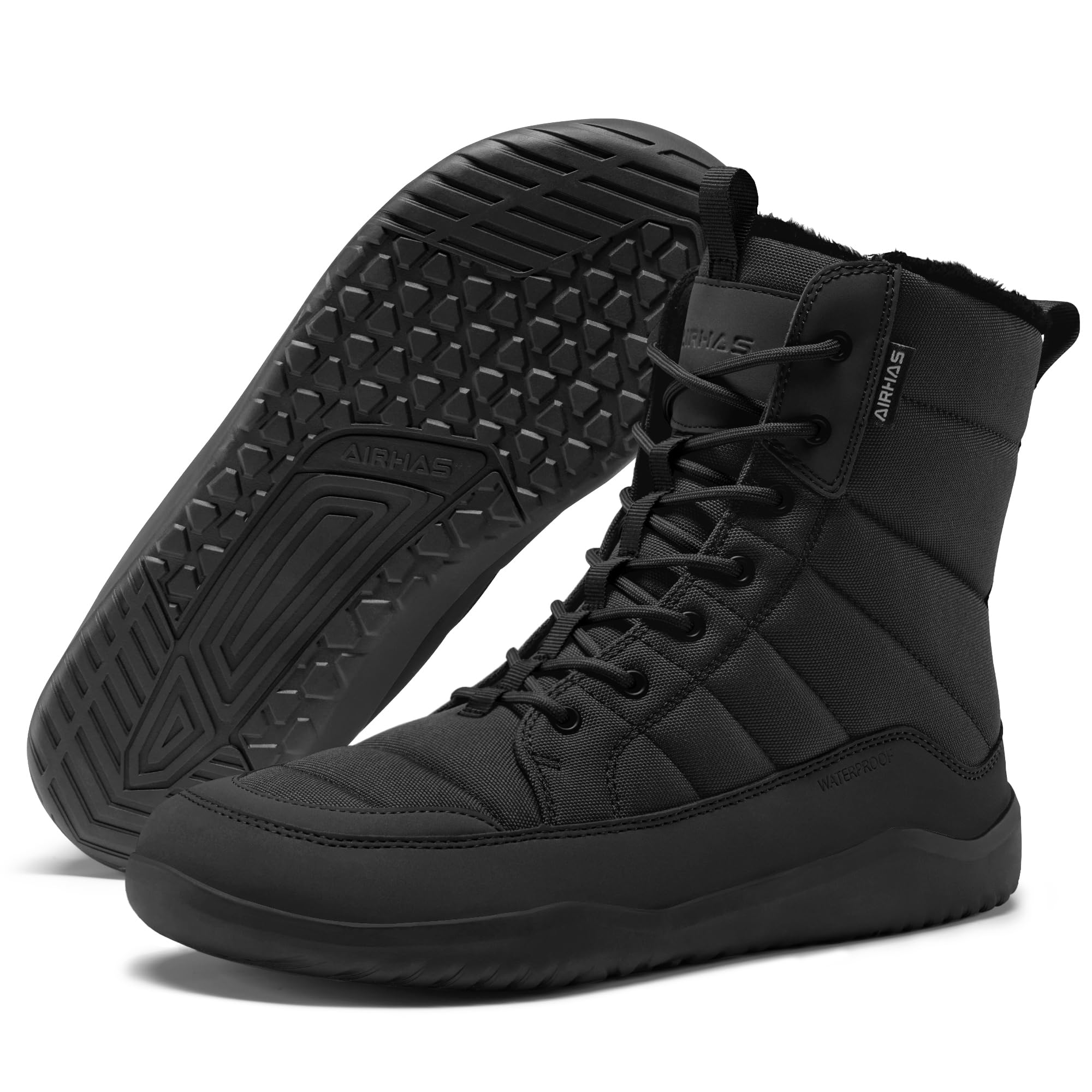
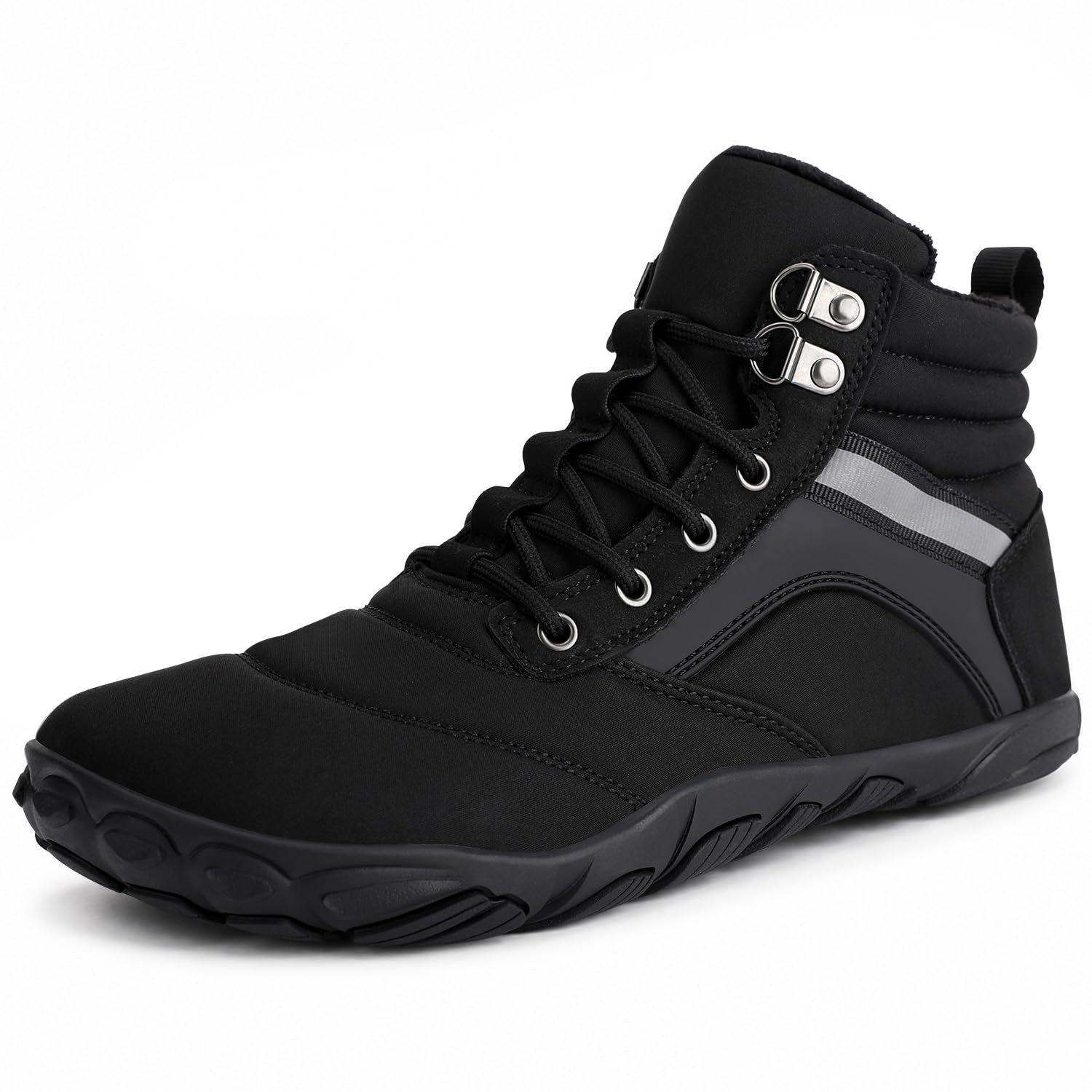
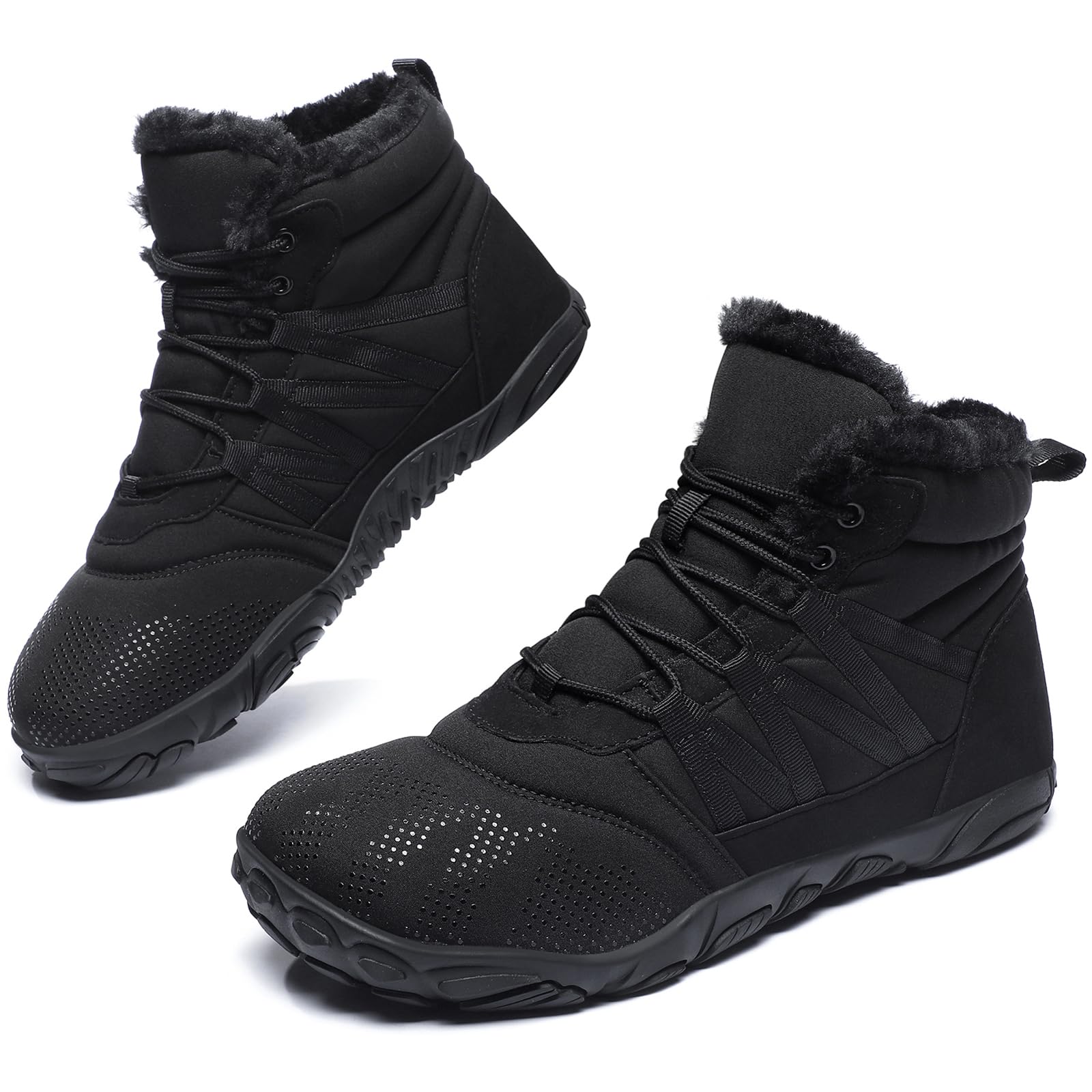
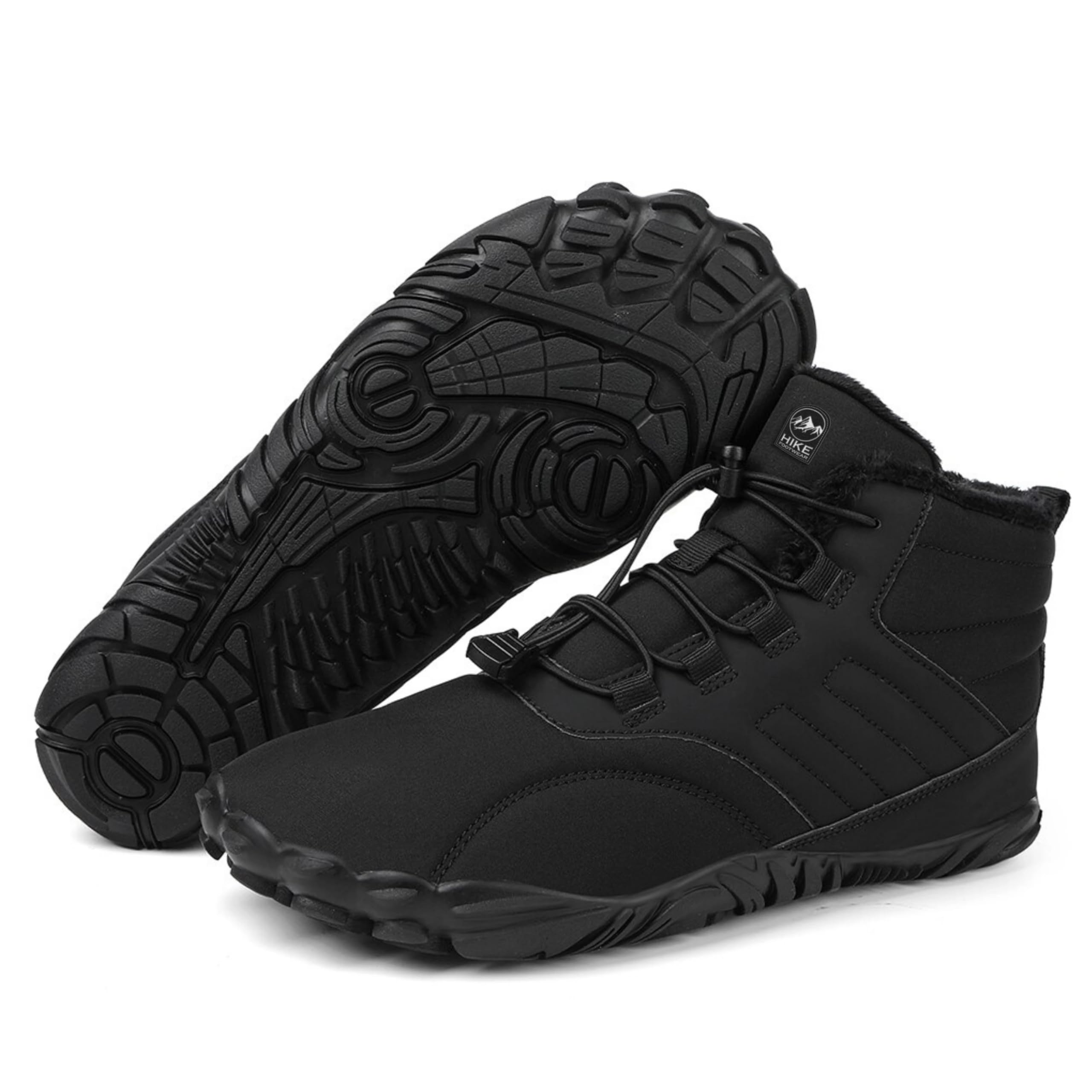
Shopping for best barefoot winter boots can feel confusing because the style promises a natural feel while winter demands warmth, grip, and protection from wet snow. The trick is to judge each pair by the same checklist instead of by looks alone, so you can tell a genuinely flexible winter boot from a thin shoe that simply looks the part. Use the product table to keep the key differences in view as you read.
A good winter pair should let your toes spread, bend easily at the forefoot, and still keep slush out while giving you steady footing on icy paths. This guide walks through fit, cushioning, traction, weight, arch support, and break in comfort, then adds spending guidance, a quick checklist, red flags, and care tips. By the end you will know which trade offs matter most for your daily walks, your commute, or your time outdoors.
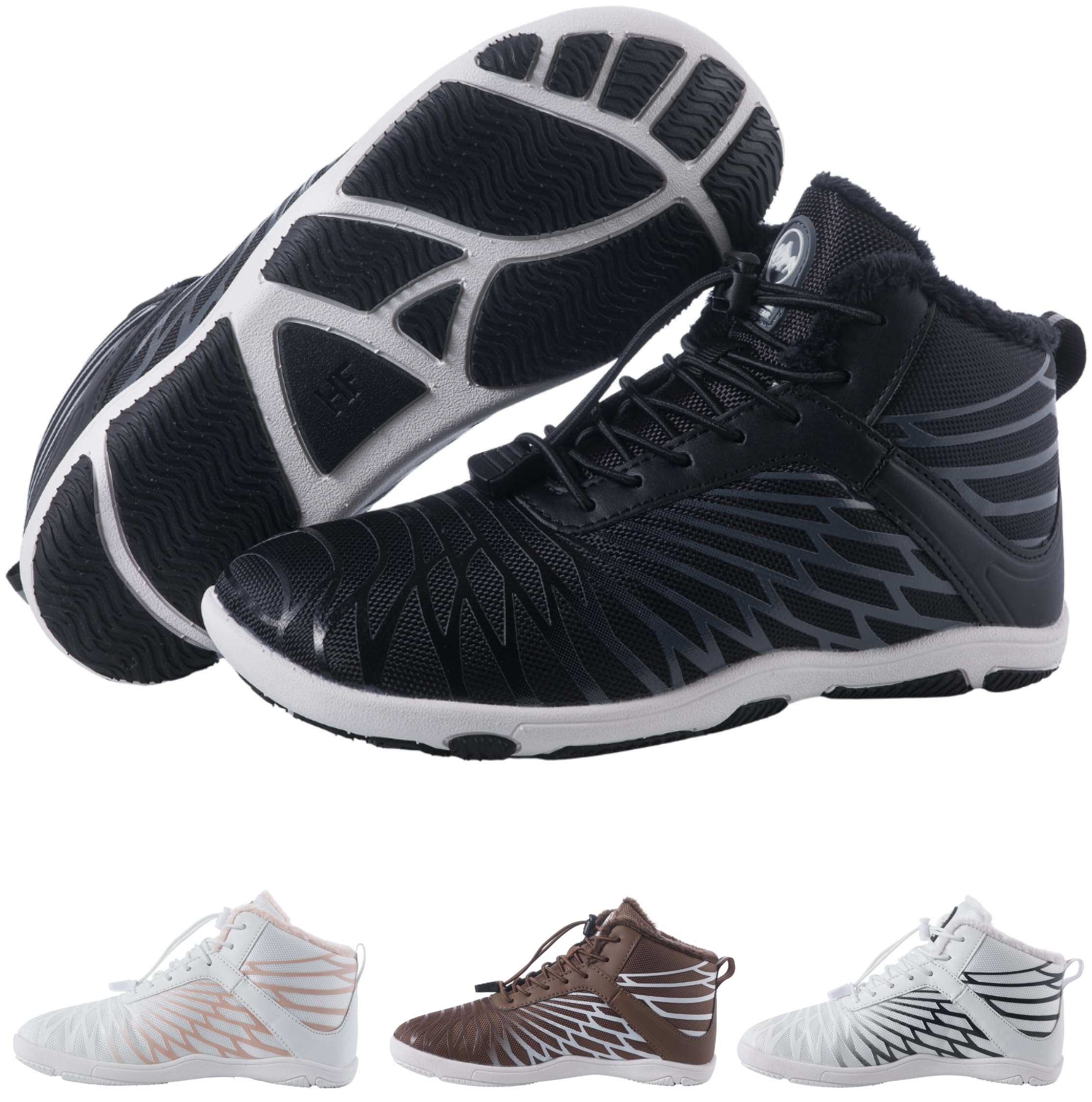
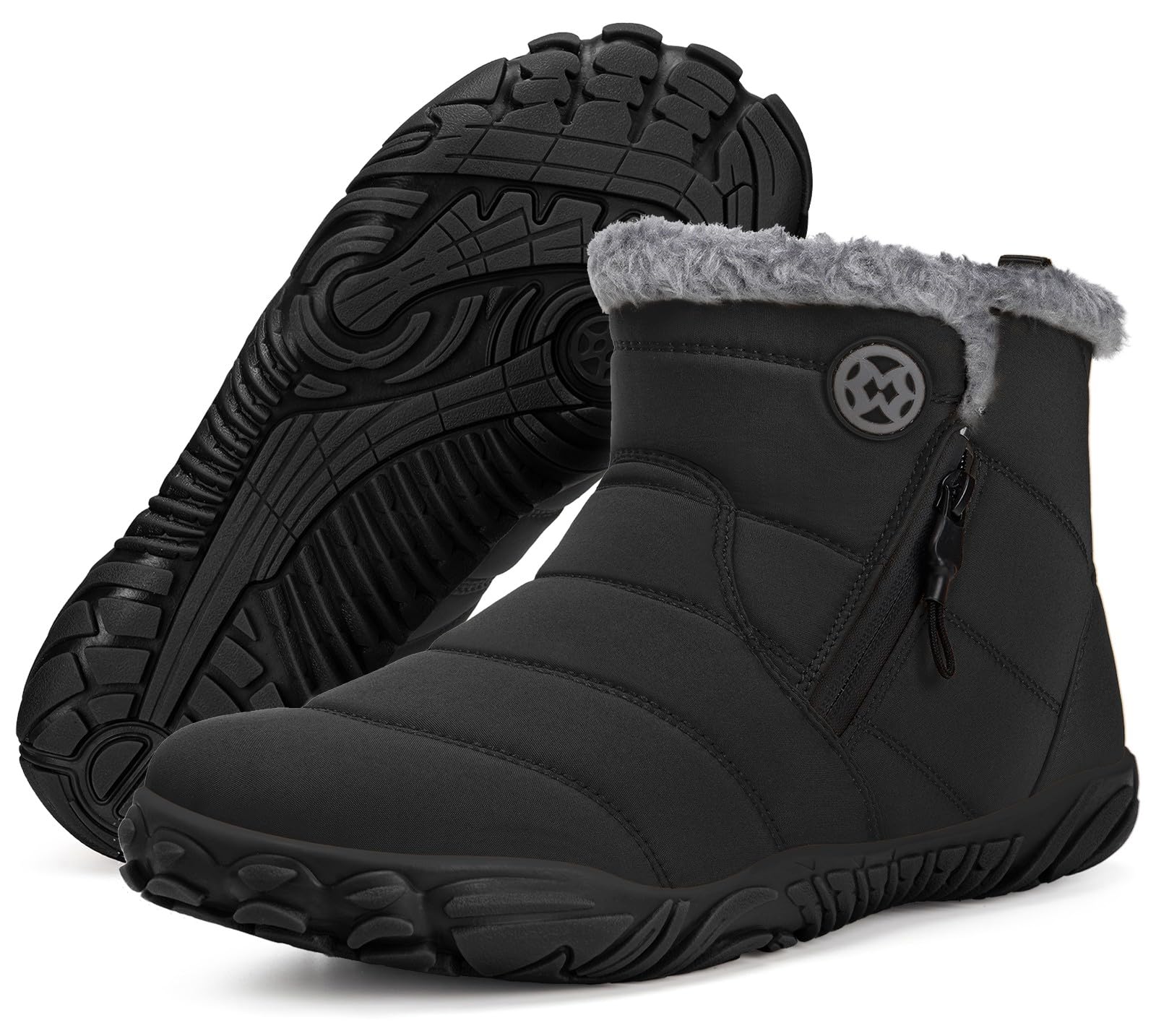


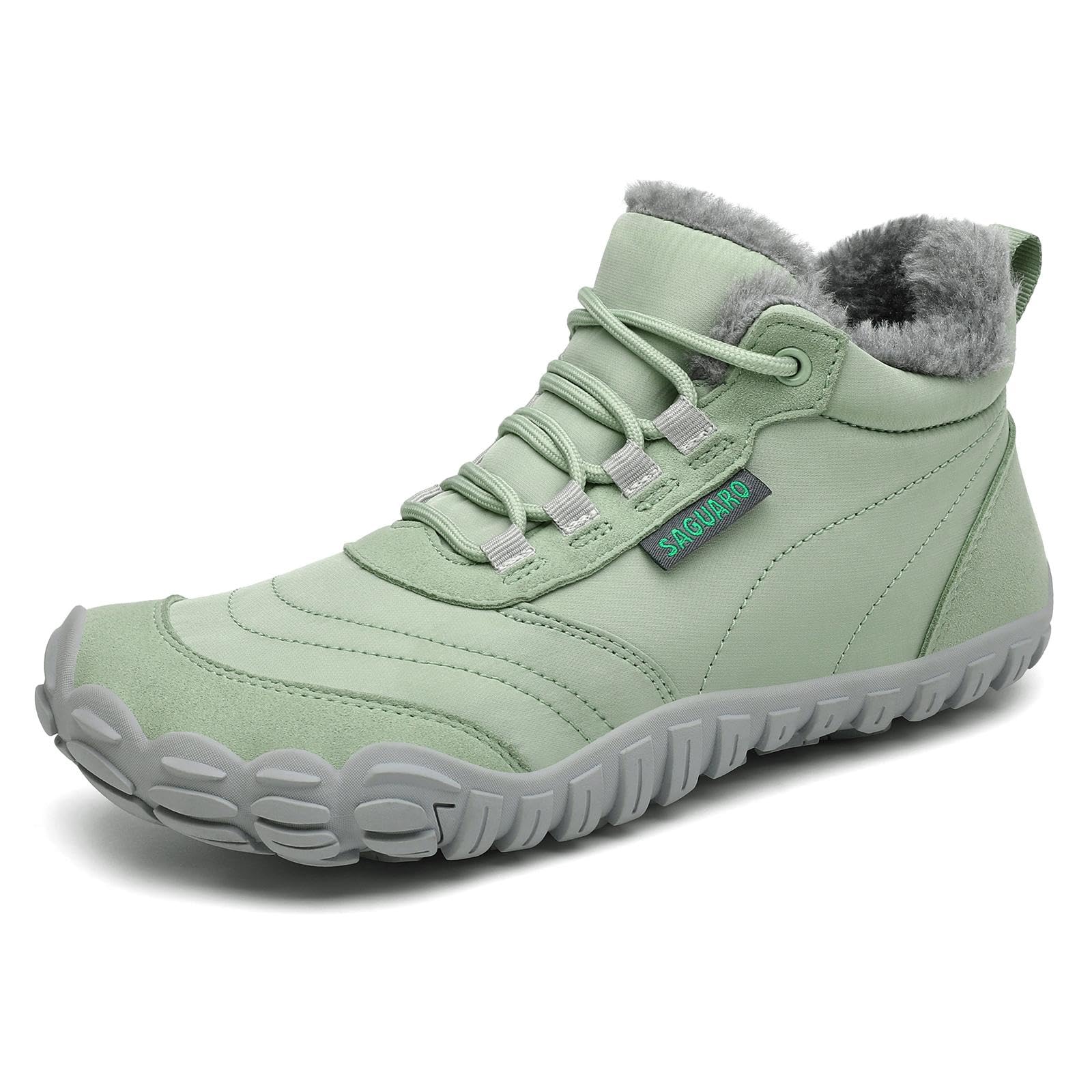
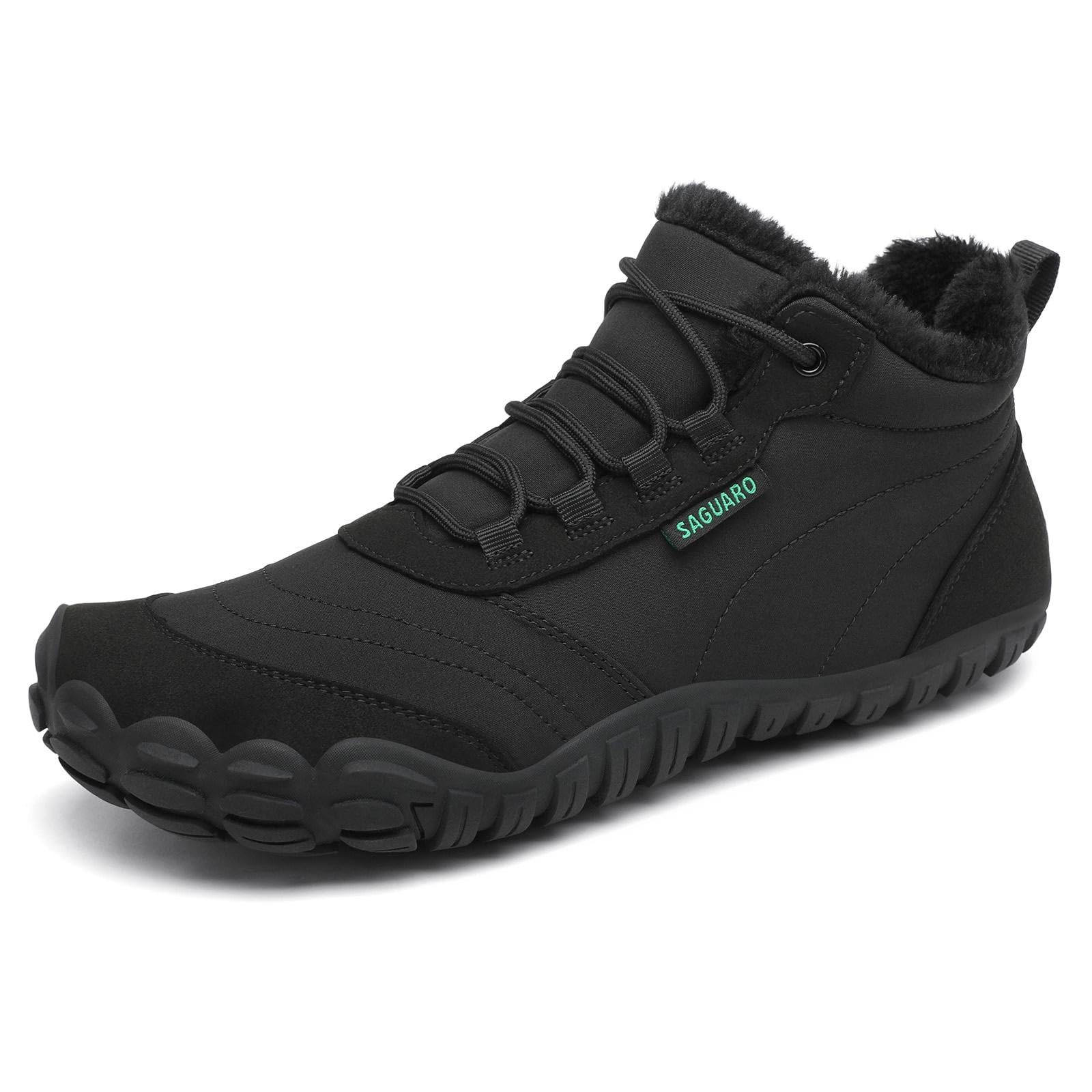
Best Barefoot Winter Boots: A Feature Checklist to Compare
Think of this section as a checklist to work through. No single feature decides the purchase on its own, and the right balance depends on how cold your winters get, how far you walk, and whether you mostly face cleared sidewalks or deep snow. Work through each point below and note where a pair is strong and where it asks you to compromise.
Fit, Sizing, and Toe Box
Measure your feet in the afternoon, when they are slightly larger, and wear the socks you plan to use in winter. The toe box should let all five toes lie flat and spread without pressing against the sides, and you should have a small amount of space ahead of your longest toe. If your toes feel pinched while standing still, they will feel worse after a long walk in the cold. For a broader look at winter footwear, see our guide to best winter boots.
Cushioning and Support
Barefoot style boots use thinner soles than heavy winter boots, but that does not mean they must feel harsh on hard ground. Look for a sole that absorbs some impact while still letting you feel the surface underfoot, and check the heel to toe drop, which is the height difference between heel and forefoot. A low drop suits the natural feel of this style, while a little extra cushioning can help if you walk on pavement for hours.
Outsole Traction and Terrain
Winter traction comes from the rubber compound and the depth and spacing of the lugs on the outsole. Deep, widely spaced lugs shed snow better than a shallow pattern, and a softer rubber compound tends to grip icy pavement more reliably than a very hard one. Match the tread to your terrain, since a lug pattern made for muddy trails may feel clumsy on cleared sidewalks, and a city tread may clog in deep snow. For more on tread choices for men, see our guide to best winter boots for guys.
Weight and Flexibility
Weight matters more in winter than many buyers expect, because each step also lifts snow, slush, and heavier clothing. A lighter boot reduces fatigue on long walks, while a slightly heavier boot may add warmth and ankle support. Flex the boot by hand and try a few steps: the forefoot should bend where your foot bends, and the boot should not force your stride into a stiff, flat pattern.
Arch Support and Foot Type
People with flat feet, high arches, or a tendency to roll inward need to pay close attention to how a boot supports the midfoot. Some barefoot style boots include a removable insole that adds a little arch support without changing the wide toe box, and that option is worth seeking out if your feet tire quickly. If you have persistent foot pain, numbness, or swelling, talk with a clinician before choosing a style that changes how your feet work. For women focused sizing notes, see our guide to best ladies winter boots.
Break In Period and Comfort Out of the Box
A good pair should feel comfortable on a short indoor walk, with no sharp pressure on the toes, ankle bones, or Achilles area. Some stiffness is normal at first, especially in cold weather materials, but pain is not part of a normal break in period. Wear new boots around the house for a few short sessions before a long outdoor walk, and check for rubbing or hot spots early, while you can still adjust lacing or socks. For more sizing context, see our guide to men's winter boots.
Spending Level Guidance
A modest budget usually buys a simple flexible boot with basic water resistance and a straightforward sole, which suits short walks and mild winters. Expect to trade some insulation and long term durability, so check the sole bonding and stitching carefully before you commit. A middle budget often adds better waterproofing, warmer lining, and a more refined tread, which makes sense if you walk daily through slush and ice.
A higher budget tends to bring warmer insulation, tougher materials, and more careful construction, which can pay off for long outdoor days in deep cold. Even at this level, price alone does not guarantee a good fit, so the toe box and flex still matter more than any premium label. Whatever you spend, keep the receipt and return window in mind until you have tried the boots on a real winter walk.
Quick Buyer Checklist
Run through these questions before you buy, and skip any pair that fails more than one of them:
- Can your toes spread fully inside the toe box while wearing winter socks?
- Does the forefoot bend where your foot bends, without forcing your stride?
- Is the boot rated or described for the wet, slushy conditions you actually face?
- Do the lugs look deep enough to grip ice and shed snow?
- Can you adjust the fit around the ankle without cutting off circulation?
- Is the lining warm enough for your coldest regular walk, not just an average day?
- Are the materials and seams easy to clean and dry after a wet walk?
- Does the maker give clear sizing guidance and a fair return policy?
Red Flags to Watch For
Be cautious when a listing gives vague specs, such as calling a boot waterproof without explaining the membrane, seam sealing, or closure design. Very short warranties, missing size charts, and reviews that all sound identical can also signal a product that may not hold up in real winter use. Another warning sign is a boot marketed as barefoot style but built on a narrow, stiff last that squeezes the toes, since that defeats the main reason for choosing this style.
Setup and Care Tips
Break new boots in gradually with short walks, and air dry wet boots away from direct heat so the materials keep their shape. Rotate two pairs for daily wear when you can, since that gives each pair time to dry fully between walks and extends the life of the soles and linings. Inspect the outsole and seams each month during winter, and replace a pair when the tread is worn smooth, the waterproofing fails repeatedly, or the cushioning no longer feels even underfoot.
Barefoot Winter Boots: Your Questions Answered
Do barefoot winter boots need to be fully waterproof?
Full waterproofing matters most if you walk through slush, melting snow, or standing water, because wet feet get cold fast and stay cold. Water resistant boots can be enough for dry, cold days and cleared paths, especially when paired with warm socks. If your route regularly crosses slush, choose a sealed design with a gusseted tongue and a closure that keeps snow out of the top.
Can I wear barefoot winter boots all day?
Many people can wear them all day once the fit is right, but the answer depends on your feet, your walking distance, and the temperature. Start with shorter wears and build up gradually, and pay attention to fatigue, cold toes, or sore spots that appear late in the day. If you stand for long hours on hard floors, a little extra cushioning or a supportive insole may make the day far more comfortable.
Are expensive barefoot winter boots worth the extra money?
Higher prices often buy better insulation, tougher soles, and more careful construction, which can matter in harsh winters or for daily long walks. For mild winters and short trips, a simpler pair may serve just as well, so the extra money only pays off when it buys a feature you truly need. Compare fit, traction, and waterproofing first, and treat price as a tiebreaker between pairs that already fit well.
How long does the break in period last for barefoot winter boots?
Most pairs soften within a few short walks, and the process usually takes about a week of regular indoor and short outdoor wear. Stiff materials and cold weather can slow things down, so give the boots time before judging comfort on a long winter hike. If sharp pain, numbness, or blistering continues after several wears, the size or shape is probably wrong rather than merely unbroken.
How should barefoot winter boots fit?
They should fit with toes spread flat, a little space ahead of the longest toe, and a heel that stays put without slipping on each step. The ankle area should feel secure but not tight, and you should be able to wiggle your toes even in thick winter socks. Try both boots, walk on a hard floor, and check the fit again after standing for a few minutes, since feet settle under weight.
How often should I replace barefoot winter boots?
Replacement timing depends on mileage, conditions, and construction, but many daily wear pairs last one to two winter seasons before the tread or waterproofing gives out. Watch for smooth lugs, cracked seams, leaking after normal care, or uneven cushioning, since any of these can make winter walking less safe. Rotating pairs and drying them properly can stretch their life, but worn soles should not be ignored.
Wrapping Up
The best choice balances a roomy toe box, dependable traction, enough warmth for your climate, and a flex that matches your stride. Fit comes first, because even the warmest boot will disappoint if it pinches your toes or slips at the heel. If you remember that, and check the product table above before you decide, best barefoot winter boots shopping becomes a straightforward comparison instead of a gamble.


