Best Barefoot Slippers 2026: Indoor Comfort Guide
Disclosure: We may earn a commission when you buy through links on this page, at no extra cost to you. As an Amazon Associate I earn from qualifying purchases. Learn more

Learn what to look for in the best barefoot slippers, from toe room and sole grip to warm, washable materials for daily use at home.
The best barefoot slippers bring a natural, flexible feel indoors, where most of us spend hours on hard floors. They keep feet warm and protected, while still letting toes spread and soles sense the floor. This guide explains sole thickness, grip, warmth, and fit, so you can choose a pair that suits your home and your feet. The comparison table below brings the main choices together in one place.




Understanding Barefoot Slippers
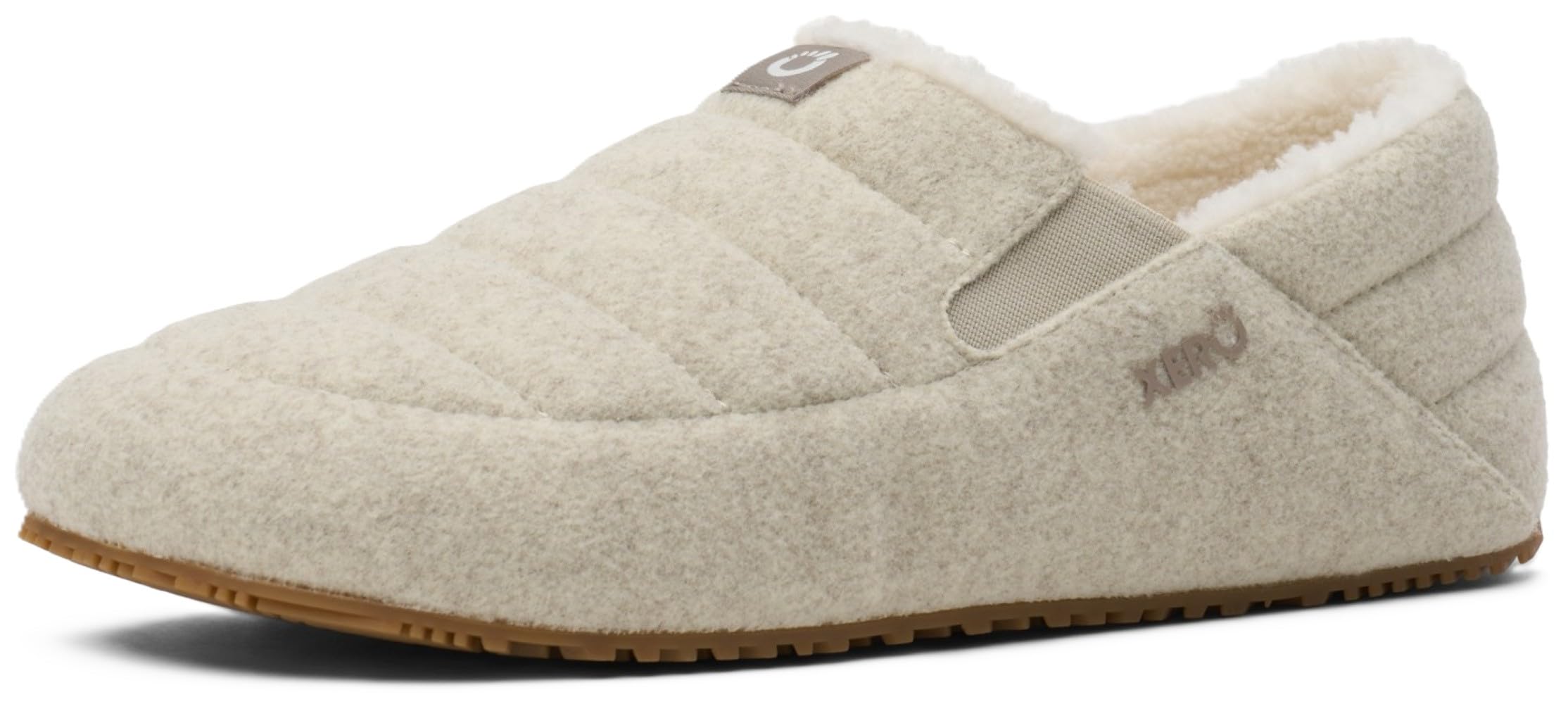
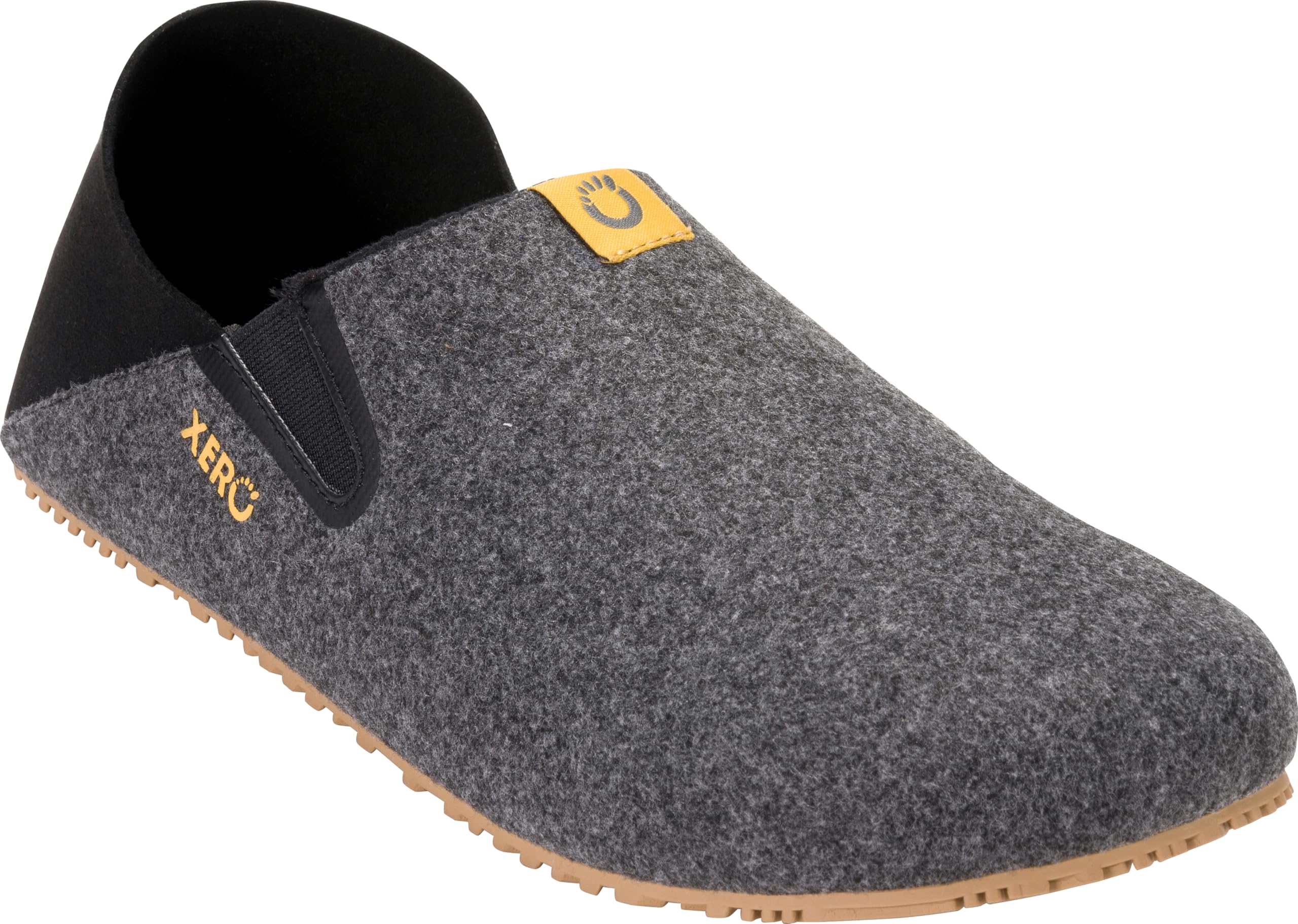
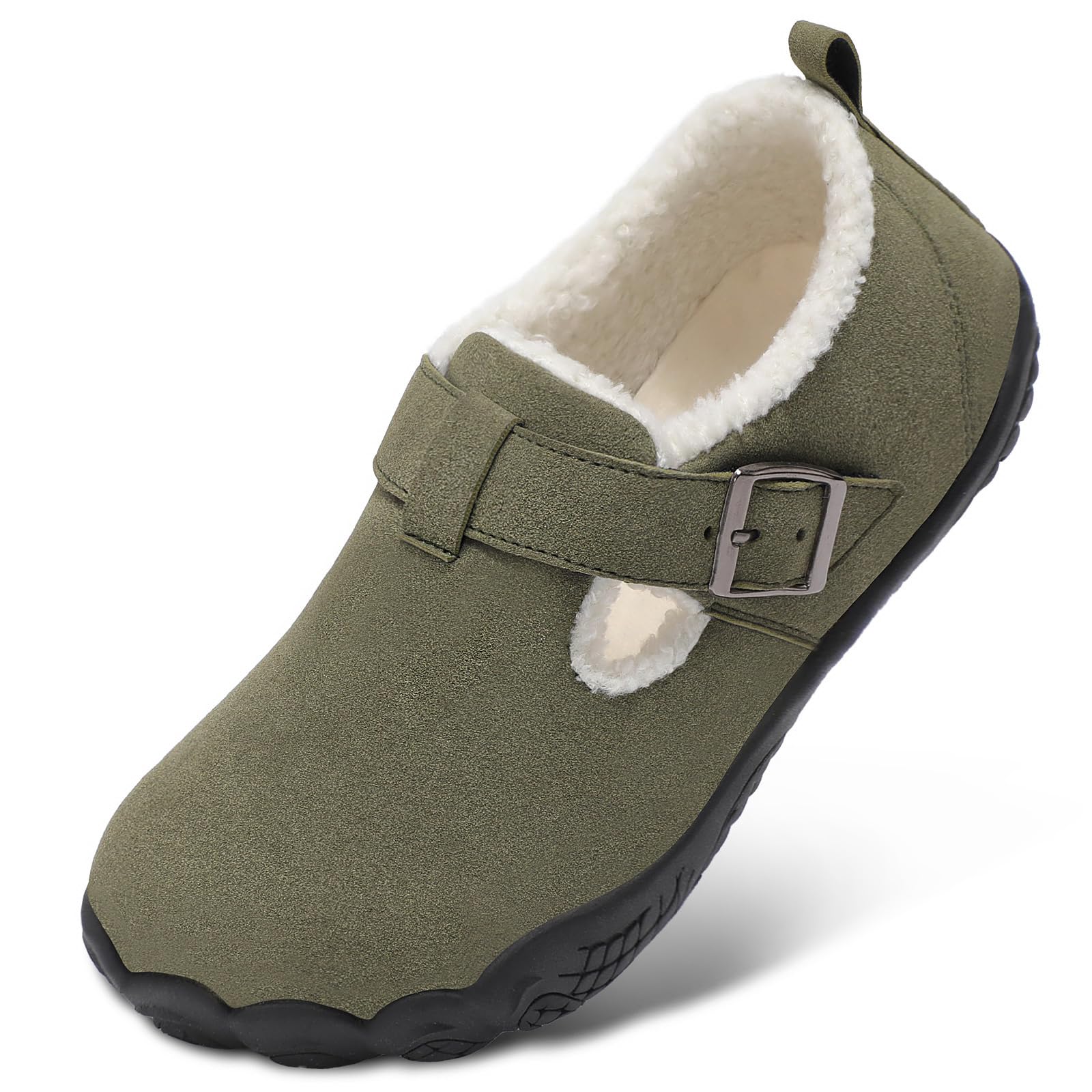
A barefoot slipper has a wide toe box, a thin flexible sole, and a level footbed, much like a barefoot shoe without laces. The difference is the indoor focus. The sole is softer and quieter, the upper is easy to slip on, and warmth matters more than weather resistance. Good slippers stay on during normal walking, grip smooth floors without squeaking, and wash or air out easily.
Types Compared
There is no single type that suits everyone, so compare the options below against your space, your routine, and your budget. The right type is the one that fits your daily use, not the one with the longest feature list.
Soft sole house slippers
These have a very thin, soft sole and a fabric or felt upper, close to walking in socks with a little protection. They suit carpeted homes, warm rooms, and people who want the most natural indoor feel. They are quiet and light, but they offer little cushion on tile or concrete.
Check the grip pattern, since a very smooth sole can slide on polished floors. A light tread or a suede patch under the ball of the foot adds control without adding stiffness.
Slippers with a firm indoor sole
A slightly firmer sole adds support on hard floors and lasts longer at the heel. The sole still bends, but it cushions steps on tile, wood, and stone. These suit homes with mostly hard floors, and people who stand while cooking or working at a counter.
Look for a sole that bends at the ball of the foot even when firm. A stiff board like sole defeats the barefoot idea, even if it feels supportive at first.
Open back mule slippers
Mules slide on quickly and suit warm homes, quick trips to the garden, and people who dislike a heel cup. The foot must work a little harder to keep them on, so they suit short indoor use rather than long walks. A snug vamp across the forefoot keeps them secure.
Try them on stairs and turns. If the heel lifts with every step, or the toes grip to hold them on, a closed back style will be more comfortable over a full day.
Key Features to Compare
Use this list as a shortlist tool. Note which features matter most for your situation, and ignore the rest, so a long specification sheet does not distract you from fit and everyday usability.
- Wide toe box: Toes spread freely, with no squeeze at the little toe.
- Flexible thin sole: The sole bends with the foot and lets you feel the floor underfoot.
- Reliable indoor grip: A tread or suede patch prevents slips on wood, tile, and laminate.
- Easy cleaning: Washable fabric or an upper that airs out well keeps slippers fresh.
- Secure fit: A snug vamp or a soft heel cup keeps the slipper on without toe gripping.
Who Should Buy These
Barefoot slippers suit people who walk barefoot at home but want warmth and protection, people with hard floors, and anyone easing into barefoot footwear indoors first. They also suit older adults who want a light, easy shoe, provided grip is strong. They are less suited to outdoor use, steep stairs without handrails, or anyone who needs firm ankle support. If balance is a concern, choose a closed back style with a secure fit.
Common Mistakes to Avoid
A common mistake is choosing slippers that are too loose, which forces toes to grip and tires the feet. Another is wearing thin indoor soles outdoors, where they wear quickly and pick up grit. Washing slippers too hot can shrink felt or felted wool, so follow the maker guidance. Finally, do not ignore slipping.
If a slipper slides on your floors, add grip or choose a different sole before a fall happens.
Care and Safety
Air slippers daily, and wash them as the maker directs, usually on a gentle cool cycle. Dry them away from radiators so the shape holds. Check soles for smooth worn patches, and replace slippers when grip fades. If you notice foot pain, repeated tripping, or numbness, check the fit first, then talk with a clinician or podiatrist if symptoms persist.
Related Guides
Related guides can help you compare nearby choices. For quality benchmarks, see the guide to best quality slippers, and for gendered fits, see the guide to best slippers for women, the guide to best male slippers, and the guide to best guy slippers. For outdoor barefoot styles, see the guide to best barefoot shoes.
Frequently Asked Questions
Are barefoot slippers safe for older adults?
They can be, if grip is strong and the fit is secure. A closed back style with a non slip sole is safer than a loose mule, especially on smooth floors. Anyone with balance problems, numb feet, or a history of falls should choose grip and fit over softness, and ask a clinician for advice.
Can I wear barefoot slippers outside?
Short trips to a porch or garden are fine, but thin indoor soles wear fast on rough ground and pick up stones. For regular outdoor use, choose a pair with a tougher outdoor sole. Keep indoor pairs clean by leaving outdoor shoes at the door.
How do I clean barefoot slippers?
Most fabric slippers wash on a gentle cool cycle, while wool felt pairs often need hand washing or spot cleaning. Always check the maker label first, and air dry away from heat. A regular wash keeps odour down and helps the sole grip properly.
Should barefoot slippers have arch support?
Most barefoot slippers have a flat footbed, which lets the foot work naturally. A thin removable insole can add a little comfort on hard floors. If arch pain persists, or you have a diagnosed foot condition, seek podiatry advice rather than relying on a slipper alone.
What size should I choose?
Choose a size that lets toes spread fully, with a small gap at the front and no heel overhang. Feet swell during the day, so try slippers in the afternoon. If you are between sizes, the larger size usually suits a wide toe box better.
Final Thoughts
Choosing the right barefoot slippers comes down to fit, everyday usability, and honest priorities, rather than chasing every feature on offer. With that approach, best barefoot slippers becomes a confident choice you can enjoy for a long time.