
Best Barefoot Hiking Boots of 2026: Complete Buying Guide
Disclosure: We may earn a commission when you buy through links on this page, at no extra cost to you. As an Amazon Associate I earn from qualifying purchases. Learn more

Compare the best barefoot hiking boots by fit, sole flexibility, traction, and weather protection to find a pair that suits your trails.
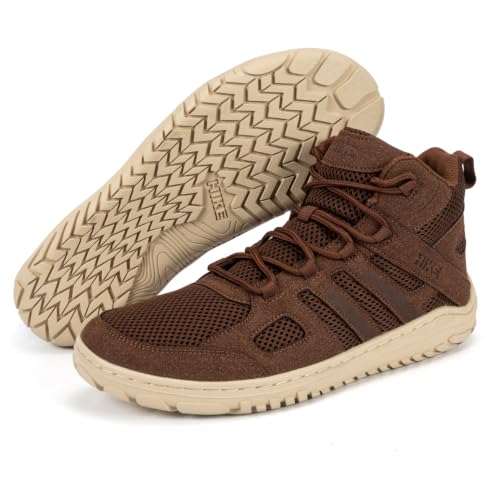
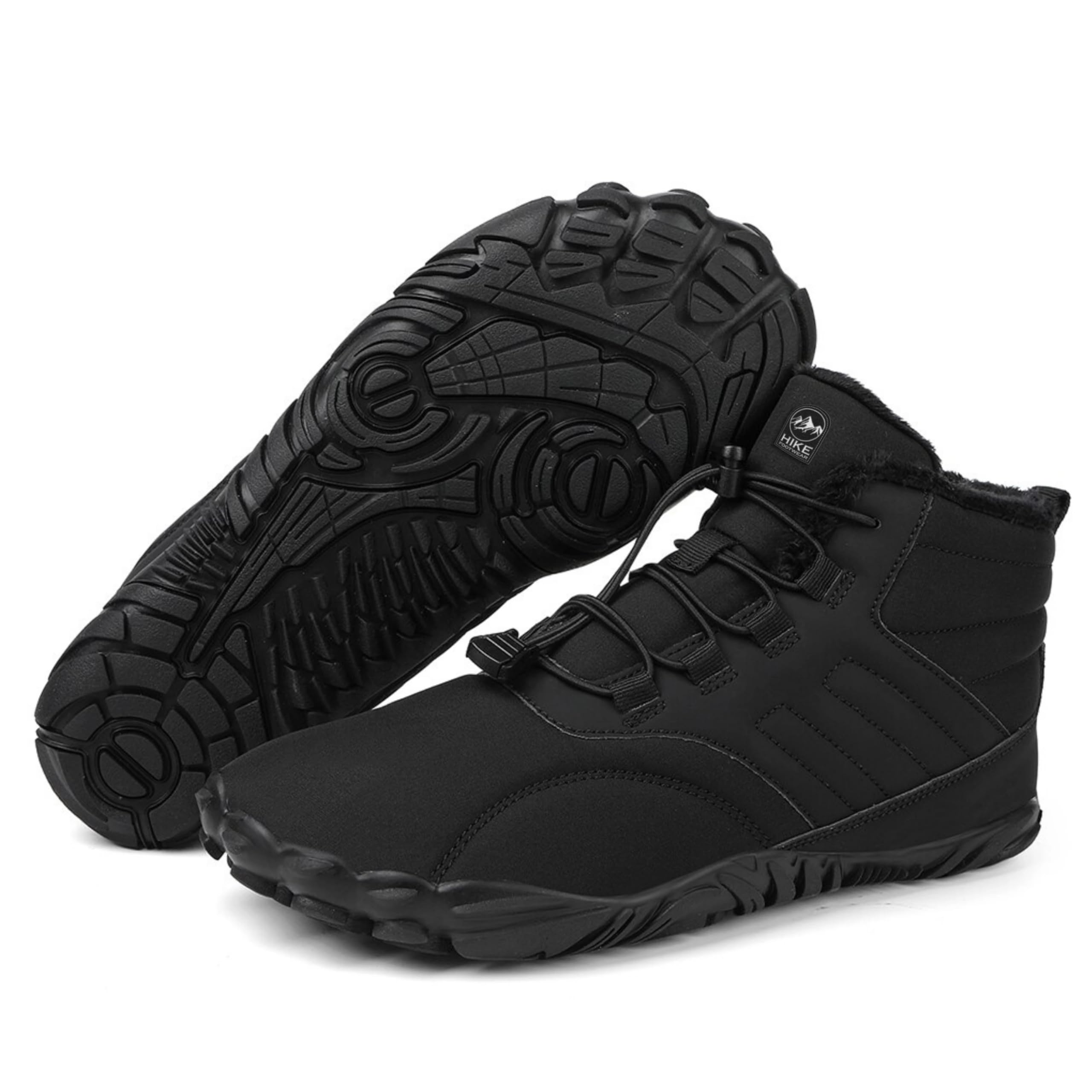
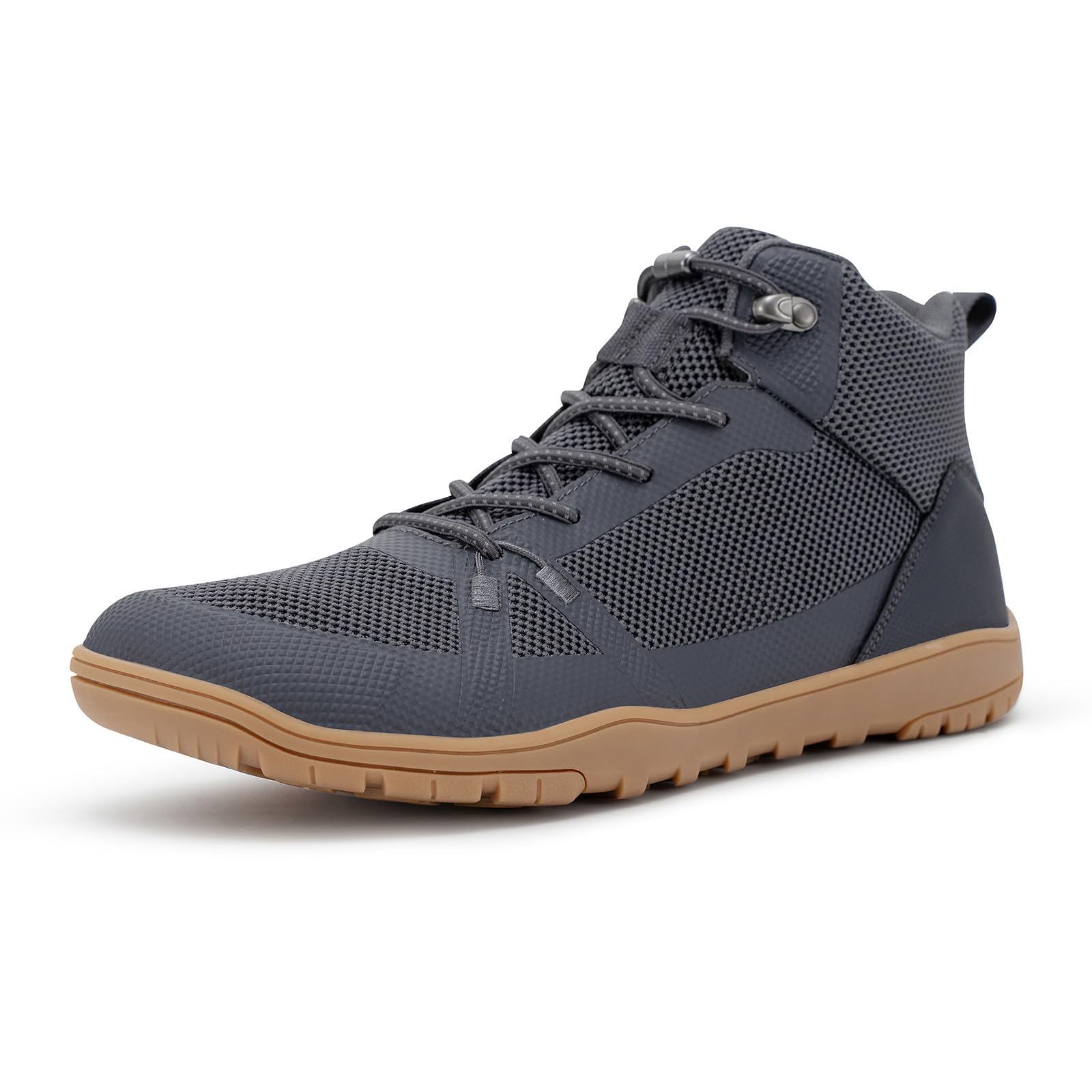
Choosing best barefoot hiking boots starts with a simple question: how much ground feel do you want, and how much protection do you still need? These boots use a thin, flexible sole and a wide toe box so your toes can spread and your foot can move more naturally than in a stiff, heavily cushioned boot. That design can feel freeing on smooth trails, but it also asks more of your feet, ankles, and lower legs, especially on rocky or uneven ground. The product table can help you sort the main options side by side before you look at fit and sole details.
This guide compares the types, features, and trade offs that matter most, so you can match a boot to your usual terrain, pack weight, and walking style. You will learn how to judge fit, sole thickness, grip, and weather protection. If you have foot problems, reduced feeling in your feet, or a condition that affects circulation, ask your doctor before switching to a minimal boot, and seek advice if pain persists or worsens.

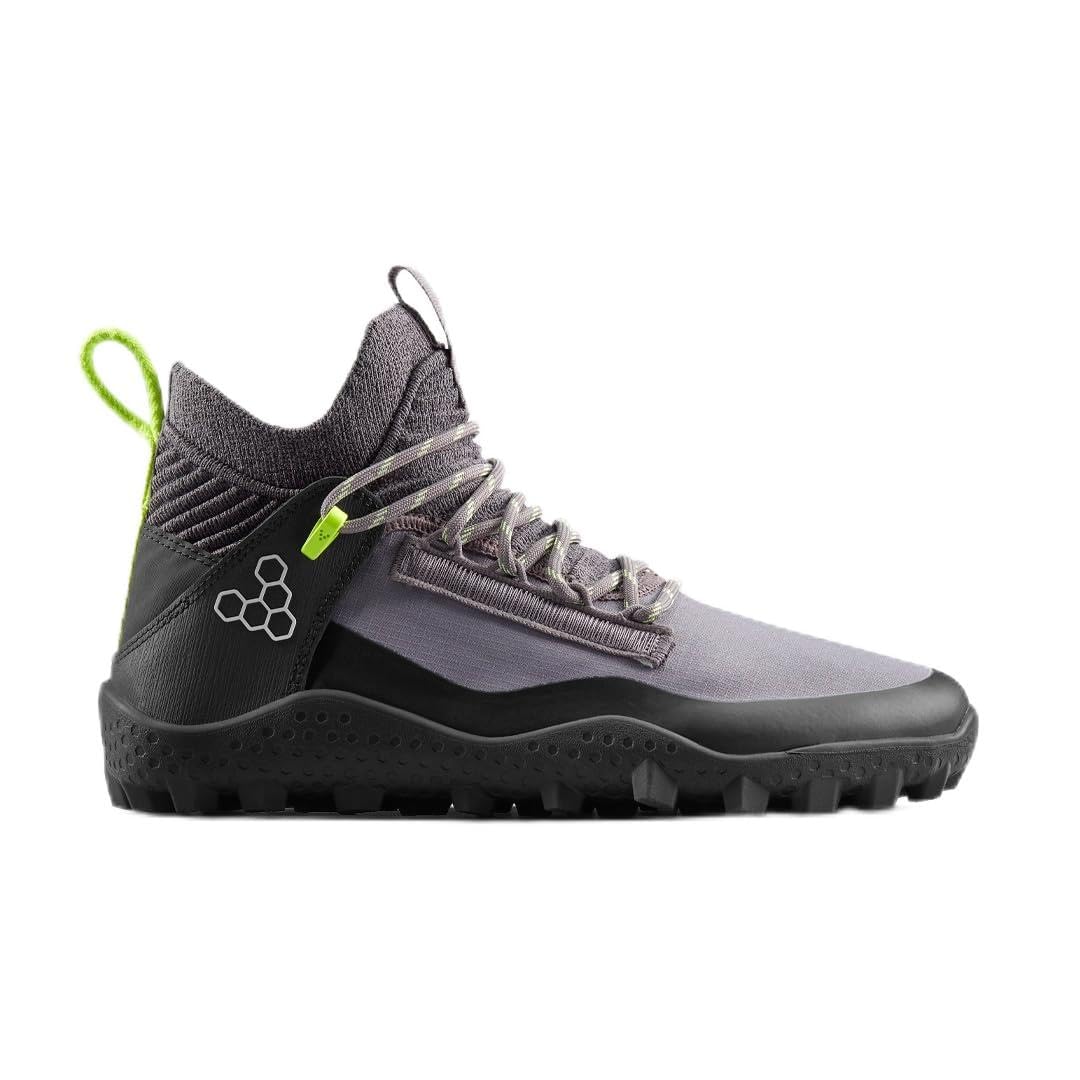

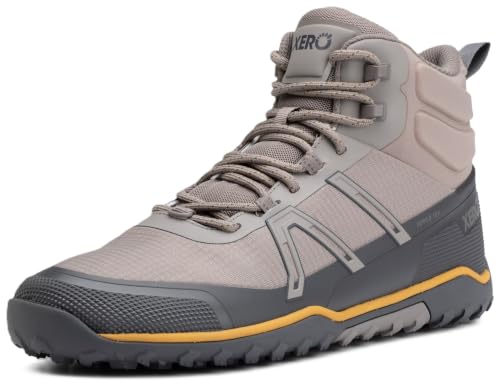
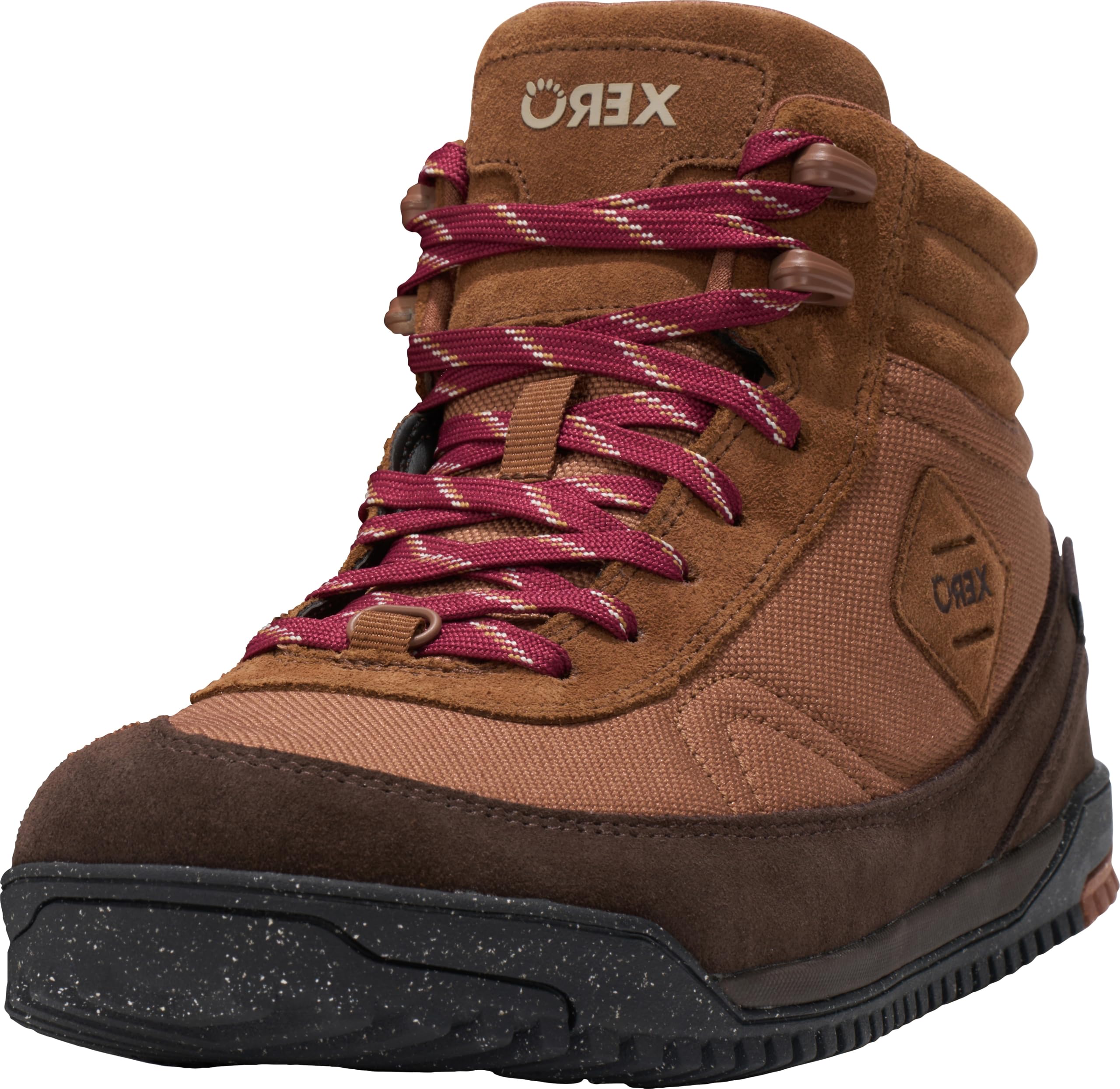
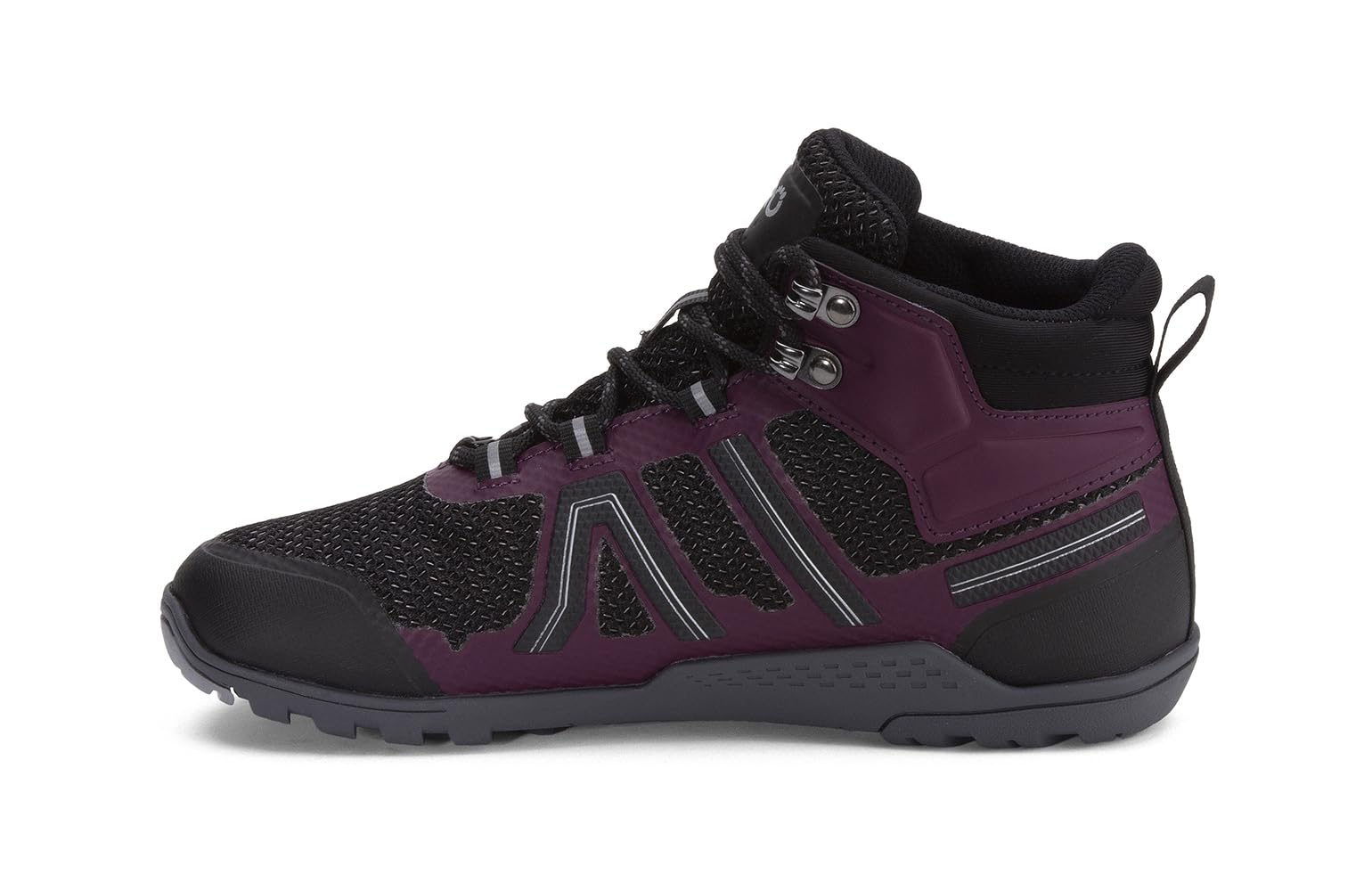

What Different Budgets Buy You
At a lower price, you usually get a simple, flexible boot with a thin sole, a roomy toe box, and basic grip. That can be enough for short walks on smooth paths, park trails, and dry, even ground, where you do not need deep lugs or a waterproof membrane. The trade off is often less durable stitching, a sole that wears faster on rough rock, and fewer width choices, so check the return policy and try the boots on carpet indoors first.
In the middle price range, you often find better sole compounds, more secure lacing, and stronger toe protection, which matter on longer hikes and mixed terrain. These boots may also offer a removable insole, a gusseted tongue that keeps grit out, and a slightly thicker sole that still bends easily. For most hikers who want ground feel without giving up all protection, this range is a sensible place to start, and the product table can help you compare sole thickness and features at a glance.
How to Choose Barefoot Hiking Boots
Fit, Sizing, and Toe Box
Fit matters more in a minimal boot than in a cushioned one, because there is less padding to hide a poor fit. Measure both feet in the afternoon, when feet are slightly larger, and wear the socks you plan to hike in. Your toes should be able to spread and wiggle without touching the front on a downhill slope, and your heel should stay in place without slipping. If one foot is larger, fit the larger foot, and use lacing adjustments to secure the smaller one.
Weight and Flexibility
Light boots feel easier on long climbs, and a flexible sole lets your foot bend and sense the ground underfoot. That feedback can help you place your feet carefully on roots and rocks, but it also means you will feel sharp stones more clearly. If you are new to minimal footwear, a slightly thicker and less flexible sole can ease the transition, and you can move to a thinner sole later if your feet adapt comfortably.
Arch Support and Foot Type
Many barefoot style boots offer little built in arch support, because the idea is to let the foot work more on its own. That can suit hikers with a neutral foot shape who already walk comfortably in flat, flexible shoes. If you have flat feet, a high arch, or a tendency to roll inward, pay close attention to how the boot feels after a longer walk, not just after a few steps indoors. A removable insole gives you room to add a thin insert if you need a little more support, without changing the overall fit.
Outsole Traction and Terrain
Outsole grip comes from the rubber compound, the lug pattern, and the lug depth, and all three should match your usual terrain. Shallow, closely spaced lugs grip well on dry rock and hard packed dirt, and they wear more slowly on pavement. Deeper, wider spaced lugs shed mud better and bite into loose soil, but they can feel less stable on smooth rock. If you hike in both conditions, look for a medium lug pattern with a sticky rubber compound, and accept that no single sole is perfect everywhere.
Waterproofing and Membranes
A waterproof membrane can keep rain and shallow puddles out, but it also reduces breathability, so your feet may sweat more on warm days. That trade off matters on long climbs, where damp socks can cause blisters even if no rain gets in. For dry summer hiking, a non waterproof, breathable boot often feels cooler and dries faster after a stream crossing. For wet, cold, or muddy conditions, a membrane can be worth the extra warmth and slower drying time.
Cushioning and Support
Cushioning in this category is usually thin, and it is meant to take the edge off the ground rather than to isolate your foot from it. Sole thickness, often called stack height, is a useful comparison point: a thinner sole gives more ground feel, while a slightly thicker sole gives more protection from sharp stones. Comparing sole details side by side can help you narrow the field before you try boots on.
Types of Barefoot Boots for the Trail
Support Oriented Styles
Support oriented styles add a firmer heel cup, a more secure lacing system, and a slightly thicker sole, while keeping a wide toe box and a flexible forefoot. They suit hikers who want ground feel but also want the boot to stay firmly in place on uneven ground.
Lightweight Styles
Lightweight styles use thin uppers, minimal padding, and a very flexible sole. They are easy to pack, quick to dry, and comfortable on smooth, dry trails and shorter walks, but they offer less protection from sharp rocks and cold weather.
Waterproof Styles
Waterproof styles pair a membrane with a sealed upper to handle rain, mud, and wet grass, and they suit wet climates and shoulder season hiking. They tend to run warmer and heavier than breathable styles, and they take longer to dry once water gets in over the collar.
For a related comparison, see our guide to best barefoot hiking sandals if you want an open option for camp and easy trails. If you are still deciding between boots and shoes, see our guide to best hiking shoes for lower cut options. Readers who want the widest view of this style can also see our guide to best barefoot boots, and those shopping for a specific fit can see our guide to best hiking boots for men or our guide to best ladies hiking boots.
Tips to Get the Most From Your Barefoot Hiking Boot
- Break them in gradually: start with short walks on even ground, then add distance, elevation, and rougher terrain over several weeks.
- Air dry wet boots away from direct heat, stuffing them with newspaper to hold their shape, because radiators and campfires can warp soles and stiffen leather.
- Rotate two pairs for daily wear if you hike often, so each pair can dry fully and the soles can recover between outings.
- Lace properly to prevent heel slip: snug the forefoot without squeezing your toes, then lock the ankle laces so the heel stays seated on descents.
- Replace boots when the sole is worn smooth or the upper no longer holds your foot securely.
- Check your feet after longer hikes, especially if you have reduced feeling, and look for red spots, blisters, or pressure marks that signal a fit problem.
Frequently Asked Questions
Do I need waterproof boots for hiking?
Waterproof boots help in rain, mud, and wet grass, but they are not needed for every hike. Breathable, non waterproof boots feel cooler in summer, dry faster after a stream crossing, and are often lighter on the trail. Choose a waterproof pair for wet climates, cold shoulder season walks, and routes with frequent puddles, and choose a breathable pair for dry, warm conditions. Gaiters can add splash protection to a breathable boot without the heat of a full membrane.
How long is the break in period for minimal boots?
The break in period for minimal boots is usually measured in weeks, not days, because your feet and lower legs need time to adapt. Start with walks of 30 to 60 minutes on even ground, and add distance slowly while paying attention to calf and foot soreness. Most hikers feel comfortable after several weeks of gradual use, but the exact time varies with your previous footwear and your weekly mileage. Keep your old boots for longer hikes during the transition, so you are not forced to push through soreness.
Can I wear minimal boots all day on the trail?
You can wear minimal boots all day once your feet have adapted, but all day comfort depends on terrain, pack weight, and your experience with flexible footwear. On smooth trails with a light pack, many hikers find them comfortable for a full day. On rocky ground with a heavy pack, fatigue can build faster, because your feet do more of the work. Carry thicker socks or a thin insole on longer days, so you can add a little cushioning if your feet tire.
How should minimal hiking boots fit?
Minimal hiking boots should fit with room for your toes to spread, a secure heel, and no pinching across the widest part of your foot. Try them on in the afternoon with your hiking socks, walk up and down a slope if possible, and check that your toes do not hit the front on descents. The laces should hold the foot without cutting off circulation. Also check the fit after a longer walk, since feet swell slightly and a boot that felt fine indoors can feel tight after several miles.
How often should I replace minimal hiking boots?
Replace minimal hiking boots when the outsole loses grip, the midsole feels compressed and uneven, or the upper no longer supports your foot. Mileage alone is a rough guide, because rough rock wears soles faster than smooth dirt, and a heavy pack shortens sole life. Many hikers get a full season or more from a pair used on moderate trails, while frequent rocky use can wear them out sooner. Inspect the sole wear pattern, because uneven wear can reveal a fit or gait issue worth addressing before you buy the next pair.
Wrapping Up
The most important choices are fit, sole thickness, and grip, matched to your terrain and your experience with minimal footwear. A wide toe box, a secure heel, and a sole that balances ground feel with protection will matter more than any single feature or price tier. Break in your boots gradually, watch for persistent pain or numbness, and ask your doctor if foot problems, reduced feeling, or circulation concerns affect your choice.
Use the product table to compare sole details and features side by side, then try your shortlist on with hiking socks and walk on a slope before you commit. With the right fit and a patient transition, the best barefoot hiking boots can give you a light, natural feel on the trails you enjoy most.


