Best Bar Stool Cushions for 2026: Buying Guide and Comfort Tips
Disclosure: We may earn a commission when you buy through links on this page, at no extra cost to you. As an Amazon Associate I earn from qualifying purchases. Learn more

Best bar stool cushions explained: how to measure, pick firm foam and a cover that suits your household, and keep pads in place.
A hard wood or metal stool looks clean at a kitchen island, then starts to ache after twenty minutes of breakfast or a long chat over drinks. The best bar stool cushions fix that problem without replacing the stools you already own, adding padding, grip and a layer that protects the seat finish underneath. This guide walks through sizing, foam, covers and fastenings so you can match a cushion to your exact stool.
Start by measuring your seat and thinking about who sits longest, because a cushion that suits a quick coffee can feel too thin during a slow dinner. Then use the comparison table below to check sizes, thicknesses and cover types before you order.



Who Should Buy Bar Stool Cushions?
Hosts Whose Guests Linger at the Island
If your island is where friends gather and laptops stay open for hours, padding matters more than looks alone. Choose a cushion about 2 to 3 inches thick with firm foam that holds its shape through a whole evening. A slightly textured cover helps guests stay put, and a color that hides crumbs keeps the set tidy between gatherings.
Families With Kids on Hard Seats
Children climb, swing their legs and spill, so family cushions need covers that wipe clean in seconds and fastenings that survive fidgeting. Vinyl or faux leather covers handle juice and sauce with a damp cloth, while ties or nonslip backing stop the pad sliding when a child scrambles up. Medium firm foam around 1.5 to 2 inches thick gives small sitters support without lifting them too high above the counter.
Renters Refreshing Stools They Cannot Replace
Renters and anyone keeping stools that came with the home can change the feel of a kitchen for roughly the price of a takeout meal per seat. A fresh color covers scuffs and dated finishes, and the pads come off in seconds when you move out. If your stools have backs and arms, see our guide to the best bar stool chairs for matching furniture styles before you commit to pads alone.
Key Features to Compare
When you compare the best bar stool cushions side by side, five factors decide whether a pad still works a year later. Work through size first, then foam, cover, fastening and weather use.
Seat Shape, Diameter and How to Measure
Fit starts with the bare seat, so measure before you browse. For a round stool, measure straight across the widest point and match that diameter, as a pad that overhangs curls at the edge while one that is too small leaves a hard rim against your legs. For square seats, record width and depth, and note rounded corners that can make a pad bunch. Saddle seats need shaped pads cut to their curves, so trace the seat on paper if the listing gives only one dimension.
Thickness, Foam Firmness and Pressure Relief
Thickness alone does not tell you how a cushion feels, because soft foam at 3 inches can flatten faster than firm foam at 2 inches. High resilience foam springs back and suits daily sitting, while memory foam molds to your shape and spreads pressure across your hips during long, still sessions, easing the ache that builds on bare wood. Layered pads pair a firm base with a softer top. Foam described as CertiPUR US certified meets set standards for content and emissions.
Cover Materials for Daily Use
The cover decides how the cushion feels against clothing and how it ages. Vinyl and faux leather wipe clean and shrug off spills, which suits busy kitchens, but they can feel warm on bare legs in summer. Woven fabrics such as cotton blends and microfiber feel softer and breathe better, yet they absorb spills unless treated for stain resistance. Velvet look covers add a dressy finish for a home bar. Removable covers with a zipper make deep cleaning far easier than spot cleaning a fixed cover.
Ties, Straps and Nonslip Backing
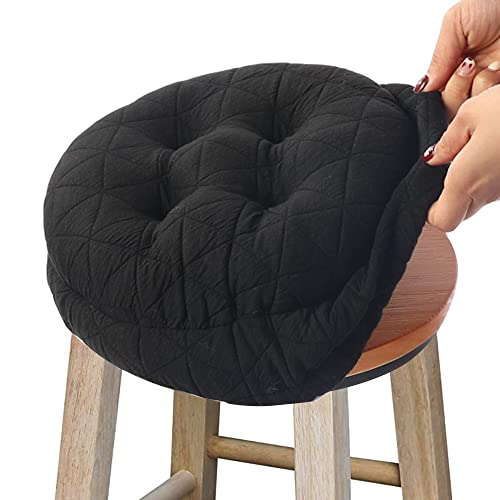
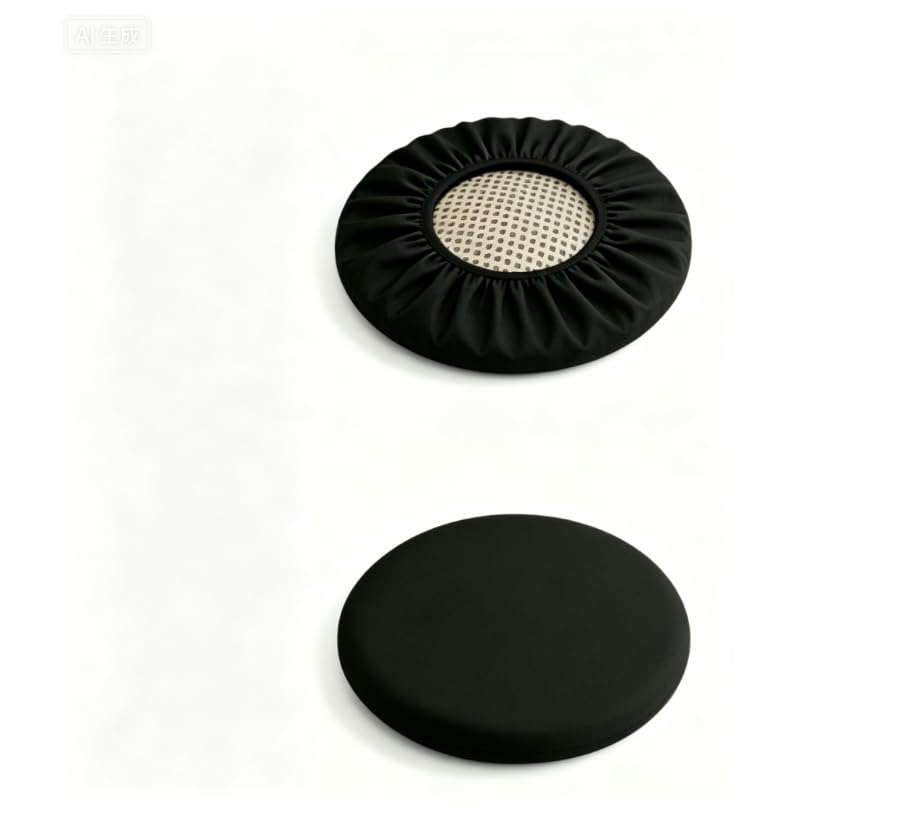
A cushion that slides every time you sit down quickly becomes a cushion nobody uses. Fabric ties at the back corners work well on stools with rails or rungs to loop around, and longer ties suit chunky frames. Elastic straps and hook and loop straps fit seats without handy rails. A nonslip backing of dotted rubber grips smooth wood and metal on its own, and the strongest setups combine backing with ties. Test by sitting and standing a few times and watching for creep.
Indoor Comfort Versus Outdoor Use
Kitchen and patio cushions face different weather, so buy for the place the stool actually lives. Outdoor pads need fade resistant fabric, quick drying foam or mesh drainage, and covers that tolerate rain and sun without mildew. Standard indoor foam holds water like a sponge and can smell within weeks outside. If your stools move between porch and kitchen, choose a water resistant cover, store pads under cover at night, and bring them inside for winter.
Types of Bar Stool Cushions Compared
Flat Round and Square Seat Pads
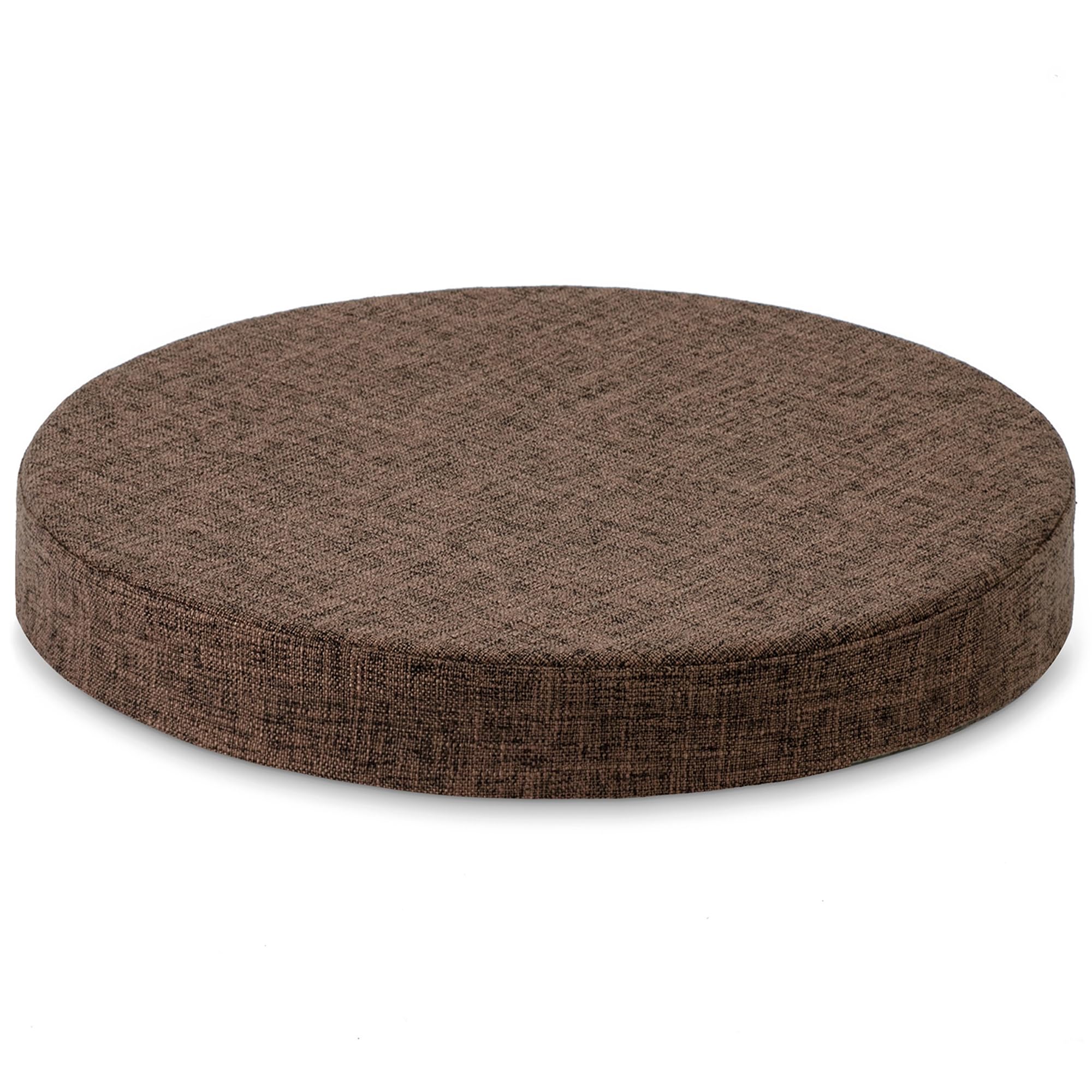
The classic flat pad is a simple foam disc or square, usually 1.5 to 3 inches thick, that ties or grips onto the seat. It adds the most comfort per dollar, stacks in a drawer when you want the bare wood look, and fits most stools. Flat pads give no back support, so they suit counters where people sit upright for meals and drinks.
Tufted Cushions With a Softer Sit
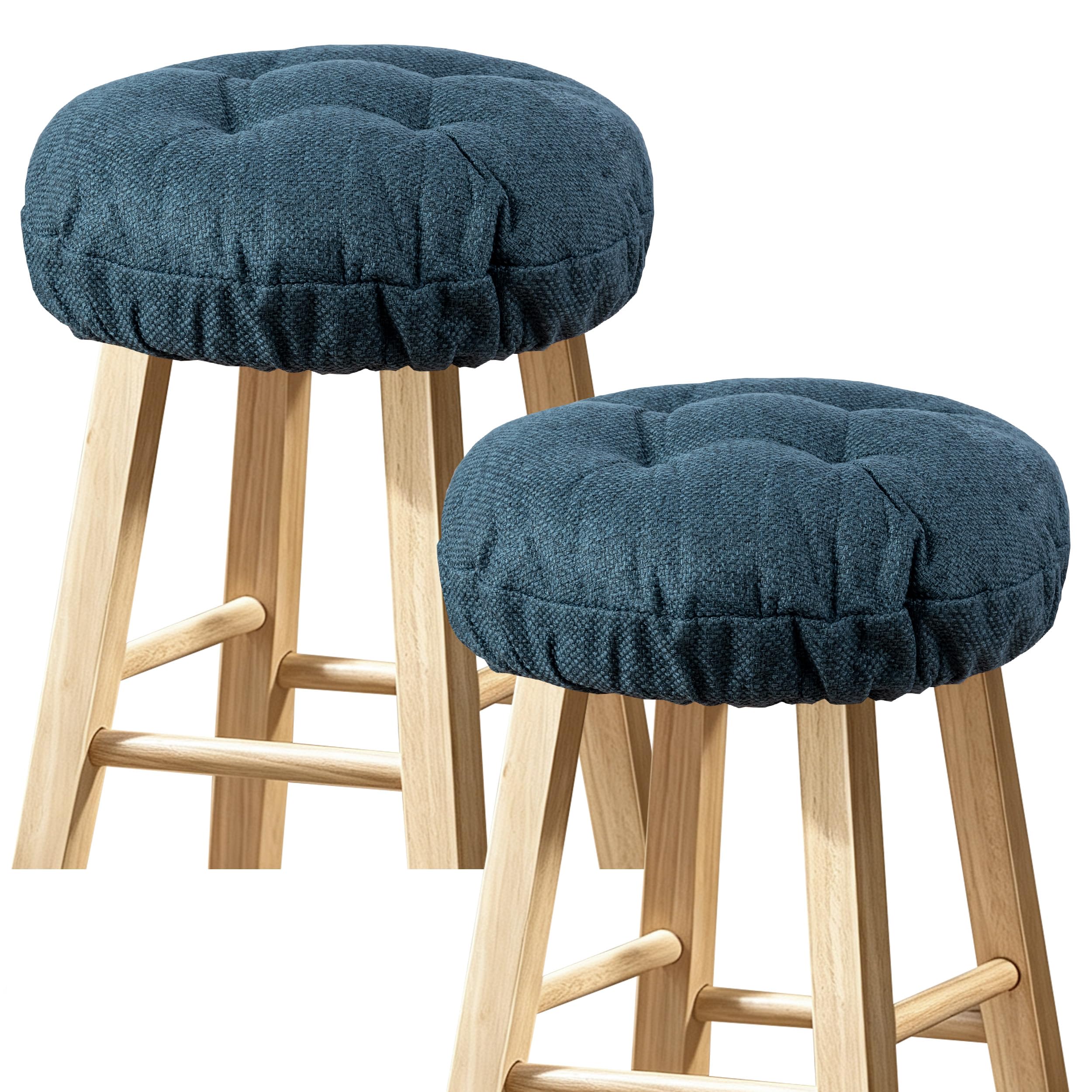
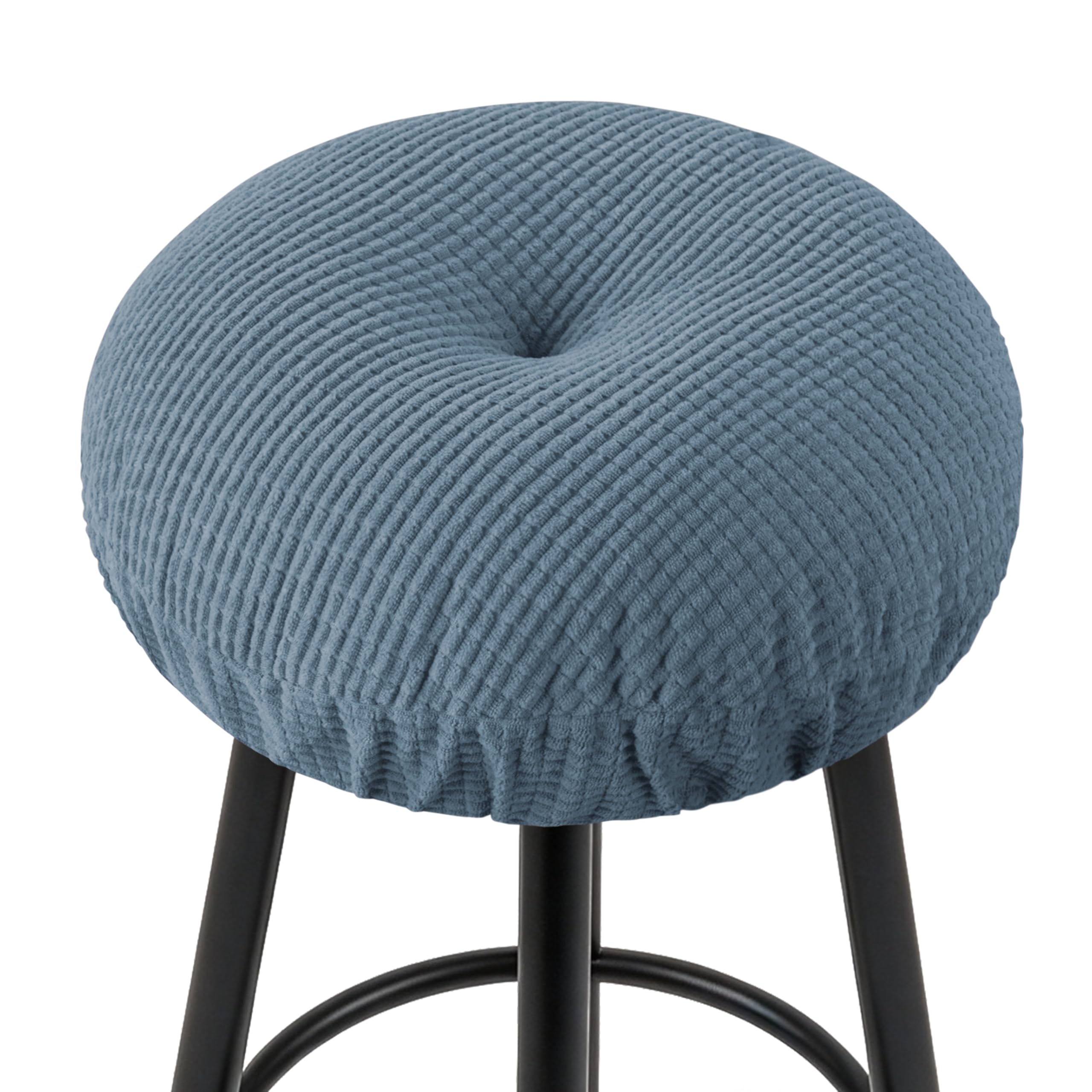
Tufted pads carry buttons or stitched dimples that pull the cover into soft pockets, giving a plush look that suits classic kitchens. The fill is often polyester batting over foam, which feels soft at first touch but compresses more over time than solid foam. Tufting also creates little wells where crumbs collect, so expect to shake these pads more often. Choose them when appearance matters more than firm support.
Cushions With an Attached Short Back
Some sets add a slim padded panel that rests against the stool back, giving light support where your lower back meets the seat edge. These cost more and only fit stools whose back shape matches the panel, so measure the back width carefully. They earn their price in home bars and game rooms where people lean back between turns. If your stools are worn out rather than merely hard, see our guide to the best bar stools before spending on premium pads.
Common Mistakes to Avoid
- Ordering by stool height instead of seat size, so the pad overhangs or leaves a hard rim exposed.
- Choosing the thickest pad for a tall counter, so knees jam under the counter apron and feet lose the footrest.
- Buying plush low density foam for daily use, so it flattens within months and the seat feels hard again.
- Skipping fastenings on smooth metal or glossy wood seats, so the cushion slides every time someone sits down.
- Putting indoor foam pads on a patio, so rain soaks in and mildew grows inside the cover.
- Matching colors on a screen only, so a warm gray arrives looking blue in your kitchen light.
Care and Maintenance of Bar Stool Cushions
Most pads stay comfortable longer with a weekly shake outdoors to clear crumbs, plus a quick vacuum of seams where dust gathers. Wipe vinyl and faux leather with a damp cloth and mild soap, then dry them fully. Wash removable fabric covers on a gentle cycle in cold water and air dry them, since dryer heat can shrink a cover so it no longer fits the foam. For guidance on judging cushion build quality, see our guide to the best quality cushions. Rotate pads between the most and least used stools every few weeks so foam compresses evenly, and keep spare ties because ties fray before foam wears out.
Frequently Asked Questions
How thick should bar stool cushions be for long dinners?
For sittings of an hour or more, choose about 2 to 3 inches of firm foam rather than a thicker soft pad. Firm foam spreads your weight across the seat instead of letting you sink straight through to the wood. Check the gap between the seat top and the underside of your counter first, because a thick pad can leave your knees pressed against the counter apron.
Can bar stool cushions work on saddle style and tractor seats?
Yes, but only shaped pads cut for those curved seats sit properly. A flat round pad bridges the dip in a saddle seat and rocks as you shift, which feels unstable and wears the cover at the raised edges. Trace your seat outline on paper and compare it with the listed outline before buying, since returns on a full set cost more than one careful measurement.
Do bar stool cushions stay in place without ties?
Many do, provided the backing is a full nonslip surface and the seat is flat and clean. Dust and flour on a kitchen seat act like tiny rollers under the backing, so wipe both surfaces before judging the grip. On stools that children use, add ties anyway, because climbing applies sideways force that no backing alone resists well.
How often should bar stool cushions be replaced?
Replace a pad when it stays flattened after a night of rest or when you can feel the hard seat through it within minutes of sitting. For most foam pads in daily kitchen use that point arrives after about two to four years, while batting filled pads often give up sooner. Covers usually outlast fill, so check whether replacement foam inserts are sold before buying whole new pads.
Can bar stool cushions raise the seat height for shorter adults?
Yes, a firm pad of about 3 inches adds useful height and can bring elbows to a comfortable angle at a tall counter. The catch is the footrest, because your feet move the same distance away from the rung, and dangling feet quickly cause restless shifting. Pair a tall pad with a lower rung stool or a separate footrest, and test one cushion before ordering a full set.
Wrapping Up
Measure the seat, pick firm foam in the thickness your counter gap allows, and choose a cover that matches how messy your household really is. Get those three choices right and the best bar stool cushions turn stools you own into seats people choose first. Compare the finalists in the product table above and complete the set with confidence.