
Best Bang for Your Buck Paper Towels: A First Time Buyer's Guide for 2026
Disclosure: We may earn a commission when you buy through links on this page, at no extra cost to you. As an Amazon Associate I earn from qualifying purchases. Learn more

Learn how to choose the best bang for your buck paper towels by sheet cost, absorbency, strength, and pack size, with a simple first time buyer checklist.
Buying paper towels sounds simple until you stand in front of a wall of rolls and realize that pack price tells you almost nothing. A cheap pack with thin sheets can cost more per week than a pricier pack that handles a spill in one sheet. This guide walks you through best bang for your buck paper towels step by step, starting with the basic terms and ending with a clear way to judge value.
You will learn how to compare cost per sheet, absorbency, strength when wet, and sheet size, and how those details match the messes in your home. Use the product table to see pack counts and sheet counts side by side as you read.
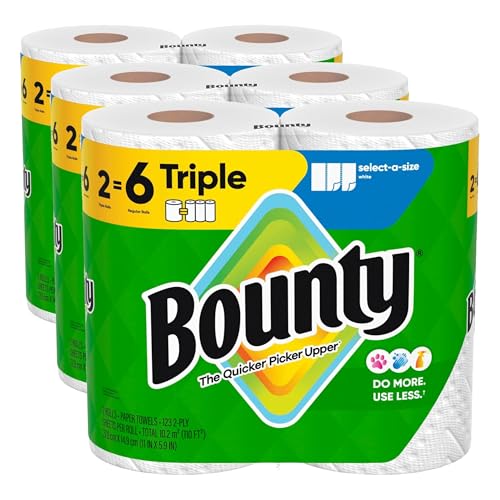


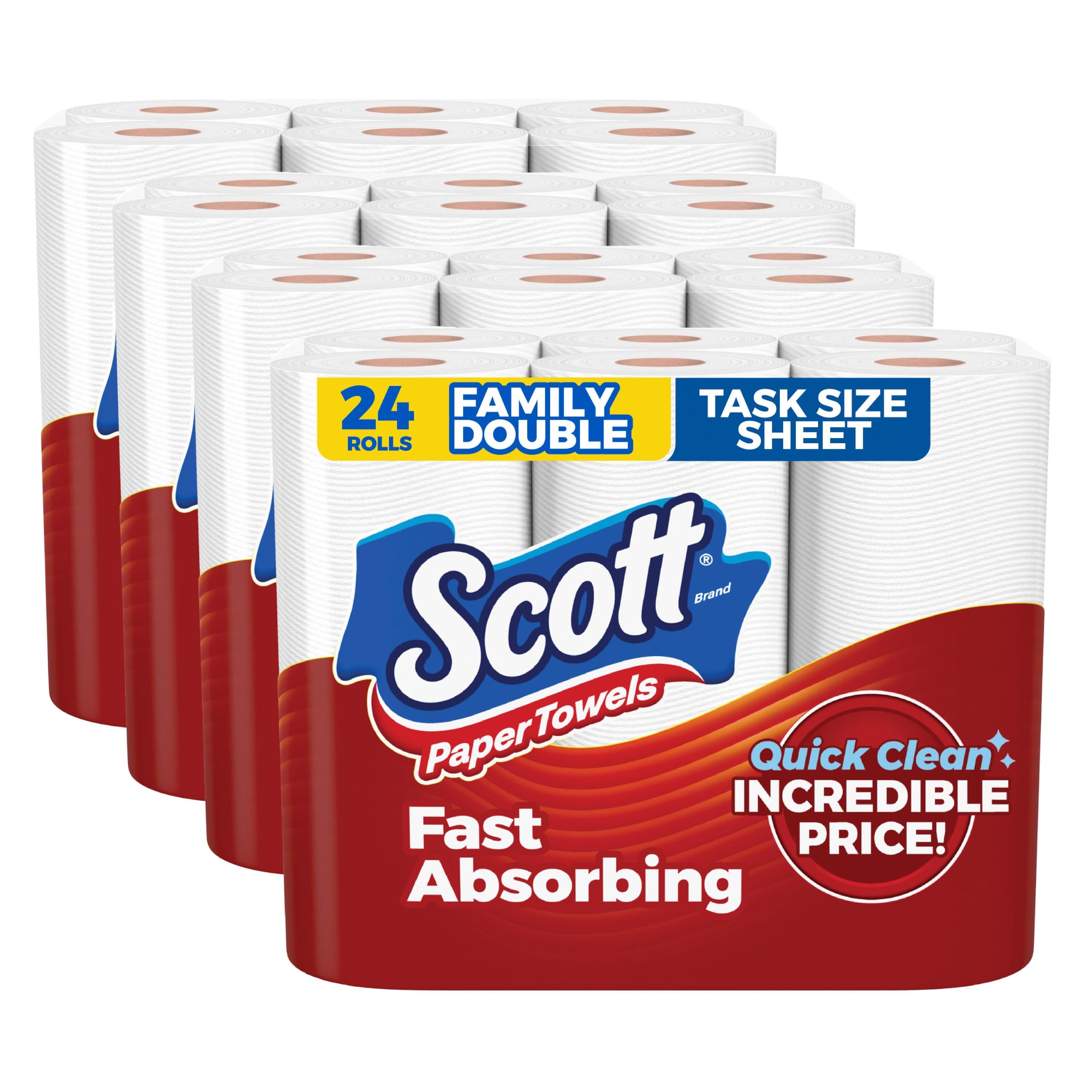


Paper Towel Basics
Value in this category comes from one simple idea: how much cleaning a single sheet actually does. A towel that absorbs a full glass of water and stays in one piece replaces two or three weak sheets, so the roll lasts longer and the real cost per mess drops. That is why experienced buyers ignore the sticker price at first and look at sheet count, sheet size, and ply instead.
A few terms cover most of the label. Ply means the number of layers pressed into one sheet, and two ply towels are usually stronger than one ply. Sheet count tells you how many sheets are on a roll, while total square feet tells you how much paper you are really getting. Select a size rolls let you tear off a smaller sheet for a small job, which reduces waste. Embossing refers to the raised pattern that helps trap liquid. Once you can read those four details, most value claims on packaging become easy to test.
Key Specs Explained in Plain English
Features That Matter in Value Paper Towels
Start with absorbency and wet strength, because those two decide how many sheets a mess consumes. A good value towel should soak up a typical drink spill without dripping as you carry it to the trash, and it should stay intact when you scrub a counter. Look for two ply construction, sheets around eleven inches square or a select a size option, and a total square footage figure you can compare across brands. If a label hides sheet size and only shouts about roll count, treat that as a weak sign and compare the square feet before you buy.
Effectiveness on the Specific Mess
Different messes ask different things of a towel. Water and juice reward absorbency, while cooking grease rewards a sheet that holds together and does not smear oil across the stove. For limescale or bathroom grime, the towel is mostly a partner to your cleaner: it needs enough wet strength to wipe residue away without leaving lint or shredding into the sink. Think about your two or three most common messes, then weight your choice toward them. A household that fries food often needs strength more than a household that mostly dries hands and wipes water.
Select-a-Size or Full Sheets
Select-a-size rolls have shorter perforations, so you can tear off a half sheet for a small job and a full strip for a large spill. They usually win on cost per week because less paper goes to waste, and they suit hand drying and counter wipes. Full-sheet rolls are better for draining fried food, drying dishes, and wiping large spills in one pass. Think about which jobs you do most, since a household that mostly wipes small spills gets more from select-a-size rolls.
Pack Size and Storage
Family rolls and double or triple rolls hold more sheets, which means fewer trips to the shelf and fewer roll changes. Large packs usually cost less per sheet, but only if you have a dry place to store them. Compare packs by total sheets and total square feet, not by the word mega or the number of rolls, since a roll count can mean very different amounts of paper from brand to brand. Keep spare rolls away from steam and splashes to protect their strength.
Eco Friendly Packaging
Packaging and material choices affect both price and waste. Towels made with recycled content or paper from responsibly managed forests can cost a little more per roll, yet they reduce the amount of new fiber each pack uses. Smaller, stronger sheets also count as an eco friendly choice in practice, because using fewer sheets means fewer rolls shipped and stored. Look for clear claims about recycled content, compostable or biodegradable notes where they truly apply, and packaging that avoids excess plastic wrap. Avoid vague green language with no numbers behind it, since real value includes what you throw away.
Rookie Mistakes to Avoid
- Judging by pack price alone. A low sticker price with few small sheets usually costs more per mess than a larger pack with strong sheets.
- Counting rolls instead of sheets. Roll counts can be inflated with thin, short rolls, so compare total sheets and total square feet every time.
- Buying the biggest pack first. A bulk pack only saves money if the towels suit your messes and you have dry storage space for them.
- Using a full sheet for every job. Small sheets handle most hand drying and counter wipes, and tearing less paper makes any roll last longer.
- Flushing used towels. Paper towels do not break down like toilet paper and can block pipes, so they belong in the trash or compost where allowed.
Getting Started: Setup and First Use
Start by placing one roll where spills happen most, usually near the sink, and keep the rest of the pack in a dry spot away from steam and splashes. Damp storage weakens sheets before you ever use them. On your first day, pay attention to how many sheets each job takes: one sheet for hands, one for a small spill, and a folded sheet for scrubbing. That quick test tells you more about value than any claim on the wrapper.
Two safety basics matter when towels meet cleaning products. Always read the label and test on a small area before wiping a new surface, since some cleaners can dull finishes or irritate skin. Never mix bleach with ammonia or acids, because that combination can release dangerous gas. If you use a disinfectant spray, let the surface stay wet for the time the label states instead of wiping it dry at once.
For a deeper look at stretching a household budget across categories, see the best bang for your buck approach to everyday buying.
Paper Towel Questions Answered
What features matter most in value paper towels?
Absorbency and wet strength matter most, because they decide how many sheets each mess uses. After that, compare cost per sheet and total square feet rather than the pack price. Two ply sheets in a select a size format usually give the best balance for mixed kitchen work. One extra check: hold a sheet up to the light. Even thickness with no thin patches usually means the roll will perform consistently from the first sheet to the last.
Are paper towels recyclable or compostable?
Clean paper towels can often go into home compost, but towels soaked with oil, chemicals, or raw meat juices should go in the trash. Most curbside recycling programs do not accept used paper towels, so check your local rules. Never flush them, since they do not break down like toilet paper and can block pipes.
Are bamboo or recycled paper towels as strong?
Many bamboo and recycled options hold up well for everyday wiping, but they can be thinner or less absorbent than premium brands, so you may use more sheets per spill. Compare sheet size, ply, and a simple wet strength test at home before committing to a large pack.
How often should I use it?
Use a fresh sheet whenever a towel is soaked, torn, or has touched raw meat juices, because a worn sheet spreads more mess than it removes. For plain water and hand drying, one sheet per job is the value target to aim for. There is no fixed daily number: busy cooking days simply use more. A useful habit is to keep a small cloth for plain water jobs and save paper towels for grease and hygiene tasks, which cuts your weekly sheet count without any loss in cleanliness.
Wrapping Up
Value comes down to three checks: cost per sheet, absorbency with real wet strength, and a sheet size that matches your messes. New buyers should start with a mid size pack of two ply select a size towels, note how long it lasts, and only then commit to a bulk pack. When you judge best bang for your buck paper towels by cost per mess instead of sticker price, the right choice becomes obvious. Compare the options in the product table above and pick the pack your notes support.


