Best Bang for Your Buck Mattresses by Budget: Smart Choices for 2026
Disclosure: We may earn a commission when you buy through links on this page, at no extra cost to you. As an Amazon Associate I earn from qualifying purchases. Learn more

See where each price tier delivers real comfort and which upgrades matter in the best bang for your buck mattresses.
Shopping for best bang for your buck mattresses is less about finding the cheapest mattress and more about knowing where money actually improves sleep. A mattress can look generous on price yet fail on support, while a midrange model with the right firmness and materials can serve well for years. This guide breaks down what each price tier typically delivers, which upgrades are worth paying for, and where extra spending rarely helps. The product table shows examples across the tiers.
Start with your sleep position and body weight, because those decide firmness and support needs before price enters the picture. Side sleepers usually need more pressure relief at shoulders and hips, while back and stomach sleepers need firmer support to keep the spine level. A mattress that matches your position will feel better than a pricier model built for a different sleeper, so use price tiers only after you know your comfort target.

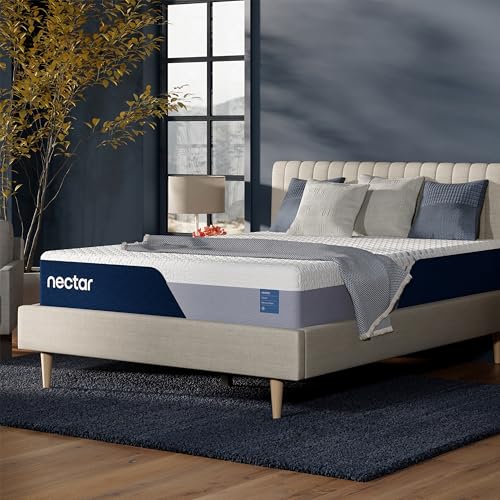
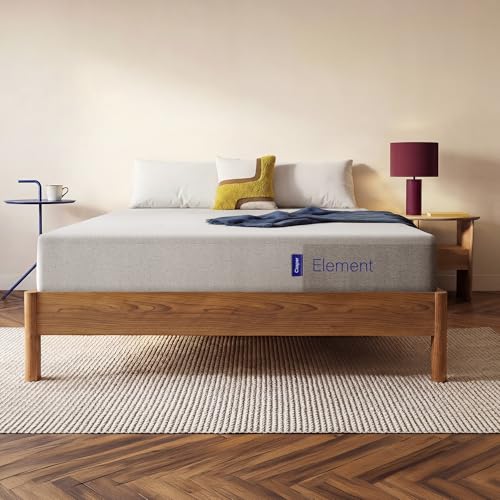
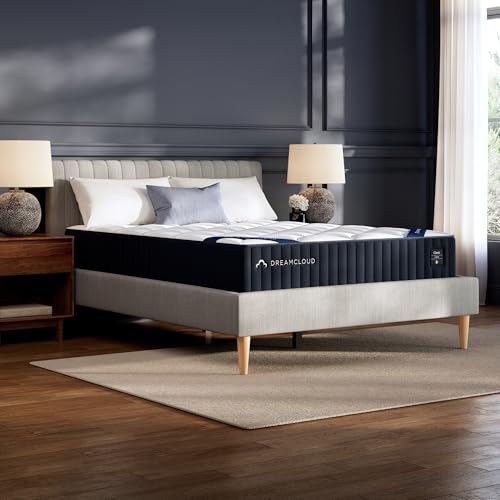

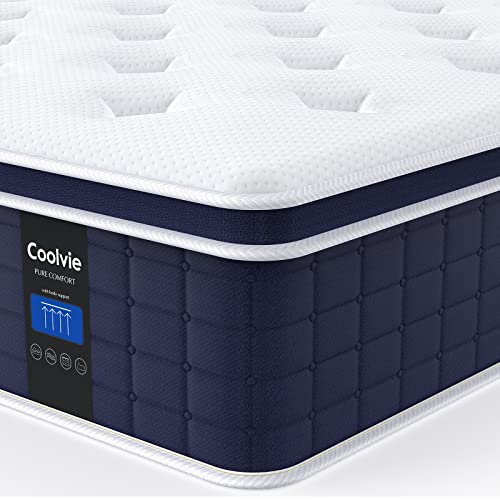
Mattress Basics in Plain Language
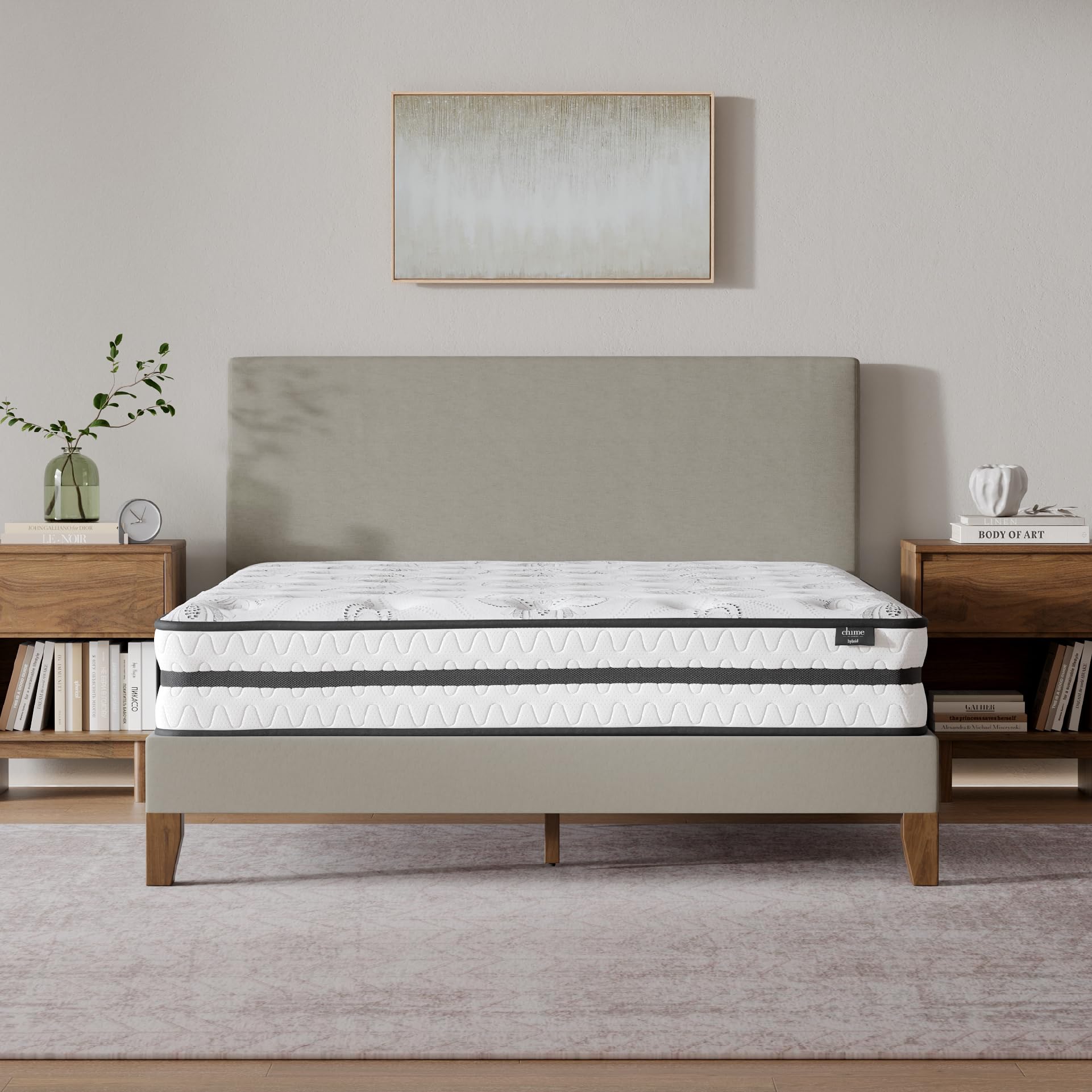
Mattresses fall into broad families. Foam models use layers of memory foam or polyfoam over a support base, and they contour closely to the body. Hybrid models pair pocket springs with foam comfort layers, giving bounce plus contouring. Innerspring models rely mainly on coils with thinner comfort layers, while latex models use natural or synthetic latex for responsive, durable support.
Each family can be good or poor value depending on layer quality, not just the family name.
Density and coil count tell part of the quality story. Higher density foams usually resist sagging longer, while well made pocket springs offer targeted support and airflow. Thickness alone proves little, since a thick mattress can hide thin comfort layers over a weak base. Read layer descriptions where available, and treat vague claims about premium materials with caution when no density or construction detail is given.
Key Features Explained
Firmness and Support
Firmness describes feel, while support describes how well the mattress keeps your spine aligned. A soft mattress can still support a light side sleeper, and a firm mattress can still fail a heavier sleeper if its base sags. Test firmness by lying in your usual sleep position for several minutes, not by pressing with your hand. If your hips sink far below your shoulders, or your lower back aches after a short test, the support is wrong for you regardless of price.
Materials and Durability
Durability decides real value, because a cheap mattress replaced after two years costs more than a midrange model lasting eight. Foam density, coil gauge, and edge support all affect lifespan. Reinforced edges help you sit and sleep near the border without rolling off, which matters for couples sharing a smaller bed. A good trial period and a clear warranty on sagging depth can protect you when a mattress softens faster than expected.
Comfort Layers and Cooling
Comfort layers decide pressure relief and temperature. Memory foam contours deeply but can sleep warm, while latex and pocket springs allow more airflow. Cooling covers and gel infusions help some sleepers, but room temperature, bedding, and mattress protector choice matter just as much. If you sleep hot, prioritise breathable construction and a light protector over marketing claims about cooling technology alone.
Price Tiers: Where Money Helps
Budget tiers often deliver simple foam or basic spring builds that suit guest rooms, short term use, or lighter sleepers. Expect thinner comfort layers and shorter lifespans, and check trial and warranty terms carefully. Midrange tiers usually offer the best balance for nightly use, with denser foams, pocket springs, and better edge support that hold up over years.
Premium tiers add thicker comfort layers, natural materials, and finer finishing, which can improve comfort and durability but with diminishing returns. Pay for premium only when you feel a clear difference in support or pressure relief during a proper test, not for a brand name alone. A midrange mattress that fits your body well usually beats a premium model that does not.
General value guides explain how to judge worth across product types, which can sharpen your mattress budget thinking. See best bang for your buck for more detail.
Mistakes to Avoid
A common mistake is buying firmness based on a label rather than a lie down test in your sleep position. Another is choosing the thickest mattress in the shop, which may hide weak layers under plush topping. Skipping the trial period check is also costly, since comfort on night thirty can differ from comfort in a five minute shop test.
Do not ignore base compatibility. Slatted bases need slats close enough to support foam and hybrid models, while some warranties require a specific base type. Measure doorways and stairs for delivery, and plan how you will dispose of the old mattress. Those practical steps prevent a good purchase from becoming a difficult delivery day.
Care and Everyday Use
Rotate a mattress as the maker directs, since rotation evens wear and delays body impressions. Use a washable protector to guard against spills and moisture, which break down foams faster than normal use. Keep the bedroom ventilated, since damp air can affect materials and sleep quality alike.
If a mattress develops a sag or lump, check warranty terms for the measured depth that qualifies for a claim, and photograph the issue with a straight edge across the surface. Early action matters, because warranties often exclude normal softening but cover deeper impressions. With good care, a well chosen midrange mattress can deliver comfortable sleep for many years.
A Final Check Before You Order
Before you buy, lie on any mattress in your usual sleep position for at least ten minutes, turning as you would at night, rather than pressing it with your hand. Hand pressure reveals nothing about spinal alignment or pressure relief, while a proper lie down test exposes sagging, edge weakness, and uncomfortable pressure points quickly. Bring your usual pillow, since pillow height changes how a mattress feels for side and back sleepers.
Read trial and warranty terms before paying, noting trial length, return costs, and the sag depth that qualifies for a warranty claim. A generous trial protects you when comfort on night thirty differs from comfort in the shop, which happens often. Photograph any sag concern with a straight edge across the surface, since measured evidence supports claims far better than descriptions alone.
Measure doorways, stairs, and lift dimensions for delivery, and plan disposal of the old mattress before the new one arrives. Check base compatibility too, since slat spacing and base type affect support and warranty cover for foam and hybrid models. With a real lie down test, clear trial terms, and delivery planned, mattress value becomes a measured choice rather than a gamble.
Frequently Asked Questions
How much should I spend for nightly use?
For nightly use, midrange models usually offer the best balance of comfort and durability. Budget models suit guest rooms or short term needs, while premium models suit sleepers who feel a clear difference in support or materials. Spend based on a lie down test and layer quality, not on price alone. A mattress that fits your position and weight well at a midrange price often outperforms a pricier model that does not.
Is a firmer mattress better for back pain?
Firmness alone does not fix back pain, and too firm a surface can create pressure points that disturb sleep. Support that keeps the spine level in your sleep position matters more than a firm label. Side sleepers often need softer pressure relief, while back sleepers need steady lumbar support. If pain persists, worsens, or comes with numbness or weakness, seek advice from a clinician rather than relying on a mattress change alone.
Do I need a trial period?
A trial period matters because shop tests cannot predict how a mattress feels over weeks of sleep. Look for a trial of at least a month, and check return costs and conditions before buying. Sleep on the mattress for several weeks, noting morning stiffness and sleep quality, before deciding. A clear trial protects you far better than a showroom impression alone.
How long should a good mattress last?
Lifespan varies by materials, body weight, and care, but many midrange foam and hybrid models serve well for seven to ten years. Signs of replacement include visible sagging, lumps, morning aches that ease after getting up, and worsening sleep quality. Rotate as directed, use a protector, and keep the base in good condition to reach the longer end of that range.
Does a cooling cover really help hot sleepers?
Cooling covers can feel cooler at first touch, but lasting coolness depends more on airflow through the mattress and bedding. Breathable constructions, light protectors, and a cool room usually help more than a cover claim alone. If you sleep hot, test breathability and choose light bedding before paying extra for cooling features you may barely notice after the first minutes.
Final Thoughts
Real value in a mattress comes from support that fits your body, materials that last, and a trial that lets you test properly. The product table above compares price tiers, and the sections here explain where spending helps and where it does not. Test in your sleep position, read layer details, and let comfort over weeks guide the final choice.
With that discipline, best bang for your buck mattresses can mean genuinely good sleep without overspending on features you never feel. Spend where it improves support and durability, and save where it only adds styling.