Best Bang for Your Buck Hot Tubs of 2026: Complete Buying Guide
Disclosure: We may earn a commission when you buy through links on this page, at no extra cost to you. As an Amazon Associate I earn from qualifying purchases. Learn more

Insulation, running costs and warranty decide value. Here is how to pick the best bang for your buck hot tubs.
A hot tub is one of the largest purchases you will make for your home, so the price tag alone tells you very little about value. The best bang for your buck hot tubs are the ones that heat efficiently, stay clean with modest effort, and keep working for years without expensive repairs. This guide shows you how to judge those things before you spend anything.
Think first about who will soak, how often, and where the tub will sit, because those answers decide the size, seating style, and electrical work you need. Then use the product table to check the models you are considering against the criteria in each section that follows.


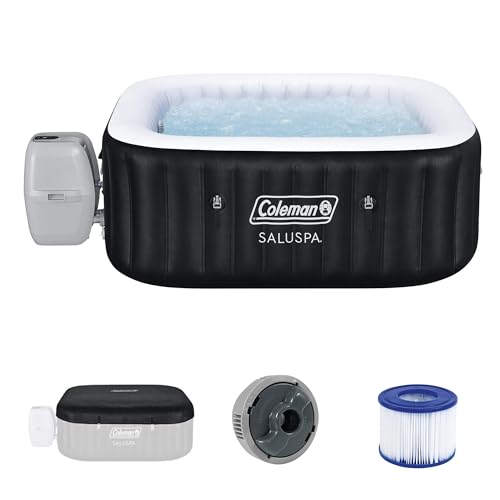
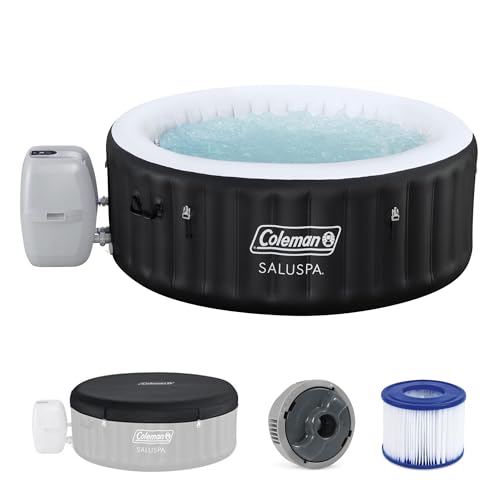

Price Tiers at a Glance
Mid-Range Tier
The mid-range tier is where most buyers get the strongest value, typically around $4,000 to $7,000 for a hard shell tub with seating for five or six people. At this level you generally get full foam or high quality partial insulation, two pumps, a proper circulation system, and a warranty that covers the shell for five years or more. Jets are adjustable rather than decorative, and the control panel lets you set filtration cycles to cut running costs. For a family that soaks several times a week, this tier balances purchase price, energy use, and lifespan better than anything cheaper or grander.
Budget Tier
Budget tier tubs, often around $2,500 to $4,000 in hard shell form and far less in inflatable form, suit couples and small spaces. You give up some jet variety, cabinet finish, and insulation thickness, and the warranty is usually shorter. What you should not give up is a proper heater, a locking insulated cover, and a filtration system you can actually service. An inflatable tub in this tier is a sensible way to test whether you enjoy soaking before committing to a permanent install, as long as you accept higher heat loss and a shorter working life.
Premium Tier
Premium tubs above about $8,000 add stronger jet therapy, quieter pumps, better insulation, salt water care systems, and longer warranties that can reach seven years on the shell and structure. They make sense if you soak daily, want targeted hydrotherapy for aches, or plan to keep the tub for well over a decade. The extra money buys comfort and durability rather than hotter water, since every tub heats to roughly the same maximum. If you will use the tub only on weekends, the premium tier rarely repays its price, and the middle tier will feel just as good in practice.
How to Choose: Buying Guide
Features That Matter in Value Hot Tubs
Value in a hot tub is decided by insulation, water care, and warranty far more than by jet count. A tub with fifty weak jets and thin insulation costs more to run and feels less satisfying than a tub with twenty five well placed jets and full foam insulation. Prioritize a thick locking cover, an efficient heater, and a cabinet you can open for service. Also confirm the shell material, with acrylic over a reinforced backing lasting far longer than thin rotationally molded plastic at the same price, though molded shells have improved and suit rough handling.
Intended Use and Who It Is For
Match the tub to its main job. A couple soaking for relaxation needs two comfortable seats and quiet operation more than it needs seating for seven. A family needs durable steps, varied seat heights for children, and room to move without splashing. Someone soaking for sore muscles should look for a lounger or a therapy seat with jets aimed at the back, legs, and feet, plus enough depth to keep shoulders under water. Count regular users honestly and add one seat, because a tub filled to its stated capacity leaves everyone short on leg room. Think about winter use too, since a tub that is pleasant in July must still be reachable and safe on an icy path in January.
Maintenance and Long Term Costs
Running costs decide whether a bargain stays a bargain. Electricity is the largest ongoing expense, and a well insulated tub in a mild climate may cost around $20 to $40 a month to keep hot, while a poorly insulated one in a cold climate can cost double that. Ask about standby power use, not just heater size. Water care adds more: sanitizer, balancing chemicals, test strips, and filter replacements a few times a year. Budget for a new cover every three to five years, since a waterlogged cover loses insulation and strains the lifter. Finally, ask what a service visit costs in your area and whether parts are stocked locally, because a cheap tub with no local support can sit cold for weeks waiting on a pump.
Safety and Certifications
Look for listing by a recognized testing body and a cover that locks, because a locking cover is the single most important safety feature around children and pets. Electrical work must follow local code, with a dedicated circuit, a ground fault breaker, and a disconnect within sight of the tub, installed by a licensed electrician. Keep the water at or below 104 degrees Fahrenheit, and lower it for children, pregnant women, and anyone with heart conditions, who should talk with a doctor before soaking. Never soak alone after drinking alcohol, and get out at once if you feel dizzy or nauseated. Teach every user where the emergency power cut off is before the first soak.
Key Performance Specs
Read specs in this order: water capacity and dry weight for your site planning, heater size and voltage for running cost, then pump count and jet placement for feel. A 220 volt tub heats faster and can run the heater and jets together, while a 110 volt plug in model installs easily but heats slowly and often cannot do both at once. Capacity for a family tub is usually about 300 to 400 gallons, and the filled weight can pass 3,000 pounds, so the base must be a level concrete pad or a properly engineered deck. Jet count alone means little. Jet size, adjustability, and how many run from each pump tell you far more about the massage you will actually feel.
Ease of Use and Setup
Daily ease comes from a control panel you can read with wet hands, a top loading filter you can rinse in minutes, and a drain placed where a hose can reach. Delivery is the hardest part of setup, so measure gates, paths, and turns before you order, and ask whether the quoted price includes placement or only curbside drop off. Site preparation usually means a level base, an electrical run, and a garden hose for filling. Allow a day for the tub to reach soaking temperature after filling, and balance the water chemistry before the first use rather than after, because fresh fill water is rarely neutral.
If you are comparing value across the home more broadly, the overview of the best bang for your buck explains how to weigh price against years of use.
Types of Hot Tubs
Premium Hard Shell Tubs
Premium hard shell tubs offer the deepest therapy, the quietest running, and the longest warranties, with cabinets built to look like furniture. They suit daily soakers and buyers who plan to stay in the home for many years. The drawback is simple: high purchase price, heavier weight, and repair bills that match the original price class when parts eventually wear out.
Mid Range Hard Shell Tubs
Mid range hard shell tubs cover the needs of most households, with real insulation, two pumps, and seating for four to six. They cost far less than premium models while keeping the running costs low, which is where most of the lifetime money goes. You lose some jet refinement and finish details, but for regular family soaking this class is usually the smart purchase.
Entry Level and Inflatable Tubs
Budget options split into entry level hard shell tubs and inflatable tubs. Inflatables cost the least, set up in an afternoon, and pack away for winter, but they lose heat quickly, have gentle bubble jets rather than true massage jets, and usually last only a few seasons. Entry level hard shell tubs cost more yet give you a real heater and filter. Choose this class to learn your habits, and upgrade later with experience if soaking becomes part of your routine.
How to Make Your Hot Tub Last Longer
- Read the manual before first use. Startup chemistry and filter cycle settings differ by model, and following them prevents early heater scale and cloudy water.
- Clean and inspect regularly. Rinse the filter every few weeks, wipe the waterline weekly, and check the cover and cabinet each month for cracks or pests.
- Balance the water on schedule. Test sanitizer and pH twice a week, because unbalanced water corrodes heaters and pumps faster than normal wear does.
- Protect the cover. Keep it locked when the tub is idle, lift it with the lifter rather than dragging it, and clean it so sunlight does not crack the surface.
- Register the product for warranty. Registration starts your coverage cleanly and makes later claims for pumps, heaters, and controls much simpler to prove.
Hot Tub Questions Answered
What features matter most in value hot tubs?
Insulation and water care matter most, because they set your monthly cost and your weekly effort for the whole life of the tub. After that, look at warranty length on the shell and parts, then at jet placement in the seats you will actually use. A thick locking cover belongs on the must have list too, since it holds heat in and keeps children and animals out when the tub is not in use.
How much should I spend on a hot tub?
Spend enough to get real insulation and a serviceable pump and heater, which for a hard shell tub usually starts around $3,000 to $4,000, plus site and electrical work. Spending more buys comfort and warranty length rather than basic function. Set your budget by total first year cost, including the pad, the electrician, delivery, chemicals, and a cover lifter, so the tub price does not consume money the install still needs.
How long does a hot tub last?
A cared for hard shell tub commonly lasts about ten to fifteen years, with pumps, heaters, and covers replaced along the way. Inflatable tubs last far less, often two to four seasons. Lifespan depends mostly on water balance and whether the tub stays filled and filtered or sits empty and damp. A tub that is used and maintained weekly will usually outlast a neglected one, because moving balanced water protects the plumbing and seals.
How do I maintain a hot tub?
Test the water twice a week and adjust sanitizer and pH, rinse the filter regularly, and drain and refill every three to four months. Add a weekly wipe of the waterline and an occasional shock treatment after heavy use. Keep a simple log of test results and chemical doses, because patterns in that log warn you about a failing filter or a heater building scale long before the water turns cloudy or the tub stops heating.
Are expensive hot tubs worth it?
They are worth it only if you soak often enough to use the stronger therapy jets, quieter running, and longer warranty they provide. For occasional soaking, the extra money earns little, and running costs are similar across prices when insulation is comparable. Judge by cost per year of expected use rather than by sticker price, and remember that a mid priced tub you use three times a week delivers more value than a premium tub that sits idle.
Our Verdict
Choose by insulation, honest running costs, and a warranty backed by local service, and you will land in the right tier for your household. Compare your short list with the product table above, checking filled weight and electrical needs against your site before anything else. Judged that way, best bang for your buck hot tubs are simply the ones that stay hot, stay clean, and stay in service for years at a fair total cost.