Best Band Saws for Resawing: How to Choose for 2026
Disclosure: We may earn a commission when you buy through links on this page, at no extra cost to you. As an Amazon Associate I earn from qualifying purchases. Learn more
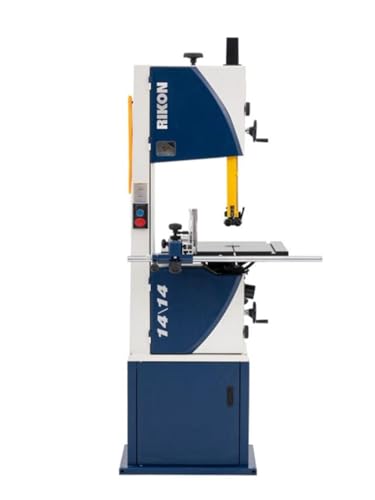
Resawing thick boards needs height, power and a stiff frame. Here is how to judge the best band saws for resawing.
Resawing means slicing a thick board along its thickness into thinner boards or veneers, and it is the hardest job you can give a band saw. The best band saws for resawing combine enough cutting height, a motor that does not bog down in dense hardwood, and a rigid fence that keeps the cut straight from start to finish. This guide explains which specs decide resawing results, so you can choose a saw that fits your stock and your shop.
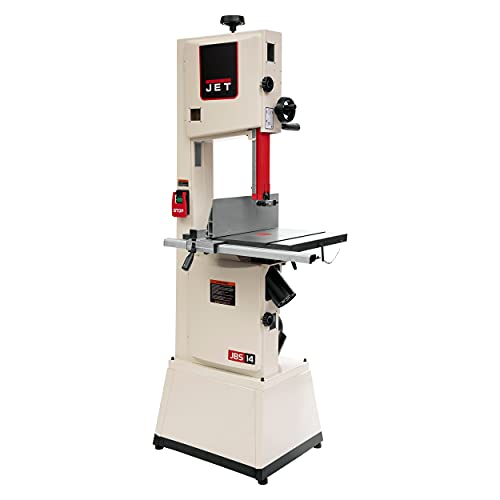
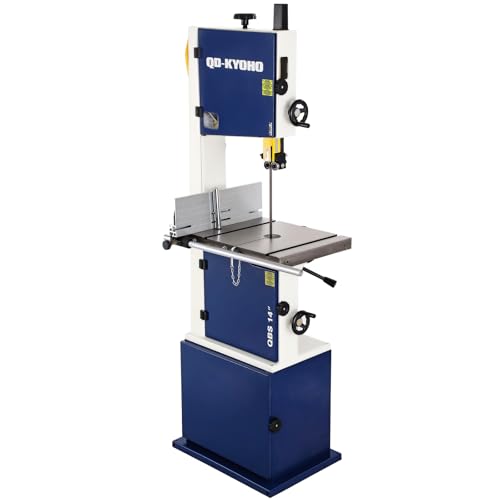
Most resaw work happens on 14 inch saws and larger, because a small benchtop saw simply cannot lift enough blade height to handle a wide board on edge. The product table shows saws with real resaw capacity, and the sections below explain how to judge them.

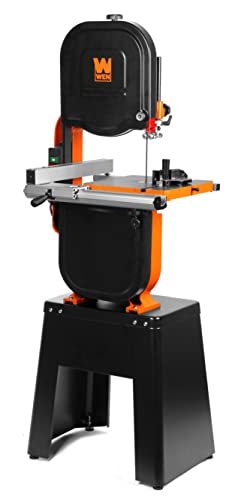
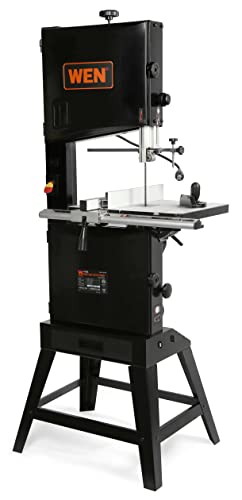
What Resawing Demands From a Band Saw
When you resaw, the board stands on its edge and the blade cuts through its full width, so the blade works over a long stretch of wood at once. That puts heavy load on the motor, the blade, the guides, and the frame. A saw that handles curve cutting well can still struggle here, because the same cut that takes seconds in thin stock takes minutes in a wide hardwood board and exposes every weakness.
Three things decide the result: resaw height (the distance from table to upper guide at full lift), motor power, and a tall fence you can set parallel to the blade. Miss any one of them and the blade will wander, burn the wood, or stall.
Resaw Capacity and Frame Size
Resaw capacity is the widest board you can pass on edge. Typical 14 inch saws offer about 6 inches of height as sold, and many accept a riser block that lifts the guide post to roughly 12 or 13 inches. Floor standing saws in the 17 to 18 inch class reach 12 to 16 inches without add ons. Measure the widest board you plan to cut and add a margin, because capacity quoted on a spec sheet is the absolute maximum, and the cut is easier when you stay below it.
Frame size matters just as much as the number. A heavy cast iron or welded steel frame keeps the wheels in line under tension, and that is what holds a straight line through a wide board. Lightweight frames flex, and the blade follows the flex.
Motor Power and Blade Speed
Plan on at least 1 horsepower for regular resawing of hardwoods such as oak or maple, and 1.5 to 2 horsepower if you cut wide stock often. Smaller motors work if you feed slowly, but they stall easily and heat the blade. Dual speed saws let you run slower for tough materials, while a single fast speed suits most wood. Check the voltage as well: many strong saws run on 120 volts, and the largest ones need a dedicated 240 volt circuit.
Blades for Resawing
The blade often matters more than the saw. Choose the widest blade your saw can tension, commonly 1/2 to 3/4 inch on a 14 inch frame, with a low tooth count of about 2 to 3 teeth per inch. Wide blades resist twisting, and large gullets clear sawdust from a deep cut. Hook tooth and skip tooth patterns both work well, and a carbide tipped blade stays sharp far longer in dense or abrasive wood. A dull blade drifts and burns, so replace it early.
Fence, Guides, and Tension
A tall, flat fence supports the board face and lets you steer against blade drift. Many woodworkers also use a narrow point fence that pivots with the natural drift of the blade. Ball bearing or ceramic guides set just behind the tooth gullets keep the blade from twisting, and a good tension gauge with quick release saves blades when the saw sits idle. Plan on setting up each blade carefully: tension, tracking, guide spacing, and fence alignment decide how straight the resaw cut will run.
Veneer, Bookmatching, and Other Resaw Uses
Most people buy a resaw saw for a few clear jobs: cutting thick lumber into thinner boards so one rough plank yields two or three usable pieces, slicing veneers for furniture faces, and bookmatching two mirrored halves of one board for table tops and panels. Each job rewards a different setup. Veneer work wants a thin kerf blade and a very flat fence, while bookmatching wants the straightest possible cut so the two halves meet without a gap. Milling your own boards from logs or rough slabs also saves money compared with buying thin stock, and it gives you grain you can choose yourself.
These uses also set a limit on how much saw you need. If you only occasionally slice a board under 6 inches wide, a smaller saw with a good blade will do. If you mill wide boards weekly, a taller frame and a stronger motor repay their cost quickly in time and in blades saved.
Budget and Value
Capable resaw saws start around the price of a good 14 inch model and climb steeply for 18 inch machines. A solid 14 inch saw with a riser block covers most home shops and small furniture makers. Spend more only if you routinely cut boards over 12 inches wide, or if you run the saw many hours a week. Add the cost of two or three quality blades, a dust collection hookup, and a mobile base, since those items change daily use as much as the saw does.
Safety and Care
Resawing puts the board on edge, so use a tall fence or featherboard to keep the stock from tipping, and keep your hands well clear of the blade path. Set the upper guide just above the board, wear eye and hearing protection, and use a mask or dust extraction, because resawing makes a lot of fine dust. Release blade tension when the saw will sit unused for weeks, and check tires and bearings regularly.
Related reading: compare best wood band saws, best band saws for woodworking, and best benchtop band saws for the wider picture of what each size class can do.
Frequently Asked Questions
Can a benchtop band saw resaw?
Only thin stock. Most benchtop saws offer 3 to 6 inches of cutting height, enough for narrow boards and small resaw jobs, but not for wide hardwood. Serious resawing calls for a 14 inch or larger saw.
What size band saw is best for resawing?
A 14 inch saw with a riser block suits most home shops and handles boards up to about 12 inches wide. If you resaw wide slabs or work full time, an 18 inch saw gives more height and a stiffer frame.
What blade should I use to resaw?
Use a wide blade with few teeth, such as 1/2 to 3/4 inch with 2 to 3 teeth per inch, matched to the width your saw can tension. A sharp carbide tipped blade gives the straightest cuts in dense wood.
Why does my resaw cut drift?
Drift usually comes from a dull blade, low tension, badly set guides, or a fence that is not matched to the blade. Fix the blade and guides first, then adjust the fence to follow the natural drift of the cut.
How much power do I need?
One horsepower is a sensible minimum for regular hardwood resawing. For wide boards or frequent use, 1.5 horsepower or more keeps the blade from stalling.
Final Thoughts on the Best Band Saws for Resawing
The best band saws for resawing are the ones with height, power, and rigidity to match your widest boards. Check capacity, motor size, and fence quality first, budget for a good wide blade, and compare the saws in the product table against your own stock list before you order.