Best Bamboo Sheet Sets Made Simple: A Clear Buying Guide for 2026
Disclosure: We may earn a commission when you buy through links on this page, at no extra cost to you. As an Amazon Associate I earn from qualifying purchases. Learn more

Shopping for bamboo sheet sets? Learn rayon versus lyocell, weave types, pocket depth, and gentle care so bedding stays soft wash after wash.
Shopping for best bamboo sheet sets can be confusing, because the word bamboo on a label does not tell the whole story. Most bamboo sheets are made from bamboo fibre processed into rayon or lyocell, and the weave, weight, and finish decide how they feel far more than the plant name alone. This guide explains those terms in plain language and helps you match a set to your sleep style and climate. The comparison table below shows the main types side by side.
Think about how you sleep before you compare thread counts. Hot sleepers need breathable, moisture friendly fabric, while cold sleepers may prefer a slightly heavier weave that feels cosy without trapping too much heat. Sheet depth matters too, because a fitted sheet that barely stretches over a thick mattress will pop off at night. Measure your mattress depth, including any topper, before you order.


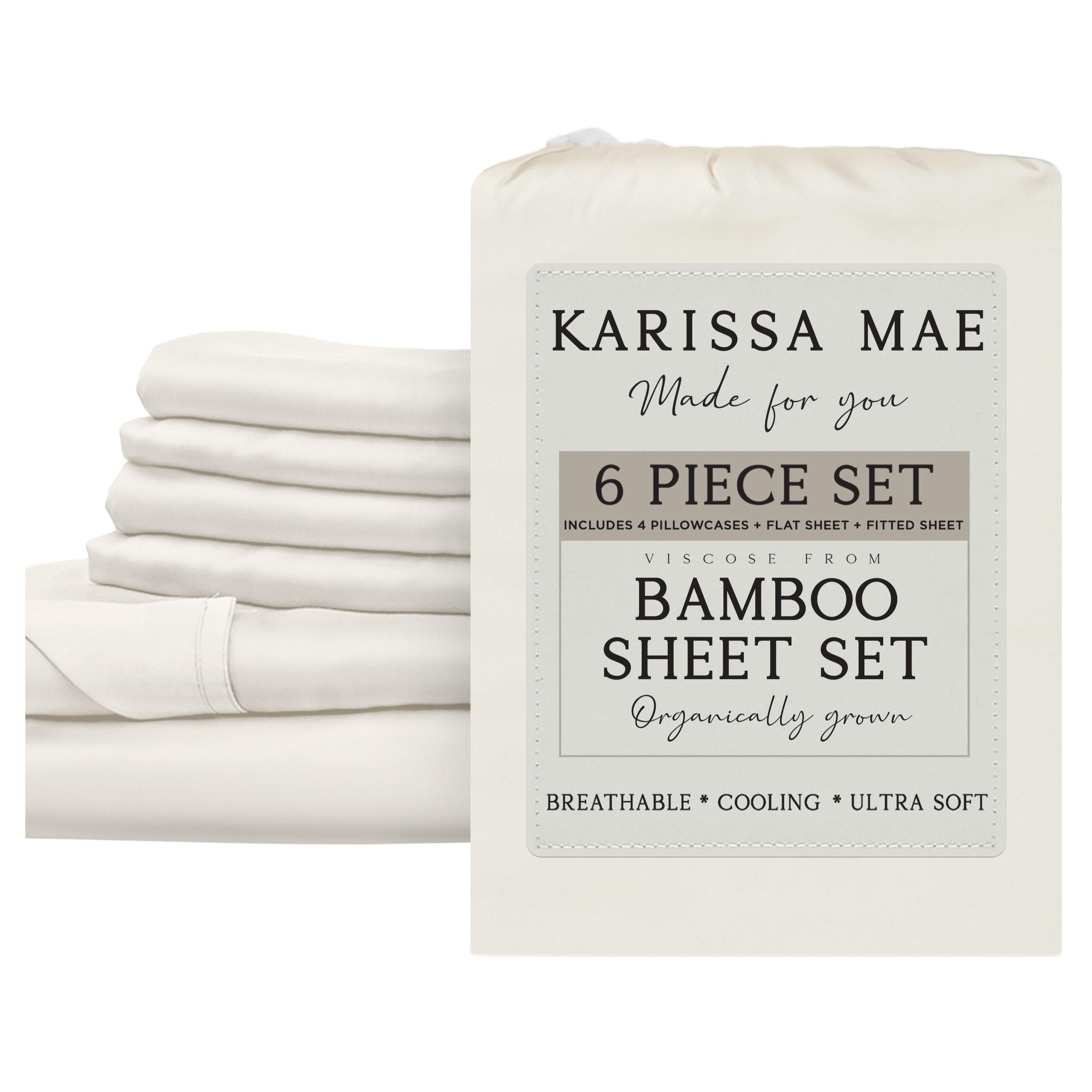
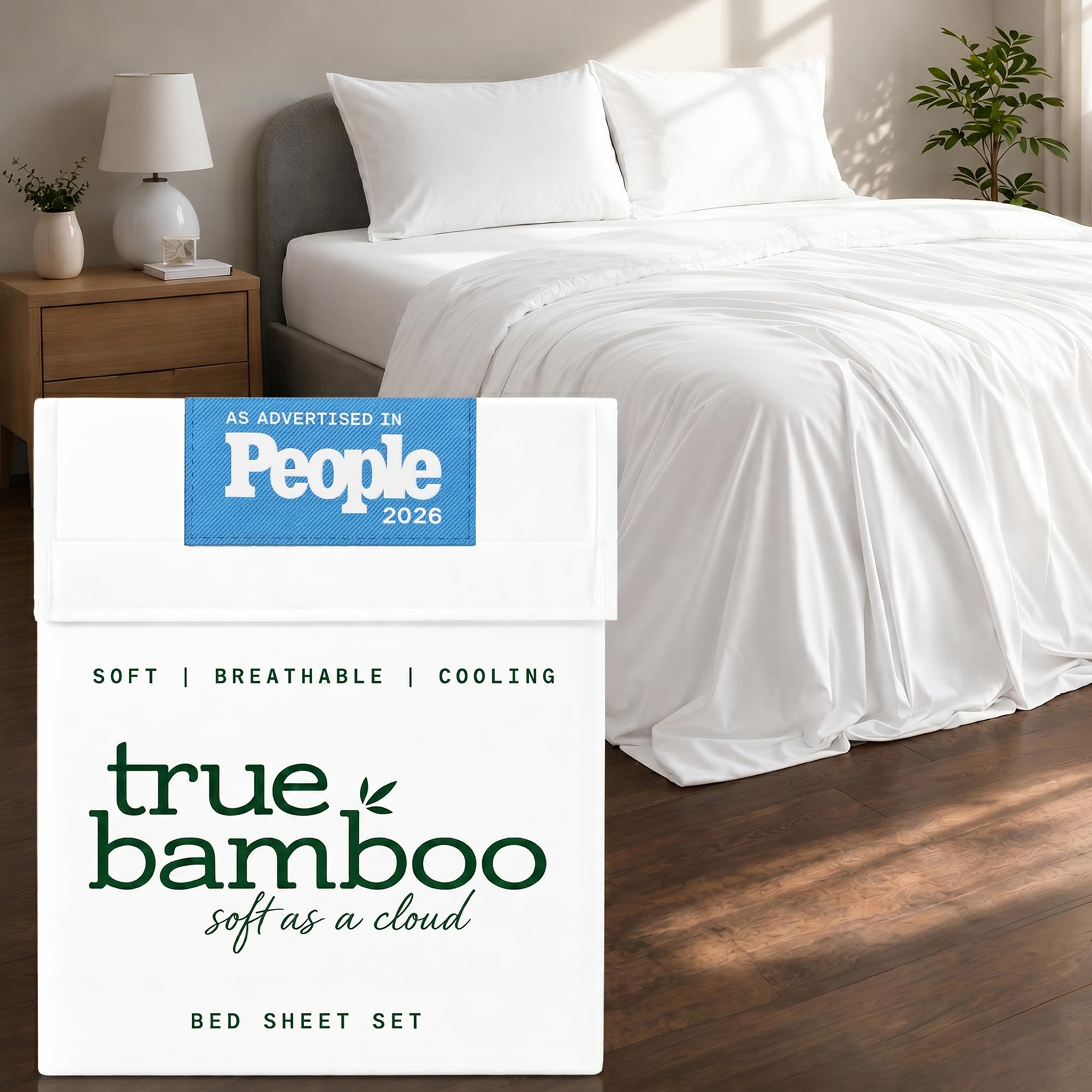
Sheet Sets 101: The Basics
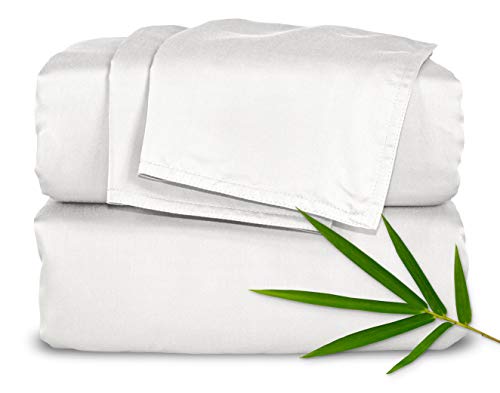
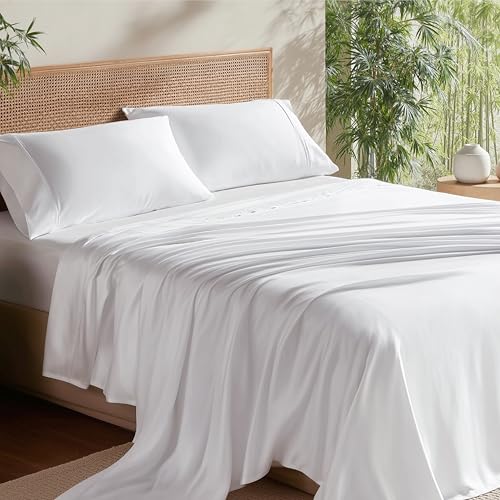
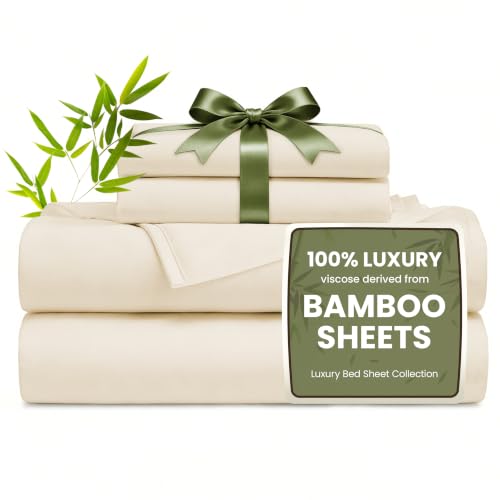
A sheet set usually includes a fitted sheet, a flat sheet, and pillowcases, though some sets swap the flat sheet for extra pillowcases. Bamboo rayon feels smooth and silky and drapes well, which many sleepers love for warm nights. Bamboo lyocell is made with a more closed loop process and often feels slightly sturdier while still soft, with good moisture handling. Blends with cotton can add crispness and durability, but they change the silky feel that draws many buyers to bamboo.
Weave changes the hand feel. Sateen weaves feel smooth and lustrous with a slight sheen, while twill weaves feel a little more textured and durable. Percale style weaves feel crisp and cool, though they are less common in bamboo ranges. Weight, often given in grams per square metre, hints at warmth and drape: lighter sheets suit hot sleepers, while heavier sheets suit cooler rooms.
Key Features Explained
Fibre Type and Feel
Check the fibre label, not just the word bamboo on the front. Rayon from bamboo feels softest and most fluid, but it needs gentler washing to keep its smoothness. Lyocell from bamboo feels a touch firmer and often resists pilling better over time. If a label says only bamboo without naming rayon or lyocell, ask the seller for the full composition, since blends and finishes can change care needs and feel significantly.
Fit and Pocket Depth
Pocket depth must exceed your mattress depth plus any topper, with a little spare for a snug grip. Elastic that runs fully around the fitted sheet holds better than elastic only at the corners, especially on adjustable or deep mattresses. Pillowcase size should match your pillows, since oversized cases bunch and undersized cases strain seams. If your mattress is unusually deep, search by pocket depth first and treat colour and weave as secondary choices.
Breathability and Care
Bamboo fabrics breathe well and handle moisture better than many synthetics, which helps hot sleepers stay comfortable. Wash in cool or warm water on a gentle cycle, and avoid harsh bleach and high dryer heat, which can roughen fibres and shorten sheet life. Line drying or low heat tumble drying keeps sheets softer for longer. If pilling appears, it often reflects friction from rough skin, zippers, or harsh washing rather than a fault in the fabric itself.
Who Should Buy Which Type
Hot sleepers should favour lighter rayon sheets with a smooth sateen feel and good airflow. Cold sleepers may prefer a heavier lyocell or a blend that feels warmer without losing breathability. People with sensitive skin often like bamboo for its smoothness, though washing new sheets before first use removes finishing residues and softens the fabric further.
For a general bedding view, compare sheet sets across fibres before settling on bamboo. See our guide to best sheet sets to buy for more detail.
Budget sheet sets can offer good value, so check how cheaper bamboo blends compare on feel and wash durability. See our guide to best inexpensive sheet sets for more detail.
If night heat is your main concern, cooling focused sets highlight breathability and moisture handling in more depth. See our guide to best cooling sheet sets for more detail.
Luxury sets focus on finish, weight, and detailing, which can help you judge what premium bamboo should feel like. See our guide to best luxury sheet sets for more detail.
Mistakes to Avoid
A common mistake is chasing a high thread count, which means little for bamboo rayon and lyocell, where fibre quality and weave matter more. Another mistake is ignoring pocket depth, which leads to fitted sheets that slip off at night. Buying by colour alone also disappoints, since dyes and finishes can change softness and washing behaviour.
Harsh washing is the fastest way to ruin good sheets. Hot water, strong bleach, and high dryer heat roughen fibres and fade colour. Wash sheets separately from rough items such as towels with zippers or hooks, and close any fasteners before washing. Those small habits keep bamboo sheets soft for far longer than any premium label alone.
Care and Everyday Use
Rotate between two sets if you can, since rest between washes lets fibres recover and reduces wear. Store spare sets in a dry, ventilated spot, and avoid plastic bags that trap moisture. Shake sheets out before making the bed, which helps the fabric drape evenly and reduces creasing.
If sheets feel less soft after months of use, check your wash routine before blaming the fabric. Fabric softener can coat bamboo fibres and reduce breathability, so skip it or use it rarely. A gentle wash, low heat drying, and prompt removal from the dryer will usually restore much of the original smoothness.
A Final Check Before You Order
Before you order, measure mattress depth including any topper, and compare it with pocket depth figures rather than trusting a standard size label. Deep mattresses and thick toppers defeat many standard fitted sheets, causing nightly slipping that no amount of tucking fixes. Check pillowcase sizes too, since oversized cases bunch and undersized cases strain seams within weeks.
Wash new sheets before first use on a gentle cycle, which removes finishing residues and lets the fabric settle into its true softness. Skip fabric softener, since coatings reduce breathability and can make bamboo feel slick rather than smooth. Line dry or tumble on low heat when possible, and remove sheets promptly to reduce creasing and fibre stress.
Consider owning two sets so each rests between washes, which extends fibre life and keeps a fresh set ready on laundry day. Store spare sets in a dry, ventilated spot rather than sealed plastic, which traps moisture and odour. With correct fit, gentle washing, and rotation, bamboo bedding stays soft and comfortable for a long time.
Frequently Asked Questions
What is the difference between bamboo rayon and lyocell?
Both start from bamboo fibre, but they use different processes. Rayon feels softer and more fluid, while lyocell uses a more closed loop process and often feels slightly sturdier. Lyocell may resist pilling a little better, while rayon may feel silkier on first touch. Check the full fibre label, since the process affects washing care and long term feel more than the word bamboo alone.
Are bamboo sheets good for hot sleepers?
Bamboo fabrics breathe well and handle moisture better than many synthetics, which helps hot sleepers stay drier through the night. Lighter weights and smoother weaves feel cooler, while heavier sheets trap more warmth. Pair sheets with a breathable mattress protector and a light duvet for the coolest setup. If you still overheat, check room ventilation and pillow material, which also affect night comfort.
How do I stop fitted sheets slipping off?
Slipping usually means the pocket depth is too shallow for your mattress plus topper, or the elastic has weakened. Measure total depth before buying, and choose a pocket with spare room. Fully elasticated edges grip better than corner only elastic. Deep pocket sheets with strong elastic, plus a mattress protector that adds grip, usually solve nightly slip problems.
Why do bamboo sheets pill?
Pilling comes from friction, often against rough skin, zippers, hooks, or harsh wash cycles. Gentle washing, turning sheets inside out, and keeping them away from rough items reduces pilling. Lyocell blends may pill slightly less than pure rayon, but care matters more than fibre alone. Remove pills gently with a fabric shaver rather than pulling them, which can damage the weave.
Can I use fabric softener on bamboo sheets?
Fabric softener can coat bamboo fibres, reducing breathability and softness over time. Most makers recommend skipping softener and using a gentle detergent instead. If sheets feel stiff, try an extra rinse rather than softener. Low heat drying and prompt removal from the dryer also keep sheets softer without chemical coatings.
Final Thoughts
The best bamboo set is one whose fibre, weave, weight, and pocket depth match your sleep style and mattress. The product table above compares the main types, and the sections here explain what each label term means in nightly use. Measure your mattress, wash gently, and judge softness after a few washes rather than on first touch alone.
With that approach, best bamboo sheet sets can give you cool, smooth, long lasting bedding that feels better with good care. Start with fit and fibre, then choose colour and finish with confidence.