Best Bamboo Cutting Board: Sizes, Types and Care (2026)
Disclosure: We may earn a commission when you buy through links on this page, at no extra cost to you. As an Amazon Associate I earn from qualifying purchases. Learn more

Size, thickness and care decide how long bamboo lasts. Compare three board types to find the best bamboo cutting board for your kitchen.
Your old board slides around while you slice onions, juice runs onto the counter, and the surface looks tired after only a few months. Choosing the best bamboo cutting board for your home comes down to counter space, how many people you cook for, and how much upkeep you will actually do. This guide walks through sizes, constructions, and care so you can match a board to your routine. Start with the comparison table below, then use the checklist to narrow your choice.





Quick Answer: Three Types That Fit Real Homes
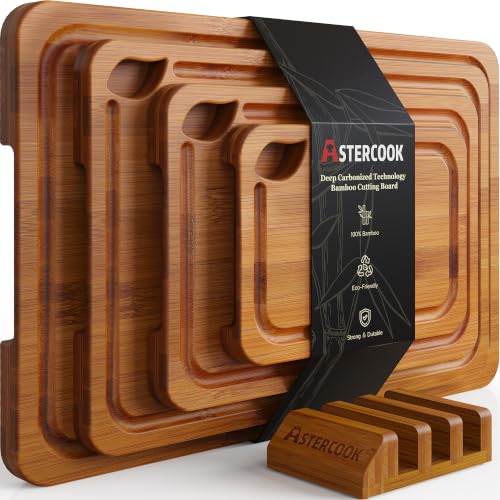
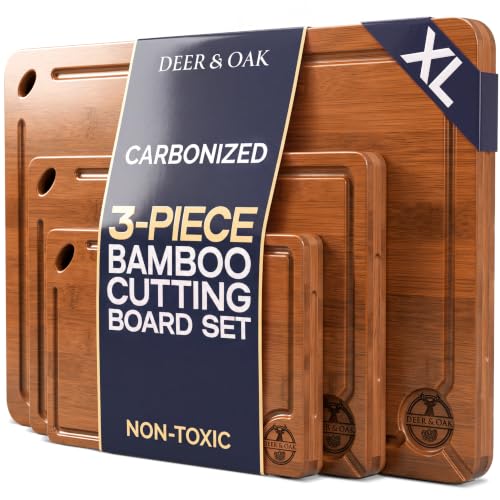
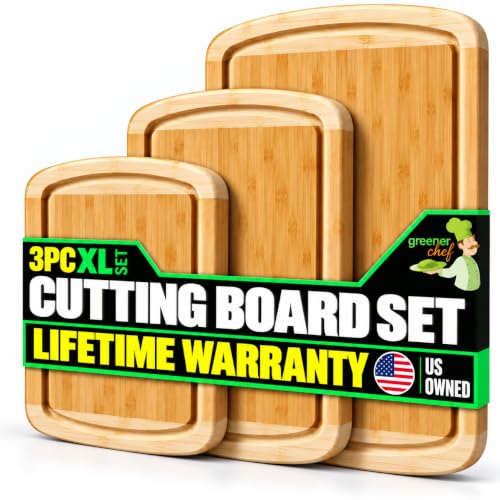
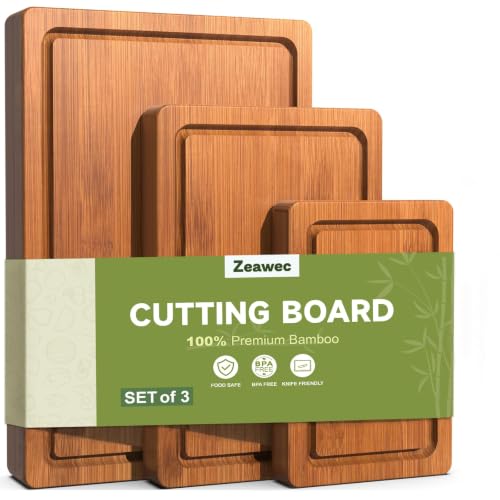
Most homes do well with one of three types. A medium board around 18 x 12 inches suits daily prep for one or two people and stores easily in a cabinet. A large board around 24 x 18 inches gives a family room to break down a chicken or set out bread and cheese for guests. A set with a large board plus a small board for fruit keeps raw meat prep separate and adds flexibility without much cost.
Bamboo is light for its size, so you can lift a loaded board to the stove without strain, and it costs less than most hardwood boards. What separates a good choice from a poor one is thickness, glue quality, and fit for your sink and storage.
Before You Buy: A Quick Checklist for Choosing a Cutting Board
Size: Match It to Your Space
Measure your counter and your sink before you buy, because a board that cannot sit flat or fit under the faucet will annoy you every day. A small board around 12 x 8 inches handles garlic, herbs, and a single apple, and it suits a compact apartment. A medium board around 18 x 12 inches is the workhorse size for most homes, with room for two onions or a small chicken. A large board around 24 x 18 inches helps when you prep for a crowd, but it needs a deep sink and a wide cabinet or a spot to stand upright for storage.
Which Type Fits Your Routine
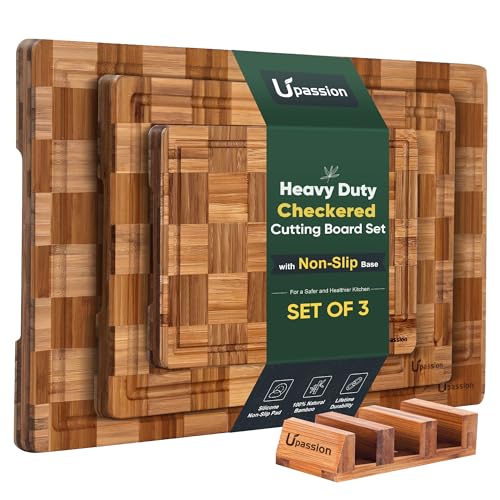
Bamboo boards come in a few constructions, and each one changes weight, feel, and price. Boards made from strips laid flat show long grain lines and tend to be light and affordable. Boards built with the grain standing upright expose the fiber ends, feel a bit softer under the knife, and usually cost more. Pressed bamboo made from dense shredded fibers is very hard and resists deep cuts, but that hardness can feel less forgiving on fine edges. Our guide to the best cutting board compares the main materials for general kitchen use.
Features Worth It (and Ones to Skip)
A juice groove earns its place if you cut melons, tomatoes, roasts, or citrus often, because the channel catches liquid before it reaches the counter. Cut out handles make a large board easier to lift and carry, especially when it holds food. Small rubber feet can stop sliding on smooth stone counters, though feet also mean only one side sits flat and stable. Skip extra compartments and trays unless you truly mise en place every meal, since carved sections reduce your usable cutting area and add corners that trap crumbs. A plain, thick board with a groove on one side and a flat side for dough gives you more real value.
Materials and Food Safety
Bamboo is a grass that grows fast, and makers split it into strips, dry them, and bond them with food grade adhesive under heat and pressure. Look for clear information about the adhesive and a finish made for food contact, such as mineral oil. A board should arrive smooth, without splinters, lifted fibers, or a strong chemical smell. Wash it promptly after raw meat or poultry and dry it upright. For households that prep meat daily, see our guide to the best cutting board for meat for dedicated setup ideas.
Dishwasher Safe or Hand Wash
Plan on hand washing your bamboo board, and treat that as part of the decision rather than a surprise later. Hot dishwasher cycles and long soaking cause bamboo strips to swell, dry unevenly, and eventually split along the glue lines. Washing by hand takes about a minute with hot water, soap, and a cloth or brush. Dry it with a towel and stand it on edge so air reaches both faces. If your home insists on dishwasher cleaning for every item, a plastic board will fit your routine better.
Realistic Budget Ranges
Small bamboo boards and simple sets often cost under $20, and they work well for light prep or a starter kitchen. The middle range, about $20 to $50, is where most families should shop, because you get better thickness, smoother finishing, and a useful size around 18 x 12 inches. Boards priced about $50 to $100 usually add greater thickness, upright grain construction, or a large format. Above that level you mostly pay for size, brand, and presentation value. Put thickness and construction ahead of carved extras.
Three Types Compared: Which Bamboo Board Suits Your Home
Best for Most Homes: The Medium Everyday Board
A medium board around 18 x 12 inches and about three quarters of an inch thick fits the widest range of kitchens. It holds a couple of chicken breasts, a pile of peppers, or a loaf for slicing, yet it still fits in a standard sink. Choose flat grain construction for lower cost and lighter weight, with a juice groove on one face and a flat reverse for bread. This type suits couples and small families who cook most nights and want one board that does almost everything.
Best Value: The Small Board or Two Board Set
A small board under $20, or a set that pairs a small board with a medium one, gives budget shoppers a practical path. The small board handles fruit, cheese, and quick tasks, while the larger piece covers dinner prep. Sets also help with food safety, because you can reserve one board for produce during a meal. Expect thinner material at this price, so check edges for roughness before first use. This type suits students, new renters, and anyone building a kitchen on a tight budget.
Best Long Term Investment: The Thick Large Board
A thick large board, around 24 x 18 inches and an inch or more in depth, suits homes that cook for groups or prep big batches on weekends. The extra mass stays put while you work, and the broad surface lets you keep scraps apart from finished cuts. Upright grain versions cost more, but many owners prefer the feel under the knife. This type needs storage space and a sink that can hold it, so measure first. It suits larger families and kitchens where the board may also serve food.
Our Selection Process for the Best Bamboo Cutting Boards
We judged types by ease of use, lasting build, cleaning effort, design fit for real homes, and value for the price range. That means favoring sizes that fit standard sinks, thicknesses that resist warping, and finishes you can renew at home. We drew on maker specifications and patterns in verified buyer feedback, such as reports of splitting, rough edges, or grooves that are too shallow to help. We left out types with unclear materials or finishes not meant for food contact.
What We Like and What Gives Us Pause About Bamboo Compared With Other Boards
Bamboo wins on weight, price, and a tidy appearance that suits many kitchen styles. A large bamboo board is far easier to move to the sink than a similar hardwood board, and that matters when you wash up several times a day. If you are torn between the two, our bamboo vs wood cutting board comparison explains the trade offs, and our guide to the best wood cutting board covers hardwood options if you prefer a heavier feel.
The cautions are real but manageable. Bamboo is hard, so very fine knife edges may dull a little faster than they would on softer wood. Bamboo also cannot go in the dishwasher, and thin boards can split if they soak or dry beside a hot stove. Quality varies more with bamboo than with plain plastic, so read the adhesive and finish details closely.
Common Buying Mistakes to Avoid
- Buying a board too large for your sink, so washing becomes a struggle and the board ends up left soaking.
- Choosing the thinnest board to save money, then dealing with warping and splits within the first year.
- Paying for carved compartments you rarely use, while giving up flat cutting space you need every day.
- Using one board for raw poultry and salad in the same session, which risks juices reaching food eaten raw.
- Ignoring finish and adhesive details, even though those decide whether the surface suits daily food contact.
Cost of Ownership and Care
Bamboo asks little in ongoing cost, but it does ask for regular attention. A bottle of food grade mineral oil costs only a few dollars and lasts through many applications, and a board cream with beeswax can help in dry homes. Oil the board when the surface looks pale or feels dry, which for frequent cooks may be about once a month. Spread a thin coat, let it soak in for a few hours, and wipe off the excess. Store the board upright so air circulates, away from the stove and standing water. For washing and stain advice, see how to clean a cutting board.
Your Questions, Answered
Are bamboo cutting boards worth it?
Yes, for most homes they offer strong value because they combine light weight, a pleasant look, and a lower price than most hardwood boards of the same size. They suit daily chopping, serving, and family meal prep well. The main trade is care, since you must wash by hand and oil the surface now and then. If you want dishwasher cleaning above all else, choose plastic instead.
How long does a bamboo cutting board last?
A well made board that is washed by hand, dried upright, and oiled when dry will often last several years of regular home use. Thin boards and boards left soaking or run through a dishwasher fail much sooner, sometimes within months. Replace a board when a split opens along a glue line and traps moisture, or when a deep groove stays dark and rough even after a careful wash, because that damage holds residue you cannot fully clear.
What size bamboo cutting board should a family of four buy?
Start with a board around 18 x 12 inches for daily meals, then add a larger board around 24 x 18 inches if you often prep for guests or batch cook on weekends. That pairing covers weeknight dinners and bigger jobs without forcing one huge board into a small sink every day. Measure your storage shelf too, because a large board can share an upright spot beside oven trays.
Can you cut raw meat on a bamboo cutting board?
Yes, you can cut raw meat on bamboo, provided you wash the board promptly in hot soapy water and dry it fully before storing it. Use a separate board for vegetables and bread during the same meal so juices stay away from food eaten raw. Some cooks place a thin flexible plastic sheet on top of the bamboo for raw poultry, then wash both pieces. That habit gives you a stable base with an extra layer that is simple to scrub.
Why did a bamboo cutting board split or crack?
Splitting usually follows water and heat stress, such as long soaking, dishwasher cycles, or drying flat on a wet counter so one face stays damp while the other dries. Small surface cracks can sometimes be eased by cleaning, drying fully, and applying mineral oil. A crack that runs through the board or along a full glue line means the structure has failed, and the board should be retired to dry tasks or replaced.
Final Thoughts
For most readers, a medium bamboo board in the middle price range offers the best mix of size, weight, and value, while a thick large board suits bigger households and a small set suits tight budgets. Match the size to your sink, favor thickness over carved extras, and commit to hand washing and occasional oiling. The product table above pulls the current options together for a quick comparison. When you choose the best bamboo cutting board for your space and routine, daily prep gets calmer.