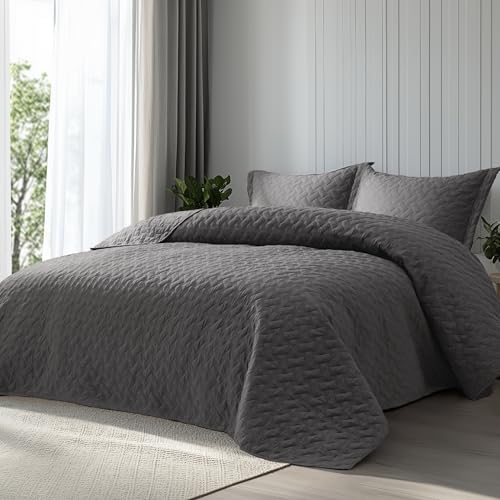
Best Bamboo Blankets 2026: Softness Buying Guide
Disclosure: We may earn a commission when you buy through links on this page, at no extra cost to you. As an Amazon Associate I earn from qualifying purchases. Learn more

Bamboo blankets promise softness and breathability, but blends and weaves vary widely. Learn how to read labels, judge weight, and wash bamboo bedding well.
The best bamboo blankets feel soft against the skin and breathe better than many heavier bedding options, which is why they suit warm sleepers and layered beds alike. Bamboo fibre is usually processed into viscose or lyocell, then woven or knitted into fabric, and the blend and weave decide how the blanket feels, drapes, and holds up in the wash. The comparison table below sets out the main blanket types so you can compare weight and warmth at a glance.
Labels can mislead, since a blanket marketed as bamboo may contain only a small share of bamboo fibre mixed with cotton or polyester. This guide explains how to read fibre content, choose a weight for your climate, and care for bamboo fabric so it stays soft rather than thinning or pilling after a few washes.
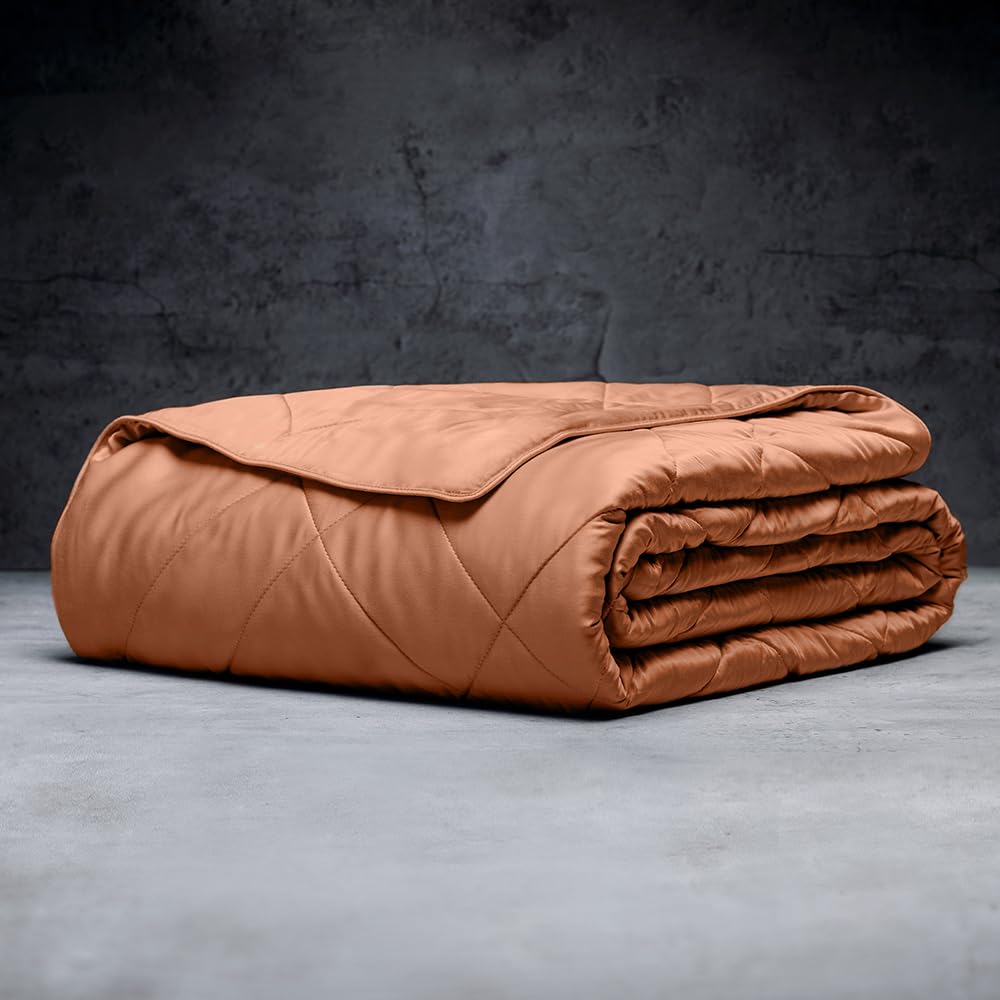

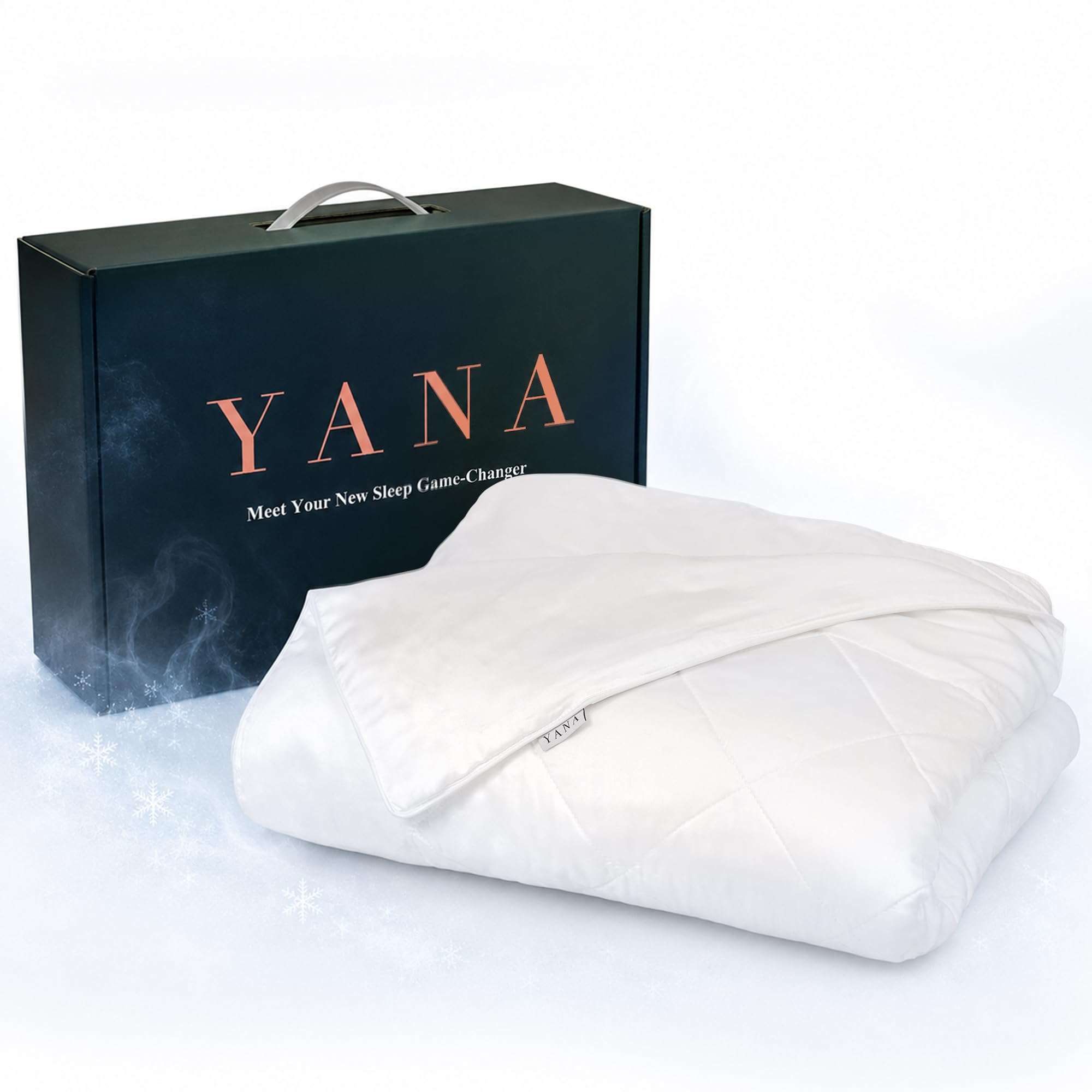

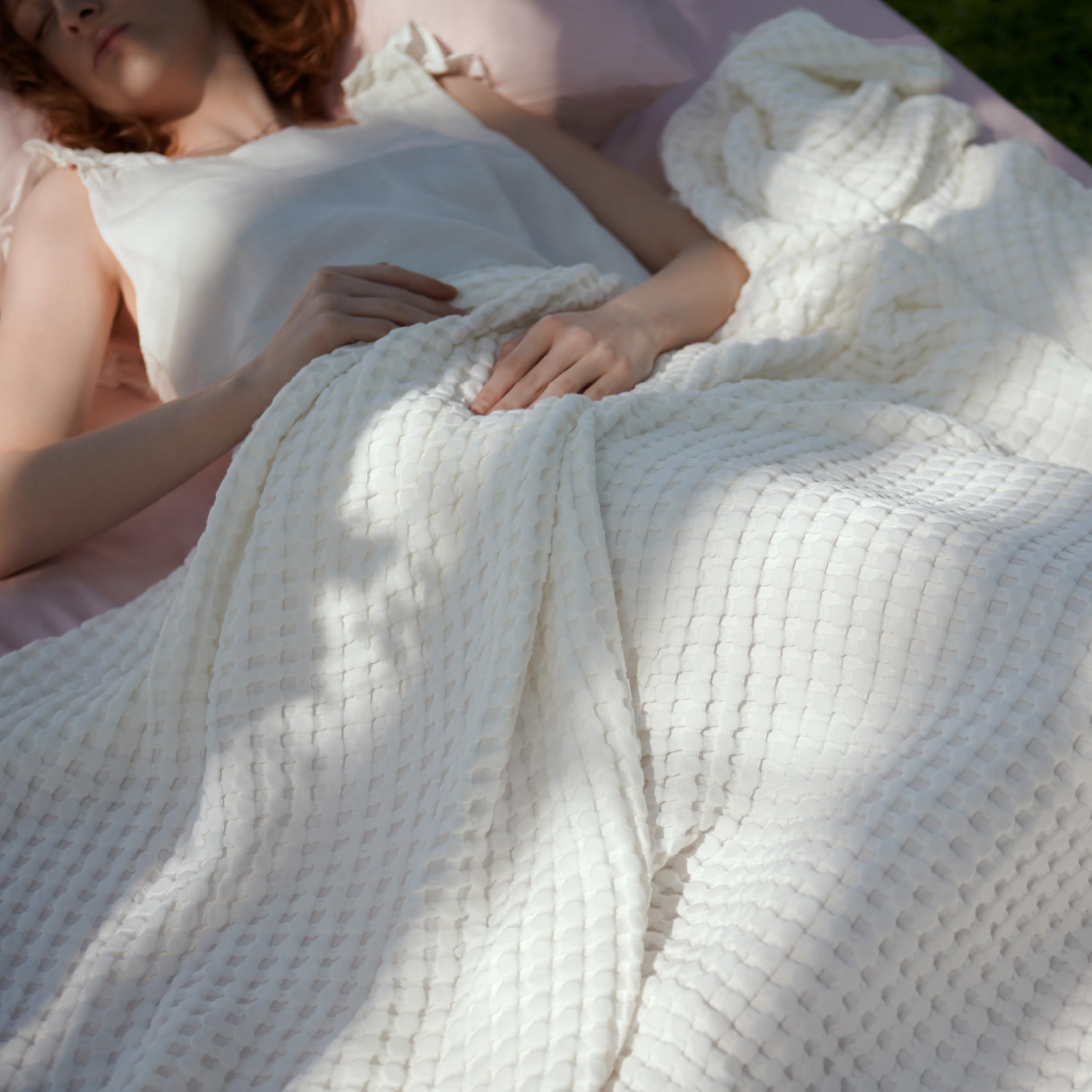


What Bamboo Fabric Really Is
Most bamboo bedding starts as bamboo pulp that is processed into viscose, rayon, or lyocell fibre. Lyocell uses a closed loop process that recovers more of the solvent, while viscose is the more common and usually cheaper route. Both produce a smooth fibre with a soft hand feel, but lyocell tends to hold strength better when wet, which matters during washing.
The fibre content label tells the real story. A blanket labelled 100 percent bamboo viscose is fully bamboo derived, while a 70 percent bamboo and 30 percent cotton blend trades some softness for cotton durability and easier care. A low bamboo share, such as 20 percent, means the bamboo contributes little to the feel, so read the label rather than trusting the product name alone.
Weave, Weight, and Warmth
Weave changes how a bamboo blanket feels and how warm it sleeps. A sateen weave feels smooth and slightly silky and drapes well over the bed, while a twill or plain weave feels more matte and structured. Knitted bamboo jersey stretches gently and suits throw blankets that you wrap around yourself on the sofa.
Weight is measured in grams per square metre, and a lighter blanket around 200 to 300 grams per square metre suits summer or warm rooms. A midweight blanket around 300 to 450 grams per square metre works for most of the year when layered with a duvet in winter. Heavier bamboo blankets feel cosy but can trap heat, so warm sleepers should favour the lighter end even in cooler months.
Breathability and Moisture Handling
Bamboo fibre absorbs moisture well and releases it into the air, which helps the blanket feel dry rather than clammy during the night. That moisture handling suits people who wake warm or who live in humid climates, since the blanket moves dampness away from the skin instead of holding it against the body. Breathability also depends on weave, so an open weave sleeps cooler than a dense sateen even at the same fibre content.
Layering works well with bamboo because a breathable blanket adds warmth without the weight of a heavy duvet. Try a bamboo blanket over a light sheet in summer, then add a duvet on top in winter with the bamboo layer closest to the skin. That order keeps the softest layer against you while the outer layer provides insulation.
Sizing, Drape, and Bedroom Fit
Blanket sizing varies between brands, so check the stated dimensions against your mattress rather than trusting size names alone. A blanket should overhang the sides of the mattress by enough to tuck in or drape without pulling off when you turn over. For shared beds, size up when partners pull covers in different directions during the night.
Drape matters for comfort as well as looks. A bamboo blanket with good drape follows the shape of the body and stays in place, while a stiff blanket tents over the legs and lets cold air in at the edges. Heavier weaves drape better than very light ones, so balance weight against warmth when you choose.
Washing and Keeping Bamboo Soft
Wash bamboo blankets in cool or warm water on a gentle cycle with a mild detergent, and avoid bleach and fabric softener, which coat fibres and reduce absorbency. High heat breaks bamboo fibres faster, so tumble dry on low or line dry when you can. Line drying also keeps the blanket smelling fresh without added fragrance.
Pilling happens when fibres rub during washing or against rough bedding, and turning the blanket inside out before washing reduces friction on the face side. Wash bamboo blankets with similar soft fabrics rather than with towels or jeans, which abrade the surface. If pilling appears, a fabric shaver removes pills without thinning the blanket the way harsh brushing can.
Allergies, Skin Sensitivity, and Value
Bamboo fabric feels smooth and produces little lint, which suits sensitive skin and people who react to rougher bedding. A tightly woven bamboo blanket also resists dust mite buildup better than a loose open weave, though no blanket alone replaces regular washing and a mattress protector for allergy control. Wash new blankets before first use to remove finishing residues.
Price varies with fibre content, weave density, and size, and the cheapest bamboo labelled blanket often hides a low bamboo share or a thin weave. Compare grams per square metre and fibre percentages across options at a similar price before deciding. A midrange blanket with a high bamboo share and a solid weave usually outlasts a bargain option that thins after a season.
To compare broader bedding quality first, see best quality blankets. If you want warmth with a power source, best heated blanket covers electric options. For lighter layering pieces, best throws and blankets rounds out the bedroom and living room choices.
A Final Check Before You Order
Before ordering, compare fibre percentages and grams per square metre across two or three options at a similar price, since those two figures predict softness and durability better than product names. A blanket with a high bamboo share and a solid midweight weave usually outlasts a thin bargain blanket, and the difference shows after the first few washes. Order a swatch when available, and feel it after washing if the seller allows returns on laundered samples.
Think about your sleep temperature across seasons, since a bamboo blanket that sleeps perfectly in summer may need a duvet partner in winter. Layering plans matter: a light bamboo blanket plus a duvet covers more of the year than one heavy blanket alone. Check washing instructions before buying too, since a blanket that needs delicate handling may not suit a household that washes bedding weekly.
Frequently Asked Questions
Are bamboo blankets cooler than cotton blankets?
Bamboo blankets usually sleep cooler than cotton at a similar weight because bamboo fibre moves moisture away from the skin and breathes well. The weave matters too, since an open weave sleeps cooler than a dense sateen. Cotton absorbs moisture but dries more slowly, which can feel clammy on warm nights. If you sleep hot, choose a lighter bamboo weave and layer it rather than buying one heavy blanket.
Do bamboo blankets shrink in the wash?
Bamboo fabric can shrink if washed in hot water or dried on high heat, because heat tightens the fibres. Washing in cool or warm water and drying on low or on a line keeps shrinkage small. Some shrinkage of a few percent is normal on the first wash, so check dimensions after washing if exact bed coverage matters. Avoid high dryer heat, which causes the most shrinkage and weakens the fabric over time.
How do I stop a bamboo blanket from pilling?
Wash the blanket inside out on a gentle cycle with similar soft fabrics, and avoid washing it with towels, jeans, or items with zippers that abrade the surface. Use a mild detergent and skip fabric softener, which coats fibres. Line dry or tumble dry on low, since high heat and rough handling increase pilling. A fabric shaver removes existing pills gently without thinning the blanket.
Is a bamboo blend better than 100 percent bamboo?
Neither is always better, since the choice depends on what you value. Pure bamboo feels softest and breathes best, while a bamboo cotton blend adds durability and easier care at a lower price. A blend with 60 to 70 percent bamboo keeps much of the soft feel while resisting wear better than pure bamboo. Check the label percentage and the weave, since those two details predict feel and lifespan more than the word bamboo alone.
Can bamboo blankets be used all year round?
Yes, when you layer them sensibly. A light bamboo blanket works alone in summer and as the skin contact layer under a duvet in winter. Midweight bamboo suits spring and autumn on its own in mild climates. Warm sleepers can use bamboo year round by adjusting the outer layer rather than swapping the bamboo blanket itself, which keeps bedding simple across seasons.
Final Thoughts
A good bamboo blanket comes down to fibre content, weave, and weight rather than the bamboo name on the label. Read the percentage, choose a weight for your climate, and wash gently so the softness lasts. Use the product table above to compare blanket types, then pick the weave and size that fit your bed and your sleep temperature. The best bamboo blankets feel soft on night one and still feel soft after many washes, which is the real test of value.