Best Ballroom Practice Shoes: Matching the Right Model to Your Routine for 2026
Disclosure: We may earn a commission when you buy through links on this page, at no extra cost to you. As an Amazon Associate I earn from qualifying purchases. Learn more

Discover the best ballroom practice shoes for your needs. We match features to real use cases so you avoid overpaying and get the right fit the first time.
There is no single practice shoe that suits every dancer, because a shoe that feels perfect for smooth and standard work can feel completely wrong for rhythm and Latin drills. The best ballroom practice shoes for you depend on your dance style, your heel height comfort, your foot shape, and how many hours a week you spend on the floor. This guide matches each type of dancer to the features that matter most, so you can spend your budget on fit and sole quality instead of looks alone.
Start with the comparison table below to see how heel heights, sole materials, and closure styles differ across price tiers. Then use the sections that follow to narrow your choice by routine, foot shape, and training load.

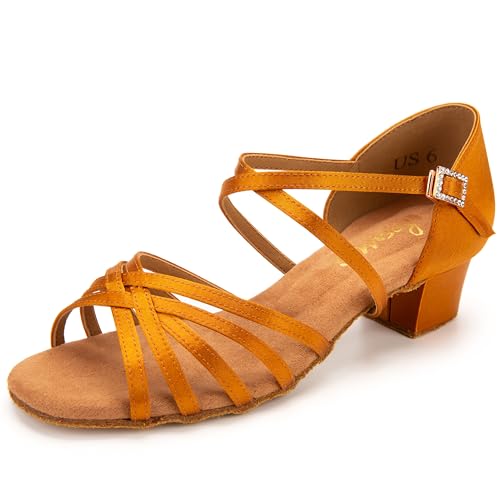


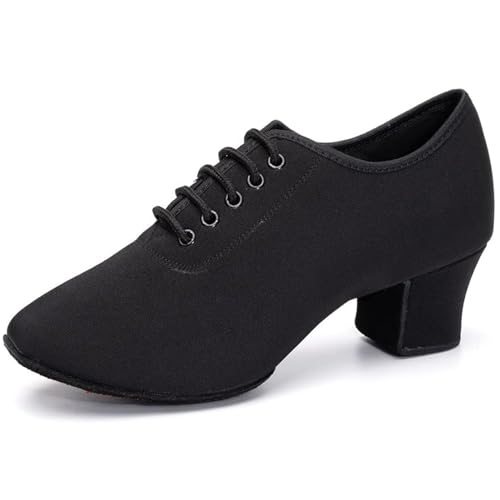


Who Should Buy Which Ballroom Practice Shoes?
For Bad Weather and Tough Conditions
If you travel to the studio through rain and slush, your main enemy is a ruined suede sole, not the walk itself. Choose a practice shoe with a leather or split leather sole for wet season training, or keep a suede soled pair at the studio and commute in street shoes. A closed toe design shrugs off puddle splashes better than open straps, and a water resistant leather upper wipes clean with a damp cloth. Store a small towel in your dance bag so soles are fully dry before you step onto a wood floor, because damp soles grip unpredictably and can strain your knees during turns.
For Small Spaces and Easy Storage
Dancers who practice in a living room, a small studio corner, or a shared hall need a shoe that travels light and stores flat. Soft uppers in mesh, knit, or supple leather fold into a gym bag without holding creases, and lace up styles pack flatter than buckled ones. A flexible split sole bends with your foot during home drills and takes up almost no room in a drawer. If storage space is tight, pick one versatile pair in a neutral color that works for both lessons and social practice rather than separate pairs for each style.
For Weekend Beginners
If you dance once or twice a week, comfort and forgiveness matter more than advanced features. Look for a modest heel of about 1 to 1.5 inches, a cushioned insole, and a toe box that lets your toes spread during long social evenings. A secure lace up or strap closure keeps the shoe stable while your footwork is still developing. Expect to pay around $50 to $90 for a solid beginner pair, and put the money you save toward lessons. As your technique grows, you will know exactly which upgrade your feet are asking for.
Key Features to Compare
Fit, Sizing, and Toe Box
Practice shoes should fit snugly, closer than street shoes, because your foot must not slide during pivots and heel turns. Measure both feet in the afternoon, when they are slightly swollen from the day, and size to the larger foot. Your toes should brush the front without pressing hard, and the toe box should be wide enough that your toes lie flat rather than stacking. Many dance shoes use UK or European sizing, so check the conversion chart for each maker and, when you land between sizes, choose based on width first. Dancers comparing their practice pair with their performance pair can also see our guide to the best ballroom dance shoes for how fit expectations change on competition day.
Break In Period and Comfort Out of the Box
A good practice shoe feels secure right away but rarely feels perfect on day one. Leather uppers usually soften within two to four sessions, while mesh and knit styles need almost no break in time at all. Wear new shoes around the house for short periods before a long practice, and add thin dance socks if a heel cup rubs. Sharp pain, numb toes, or blisters that return in the same spot are signs of a wrong size or last shape, not a break in problem. Padding should compress slightly under your weight without bottoming out, and the shank should flex at the ball of the foot, never in the middle of the arch.
Outsole Traction and Terrain
For ballroom, the outsole is almost always suede, split leather, or smooth leather, and each glides differently on wood. Suede gives the classic balance of slide and control for standard and smooth, and you restore its nap with a wire brush as it slicks down. Smooth leather slides more, which some Latin dancers like for spins, but it can feel skittish for newer dancers. Rubber soles and lugged soles belong on street shoes, not on a dance floor, because they grip too hard and transfer twisting force into your knees. Match the sole to the floor you use most, and remember that a very polished studio floor needs more grip than a worn community hall floor.
Upper Materials and Breathability
Practice sessions run long, so breathability decides how your feet feel in hour two. Mesh and engineered knit uppers vent heat well and dry fast between sessions, which helps if you train on back to back days. Leather uppers mold to your foot shape over time and offer more support and stability for standard dances, though they run warmer. Satin looks elegant but stains easily and suits performance more than daily drills. Whatever the material, look for a padded collar, smooth interior seams over the toes, and enough structure at the heel counter to keep your foot centered during quick direction changes.
Common Mistakes to Avoid When Buying Ballroom Practice Shoes
- Choosing by price alone. The cheapest pair often has thin padding and a sole that slicks within weeks, so you end up buying twice.
- Ignoring fit, sizing, and toe box shape. A glamorous shoe that pinches your forefoot will cut every practice short.
- Buying your street shoe size without checking the chart. Dance sizing runs differently, and a full size of sliding room ruins balance.
- Picking a heel height above your current skill. A tall heel you cannot control yet teaches your body to grip and tense.
- Skipping the return and warranty terms. Fit is hard to judge online, so an easy exchange policy protects your purchase.
Setup and Care Tips
Treat practice shoes as training equipment and they will last far longer. Brush suede soles with a wire brush after every few sessions to lift the nap and restore controlled slide. Air dry wet shoes at room temperature away from radiators and direct heat, since heat cracks leather and warps glue lines. Rotate two pairs if you dance daily, giving each pair a full day to dry and rebound, and carry shoes in a breathable bag rather than a sealed plastic sack. Reserve dance shoes for the floor only, since that single habit protects soles more than any product. Replace a pair when the sole stays slick after brushing, the heel tips wobble, or padding feels flat under the ball of the foot.
Ballroom Practice Shoes: Your Questions Answered
How often should I replace my ballroom practice shoes?
Most regular dancers replace practice shoes every 6 to 12 months, depending on weekly hours. Replace sooner if the suede stays glassy after brushing, the heel feels unstable, or new aches appear in your forefoot after sessions. Dancers training ten or more hours a week may wear through padding in a single season, while once a week social dancers often get two years from a well cared for pair.
Do I need waterproof shoes?
No, you do not need waterproof practice shoes, because they are floor shoes, not street shoes. Waterproof membranes such as Gore Tex trap heat during long sessions and add stiffness you do not want. The smarter setup is a normal breathable practice shoe carried in your bag, plus ordinary street shoes for the trip. If your only option is wearing them outside briefly, choose a leather sole model and dry it fully before dancing.
How long is the break in period?
Expect about two to four practice sessions, or roughly 3 to 6 hours of dancing, for leather uppers to mold to your feet. Mesh and knit styles usually feel right within one session. Break shoes in gradually with short home sessions first, and stop if you feel hot spots forming. Persistent pinching after a week means the last shape does not suit your foot, so exchange rather than endure.
Can I wear them all day?
You can wear practice shoes for a long day of lessons and workshops, but they are poor all day street shoes. Their thin soles offer little protection on pavement, and suede wears down quickly outdoors. The heel to toe drop and flexible shank also give less support than a walking shoe during hours of standing. Save them for the floor, and change into supportive shoes for errands so both pairs last longer.
How should ballroom practice shoes fit?
They should fit snug like a sock with structure, with toes lying flat and just brushing the front. Your heel should stay seated when you rise onto the ball of your foot, and the widest part of your foot should align with the widest part of the shoe. Try them on late in the day with the socks or tights you dance in. If you must curl your toes to keep the shoe on, go up a size or try a wider fitting.
Are expensive ballroom practice shoes worth it?
They are worth it if you dance several times a week, because higher prices usually buy better leather, denser cushioning, and a sole that stays consistent longer. Casual dancers often get better value in the midrange, around $70 to $120, where fit and materials are already strong. Spend first on correct fit and heel height for your level. A costly shoe in the wrong size is still the wrong shoe.
Final Thoughts
Fit, sole material, and heel height decide almost everything about how a practice shoe performs, so judge those three before color or brand. Match the shoe to your main dance style and weekly hours, and use the product table above to compare options within your budget. Chosen well, the best ballroom practice shoes disappear on your feet and let you spend practice time on technique, not on sore toes.