Best Ballroom Dance Shoes: A Complete Buying Guide for 2026
Disclosure: We may earn a commission when you buy through links on this page, at no extra cost to you. As an Amazon Associate I earn from qualifying purchases. Learn more

Ballroom dance shoes compared by heel, sole and fit for Latin and Standard styles, with break-in and care tips.
The best ballroom dance shoes shape how you move across the floor, from smooth Standard glides to sharp Latin hip actions. The right pair balances grip and slide, supports your arches, and lets you turn without catching or slipping.
The comparison table below brings the main options together, so you can compare heel heights, sole types, and fits at a glance. This guide explains Latin and Standard needs, heel choices, and fit checks that prevent blisters and fatigue.
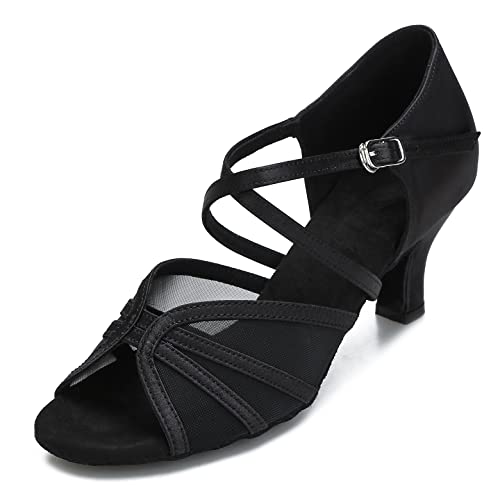


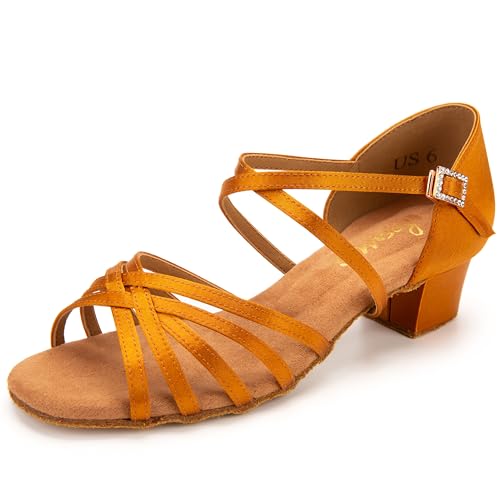


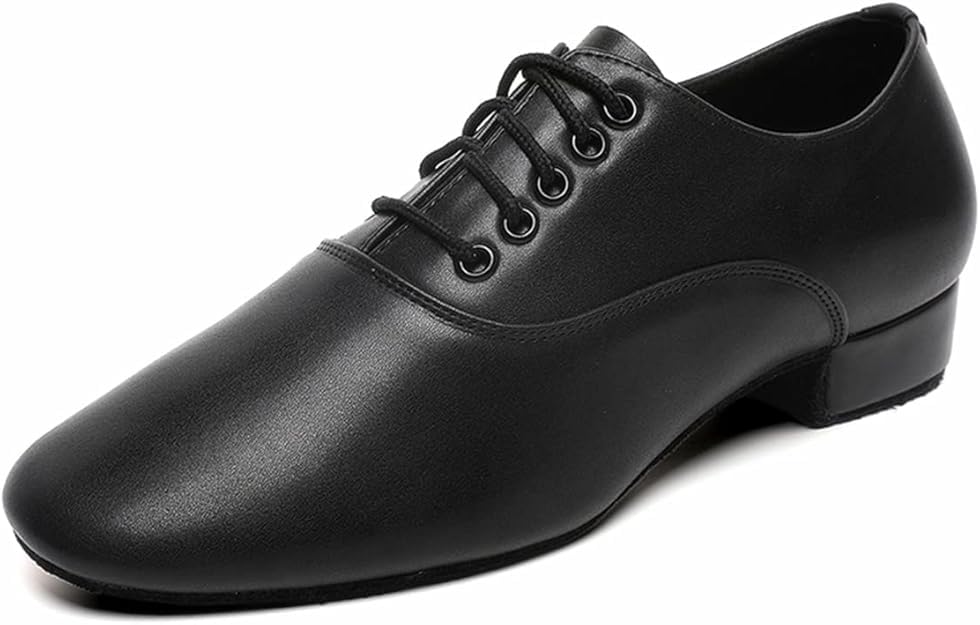


Ballroom covers many dances, including waltz, tango, foxtrot, cha cha, rumba, and jive. Each style rewards slightly different shoes, so your main dances should guide the choice.
Note which dances you take most before you shop. A waltz focused dancer needs different shoes from a cha cha focused dancer, and your class schedule reveals priorities better than generic advice.
Latin and Standard Shoe Differences
Latin shoes usually have open toes or flexible designs, higher heels for followers, and supple soles that support pointed toes and hip movement. They prioritize freedom and floor feel over maximum stability.
Standard shoes usually have closed toes, lower and broader heels, and firmer support for long glides and rise and fall. They prioritize smooth travel and balance during waltz, foxtrot, and quickstep.
Leaders often choose lower heels and sturdier soles for grounding and partnering, while followers choose heel heights that suit their balance and dance level. Beginners should start lower and build height gradually as strength improves.
Heels, Soles, and Fit
Heel height affects balance, calf load, and posture. A heel that feels fine for one dance may tire you during a full evening, so test shoes with actual dance movement, not only standing still. Bring your dance socks and try turns, walks, and basic patterns.
Suede soles offer controlled slide on wooden floors, while leather soles slide more freely. Suede needs brushing to maintain grip, and it wears faster on rough floors. Check your studio floor type before choosing, since dusty floors change grip noticeably.
Fit should feel snug without pinching toes or squeezing the forefoot. Dance shoes stretch slightly with wear, but they should not start painfully tight. Check heel hold during spins, and ensure straps or laces stay secure without cutting circulation.
A guide to best ballroom dance shoes for beginners helps new dancers choose forgiving first pairs, while best ballroom dance shoes for wide feet covers wider lasts. For general dance footwear, best dance shoes compares styles, and best tap dance shoes covers a very different sole need. For fitness dance, best shoes for zumba dance focuses on impact and grip.
Foot Care and Injury Awareness
Stop and rest if you feel sharp foot, ankle, or knee pain, repeated ankle rolling, or numbness during dancing. Ballroom loads feet heavily during turns and rises, and pushing through sharp pain can turn a strain into a longer injury.
Warm up ankles, calves, and hips before social dances and competitions. Build heel height gradually, strengthen ankles and calves, and alternate practice shoes with street shoes during long rehearsals when possible.
Talk with your clinician if pain persists, swelling appears, or you have a foot condition such as bunions, plantar fasciitis, or flat feet. A clinician or dance medicine specialist can advise on support, heel height, and training load.
Break In, Care, and Value
Break in new dance shoes gradually with short practice sessions, not a full competition day. Brush suede soles lightly, air dry shoes after use, and store them with shoe trees or stuffing to hold shape.
Prices for ballroom dance shoes commonly range from about $40 to $150. Midrange shoes often offer the best balance of sole quality, strap security, and durability for regular social dancers.
A common mistake is buying street shoe size without checking dance fit, since dance lasts run differently. Another is choosing maximum heel height before building ankle strength. Fit for movement, and grow heel height with experience.
A Final Check Before You Order
Dance in finalists during a real class or social, not only at home on carpet. Studio floors, partner work, and turns reveal fit and grip issues that home try ons hide completely.
Check heel stability during spins and rises, since a heel that wobbles during turns undermines confidence and technique. Stable heels matter more than height for most social dancers.
Bring the socks or stockings you dance in to fittings. Foot coverings change fit and friction noticeably, and a shoe fitted with wrong socks may pinch or slip during actual dancing.
Break in shoes gradually across several short sessions, and brush suede soles between sessions. Gradual break in molds uppers to your feet without creating blisters before an important dance.
Keep a practice pair for rehearsals and a good pair for socials and competitions when budget allows. Practice wear preserves good shoes, while good shoes stay fresh for occasions that matter.
Ask your teacher about heel height and sole type for your level. Teachers see how shoes affect posture and movement, and their advice often prevents costly mistakes for beginners.
Frequently Asked Questions
Should beginners choose Latin or Standard shoes first?
Choose based on the dances you learn first. Latin classes suit flexible Latin shoes, while Standard classes suit closed toe Standard shoes. If you learn both, start with the style you dance most, then add the other pair as you progress.
How high should my ballroom heel be?
Beginners often start with lower heels, around one to two inches, and build height as balance and calf strength improve. Higher heels change posture and load, so increase gradually and test during full practice sessions, not only brief try ons.
How do I care for suede soles?
Brush suede soles with a wire dance brush to restore grip, and keep them dry and clean. Avoid dancing on wet or gritty floors, which wear suede quickly. Replace soles or shoes when grip becomes uneven or the suede wears through.
Can I wear ballroom shoes outdoors?
Avoid outdoor use when possible, since pavement, grit, and moisture damage suede soles and uppers quickly. Carry dance shoes in a bag and change at the studio. Outdoor practice suits a separate pair of practice shoes, not your good dance pair.
How should ballroom shoes fit compared with street shoes?
Dance shoes should feel snugger than street shoes, with no heel slip during turns and no toe pinching during rises. They stretch slightly with wear, so a very tight first fit may ease, but a painful fit rarely becomes comfortable. Test with dance movement before deciding.
How do I know when dance shoes need replacing?
Replace dance shoes when suede wears through, soles lose grip unevenly, straps stretch, or uppers lose shape. Worn shoes slip, pinch, and strain feet, while fresh soles restore controlled slide. Regular dancers often replace shoes yearly, depending on frequency.
Can I dance in regular dress shoes?
Regular dress shoes can work for a casual social dance, but their soles often grip too much or too little for turns, and their fit rarely supports dance movement. Dedicated dance shoes offer controlled slide, flexible soles, and secure straps that dress shoes lack. Occasional dancers can start in dress shoes, then upgrade as dancing grows serious.
Final Thoughts
best ballroom dance shoes should match your dance style, your level, and your floor. Heel height, sole type, and snug fit matter more than fashion or brand.
Use the product table above to compare styles and fits, then test finalists with real dance patterns. The right pair helps you glide, turn, and enjoy every dance with confidence.
Trust comfort during real dancing over first impressions in the shop. A pair that feels invisible after an hour of dancing is the right pair, regardless of price or style.