Best Ballroom Dance Shoes for Beginners: Our 2026 Checklist for a Confident First Pair
Disclosure: We may earn a commission when you buy through links on this page, at no extra cost to you. As an Amazon Associate I earn from qualifying purchases. Learn more

Use this buying guide to choose the best ballroom dance shoes for beginners by heel height, fit, sole type, and strap security for first lessons.
Your first pair sets the tone for your first months of lessons, and the wrong heel or sole can make simple steps feel much harder than they are. This checklist will help you find the best ballroom dance shoes for beginners by judging fit, stability, and floor feel before you pay for style details you may not need yet.
We score every option against the same beginner focused criteria below, so you can compare pairs fairly even when listings use vague language. Start with the comparison table below, then run your short list through each check in order.

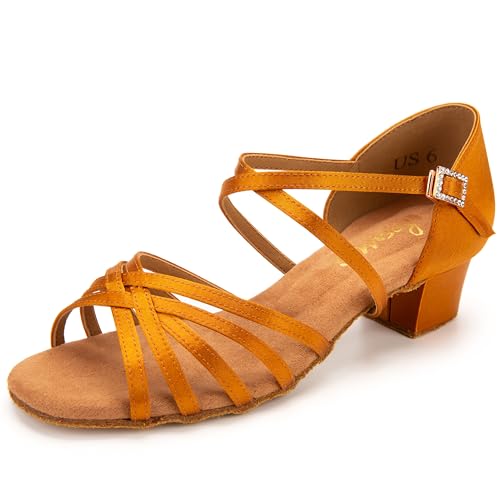


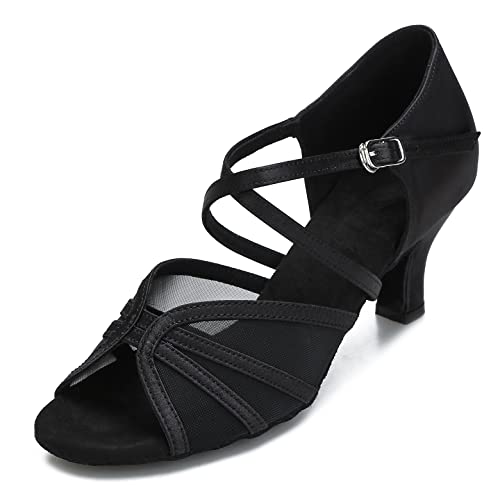

How We Evaluate Ballroom Dance Shoes
Think of this section as a scorecard you can use in a shop or at home with a tape measure and a mirror. A good beginner shoe does not need the highest score on every line. It needs no weak score on fit, stability, or sole, because those three decide whether you can learn steps safely and repeat them without sore feet.
Beginner Friendly Features That Matter
Look for simple, secure fastenings you can adjust quickly between dances, such as a single strap with a firm buckle or a lace front that stays tied. Clear sizing charts, a stated heel height in inches, and a stated sole material are good signs that a seller expects beginners to compare carefully. Avoid shoes that need complex adjustments, glued on extras, or special tools before your first lesson.
Fit, Sizing, and Toe Box
Try shoes on later in the day and in the thin socks or dance hosiery you plan to wear. Your toes should reach near the end without pressing hard, and the toe box should hold your forefoot without squeezing the sides or letting your foot slide forward into the front. Many dancers size down slightly from street shoes for a close dance fit, but your toes must still lie flat and move a little.
A practical know how test is to stand, rise onto the balls of your feet, and take ten slow walking steps. If your heel slips out, the strap cuts in, or your toes jam forward on each step, change size or shape before you blame your technique.
Upper Materials and Breathability
Satin is the classic ballroom look and feels smooth, but it shows scuffs quickly and offers little stretch. Leather and soft synthetic uppers usually forgive a wider forefoot and clean up more easily after practice sessions. Mesh panels and open sides improve airflow during long social dances, yet they give less structure, so beginners who need support often do better with a mostly closed upper at first.
Waterproofing (Gore Tex and Membranes)
You do not need waterproofing in a ballroom shoe, and a membrane lining would only trap heat on the dance floor. Ballroom shoes are indoor shoes with suede soles that must stay dry, because water ruins the nap of the suede and makes the sole slick in the wrong way. Save waterproof features for your street shoes, carry your dance pair in a dry shoe bag, and change into them after you arrive at the studio.
Cushioning and Support
A thin cushioned insole under the ball of the foot helps during hour long lessons, especially on hard wood floors. You still want to feel the floor clearly, so skip thick, spongy padding that dulls your balance and makes pivots feel vague. Arch support should feel gentle and centered. If you use orthotics or have ongoing foot, ankle, or knee pain, talk with your clinician about whether dance heels are right for you before you buy.
Outsole Traction and Terrain
For ballroom, the right outsole is almost always suede leather, which grips enough to stop a slide but still lets you turn without twisting your knee. Rubber soles grip too much for smooth pivots, and hard leather soles can feel dangerously slick on polished floors. Your terrain is a clean indoor floor only, so never wear suede soles outside, where grit and moisture will flatten the nap and shorten the life of the shoe.
Break In Period and Comfort Out of the Box
A good beginner pair should feel snug but danceable in your first lesson, with no sharp seams or stiff edges digging in. Leather uppers soften over two to three weeks of regular practice, while satin changes very little, so satin must fit well from day one. If a shoe needs painful blisters to become wearable, the shape is wrong for your foot, and no amount of patience will fix that.
Once you understand the scorecard, it helps to see how beginner needs differ from experienced dancers. Our overview of the best ballroom dance shoes covers the wider range, including higher heels and more flexible builds that make sense later in your training.
3 Price Tiers That Pass Our Checklist
Instead of naming individual pairs, use the tiers below to judge any shoe in the product table above. Each tier can pass the checklist if the fit is right. What changes with price is usually material quality, finishing, and how long the shoe keeps its shape under regular use.
Best Overall Tier
For most beginners who plan two or more lessons a week, the midrange tier around $70 to $130 is the sensible overall choice. At this level you can expect a real suede sole, a stable heel in the height you chose, neat stitching, and an insole with light cushioning. The main limit is that sizing still runs narrow in many styles, so wide feet may need to search longer within this tier.
Best Value Tier
Budget pairs around $40 to $70 suit dancers testing whether ballroom is for them or attending one social dance a week. You still get a suede sole and a secure strap in the better options, which covers the core checklist. The trade off is thinner uppers, less even finishing, and heels that may feel less steady, so inspect the heel attachment closely and keep your receipt until after your first lesson.
Best for Heavy Use Tier
If you practice most days or join a formation team early, pairs around $130 to $200 earn their cost through stronger heel construction, better leather, and soles that hold up to daily brushing and rotation. This tier also tends to offer more width and heel shape options. The limit is simple value: heavy use features are wasted if your feet change size or you switch dance styles within a few months.
Quick Buyer Checklist
- Is the heel height stated clearly, and is it a height your teacher approves for your level?
- Is the sole suede leather made for indoor floors, not rubber or hard street leather?
- Do your toes lie flat with no hard pressure at the front or sides?
- Does the strap or lace hold your heel in place when you rise and turn?
- Can you feel the floor through the insole while still getting light cushioning?
- Is the width right for your foot, with no pinching and no loose sliding?
- Does the seller state materials, sizing guidance, and a clear return policy?
If you answered no to any of the first five questions, keep looking. The last two protect your wallet if a promising pair turns out to be wrong in person. If width is your recurring problem, see our guide to the best ballroom dance shoes for wide feet for fitting tactics made for broader forefeet.
Red Flags to Watch For
- Vague listings that hide heel height, sole material, or upper material behind words like premium or professional.
- Soles described only as anti slip with no mention of suede, which often means a street shoe sole that will grip too hard for turns.
- No size chart, no width options, and no return window for a first pair you cannot try in a shop.
- Heels that feel loose, uneven, or glued with visible gaps when you flex the shoe gently by hand.
- A flood of glowing comments that never mention fit, sizing, or dance style, which tells you little about real lesson use.
Care and Maintenance Tips
Brush suede soles with a clean wire suede brush after each session to lift the nap and restore the right level of glide. Air dry shoes away from direct heat, loosen straps before storing, and keep them in a breathable shoe bag. Rotate two pairs if you dance on back to back days, and never wear your dance shoes outdoors, even for a short walk across a parking lot.
Ballroom Dance Shoes: Your Questions Answered
What makes ballroom dance shoes for beginners different?
Beginner ballroom shoes differ mainly in heel height, stability, and forgiveness of fit. Lower, sturdier heels and a secure strap help you balance while steps are new, and a suede sole scaled for learning lets you turn without sticking. Styles for advanced dancers often use higher, slimmer heels and more flexible shanks that demand strength and control you build over time.
Are expensive ballroom dance shoes worth it?
Expensive ballroom shoes are worth it when you dance often enough to use the better materials and construction. Higher prices can buy steadier heels, smoother interiors, and soles that last through daily practice. If you attend one class a week, a well fitting midrange pair will teach you the same steps, and the money saved can go toward lessons instead.
How should ballroom dance shoes fit?
Ballroom dance shoes should fit closely, with toes near the end, no heel slipping, and no pinching across the forefoot. A dance fit is closer than a street shoe fit because your foot must move as one with the shoe during turns. Try a half size change before adding thick inserts, since extra padding inside a close shoe usually makes pressure worse.
Can I wear ballroom dance shoes all day?
No, ballroom dance shoes are not made for all day wear or outdoor walking. Suede soles pick up grit and water, and even a modest heel tires your calves and arches during long standing. Wear them for lessons, practice, and social dances, then change into supportive street shoes. Your feet and your soles will both last longer that way.
How often should I replace my ballroom dance shoes?
Replace ballroom shoes when the heel feels unsteady, the upper stretches so much that your foot slides, or the sole stays flat and slick after brushing. For many beginners dancing twice a week, that point arrives after about a year of use, sooner with daily practice. A shoe that changes how you balance is already past its useful life, even if it still looks tidy.
Final Thoughts
Put fit, a true suede sole, and a teacher approved heel height at the top of your list, and let price tier follow your weekly schedule. Run every candidate through the checklist, watch for the red flags, and compare your short list in the product table above. With those checks done, you can choose the best ballroom dance shoes for beginners with confidence and get back to learning the steps. If you later branch into other styles, our roundup of the best dance shoes is a useful next read.