Best Ballet Slippers for Narrow Feet: Every Type Explained Side by Side for 2026
Disclosure: We may earn a commission when you buy through links on this page, at no extra cost to you. As an Amazon Associate I earn from qualifying purchases. Learn more

Ballet slippers for narrow feet compared by type, price and fit so a slim foot stays secure through turns.
Standard ballet slippers are cut for average width feet, so on a narrow foot they gap at the sides, wrinkle across the top, and slip at the heel during turns. This guide to the best ballet slippers for narrow feet compares the main types side by side and explains the fit details that keep a slim foot secure without squeezing it.
The comparison table below is a quick starting point, but width labels vary between makers, so the fit sections after it matter just as much. A slipper marked narrow from one brand can fit like a standard width from another, and knowing how to test the fit saves you returns and sore feet.
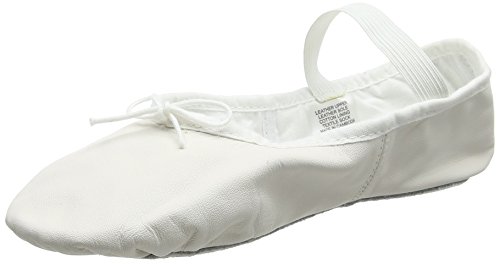


Types of Ballet Slippers Compared
Three types dominate the market, and each interacts with a narrow foot differently. Prices below are typical ranges for adult sizes, and student models often cost a little less.
Full Sole Leather Slippers
A full sole slipper has one continuous piece of suede or leather under the whole foot, usually paired with a leather upper. Prices run about $20 to $35. The firm sole gives a narrow foot welcome structure, because the shoe holds its shape instead of collapsing around a slim foot, and it builds foot strength in younger and newer dancers. The trade off is flexibility. The sole resists pointing at first and needs break in time before it molds. Choose this type for beginners, children, and anyone who wants the shoe to add shape and support to a narrow foot.
Split Sole Canvas Slippers
A split sole slipper has separate sole patches under the heel and the ball of the foot, with soft canvas between them. Prices run about $18 to $30. The design hugs the arch closely, which flatters a narrow foot and shows the line of the foot beautifully, and canvas grips less than leather, so turns feel smoother. The risk for narrow feet is looseness, because soft canvas offers little structure and a size that is even slightly large will bag and twist. Choose this type if you size carefully and value a close arch fit, and consider it the most common choice for intermediate dancers.
Stretch Canvas Slippers With Pre Sewn Elastics
Stretch canvas models use elastic woven fabric that clings to the foot like a sock, and many come with elastics already sewn in place. Prices run about $22 to $38. For narrow feet this is often the easiest fit of all, because the fabric contracts around a slim shape with no gaps at the sides and no drawstring needed. The downside is durability and support. Stretch fabric wears thinner faster than leather, and the soft build gives little protection on rough floors. Dancers who struggle with standard widths often start here, and readers comparing width options across footwear may also find our guide to the best slippers for narrow feet useful for everyday shoes at home.
Full Sole vs Split Sole: Which Should You Choose?
Compare these two classic builds on the points that matter for a slim foot. For security, the full sole wins early on, because its structure stops a narrow heel sliding inside the shoe. For arch contact, the split sole wins, since the soft middle lets the shoe follow a pointed foot without folding. For break in, the split sole feels good sooner, while leather full soles need several classes to mold. For strength building, teachers often prefer full soles for students, because the foot works harder against the resistance. For cost, both sit in a similar range, so price should not drive this choice. A practical path for many narrow footed dancers is a full sole while learning, then a split sole or stretch canvas once basic technique and sizing feel familiar.
How to Choose the Right Ballet Slipper
Sole Material and Floor Grip
Sole material changes how the slipper slides and grips on studio floors. Suede soles give moderate grip and a smooth feel for turns, and they suit most marley and wood floors. Leather uppers with suede soles are the traditional pairing and wear the longest. Very worn soles turn slick and should be replaced, because slipping in class causes falls and twisted ankles. If your studio floor is unusually sticky or rough, tell your teacher what you are considering, since studios sometimes prefer one material for floor care and safety.
Weight and Flexibility
Ballet slippers are all light, so the real question is how the shoe bends. A flexible shoe lets a narrow foot point fully and feel the floor, which helps balance and articulation. A stiffer shoe protects and shapes the foot but can fight you during rises until it breaks in. For narrow feet, flexibility has a hidden benefit. A shoe that bends easily wraps a slim foot instead of standing away from it in stiff folds. Test flexibility by pointing the shoe in your hand. It should fold at the arch without cracking or staying flat.
Features That Matter for Narrow Feet
Narrow feet need specific features, not just a smaller size. Look for a stated narrow width option, because a true narrow cut removes volume all around the shoe, while sizing down only shortens it and cramps the toes. An adjustable drawstring helps fine tune the top line, and elastic that crosses over the instep holds a slim heel better than a single straight band. A tapered toe shape suits narrow feet, while a wide square toe box leaves dead space that wrinkles. Dancers at the opposite end of the fit range face the mirror image problem, covered in our guide to the best ballet slippers for wide feet.
Moisture, Heat, and Comfort in Class
Waterproofing is not a ballet concern, but moisture control is, because feet sweat heavily in class and damp shoes stretch and slip. Canvas breathes better than leather and dries overnight, which keeps the fit consistent for narrow feet that cannot afford extra looseness. Leather absorbs sweat and can stretch over time, so leather shoes that fit perfectly in week one may feel loose by month three. Rotating two pairs helps both materials dry fully between classes. If your feet change size during long rehearsals due to swelling, fit new shoes in the evening after activity, when your feet are at their largest.
Fit, Sizing, and Toe Box
Street shoe size is only a rough starting point, because ballet sizing often runs one to two sizes different from regular shoes and varies by maker. Your toes should lie flat and reach the end of the shoe without curling, and you should feel no gap at the heel when you point. For narrow feet, check the sides while standing flat. Material that pouches out at the sides means too much volume, even if the length is right. Growing children need room checked every few months, and adults whose weight or training changes should recheck fit each time they replace a pair. Women comparing width fits across brands may also like the sizing notes in our guide to the best women's slippers for narrow feet.
Choosing Ballet Slippers for Your Situation
Narrow Heels Slipping Out
If your main problem is a narrow heel slipping out during turns and jumps, focus on three points. First, choose crossed elastics sewn close to the heel, because they pull the shoe into the narrowest part of your foot. Second, prefer stretch canvas or a drawstring style you can tighten at the top line. Third, check that the heel sole patch sits centered under your heel, not wandering to one side. A heel grip pad inside the shoe is a cheap fix for a pair that fits well everywhere else.
Tips to Get the Most From Your Ballet Slipper
- Break new shoes in gradually. Wear a new pair for part of a class before relying on it for a full rehearsal, so stiff leather molds without raising blisters.
- Air dry after every class. Pull the shoes out of your dance bag the same evening and let them dry fully, away from direct heat, which keeps the fit snug and slows odor and material breakdown.
- Rotate two pairs if you dance often. Alternating pairs gives each one a full day to dry and recover its shape, and narrow feet feel the difference because damp stretched shoes fit looser.
- Check elastics and drawstrings weekly. A loose elastic on a narrow foot quickly becomes a lost shoe in class, and restitching early is far easier than replacing the whole pair.
One safety note applies to every dancer. Foot pain that lingers between classes, sharp pain in the toes or heel, or repeated ankle rolls are signs to rest and talk with a doctor or physical therapist, not problems a new shoe can fix. Our broader guide to the best ballet shoes covers general fit basics if you are buying for a whole class or family with mixed foot shapes.
Ballet Slippers: Your Questions Answered
What features matter most in ballet slippers for narrow feet?
A true narrow width cut, crossed elastics, and an adjustable drawstring matter most. Together they remove excess volume and lock the heel, which a smaller length alone cannot do. Stretch canvas is the most forgiving material if you cannot find a stated narrow width in your size, because it contracts around the foot instead of holding a fixed wider shape.
Do I need waterproof shoes for ballet?
No, ballet slippers are indoor shoes and waterproofing plays no role in class. What matters instead is how the material handles sweat. Canvas dries fast and keeps its fit, while leather absorbs moisture and slowly stretches. If you walk between studios in rain, carry your slippers in a bag and wear street shoes outside, which protects both the soles and the studio floor.
Are expensive ballet slippers worth it?
For narrow feet, a mid priced pair with a genuine narrow cut is usually worth more than a costly standard width pair. Extra money mainly buys better leather, cleaner stitching, and pre sewn elastics, which save time and improve fit consistency. Very cheap pairs often skip narrow sizing entirely and use stiff synthetic uppers that neither mold nor breathe, so most dancers are better served in the middle range.
How often should I replace my ballet slippers?
Replace them when the sole wears smooth, the upper stretches so the heel slips even with tight elastics, or holes appear at the toes. Dancing several classes a week, that often means every few months for canvas and somewhat longer for leather. A shoe that no longer fits snugly is a safety issue for narrow feet, because a loose shoe can catch or twist during turns.
How should ballet slippers fit?
They should fit like a firm sock, with toes flat and touching the end, no heel gap when you point, and no pouching at the sides when you stand. You should be able to do a demi plié without toes curling or the heel lifting out. Fit them in the evening or after class if possible, because feet swell with activity and a morning fit can turn painfully tight by rehearsal time.
How long is the break in period for ballet slippers?
Canvas and stretch styles feel right almost immediately and settle fully within one or two classes. Leather full sole shoes take longer, often three to five classes, as the sole molds to your arch. Gentle flexing by hand and wearing them around the house in short sessions speeds the process. Pain or blisters that persist past the first week point to a fit issue rather than normal break in.
The Bottom Line
For a narrow foot, the winning formula is a true narrow cut or stretch fabric, crossed elastics that hold the heel, and a length that lets your toes lie flat. Choose the sole type for your level, full sole for structure and learning, split sole or stretch canvas for a close arch fit. Set your shortlist against the product table above, and the best ballet slippers for narrow feet for your classes will be the pair that stays put through every turn.