Best Ballet Pumps for Walking: A Clear Buying Guide for 2026
Disclosure: We may earn a commission when you buy through links on this page, at no extra cost to you. As an Amazon Associate I earn from qualifying purchases. Learn more

Ballet pumps for walking need cushioning, grip and a secure heel. See what to check on insoles, soles, toe shape and fit.
Ballet pumps, also called ballet flats, look light and simple, but walking in them for hours asks more of a shoe than a trip to a dinner table does. The best ballet pumps for walking pair a flat, flexible shape with real cushioning, a grippy outsole and a fit that keeps your heel from slipping out with every step.
This guide explains what to check on a pair meant for commuting, errands and travel days: insole padding, sole grip, arch and toe room, materials, and sizing. The product table shows current options, and the sections below help you choose among them.


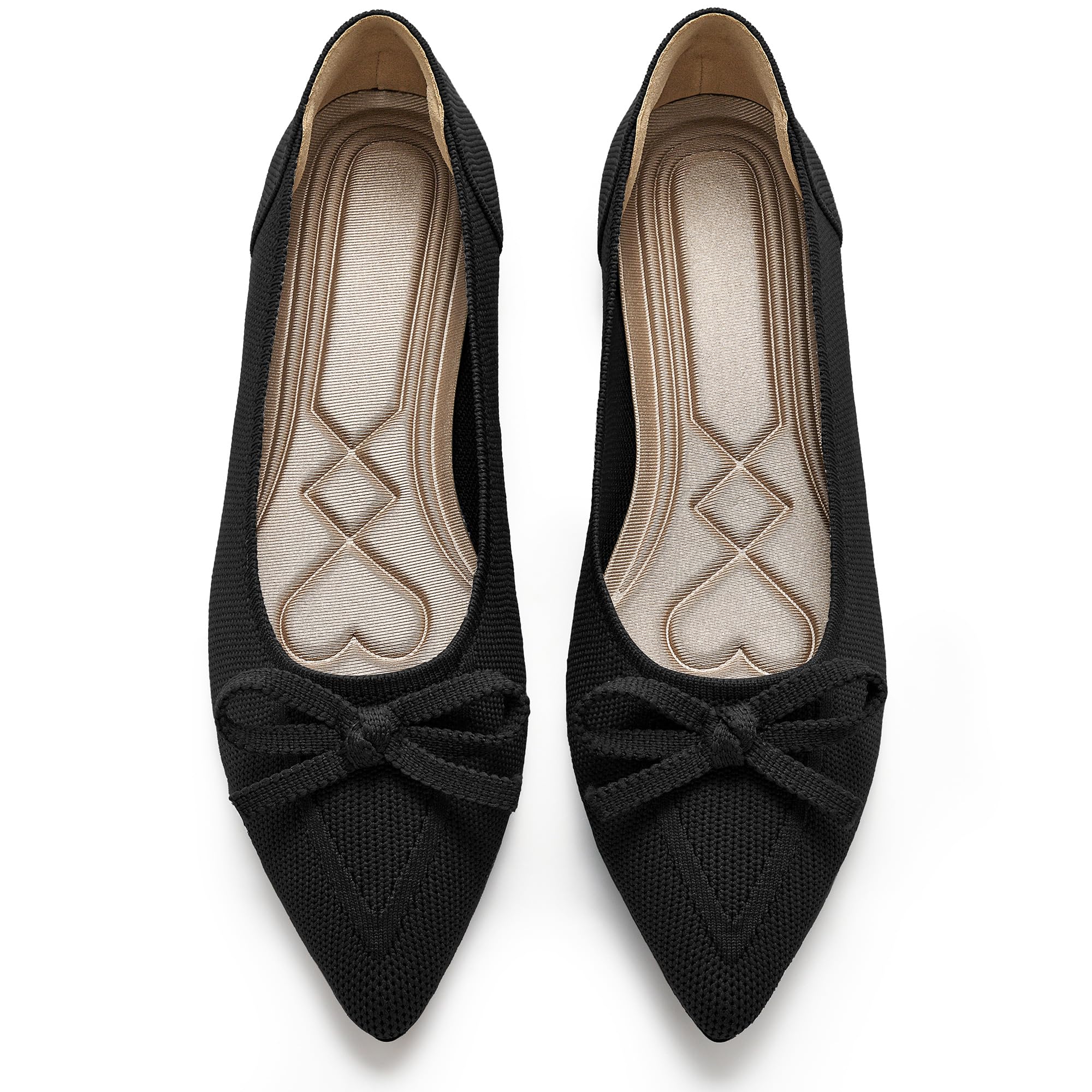
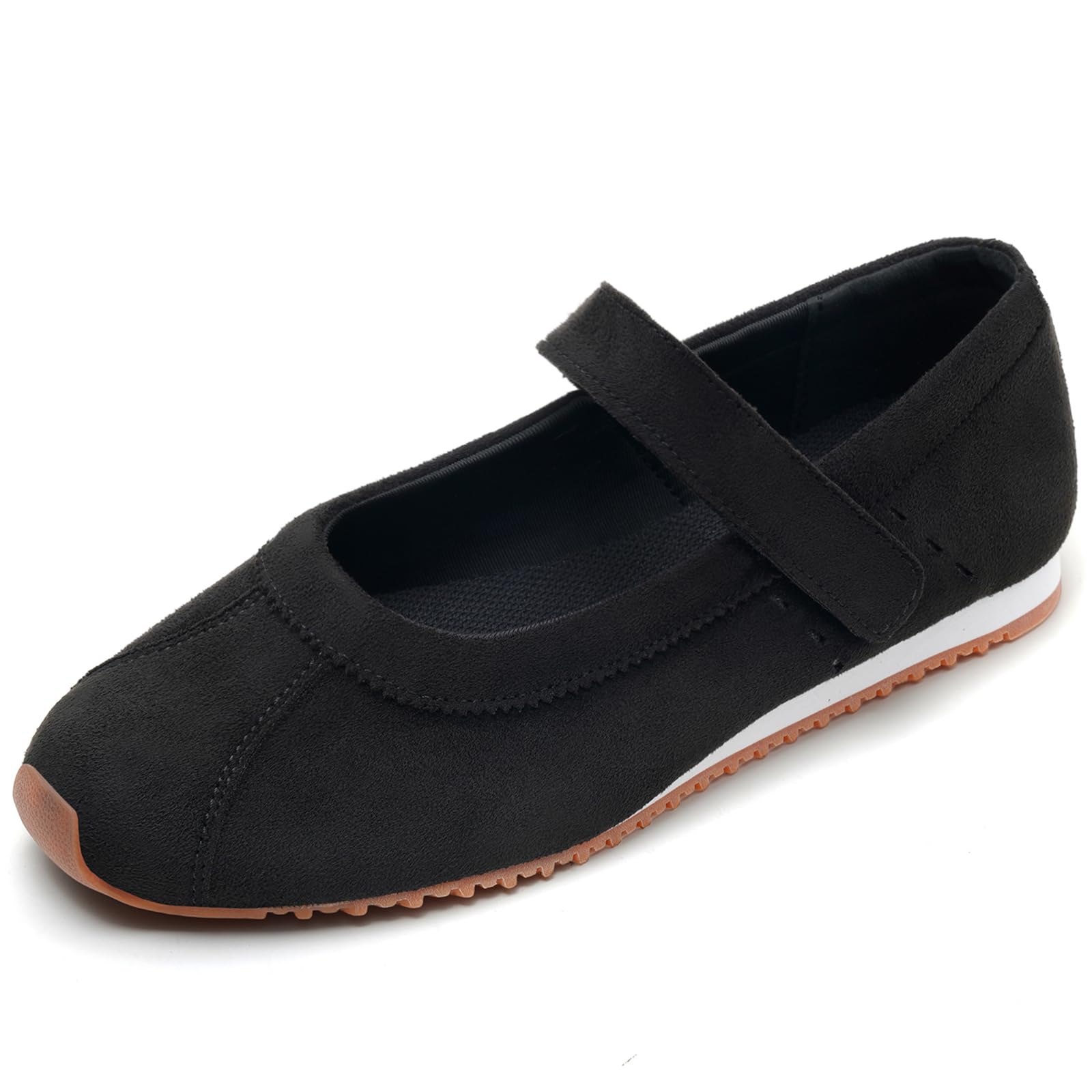

What Makes Ballet Pumps Good for Walking
A classic ballet flat has almost no structure, which is why it is comfortable for an hour and tiring by the afternoon. Walking-friendly pairs keep the look but add a padded footbed, a firmer heel counter and a rubber outsole, so your foot is supported without the shoe feeling like a sneaker.
Think about your typical day. A ten-minute walk from the train needs very little, while a day of sightseeing or a shift on your feet calls for thicker foam, a wider toe box and a sole that does not wear through in months.
Key Features to Compare
Cushioning and Insole
Memory foam or layered foam insoles absorb impact on hard pavement. A removable insole is a bonus, because you can swap in your own supportive insert if you need more arch support. Very thin insoles make a flat feel fine in the shop and sore after a mile.
Outsole Grip and Flexibility
A thin rubber outsole with light tread grips wet sidewalks far better than smooth synthetic or leather soles. The sole should bend at the ball of the foot but resist twisting in the middle. Fold a pair in half in your hands: if it collapses completely, it will not support a long walk.
Fit, Toe Box and Heel Grip
Pointed toes look elegant but squeeze toes over distance, so a round or softly almond toe is usually more comfortable for walking. The heel edge should hold your foot without rubbing, since a gap at the back is the usual cause of blisters. Wide-width options exist and are worth choosing if your forefoot is broad.
Materials and Breathability
Knit and mesh uppers breathe and stretch to the foot, which helps in warm weather. Faux leather and suede-style uppers look more polished for work but trap more heat. Lined interiors with a soft fabric reduce rubbing, especially when you wear them without socks.
Foldable and Travel Styles
Foldable flats roll into a small pouch and suit a commute or a trip, but their thin soles are best for short distances. Pick a standard cushioned style for days with a lot of walking and keep the foldable pair for backup.
Types Compared
| Type | Strength | Watch out for |
|---|---|---|
| Cushioned work flat | Padded insole, non-slip sole | Can feel bulky under a dress |
| Knit slip-on flat | Light, flexible, breathable | Less structure on long days |
| Foldable flat | Packs flat in a bag | Thin sole, short distances only |
| Mary Jane style | Strap holds the heel better | Fewer width choices |
How to Choose the Right Pair
Measure your feet in the afternoon, when they are slightly larger, and compare the length with the size chart rather than relying on your usual size. If you fall between sizes, choose the larger one and add a thin insole if the heel gaps. Walk on a hard floor, not just carpet, when you try them on at home, and keep the tags on until you are sure.
Break in new flats with short outings first. A pair that rubs in the first hour will usually rub for good, so exchange it early. If you have ongoing foot pain, numbness or swelling, talk with a clinician before you rely on any flat shoe for long walks.
Where Ballet Pumps Work Best for Walking
Ballet pumps suit city streets, offices, airports and indoor venues, where surfaces are even and dry. They are a poor match for steep hills, uneven trails, long cobbled streets or wet pavement without a grippy sole, because a flat, flexible shoe gives little protection from impact or stones.
For a day that mixes walking with sitting, such as a commute followed by office hours, a cushioned flat with a secure heel is a good compromise. For a full day of sightseeing, bring a more supportive shoe as well and swap during the day, since changing shoes rests different parts of the foot and reduces the chance of blisters.
Socks matter too. Many wearers go sockless in flats, which increases rubbing at the heel, so look for a soft lining or use thin no-show liners that stay put. In warm weather, a breathable knit upper keeps feet drier and cuts down on friction.
Common Mistakes to Avoid
- Choosing a pair for looks alone and finding the sole too thin for pavement.
- Buying a pointed toe in your usual size, which pinches over distance.
- Ignoring a loose heel until it creates blisters.
- Wearing the same pair every day, which flattens the foam sooner. Rotate two pairs if you can.
- Skipping the return policy when buying shoes online.
Care and Replacement
Air the shoes out after wear, wipe the uppers with a damp cloth, and follow the care label before washing knit pairs. Replace them when the insole stays flat, the tread is smooth or the heel counter collapses, because worn flats stop absorbing impact and can leave your feet aching.
Frequently Asked Questions
Can ballet pumps be comfortable for all-day walking?
Yes, if they have a cushioned insole, a rubber outsole and a fit that holds the heel. Thin fashion flats are better kept for short distances.
Do ballet pumps give enough arch support?
Most have little arch support. Choose a removable insole so you can add a supportive insert if your arches tire.
How should ballet pumps for walking fit?
Snug at the heel, relaxed across the toes, and with a thumb's width of room at the front. Your foot should not slide when you walk quickly or climb stairs.
How often should I replace walking flats?
Daily walkers often need a new pair every six to twelve months. Replace them sooner if the sole is smooth or the cushioning no longer springs back.
Final Thoughts
Choose padding, grip and a secure heel over decoration, and match the toe shape to your foot. Use the product table above to compare current pairs, and the best ballet pumps for walking will be the ones you forget you are wearing by the end of the day.