Best Balcony Planters Made Simple: A Clear Buying Guide for 2026
Disclosure: We may earn a commission when you buy through links on this page, at no extra cost to you. As an Amazon Associate I earn from qualifying purchases. Learn more

Shopping for the best balcony planters for the first time? Learn the terms, compare options, and avoid rookie mistakes with this easy guide.
Buying your first balcony planter sounds simple until you face railing widths, drainage choices, weight limits, and a wall of materials at the store. The best balcony planters for a sunny rail with herbs are different from the right choice for a shaded floor corner with a small tree, and the wrong size can stress both your plants and your balcony.
This guide starts with the basics in plain language, explains the specs that actually matter, and shows the mistakes first time buyers make most often. Use the comparison table below to spot the main styles, then work through the sections in order.





Balcony Planters 101: The Basics
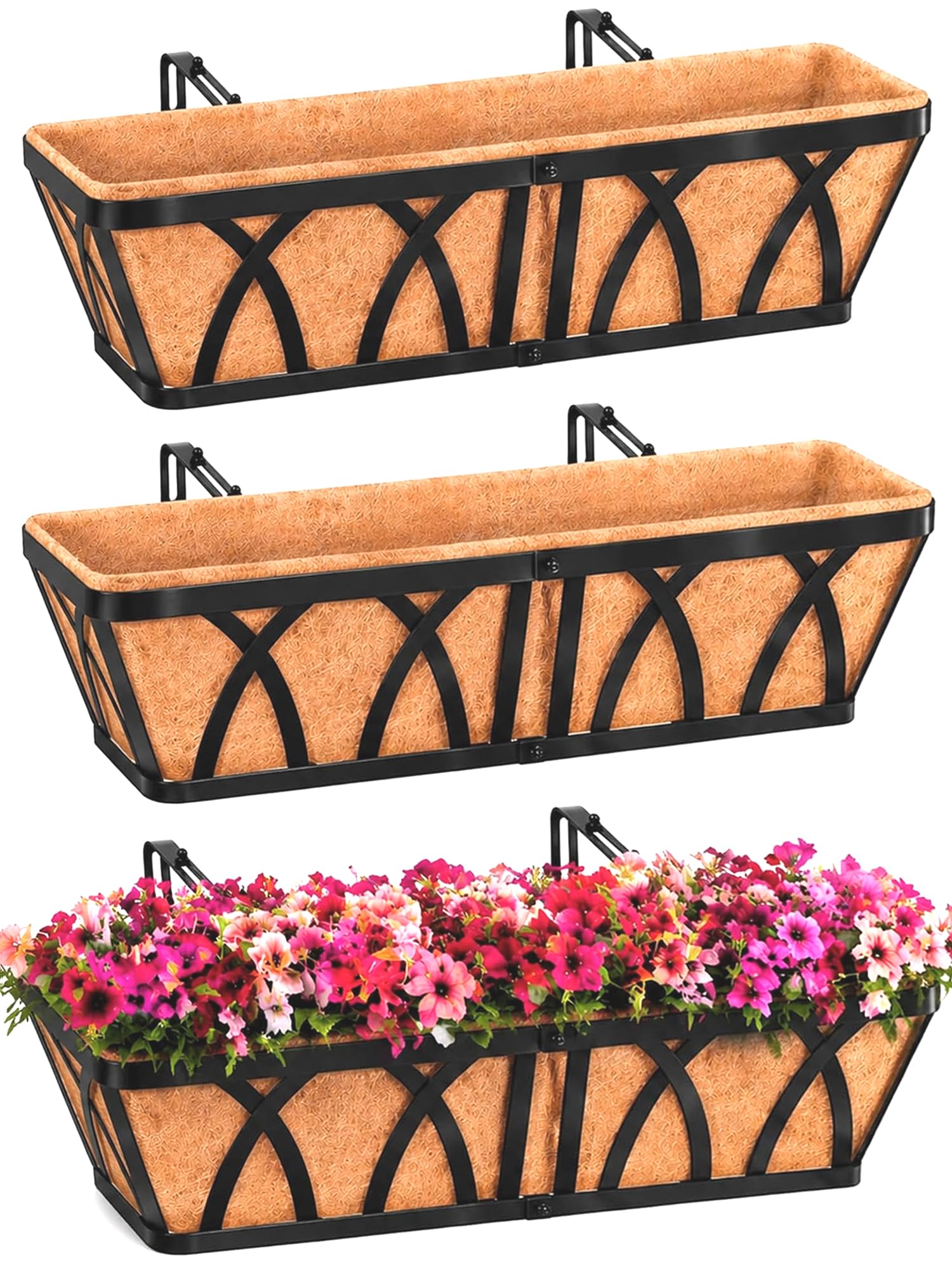
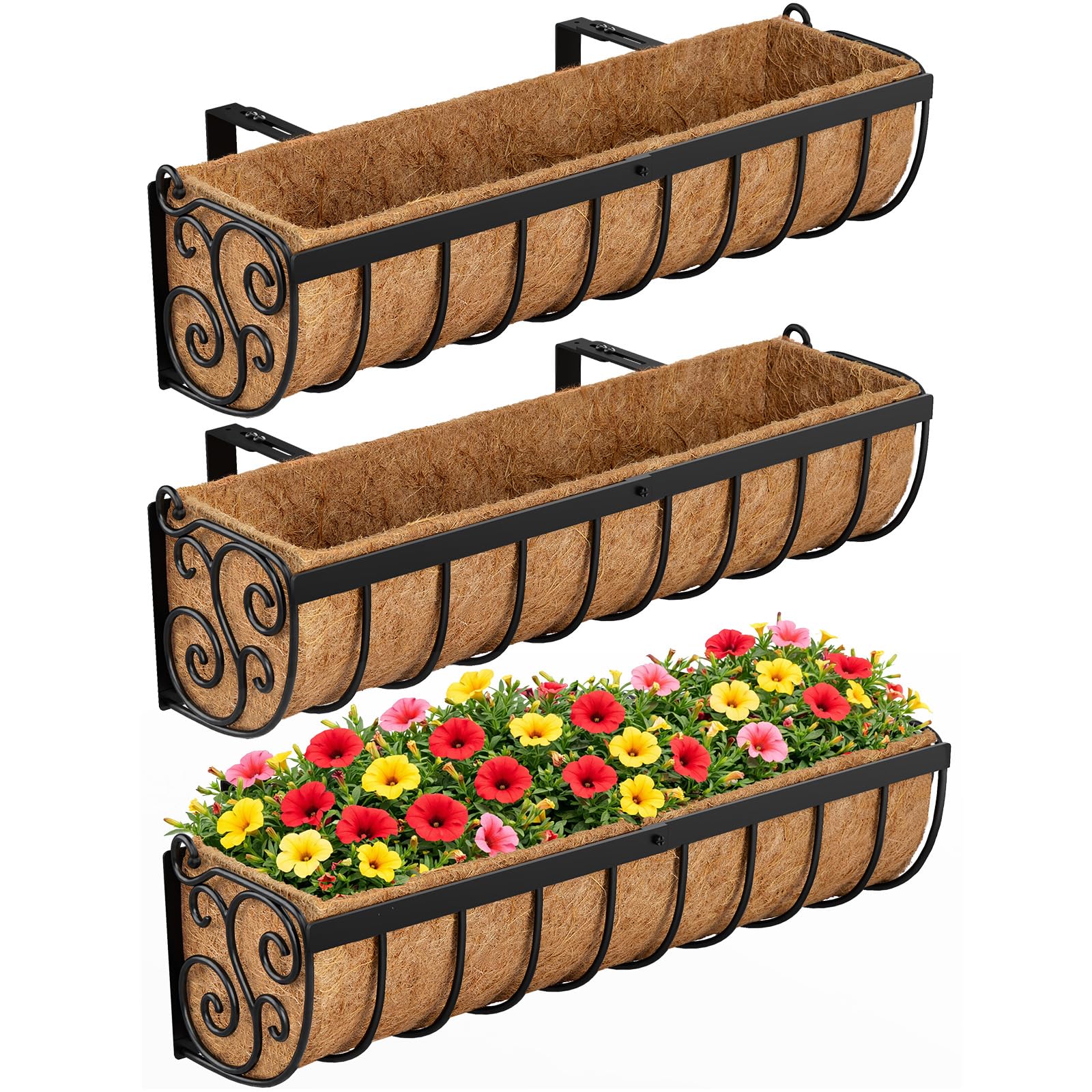
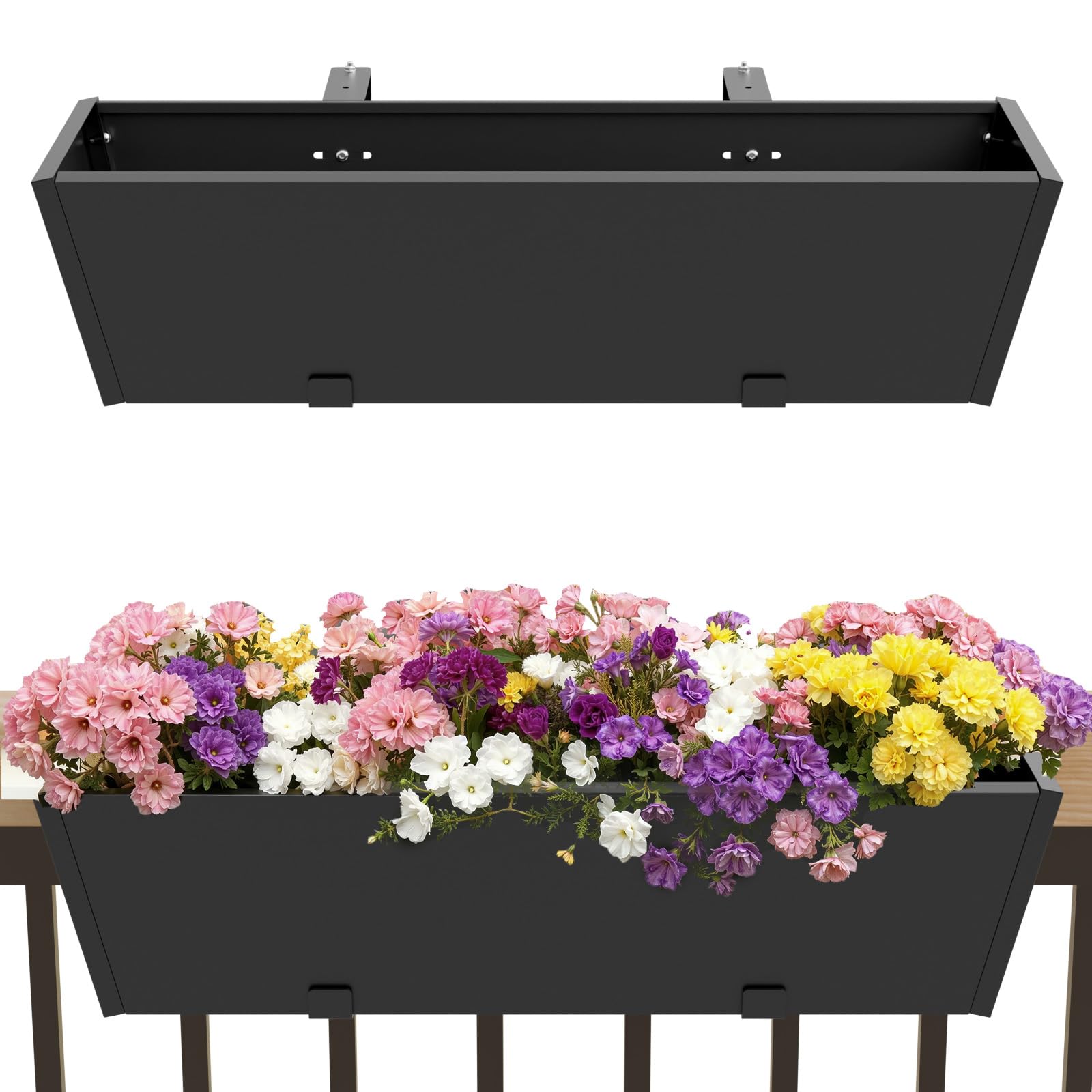
A balcony planter is a container sized and shaped for a small outdoor space, either sitting on the floor, hanging over a railing, or fixed to a wall. Unlike garden beds, planters hold a limited volume of potting mix, so drainage, soil depth, and watering rhythm matter much more. Common materials include plastic, resin, metal, wood, ceramic, and fabric, each with a different balance of weight, durability, and insulation for roots.
Three terms cover most labels you will see. Drainage means holes or a reservoir that let excess water escape so roots do not rot. Soil volume, often given in quarts or gallons, tells you how much mix the planter holds and how large a plant it can support. Weight when full matters as much as the empty weight, because wet soil is heavy, and many balconies and railings have sensible load limits you should respect.
Wind deserves a thought of its own on higher floors, where gusts can tip tall floor planters and dry soil out within hours. Secure railing planters with the brackets or straps the maker provides, and test the hold with a firm push before planting. Place taller plants in the most sheltered corner, group pots together so they shield each other, and check moisture more often on windy days, since even large planters can dry surprisingly fast.
Key Specs Explained in Plain English
Once the basics make sense, compare planters spec by spec against your own balcony rather than against an ideal garden. Measure first, think about sun and wind, and then choose materials and drainage to match.
Match the Product to Your Garden Size and Layout
Measure your railing width and depth, your floor space, and the path you walk every day before you shop. Railing planters must match the rail profile and grip securely, so take the rail thickness with you as a number, not a guess. Floor planters suit larger plants but eat walking space on small balconies. If you plan a row of herbs, several medium planters are easier to move and replant than one very long and heavy box. Leave room to water and harvest without leaning over the rail.
Ease of Use and Storage
Consider how the planter feels during the chores you will repeat all season. Removable liners make replanting and cleaning simple, and lighter resin or fabric styles are kinder when you carry a full planter up stairs. Self watering designs with a reservoir reduce daily watering in summer, though they add weight and need occasional cleaning. In winter, stackable or foldable styles store in far less space. Handles, smooth edges, and a shape that fits your storage corner all matter more than they seem at the store.
Safety (Drinking Water Safe, Organic, Pet Safe)
If you grow herbs or vegetables you will eat, choose planters described as food safe and lead free, and be cautious with old or decorative glazed pots of unknown origin. OMRI listed soil and feeds suit gardeners who want organic inputs. Keep fertilizers and soil bags stored away from pets and children, and check that plants you choose are safe for your animals, since some common ornamentals are toxic if chewed.
Performance Specs (Length, Coverage, Drainage, NPK)
Length and width set how many plants fit, while depth decides root health, since most herbs and flowers want at least about 6 to 8 inches of soil depth. Drainage holes should be present or easy to add, and a tray or reservoir should match how much runoff your balcony floor can handle. NPK numbers on fertilizer describe nitrogen, phosphorus, and potassium, the main nutrients in feeds you will add because planter soil holds limited food. For plant choices that suit these sizes, see our guide to the best plants for balcony planters before you buy plants on impulse.
Durability and Weather Resistance
Sun, frost, and wind test balcony planters harder than sheltered garden pots. UV resistant resin and plastic resist fading and cracking in strong sun, while thin cheap plastic can turn brittle within a couple of seasons. Ceramic and terracotta look classic but can crack when wet soil freezes, so move them under cover or indoors in cold winters. Metal heats up fast in direct sun and can stress roots on hot rails. Wood suits a natural look but rots over time unless lined and treated for outdoor use.
Rookie Mistakes to Avoid
- Buying a planter with no drainage and then wondering why plants yellow and roots rot after a week of rain.
- Guessing railing size, so the planter wobbles, tilts, or cannot be fitted safely at all.
- Filling a large floor planter with garden soil instead of potting mix, which compacts and drains poorly in containers.
- Ignoring full weight, then finding a soil filled planter too heavy to move and a strain on the railing.
- Planting thirsty and dry loving plants in the same box, so one always gets the wrong amount of water.
Apartment dwellers with strict building rules may also want to compare our guide to the best planters for apartment balcony setups, which covers compact layouts in more depth.
Getting Started: Setup and First Use
Start by placing the empty planter in position and checking the fit and level before any soil goes in. Add a layer of potting mix, set each plant at the same depth it grew in its nursery pot, and fill around it gently, leaving about an inch below the rim for watering. Water slowly until a little drains from the base, which settles the mix around the roots. Water early in the morning where you can, since leaves dry faster and less water is lost to midday heat. For flower ideas once your boxes are ready, see our guide to the best flowers for balcony planters, and if you use railing boxes, our guide to the best plants for balcony railing planters covers plants that trail and fill well.
Frequently Asked Questions
How deep should a balcony planter be?
Most herbs and flowers want at least 6 to 8 inches of soil depth, while tomatoes, peppers, and small shrubs do better with 12 inches or more. Depth matters more than length for root health, so check it before you choose a long, shallow box. A deeper planter also dries out more slowly in summer.
What's the difference between garden soil and potting mix?
Garden soil is meant for ground beds, and in a planter it compacts, drains slowly, and can carry weed seeds. Potting mix is a lighter blend, often based on peat or coir with perlite, designed to hold moisture yet let air reach roots in containers. Always use potting mix in balcony planters, and refresh it each season, since nutrients and structure break down over time.
How many plants fit in one balcony planter?
Count plants by the spacing on each plant tag rather than crowding, because crowded planters dry out fast and compete for food. As a rough guide, a 24 inch railing box holds three to four small herbs or flowers. Leave about an inch below the rim for watering.
Do balcony planters need drainage holes?
Yes, drainage holes or a reservoir let excess water escape so roots do not rot. If a decorative planter has no holes, use it as a cover for a plain nursery pot with holes and empty the water that collects underneath. Match any tray to the runoff your balcony floor can handle.
Wrapping Up
Measure your rail and floor space, insist on real drainage, and pick a material that matches your sun, frost, and how much weight your balcony can hold. Those three checks remove most first time regrets. The best balcony planters for you are the ones your plants thrive in and you can move, water, and store without a struggle. Compare your shortlist against the product table above and start with one or two planters before filling the whole rail.